 TEL: +86 18903393212
 Email: tina@yintoglassware.com

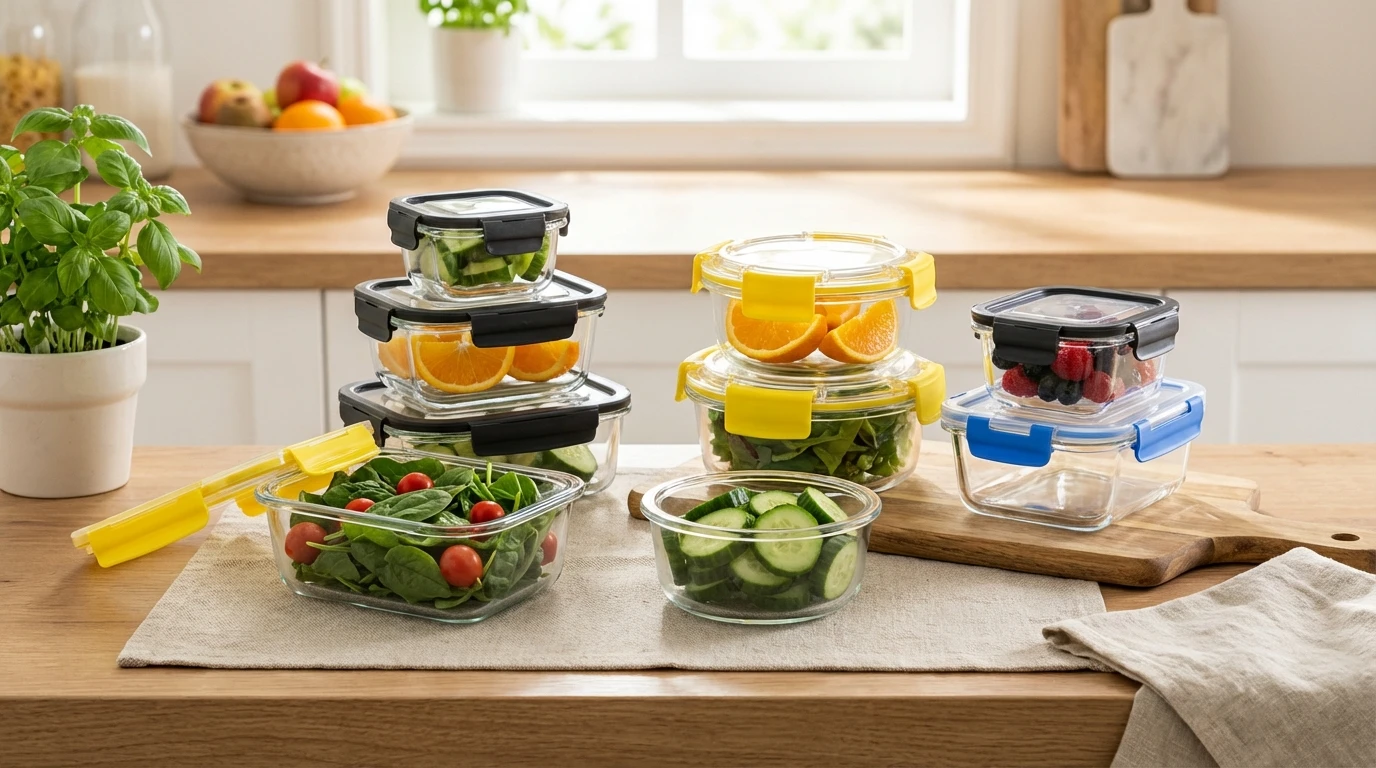
Comprehensive Guide to Glass Lunch Containers with Compartments for Healthy Eating
Discover the Benefits of Glass Lunch Containers with Compartments
In today’s fast-paced world, preparing and taking your lunch to work or school is a convenient and healthy choice. But a haphazardly packed lunch can easily become a messy affair. That’s where glass lunch containers with compartments come in. They offer a practical and stylish solution for keeping your meals organized, fresh, and spill-free. This article explores the numerous advantages of using compartmentalized glass containers, their versatility, and how to choose the best ones for your needs. Investing in quality containers can significantly improve your daily meal experience and contribute to a more sustainable lifestyle.
Why Choose Glass Lunch Containers?
Glass has emerged as a preferred material for food storage due to its numerous benefits. Unlike plastic, glass is non-porous, meaning it doesn’t absorb food odors, stains, or flavors. This ensures that your meals taste exactly as they should, every time. Glass is also inherently BPA-free, phthalate-free, and lead-free, making it a safe and healthy option for storing food. Moreover, glass is exceptionally durable and can withstand temperature changes, making it suitable for both microwave and freezer use. Cleaning is a breeze as well – glass containers are typically dishwasher safe. Choosing glass is a responsible step towards a healthier lifestyle and a reduced environmental footprint.
Key Benefits: Non-porous, BPA-free, durable, temperature resistant, easy to clean, and eco-friendly.
The Advantage of Compartments: Keeping Meals Organized
One of the most significant advantages of glass lunch containers with compartments is their ability to keep different food items separate. This prevents flavors from mingling, ensuring your salad stays crisp and your yogurt doesn't make your sandwich soggy. Compartmentalization also allows for portion control, which can be particularly helpful for those mindful of their diet. From a simple two-compartment design for a main course and a side dish to multi-compartment options for complete meals, there's a container to suit every need. This is a game-changer for anyone who wants a satisfying, well-organized lunch without the mess.
Compartment Benefits:
• Prevents food from mixing
• Enables portion control
• Keeps food fresh and appealing
• Simplifies meal planning
Glass Lunch Containers with Compartments: A Comparison
When choosing between different types of lunch containers, it's important to weigh the pros and cons of each. While plastic containers are lighter and cheaper, they often lack the health and environmental benefits of glass. Stainless steel containers are durable but can be expensive and may not be microwave safe. Glass containers with compartments strike a balance between functionality, safety, and sustainability.
Choosing the Right Glass Lunch Container with Compartments: Key Considerations
With a wide variety of options available, selecting the perfect glass lunch container with compartments requires careful consideration. Think about the size and number of compartments you need based on your typical meals. Look for containers with secure, leak-proof lids to prevent spills. Consider whether you need containers that are microwave and dishwasher safe. Also, pay attention to the material of the lid – silicone seals are a great choice for a tight fit. Finally, choose a brand known for quality and durability, like Yinto Glassware.
Product Spotlight: Yinto Glassware Compartmentalized Containers
At Yinto Glassware, we offer a wide range of high-quality glass lunch containers with compartments designed to meet your every need. Our containers are made from durable, BPA-free glass and feature secure, leak-proof lids. We offer a variety of sizes and configurations, from single-compartment containers perfect for a quick snack to multi-compartment options for complete meals. Explore our collection today and discover the perfect solution for your lunch packing needs!
Conclusion: Embrace a Healthier and More Organized Lunchtime
Investing in glass lunch containers with compartments is a small change that can have a big impact on your daily life. From promoting healthy eating habits to reducing your environmental footprint, the benefits are numerous. Choose quality, durability, and functionality to ensure a satisfying and convenient lunchtime experience. Browse our selection at Yinto Glassware today and discover the difference!
Frequently Asked Questions (FAQs)
Are glass lunch containers microwave safe?
Most glass lunch containers, including those from Yinto Glassware, are designed to be microwave safe. However, it's crucial to check the manufacturer's instructions as some lids may not be microwave safe. When reheating food in a glass container, always remove the lid to prevent steam buildup and potential pressure. It is also recommended to avoid extreme temperature changes to prevent thermal shock, which could potentially damage the glass. Glass offers a healthier alternative to plastic when reheating food, as it won’t leach harmful chemicals.
How do I prevent my glass lunch container from breaking?
While glass is durable, it's essential to handle it with care. Avoid dropping the container, and don't subject it to sudden temperature changes. When washing, hand-washing is generally recommended for delicate glass containers, although many are dishwasher safe. If using a dishwasher, place the container on the top rack to prevent bumping. Also, ensure the container is dry before storing it to prevent cracking. Using a protective sleeve or wrap can also offer an extra layer of protection during transport.
Are glass containers really better for the environment than plastic?
Yes, glass containers are generally considered more environmentally friendly than plastic. Glass is made from natural, abundant materials and is 100% recyclable without losing quality. Plastic, on the other hand, is derived from fossil fuels and often degrades during recycling, limiting its recyclability. The non-porous nature of glass also means it won't leach harmful chemicals into the environment. While the production of glass does require energy, its recyclability and durability make it a more sustainable choice in the long run. Reducing single-use plastic is a crucial step towards a healthier planet.
How do I clean a glass lunch container with stubborn food stains?
For stubborn food stains, start by soaking the container in warm, soapy water for 15-30 minutes. If the stain persists, create a paste of baking soda and water and gently scrub the affected area with a non-abrasive sponge. For particularly tough stains, you can add a few drops of vinegar to the baking soda paste. Avoid using harsh chemicals or abrasive cleaners, as these can damage the glass. Regular cleaning will prevent stains from becoming too difficult to remove.
-
Small Glass Lunch Containers Guide for Healthy Meal PrepNewsApr.09,2026
-
Comprehensive Guide to Choosing the Best Storage Containers for Dishes and GlassesNewsApr.07,2026
-
Selecting The Optimal 300ml Food Containers For Your Business NeedsNewsApr.04,2026
-
Discover the Benefits of Durable 3 Cup Glass Food Storage ContainersNewsMar.31,2026
-
Comprehensive Guide to Choosing Superior Glass Divided Food ContainersNewsMar.28,2026
-
Exploring the Benefits of Glass Containers with Silicone Sleeve for Everyday UseNewsMar.26,2026
![[Extra Large with Handle] Oven Safe Glass Food Storage Container with Airtight Locking Lid & Handle, Oven Safe Dishwasher Safe](https://images.exportstart.com/images/a1251/extra-larger-glass-container-with-snap-locking-lid-164.webp "[Extra Large with Handle] Oven Safe Glass Food Storage Container with Airtight Locking Lid & Handle, Oven Safe Dishwasher Safe")
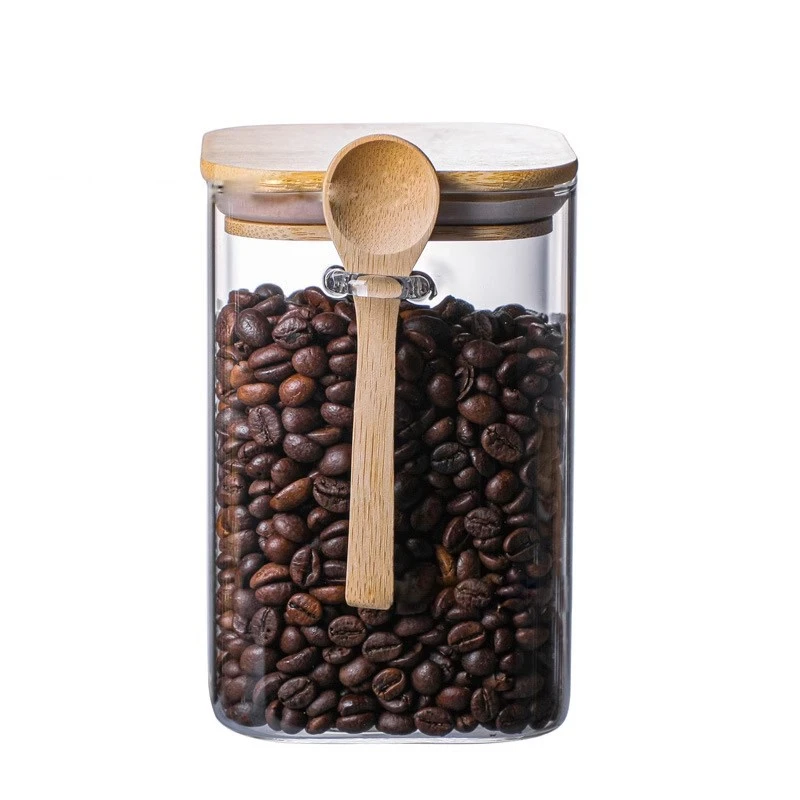
![[All Microwave Safe] High Borosilicate Glass Food Storage Container , Oven Safe without Lid, Dishwasher Safe](https://images.exportstart.com/images/a1251/squre-glass-container-with-glass-lid-518.webp "[All Microwave Safe] High Borosilicate Glass Food Storage Container , Oven Safe without Lid, Dishwasher Safe")
![[Sliding Vent PP Lid] Borosilicate Glass Food Storage Containers with Food-grade Plastic Lid, Airtight, Leak Resistant](https://images.exportstart.com/images/a1251/glass-food-storage-container-with-airtight-lid-183.webp "[Sliding Vent PP Lid] Borosilicate Glass Food Storage Containers with Food-grade Plastic Lid, Airtight, Leak Resistant")
![[Large Skylight Glass Lid] Glass Food Storage Container, Oven Safe with Lid, BPA Free, 100% Leak resistant](https://images.exportstart.com/images/a1251/glass-lid-food-storage-container-1-1-196.webp "[Large Skylight Glass Lid] Glass Food Storage Container, Oven Safe with Lid, BPA Free, 100% Leak resistant")
![[Colorful Vent PP Lid] Glass Food Storage Container, BPA Free, Leakproof, Dishwasher Safe](https://images.exportstart.com/images/a1251/002-1-639.webp "[Colorful Vent PP Lid] Glass Food Storage Container, BPA Free, Leakproof, Dishwasher Safe")
![[Color Vent PP Lid] Borosilicate Glass Food Storage Container, Leakproof, Dishwasher Safe](https://images.exportstart.com/images/a1251/1-941.webp "[Color Vent PP Lid] Borosilicate Glass Food Storage Container, Leakproof, Dishwasher Safe")
![[Vacuum AS] Food Storage Container with Pump](https://images.exportstart.com/images/a1251/7-1-397.webp "[Vacuum AS] Food Storage Container with Pump")