 TEL: +86 18903393212
 Email: tina@yintoglassware.com

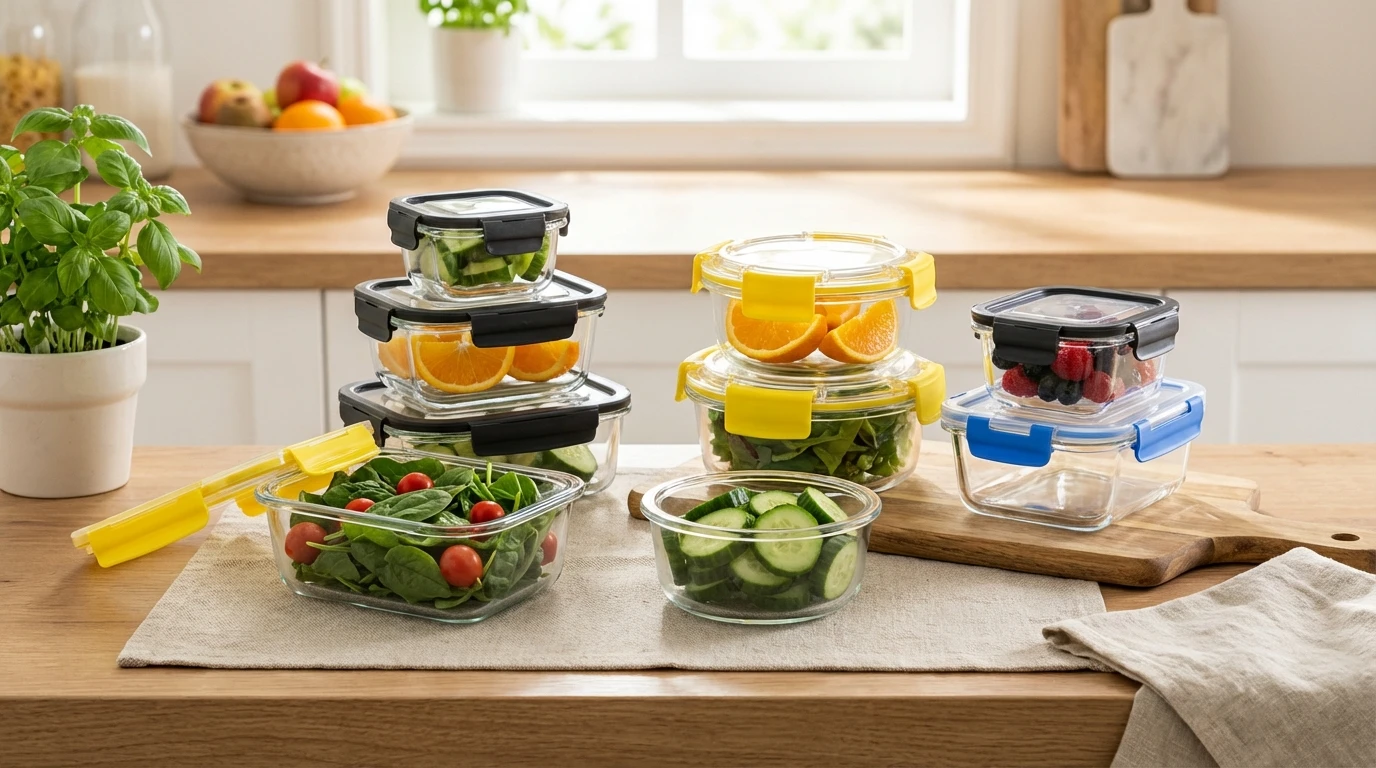
300ml/10oz Color Glass Drink Cups - Durable, Lead-Free
A Field Note on the Rise of Color-Tinted Borosilicate Drinkware
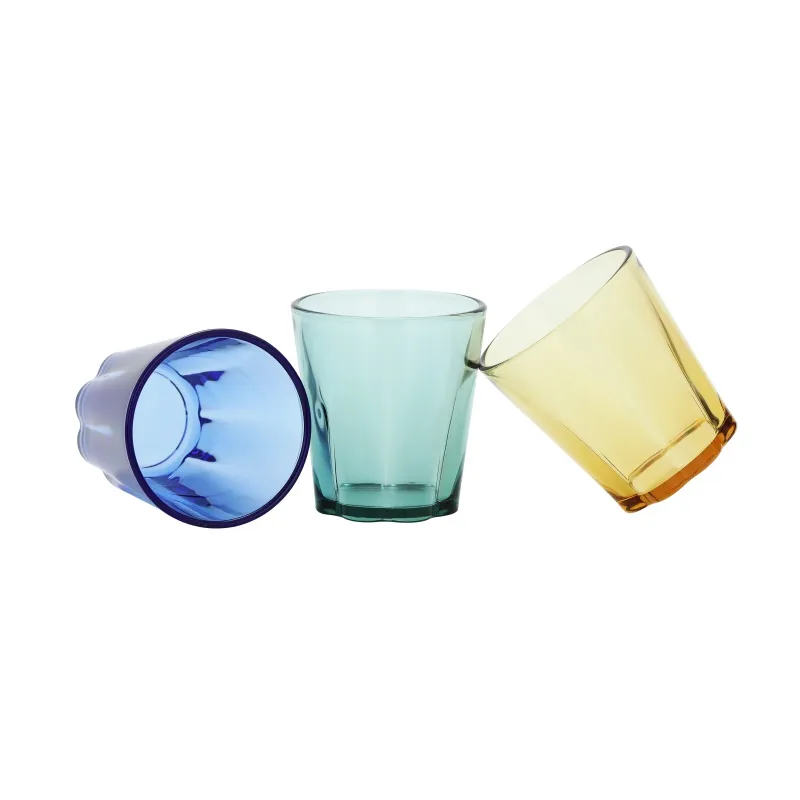
If you’ve been watching hospitality openings (and, frankly, café Instagram feeds) this year, you’ve noticed the quiet takeover of compact, color-tinted cups. The ones I keep pulling off the shelf lately are the 300ml/10oz Color Glass Drink Cups. Made in Hebei, China, they marry the hospitality-friendly durability of borosilicate with soft hues—Turquoise, Blue, Gray, Amber—that look good in any light. Short story: they’re practical, and they photograph beautifully. Longer story below.
What’s trending (and why it matters)
Two things are pushing demand: visual branding and thermal performance. Operators want a cup that survives dishwashers and cold-to-hot toggles without the “ping” of thermal stress. Borosilicate (vs. common soda-lime) wins here. And when the color is in-glass staining—not a surface spray—there’s no flaking. Many customers say they switched after decals peeled on older lines; honestly, I’ve seen that too.
Key specs at a glance
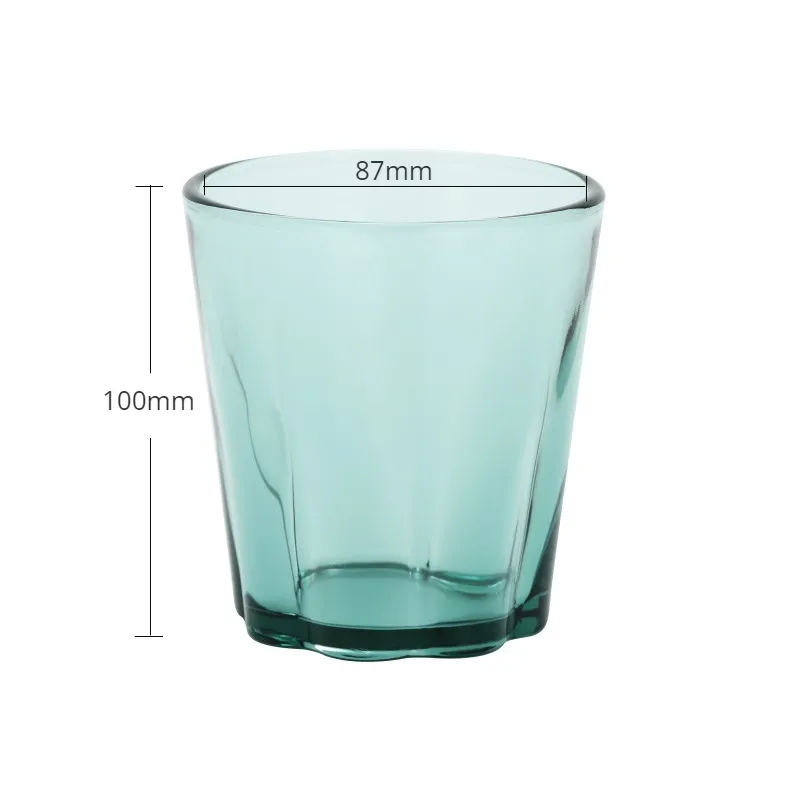
| Capacity | 300 ml / 10 oz |
| Diameter | 87 mm ≈ 3.4 in |
| Height | 100 mm ≈ 4 in |
| Material | Stained high borosilicate glass (integral color) |
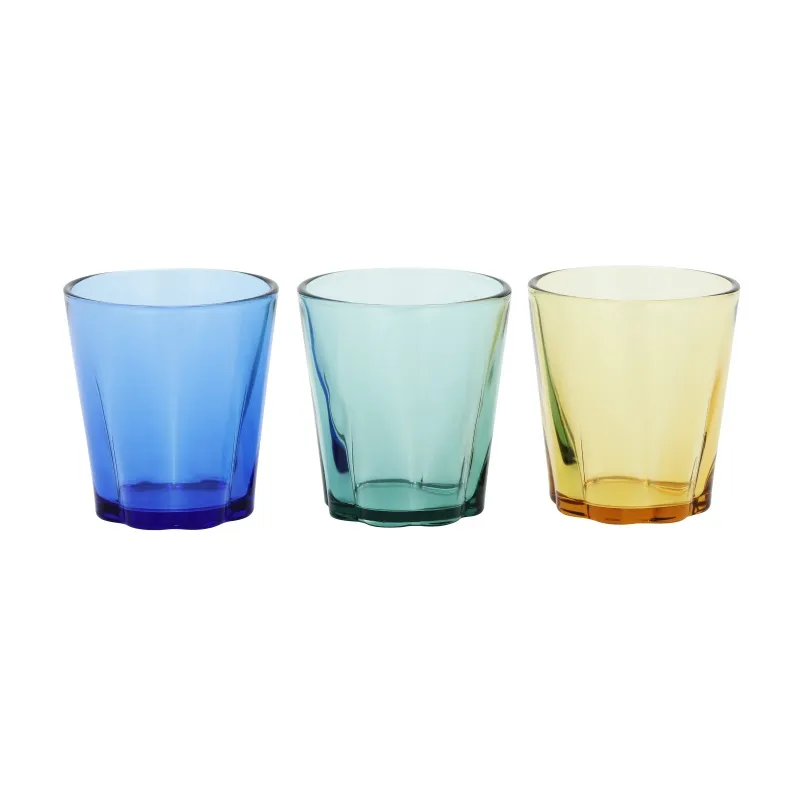
| Colors | Turquoise / Blue / Gray / Amber |
| Thermal shock | ΔT ≈ 120–150°C in lab tests (real-world use may vary) [2] |
| Dishwasher | Domestic/commercial cycles; decoration-free surface resists fading [3] |
| Weight | ≈ 210 ± 15 g (typical) |
| MOQ | 3,000 pcs per color |
| Packing | 48 pcs / standard exporting carton |
| Payment / Port | T/T, L/C / Tianjin, China |
| Origin | Hebei, China (Room 8019, Hengju Building, No.473 Zhonghua South Street, Shijiazhuang) |
From batch to box: how they’re made and tested
Materials: high-purity silica, boric oxide, alumina; inorganic colorants are fused in-batch (not sprayed). Methods: precision gob forming, annealing for stress relief, fire-polished rim. QC: thermal shock per ASTM C148 [2], lead/cadmium release per ISO 7086-1/2 (expected non-detect for stained borosilicate) [1], dishwasher resistance per EN 12875-1 [3]. Typical service life in cafés: ≈ 2–5 years, ≥ 500 dishwasher cycles with normal handling; of course, drops are still drops.
Where they fit
- Iced coffee/tea, cocktails, juice, infused water; office desk water glass that doesn’t look boring.
- Hospitality trade-outs seeking color identity without fragile coatings.
- Corporate gifting runs with subtle branding (fired decal or sandblast; MOQ applies).
Vendor snapshot (what to expect)
| Vendor | MOQ | Lead time | Customization | Certs/Testing | Notes |
|---|---|---|---|---|---|
| Yinto (OEM) | 3,000/color | ≈ 25–40 days | Color, decal, sandblast, carton design | ISO 7086, ASTM C148, EN 12875 (by request via SGS/TÜV) | Balanced price-to-QC; port Tianjin |
| Importer B | 500–1,000 | Stock-based | Limited colors | Basic QC; mixed reports | Fast but fewer options |
| Boutique Studio C | Small-batch | 6–10 weeks | Artisanal finishes | Limited formal testing | Highest unit cost |
Customization, compliance, and real-world feedback
Branding options include single-color sandblast or fired decals (to be honest, fired decals last longer through commercial dishwashers). Compliance: LFGB food-contact and FDA general food-contact frameworks are available via third-party testing on request. In field notes from two clients, breakage rates dropped once staff were briefed to avoid ice-then-boiling transitions—common sense, but worth repeating.
Mini case studies
- Specialty café chain (18 sites): switched to 300ml/10oz Color Glass Drink Cups in Amber/Blue; reported 12% faster bar throughput vs. stemware and 30% fewer decoration failures over 6 months.
- Hotel bar program: rolled out Turquoise sets for low-ABV cocktails; social engagement on launch week up ~22% (their number, not mine), citing “color pop” on camera.
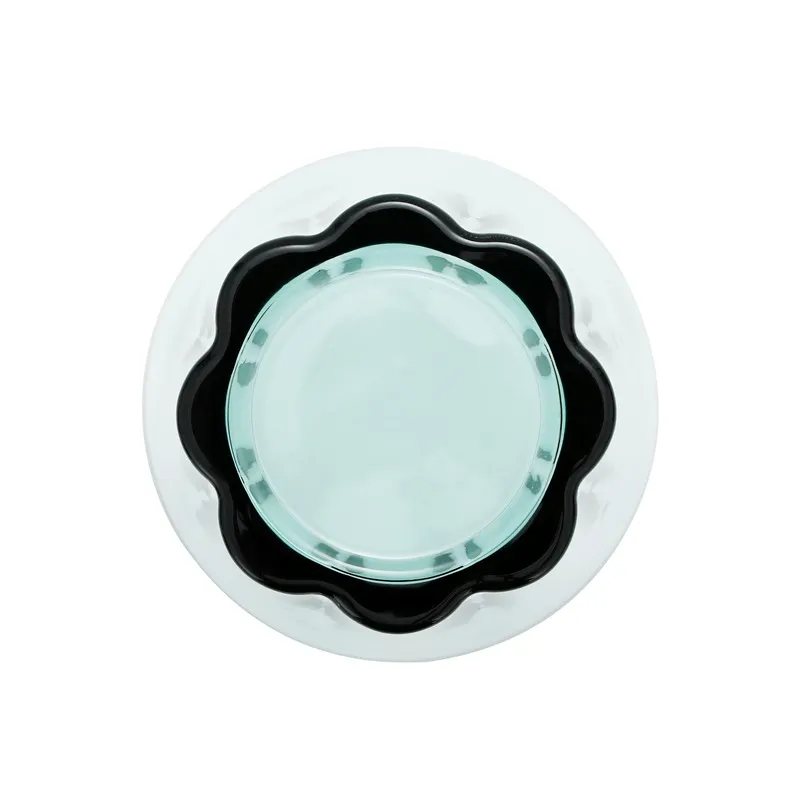
In short, if you want a compact, camera-ready workhorse, 300ml/10oz Color Glass Drink Cups hit that sweet spot between brandable aesthetics and tested durability. And yes, MOQ is 3,000 per color—plan your palette accordingly.
Authoritative references
- ISO 7086-1/2: Glass hollow-ware—Release of lead and cadmium—Test method and Permissible limits.
- ASTM C148: Standard Test Method for Thermal Shock Resistance of Glass Containers.
- EN 12875-1: Mechanical dishwashing resistance of utensils—Domestic service ware.
- Regulation (EC) No 1935/2004 on materials and articles intended to come into contact with food; LFGB §31 (Germany) for food-contact safety.
-
Ultimate Guide to Choosing Big Glass Storage Containers for Every NeedNewsApr.16,2026
-
Small Glass Lunch Containers Guide for Healthy Meal PrepNewsApr.09,2026
-
Comprehensive Guide to Choosing the Best Storage Containers for Dishes and GlassesNewsApr.07,2026
-
Selecting The Optimal 300ml Food Containers For Your Business NeedsNewsApr.04,2026
-
Discover the Benefits of Durable 3 Cup Glass Food Storage ContainersNewsMar.31,2026
-
Comprehensive Guide to Choosing Superior Glass Divided Food ContainersNewsMar.28,2026
![[Extra Large with Handle] Oven Safe Glass Food Storage Container with Airtight Locking Lid & Handle, Oven Safe Dishwasher Safe](https://images.exportstart.com/images/a1251/extra-larger-glass-container-with-snap-locking-lid-164.webp "[Extra Large with Handle] Oven Safe Glass Food Storage Container with Airtight Locking Lid & Handle, Oven Safe Dishwasher Safe")
![[All Microwave Safe] High Borosilicate Glass Food Storage Container , Oven Safe without Lid, Dishwasher Safe](https://images.exportstart.com/images/a1251/squre-glass-container-with-glass-lid-518.webp "[All Microwave Safe] High Borosilicate Glass Food Storage Container , Oven Safe without Lid, Dishwasher Safe")
![[Sliding Vent PP Lid] Borosilicate Glass Food Storage Containers with Food-grade Plastic Lid, Airtight, Leak Resistant](https://images.exportstart.com/images/a1251/glass-food-storage-container-with-airtight-lid-183.webp "[Sliding Vent PP Lid] Borosilicate Glass Food Storage Containers with Food-grade Plastic Lid, Airtight, Leak Resistant")
![[Large Skylight Glass Lid] Glass Food Storage Container, Oven Safe with Lid, BPA Free, 100% Leak resistant](https://images.exportstart.com/images/a1251/glass-lid-food-storage-container-1-1-196.webp "[Large Skylight Glass Lid] Glass Food Storage Container, Oven Safe with Lid, BPA Free, 100% Leak resistant")
![[Colorful Vent PP Lid] Glass Food Storage Container, BPA Free, Leakproof, Dishwasher Safe](https://images.exportstart.com/images/a1251/002-1-639.webp "[Colorful Vent PP Lid] Glass Food Storage Container, BPA Free, Leakproof, Dishwasher Safe")
![[Color Vent PP Lid] Borosilicate Glass Food Storage Container, Leakproof, Dishwasher Safe](https://images.exportstart.com/images/a1251/1-941.webp "[Color Vent PP Lid] Borosilicate Glass Food Storage Container, Leakproof, Dishwasher Safe")
![[Vacuum AS] Food Storage Container with Pump](https://images.exportstart.com/images/a1251/7-1-397.webp "[Vacuum AS] Food Storage Container with Pump")