 TEL: +86 18903393212
 Email: tina@yintoglassware.com

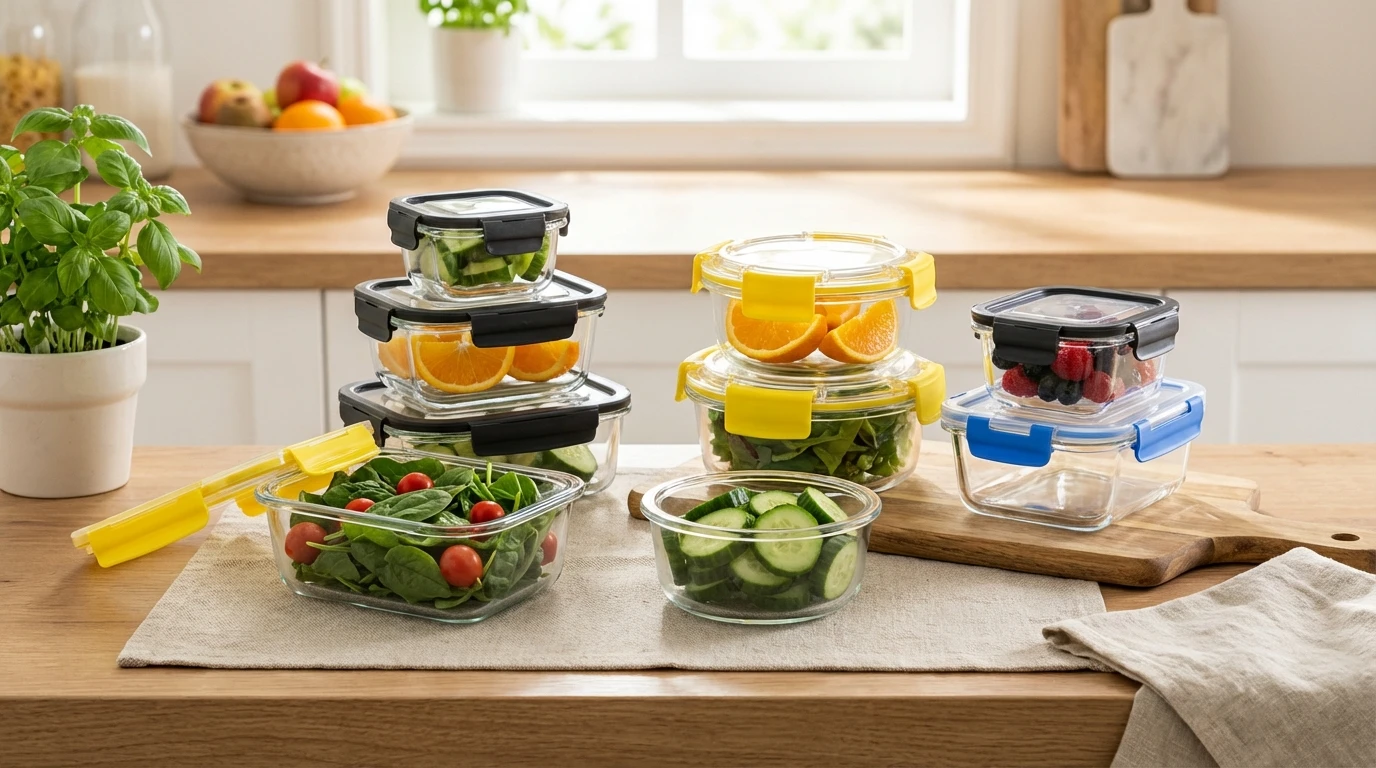
Borosilicate Glass Water Bottle with Silicone Sleeve – Durable & Eco-Friendly Hydration Solutions
The Borosilicate Glass Water Bottle with Silicone Sleeve: Durable Hydration Meets Modern Needs
In a world that increasingly values sustainability and safety, the borosilicate glass water bottle with silicone sleeve has become a practical and environmentally friendly alternative to plastic bottles. But why does this matter beyond just personal preference? Globally, water consumption habits are evolving alongside a push to reduce single-use plastics, and understanding these bottles offers insights into responsible consumerism, industrial design, and health-conscious living.
Frankly, it’s a neat product with a rich story––we’ll explore why it's gaining traction not only among everyday users but also in humanitarian aid, outdoor industries, and even scientific circles.
Introduction: Global Relevance of Borosilicate Glass Water Bottle with Silicone Sleeve
The urgency of cutting plastic waste has never been clearer: The UN reports that globally, we produce 300 million tons of plastic annually, with a large chunk leaking into oceans and ecosystems. The World Health Organization underscores that clean drinking water accessibility is a top priority worldwide, especially in disaster zones and underserved regions.
This is where borosilicate glass water bottles, paired with protective silicone sleeves, come into play. They reduce plastic dependence, maintain water purity, and lower environmental footprints. Plus, they answer the emerging demand for reusable, durable alternatives that can withstand diverse conditions, whether hiking in the Rockies or supporting refugee camps.
What Is a Borosilicate Glass Water Bottle with Silicone Sleeve?
Simply put, it’s a drinking bottle made from borosilicate glass—a special type of glass that resists thermal shock and physical impact better than regular glass—wrapped or encased with a silicone sleeve. The sleeve cushions the bottle and improves grip, while the borosilicate glass ensures the water tastes pure and remains free of contaminants.
These bottles aren’t just eco-friendly; they’re engineered for longevity and safety. Borosilicate glass originated in the early 20th century for labware and high-precision optics, so its durability is well-established. Nowadays, putting a silicone sleeve around the bottle adds a layer of practicality suited for everyday use.
Key Factors Behind The Borosilicate Glass Water Bottle with Silicone Sleeve
1. Durability and Thermal Resistance
Borosilicate glass can withstand rapid temperature changes without cracking—meaning you can fill the bottle with hot tea one moment and ice water the next without worry. The silicone sleeve enhances impact protection, reducing breakage risk.
2. Chemical Safety and Taste Preservation
Unlike plastic or metal containers, borosilicate glass is inert. It won’t leach chemicals or odors, ensuring your water tastes clean every time—something many health-conscious customers notice immediately.
3. Sustainability and Reusability
Both materials are recyclable. The bottle’s extended lifespan reduces waste, and silicone sleeves (often food-grade) are durable enough to last years, decreasing the need to replace the whole bottle frequently.
4. Design Versatility and Customization
Manufacturers can offer various sleeve colors and textures, and often companies add branding or personalization options—helping brands and users align style with function.
5. Safety and Compliance
These bottles usually meet global safety standards like ISO 719 or FDA regulations for food contact materials, making them trustworthy for everyday use.
Product Specification Table
| Specification | Details |
|---|---|
| Material (Bottle) | Borosilicate Glass (Thermal-Resistant) |
| Material (Sleeve) | Food-grade Silicone |
| Capacity | 350ml - 1L |
| Temperature Range | -20°C to 150°C |
| Weight Range | Approx. 200–400g (depends on size) |
| Typical Colors | Clear glass with silicone sleeves in multiple colors |
Global Applications & Use Cases
These bottles are popular in an array of settings. For instance:
- Outdoor and Adventure Sports: Lightweight, thermal shock-resistant, and durable—perfect for backpackers who want a clean water source.
- Corporate Gifting and Branding: Companies use personalized versions as sustainable promotional products.
- Humanitarian Aid: NGOs distribute these bottles in disaster zones where safe water is scarce, ensuring people have reliable, non-toxic containers.
- Schools and Offices Globally: The refillable nature aligns with sustainability missions worldwide.
In fact, in cold mountainous regions or remote industrial zones, the thermal resistance and grip given by the silicone sleeve make these bottles stand out in usability and safety compared to alternatives.
Vendor Comparison Table
| Vendor | Material Quality | Customization | Price Range | Lead Time |
|---|---|---|---|---|
| Yinto Glassware | High-grade borosilicate | Full sleeve colors, printing | $5-$12 / bottle | 2-4 weeks |
| ClearSafe Bottles | Standard lab borosilicate | Limited colors | $7-$15 / bottle | 3-5 weeks |
| EcoHydrate Co. | Mid-grade borosilicate | Custom silicone textures | $6-$10 / bottle | 1-3 weeks |
Advantages & Long-Term Value
Beyond immediate utility, these bottles offer several benefits:
- Cost Efficiency: Lasts years, so fewer replacements needed compared to disposable bottles.
- Environmental Impact: Significantly reduces plastic waste, helping oceans and landfills.
- Health Safety: No chemical leaching unlike some plastics, so safer drinking water.
- Trust and Emotional Satisfaction: Users often describe a sense of care and deliberate choice in using something reusable and elegant.
It’s like upgrading your hydration—not just in function but in identity.
Future Trends & Innovations
The trend toward sustainability is pushing manufacturers and researchers to innovate. Some exciting directions include:
- Integration of smart caps that monitor water intake via Bluetooth.
- Development of bio-based silicone sleeves to further reduce environmental footprint.
- Improved modular designs allowing easy sleeve replacement or bottle upgrade.
- Stronger collaborations with NGOs to customize designs for emergency relief.
Oddly enough, while borosilicate glass dates back a century, the way it’s being woven into smart, green tech makes it feel pretty futuristic.
Challenges & Solutions
Of course, the bottles are not perfect. The main challenges include:
- Weight: Heavier than plastic bottles, which may deter some users.
- Fragility Without Sleeve: Despite being tough, glass can still break on extreme impact.
- Cost: Higher upfront investment than disposable or traditional plastic bottles.
Yet, manufacturers tackle these by emphasizing silicone protection, offering size options, and educating consumers on long-term savings and safety benefits. The growing demand for customization and aesthetics also turns these from utilitarian items into cherished possessions.
Frequently Asked Questions About Borosilicate Glass Water Bottles with Silicone Sleeves
- Q1: How durable are borosilicate glass water bottles compared to regular glass?
- A1: Borosilicate glass is significantly more resistant to thermal shock and impact than standard glass, making it safer for everyday use. Coupled with a silicone sleeve, it withstands bumps and temperature changes with minimal risk of breakage.
- Q2: Can the silicone sleeve be removed and cleaned separately?
- A2: Yes, most sleeves are designed to be removable for easy cleaning, ensuring hygiene and extending the product’s lifespan.
- Q3: Are these bottles safe for hot beverages?
- A3: Absolutely. Borosilicate glass handles high temperatures up to about 150°C, so you can safely use hot water, tea, or coffee without worry.
- Q4: How do these bottles reduce environmental impact?
- A4: By replacing single-use plastic bottles, they reduce landfill waste and plastic pollution, particularly since borosilicate glass is recyclable and the bottle is reusable over years.
- Q5: Can I personalize my borosilicate glass bottle with custom designs?
- A5: Many suppliers offer customization options for the silicone sleeve and bottle printing, perfect for corporate gifts or personal style.
Conclusion: Sustainable Hydration for Today and Tomorrow
The borosilicate glass water bottle with silicone sleeve truly blends form with function—offering a safer, more sustainable option wrapped in thoughtful design. When you invest in one, you’re stepping toward a cleaner environment, healthier lifestyle, and innovative product use that meets a wide variety of global needs.
Interested in learning more or purchasing? Visit borosilicate glass water bottle with silicone sleeve for a great selection and expert guidance.
To sum up: It’s not just about what you drink from, but also how that choice ripples out to our planet and communities. In real terms, switching to borosilicate glass is a simple but significant step.
Quick Takeaway: The borosilicate glass water bottle with silicone sleeve is a durable, safe, and eco-friendly hydration solution paving the way for sustainable everyday use.
References
-
Ultimate Guide to Choosing Big Glass Storage Containers for Every NeedNewsApr.16,2026
-
Small Glass Lunch Containers Guide for Healthy Meal PrepNewsApr.09,2026
-
Comprehensive Guide to Choosing the Best Storage Containers for Dishes and GlassesNewsApr.07,2026
-
Selecting The Optimal 300ml Food Containers For Your Business NeedsNewsApr.04,2026
-
Discover the Benefits of Durable 3 Cup Glass Food Storage ContainersNewsMar.31,2026
-
Comprehensive Guide to Choosing Superior Glass Divided Food ContainersNewsMar.28,2026
![[Extra Large with Handle] Oven Safe Glass Food Storage Container with Airtight Locking Lid & Handle, Oven Safe Dishwasher Safe](https://images.exportstart.com/images/a1251/extra-larger-glass-container-with-snap-locking-lid-164.webp "[Extra Large with Handle] Oven Safe Glass Food Storage Container with Airtight Locking Lid & Handle, Oven Safe Dishwasher Safe")
![[All Microwave Safe] High Borosilicate Glass Food Storage Container , Oven Safe without Lid, Dishwasher Safe](https://images.exportstart.com/images/a1251/squre-glass-container-with-glass-lid-518.webp "[All Microwave Safe] High Borosilicate Glass Food Storage Container , Oven Safe without Lid, Dishwasher Safe")
![[Sliding Vent PP Lid] Borosilicate Glass Food Storage Containers with Food-grade Plastic Lid, Airtight, Leak Resistant](https://images.exportstart.com/images/a1251/glass-food-storage-container-with-airtight-lid-183.webp "[Sliding Vent PP Lid] Borosilicate Glass Food Storage Containers with Food-grade Plastic Lid, Airtight, Leak Resistant")
![[Large Skylight Glass Lid] Glass Food Storage Container, Oven Safe with Lid, BPA Free, 100% Leak resistant](https://images.exportstart.com/images/a1251/glass-lid-food-storage-container-1-1-196.webp "[Large Skylight Glass Lid] Glass Food Storage Container, Oven Safe with Lid, BPA Free, 100% Leak resistant")
![[Colorful Vent PP Lid] Glass Food Storage Container, BPA Free, Leakproof, Dishwasher Safe](https://images.exportstart.com/images/a1251/002-1-639.webp "[Colorful Vent PP Lid] Glass Food Storage Container, BPA Free, Leakproof, Dishwasher Safe")
![[Color Vent PP Lid] Borosilicate Glass Food Storage Container, Leakproof, Dishwasher Safe](https://images.exportstart.com/images/a1251/1-941.webp "[Color Vent PP Lid] Borosilicate Glass Food Storage Container, Leakproof, Dishwasher Safe")
![[Vacuum AS] Food Storage Container with Pump](https://images.exportstart.com/images/a1251/7-1-397.webp "[Vacuum AS] Food Storage Container with Pump")