 TEL: +86 18903393212
 Email: tina@yintoglassware.com

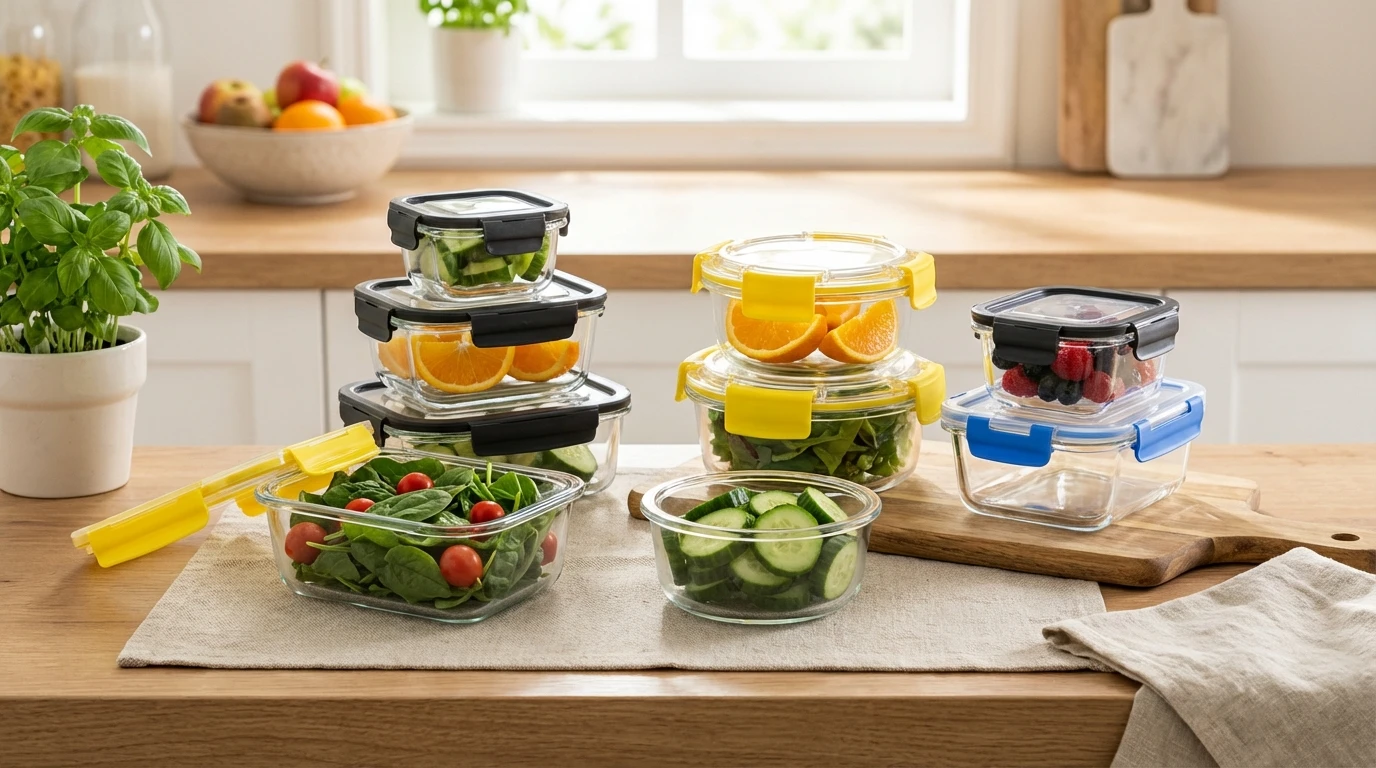
Discover the Benefits of a 1 Litre Glass Bottle with Lid – Sustainable & Durable Packaging Solutions
Why the 1 Litre Glass Bottle with Lid Matters More Than You Think
At first glance, a 1 litre glass bottle with lid might just seem like your basic container — a vessel to hold liquids, simple and straightforward. But look a little closer, and you’ll find this humble object carries global significance. From clean water initiatives in developing areas to premium food and beverage packaging in bustling cities, this bottle represents more than volume — it stands for sustainability, safety, and trust. Whether you’re a packaging engineer, a sustainability advocate, or a practical everyday user, understanding the 1 litre glass bottle with lid offers insight into how small design choices ripple out to big impacts worldwide.
Globally, the demand for safe, reusable, and environmentally responsible packaging is soaring. According to ISO standards and environmental agencies, glass bottles reduce carbon footprints compared to plastics, encourage reuse, and safeguard product integrity. Yet, the challenge is creating designs that balance durability, cost, and practicality. This bottle size and design hit a sweet spot — large enough for convenience, compact enough for easy transport and storage.
Mini takeaway: The 1 litre glass bottle with lid is more than just packaging; it’s a key player in sustainable consumption and global health efforts.
What Exactly Is a 1 Litre Glass Bottle with Lid?
Simply put, a 1 litre glass bottle with lid is a sturdy container that holds exactly one litre of liquid, sealed securely by a lid to prevent leaks and contamination. Often made from borosilicate or soda-lime glass, these bottles are transparent, chemical-resistant, and reusable. The lid can vary — from screw caps to airtight corks or snap-on mechanisms — catering to different industries and consumer preferences.
In modern industries, these bottles serve diverse roles: storing drinking water, oils, dairy products, pharmaceuticals, and more. In humanitarian contexts, they’re critical for safe water distribution in remote or disaster-affected areas, where quality and contamination control are paramount.
Key Features That Make This Bottle Practical
1. Durability
Glass is inherently strong against chemical reactions, and with proper tempering, these bottles resist impact better than you'd expect. For example, borosilicate glass bottles withstand temperature swings common in food processing or pharmaceutical transport.
2. Seal Integrity
The lid system is crucial. Screw caps offer ease of use and resealing, whereas vacuum or airtight lids ensure long shelf life for sensitive liquids like olive oil or medicinal tinctures. It ultimately comes down to matching the right lid to the contents.
3. Reusability & Sustainability
Unlike plastic, glass can be cleaned and reused without leaching chemicals, aligning with global pushes for circular economies. Plus, glass recycling systems are efficient, reducing landfill waste.
4. Cost-Effectiveness
Glass bottles generally cost more upfront than plastic alternatives but save money down the line in packaging integrity and brand reputation. For premium products, the aesthetic and perceived quality boost sales.
5. Versatility
This size fits neatly into existing packaging lines and retail shelving, making it easy to integrate without costly equipment upgrades. Plus, it’s ideal for both bulk sales and individual consumer use.
| Feature | Specification | Benefit |
|---|---|---|
| Material | Soda-lime or Borosilicate Glass | Chemical resistance and durability |
| Capacity | 1000 ml (1 litre) | Standardized volume for versatile use |
| Lid Type | Screw cap / Airtight snap / Cork | Secure sealing and easy reseal |
| Weight | ~500 grams | Sturdy yet lightweight enough for transport |
| Dimensions | Height: ~25cm; Diameter: ~8cm | Fits on standard shelves and in carry bags |
Mini takeaway: These core features mean the bottle is practical, reliable, and ready for a variety of industrial and personal needs.
Global Applications and Real-Life Use Cases
The 1 litre glass bottle with lid is everywhere if you think about it. In Europe, wineries use it for boutique bottles of olive oil. In the US, artisan food producers package sauces and syrups here. But its impact stretches further. NGOs working in sub-Saharan Africa and South Asia rely on these bottles to safely distribute potable water during humanitarian crises. Oddly enough, these simple glass bottles can mean the difference between illness or health in contaminated zones.
In industrial zones of China and India, large chemical plants use this bottle size to test liquid samples without contamination risks. The precise volume simplifies quality control processes.
Even small businesses selling homemade kombucha or essential oils find this bottle ideal — it’s the “just right” size for customers hesitant to splurge on larger volumes but wanting enough product to enjoy.
Advantages and Long-Term Value
- Sustainability: Glass is infinitely recyclable.
- Health safety: Non-toxic and chemical inert.
- Aesthetic quality: Crystal clear transparency adds premium feel.
- Longevity: Resists scratches and odors that plastics can trap.
- Cost savings: Long lifetime means fewer replacements.
On an emotional level, a 1 litre glass bottle with lid communicates care and quality to customers. It feels trustworthy, solid, even artisanal, which nurtures brand loyalty. Providers of emergency supplies know it upholds dignity for recipients who can reuse it — not just toss it away.
Emerging Trends and Innovations
Looking ahead, tech is augmenting how glass bottles and their lids are designed. Smart lids with embedded NFC chips allow consumers to check product authenticity with a tap (great for pharmaceuticals or premium spirits). Eco-innovations focus on lighter, stronger glass compositions that reduce shipping weight without sacrifice. On the policy side, many governments are pushing regulations to replace plastics with glass to curb pollution — which is a big deal for producers considering packaging investments.
Overcoming Challenges
Of course, glass isn’t perfect. Its fragility in shipping and handling often worries manufacturers — nobody wants returning shattered bottles. Innovations in packaging cushioning and modular tray designs help reduce breakage. Plus, some new coatings improve surface strength and scratch resistance. Cost remains a factor, but many manufacturers tell me the upfront investment pays off in brand reputation and product preservation.
| Vendor | Price per unit | Customization Options | Lead Time | Sustainability Certifications |
|---|---|---|---|---|
| Yinto Glassware | $1.20 | Color tinting, lid types, printing | 3 weeks | ISO 14001, FSC compliant lids |
| EcoGlass Supplies | $1.35 | Custom labeling only | 4 weeks | Energy Star certified factory |
| GlassPro Industries | $1.10 | Basic caps only | 2-3 weeks | No ESG certification |
Common Questions About 1 Litre Glass Bottles with Lids
- Can these bottles be reused safely for beverages?
- Absolutely — glass is non-porous and resistant to most chemicals, meaning it doesn’t absorb flavors or odors. Proper cleaning between uses ensures safety.
- Are all lids airtight?
- Not necessarily; it depends on lid type. Screw caps and vacuum-sealed lids offer airtight closure, which is vital for perishable liquids. Snap lids are less secure but easier to open.
- How do 1 litre glass bottles compare environmentally to plastic bottles?
- Glass has a higher initial carbon footprint in production but offers infinite recyclability and no chemical contamination. Over time, glass tends to have a lower environmental impact if reused or recycled properly.
- Can these bottles handle hot liquids?
- Borosilicate glass bottles specifically are designed for thermal shock resistance and can safely hold hot beverages. Soda-lime versions are best kept at room temperature to avoid cracking.
- Is customization available for branding on these bottles?
- Yes, many manufacturers provide options for screen printing, etching, or color tinting. This helps businesses enhance brand visibility and appeal.
Wrapping It Up: The Lasting Appeal of the 1 Litre Glass Bottle with Lid
So, what’s the takeaway? This one-litre glass bottle with lid may seem modest, but it’s a surprisingly powerful piece of everyday tech. Its blend of durability, reusability, and trusted sealing supports industries ranging from artisan foods to global health. The sustainable edge means it’s not just good for business — it’s better for the planet, too. If you’re considering upgrading your packaging or sourcing bottles that combine tradition with innovation, checking out Yinto Glassware's selection might just be the smart move you need.
Having been involved in both packaging innovation and sustainability projects for years, I’ve learned to appreciate the quiet workhorses like the 1 litre glass bottle with lid — they really do hold the world’s liquids, and sometimes, its hope.
References
-
Ultimate Guide to Choosing Big Glass Storage Containers for Every NeedNewsApr.16,2026
-
Small Glass Lunch Containers Guide for Healthy Meal PrepNewsApr.09,2026
-
Comprehensive Guide to Choosing the Best Storage Containers for Dishes and GlassesNewsApr.07,2026
-
Selecting The Optimal 300ml Food Containers For Your Business NeedsNewsApr.04,2026
-
Discover the Benefits of Durable 3 Cup Glass Food Storage ContainersNewsMar.31,2026
-
Comprehensive Guide to Choosing Superior Glass Divided Food ContainersNewsMar.28,2026
![[Extra Large with Handle] Oven Safe Glass Food Storage Container with Airtight Locking Lid & Handle, Oven Safe Dishwasher Safe](https://images.exportstart.com/images/a1251/extra-larger-glass-container-with-snap-locking-lid-164.webp "[Extra Large with Handle] Oven Safe Glass Food Storage Container with Airtight Locking Lid & Handle, Oven Safe Dishwasher Safe")
![[All Microwave Safe] High Borosilicate Glass Food Storage Container , Oven Safe without Lid, Dishwasher Safe](https://images.exportstart.com/images/a1251/squre-glass-container-with-glass-lid-518.webp "[All Microwave Safe] High Borosilicate Glass Food Storage Container , Oven Safe without Lid, Dishwasher Safe")
![[Sliding Vent PP Lid] Borosilicate Glass Food Storage Containers with Food-grade Plastic Lid, Airtight, Leak Resistant](https://images.exportstart.com/images/a1251/glass-food-storage-container-with-airtight-lid-183.webp "[Sliding Vent PP Lid] Borosilicate Glass Food Storage Containers with Food-grade Plastic Lid, Airtight, Leak Resistant")
![[Large Skylight Glass Lid] Glass Food Storage Container, Oven Safe with Lid, BPA Free, 100% Leak resistant](https://images.exportstart.com/images/a1251/glass-lid-food-storage-container-1-1-196.webp "[Large Skylight Glass Lid] Glass Food Storage Container, Oven Safe with Lid, BPA Free, 100% Leak resistant")
![[Colorful Vent PP Lid] Glass Food Storage Container, BPA Free, Leakproof, Dishwasher Safe](https://images.exportstart.com/images/a1251/002-1-639.webp "[Colorful Vent PP Lid] Glass Food Storage Container, BPA Free, Leakproof, Dishwasher Safe")
![[Color Vent PP Lid] Borosilicate Glass Food Storage Container, Leakproof, Dishwasher Safe](https://images.exportstart.com/images/a1251/1-941.webp "[Color Vent PP Lid] Borosilicate Glass Food Storage Container, Leakproof, Dishwasher Safe")
![[Vacuum AS] Food Storage Container with Pump](https://images.exportstart.com/images/a1251/7-1-397.webp "[Vacuum AS] Food Storage Container with Pump")