 TEL: +86 18903393212
 Email: tina@yintoglassware.com

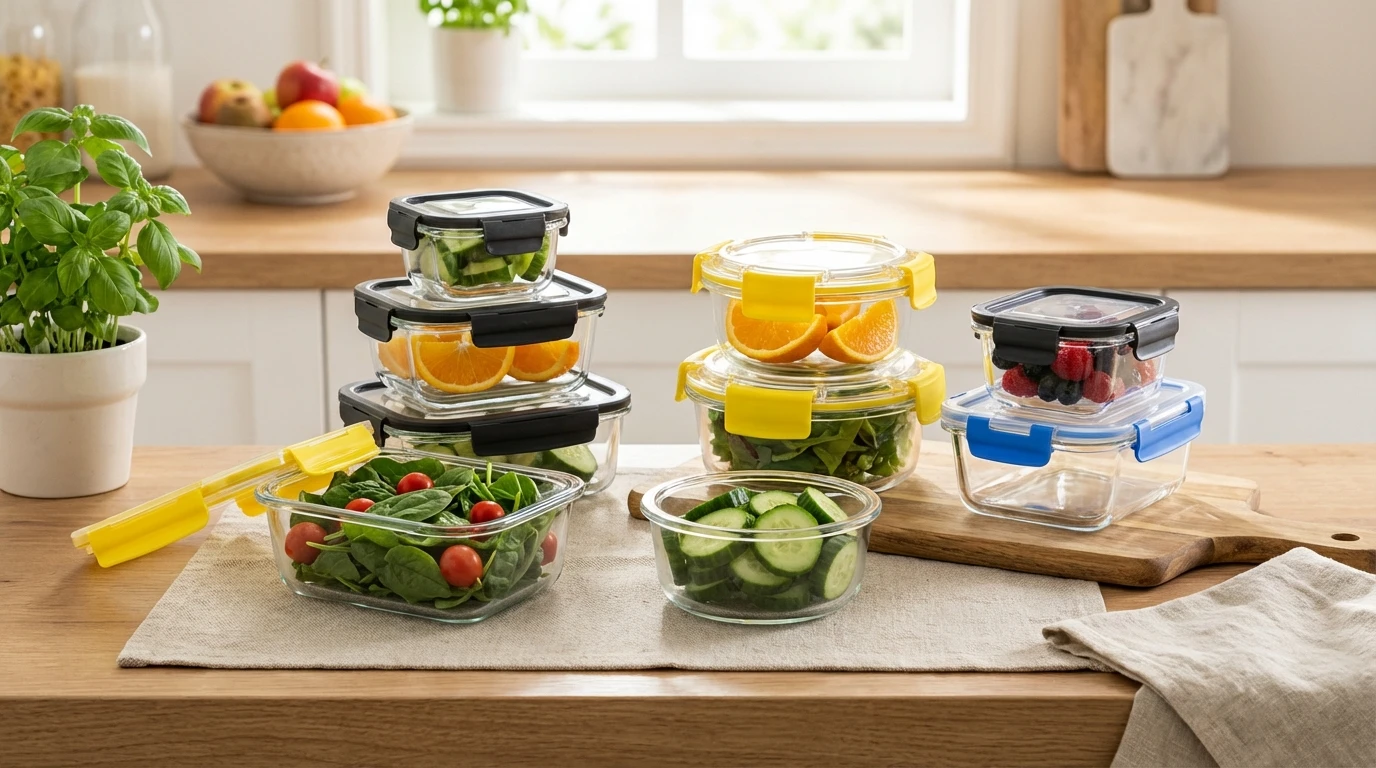
Discover the Benefits of Glass 2 Litre Water Bottles for Sustainable Hydration
Why the Glass 2 Litre Water Bottle Matters More Than You Think
In a world increasingly focused on sustainability and health, the humble glass 2 litre water bottle is quietly carving an important niche. It’s not just about holding water — this product plays a role in environmental impact reduction, modern industry packaging, and even humanitarian efforts. Considering the global demand for safe, reusable, and eco-friendly water containers, understanding the value of a 2-litre glass bottle brings surprising insights.
From reducing single-use plastics to contributing reliable hydration solutions during crises, the glass water bottle integrates design, durability, and environmental responsibility in a distinctive way. Plus, it carries unique benefits over plastic or metal bottles which are worth exploring.
Mini takeaway: the glass 2 litre water bottle isn't just an everyday container; it’s a small but impactful solution addressing health, sustainability, and industry packaging challenges worldwide.
The Global Context: Why Glass 2 Litre Water Bottles Are Gaining Traction
According to the United Nations Environment Programme (UNEP), global plastic production surpassed 400 million tonnes in recent years, with much of it single-use packaging contributing massively to pollution.[1] Here’s where the glass 2 litre water bottle enters the conversation: glass is 100% recyclable and non-toxic, making it a preferred alternative to plastic bottles, which often leach chemicals and degrade after a few uses.
ISO standards for drinking water safety (ISO 22000) further emphasize the importance of packaging that maintains purity, which glass does better than many plastics. Imagine the impact if more regions and industries switch to glass containers for bulk water needs.
Still, challenges like breakability and cost remain, but the momentum toward sustainable packaging — especially in industries like hospitality, emergency relief, and manufacturing — is undeniable.
Mini takeaway: globally, shifting to glass 2 litre water bottles aligns with reducing pollution, improving water safety, and supporting circular economies.
What Exactly Is a Glass 2 Litre Water Bottle?
At its core, a glass 2 litre water bottle is a recyclable container made primarily from soda-lime glass or borosilicate glass, designed to hold roughly two litres (about half a gallon) of water or other liquids.
Unlike one-litre or smaller bottles you might see in retail, the 2-litre size hits a sweet spot for family use, industrial water delivery, or humanitarian aid because it balances volume with manageable weight and portability.
Industrially, these bottles are manufactured through processes like blow molding and annealing to ensure strength and even wall thickness. The typical design includes a wide mouth or screw cap closure to facilitate filling and reuse.
Humanitarian-wise, the consistency and safety of glass bottles make them a reliable choice in providing clean water in remote or disaster-affected areas, where contamination risks rise with plastic degradation.
Mini takeaway: the glass 2 litre water bottle is both a practical container and an industrial product that bridges everyday convenience with broader needs like safety and sustainability.
Key Characteristics of the Glass 2 Litre Water Bottle
1. Durability and Strength
Glass may feel fragile, but modern manufacturing techniques have drastically improved the toughness of 2 litre glass bottles. Tempering and annealing create resistance against thermal shock and impact. To be frank, I’ve seen these bottles survive rough transport and even some accidental drops — not indestructible, but durable enough for many settings.
2. Chemical Inertness
Glass is chemically inert and does not leach any substances into the water inside. This feature is vital for industries like food and beverage and healthcare, where taste and purity are non-negotiable.
3. Reusability and Recyclability
Because glass can be cleaned and sterilized repeatedly without warping or losing integrity, these bottles become ideal long-term containers. Plus, end-of-life recycling means they can re-enter the production cycle endlessly without quality loss, supporting circular economy principles.
4. Design Flexibility
The glass 2 litre water bottle often comes in various shapes — cylindrical, squared, or ergonomic — to fit different user needs, storage options, or branding preferences. Some versions feature embossed logos or measurement markings, making them not just functional but also visually appealing.
5. Thermal Properties
Glass offers insulation qualities that keep water fresher and cooler longer compared to plastics. While it does not insulate as well as double-wall metal bottles, in many cases, its thermal stability supports moderate temperature variations without degrading.
| Feature | Specification | Remarks |
|---|---|---|
| Material | Soda-lime or Borosilicate Glass | Chemically inert |
| Capacity | 2 Litres (± 50 ml tolerance) | Ideal for family and industrial use |
| Height | Approx. 32 cm | Standardized dimension |
| Neck Type | Screw or Wide Mouth | Facilitates filling and pouring |
| Weight (empty) | ~700 grams | Varies by glass type and thickness |
Mini takeaway: From material to design, the glass 2 litre water bottle combines thoughtful engineering with user convenience and sustainability.
Where Glass 2 Litre Water Bottles Are Changing the Game
In practical terms, these bottles have found footing in many sectors:
- Hospitality & Foodservice: Upscale restaurants and hotels prefer glass bottles to enhance the customer experience, offering pure water that looks as good as it tastes.
- Humanitarian Aid: In disaster zones — floods, droughts, and refugee camps — reliable, reusable containers are crucial. Glass helps maintain water hygiene and dignity.
- Household & Personal Use: Families wanting to reduce plastic waste favor 2 litre bottles for everyday hydration.
- Industrial & Remote Sites: Construction or mining camps often rely on bulk water storage; sturdy glass bottles are a safer, less polluting option compared to plastic jugs.
In Southeast Asia, NGOs have reported improved water distribution efficiency when using glass 2 litre water bottles for field relief — partly because of their resilience and ease of sanitation.
Mini takeaway: the glass 2 litre water bottle is versatile, trusted from casual home use all the way to critical relief situations.
Advantages and Long-Term Value of Glass Bottles
- Health & Safety: No chemical leaching means safer drinking water.
- Environmental Benefit: Glass recycling saves energy and reduces landfill waste.
- Cost Effectiveness: Though initial cost can be higher, durability and reusability reduce need for replacements.
- User Trust: Glass feels premium and transparent — literally and figuratively — which builds consumer confidence.
- Emotional Appeal: The sense of purity and nostalgia linked to glass encourages mindful consumption.
Future Trends in Glass Water Bottling
Looking ahead, innovations in glass manufacturing — like lighter yet stronger borosilicate blends and smart bottle caps that monitor hydration — are on the horizon. Environmental policies inspired by the EU’s Single-Use Plastics Directive encourage glass alternatives, boosting the market further.
Additionally, coupling glass bottles with renewable energy in production plants cuts their carbon footprint — making them genuinely green products.
Common Challenges and How They’re Being Tackled
Sure, glass is heavier and can break, factors that have slowed adoption. But new packaging designs include protective silicone sleeves, and logistics partners are adopting cushioned transport crates. Also, focusing on user education reduces accidental breakage.
Some vendors have begun producing stackable, modular glass bottle crates for efficient warehouse storage — sort of bridging industrial practicality with eco-conscious design.
| Vendor | Material Quality | Customization Options | Sustainability Certifications | Price per Unit (USD) |
|---|---|---|---|---|
| Yinto Glassware | High-grade borosilicate | Full branding, size variations | ISO 14001, FSC | $4.50 |
| ClearBottle Inc. | Standard soda-lime | Limited designs | No certifications yet | $3.90 |
| EcoGlass Solutions | Recycled glass blend | Standard sizes | Cradle to Cradle | $4.20 |
Frequently Asked Questions About Glass 2 Litre Water Bottles
Q1. How durable is a glass 2 litre water bottle compared to plastic?
While glass is inherently more fragile than plastic, modern glass bottles often undergo tempering and careful design to resist typical everyday drops and thermal changes. They won't tolerate rough handling like a plastic jug but are often durable enough for regular home or industrial use. Using protective sleeves also enhances durability.
Q2. Can glass 2 litre water bottles be used for beverages other than water?
Absolutely. Glass's chemical inertness makes it suitable for juices, oils, and even certain alcoholic drinks. However, care should be taken with hot liquids if the bottle isn't designed for thermal shock resistance. Also, always ensure the bottle is cleaned properly between uses.
Q3. How environmentally friendly are glass bottles in terms of recycling?
Glass is 100% recyclable and can be reused infinitely without quality degradation, unlike plastics. Recycling glass consumes less energy compared to producing new glass from raw materials and significantly reduces landfill waste and pollution.
Q4. What are some tips for transporting glass 2 litre bottles safely?
Use cushioned packaging materials like foam inserts or silicone sleeves. Stack bottles vertically with separators to prevent shifting and impacts. For long-distance shipping, reinforced crates with shock absorption features are recommended.
Q5. Are glass 2 litre water bottles practical for everyday home use?
Yes. Many households appreciate their non-toxicity and the clean taste glass imparts. They’re heavier than plastic but often preferred for durability over repeated uses and ease of cleaning. Plus, their aesthetic appeal makes them a popular choice.
Conclusion: Why You Should Consider the Glass 2 Litre Water Bottle
All things considered, the glass 2 litre water bottle offers a blend of sustainability, safety, and design flexibility that few other containers match. Whether you're an eco-conscious consumer, an industry player, or involved in humanitarian aid, these bottles answer needs that modern demands just keep growing.
Ultimately, they represent a small but meaningful shift away from disposable culture, proving that even simple products can support global sustainability goals.
Curious to explore quality options? Visit our website — where innovation and tradition meet in every glass bottle.
References
-
Ultimate Guide to Choosing Big Glass Storage Containers for Every NeedNewsApr.16,2026
-
Small Glass Lunch Containers Guide for Healthy Meal PrepNewsApr.09,2026
-
Comprehensive Guide to Choosing the Best Storage Containers for Dishes and GlassesNewsApr.07,2026
-
Selecting The Optimal 300ml Food Containers For Your Business NeedsNewsApr.04,2026
-
Discover the Benefits of Durable 3 Cup Glass Food Storage ContainersNewsMar.31,2026
-
Comprehensive Guide to Choosing Superior Glass Divided Food ContainersNewsMar.28,2026
![[Extra Large with Handle] Oven Safe Glass Food Storage Container with Airtight Locking Lid & Handle, Oven Safe Dishwasher Safe](https://images.exportstart.com/images/a1251/extra-larger-glass-container-with-snap-locking-lid-164.webp "[Extra Large with Handle] Oven Safe Glass Food Storage Container with Airtight Locking Lid & Handle, Oven Safe Dishwasher Safe")
![[All Microwave Safe] High Borosilicate Glass Food Storage Container , Oven Safe without Lid, Dishwasher Safe](https://images.exportstart.com/images/a1251/squre-glass-container-with-glass-lid-518.webp "[All Microwave Safe] High Borosilicate Glass Food Storage Container , Oven Safe without Lid, Dishwasher Safe")
![[Sliding Vent PP Lid] Borosilicate Glass Food Storage Containers with Food-grade Plastic Lid, Airtight, Leak Resistant](https://images.exportstart.com/images/a1251/glass-food-storage-container-with-airtight-lid-183.webp "[Sliding Vent PP Lid] Borosilicate Glass Food Storage Containers with Food-grade Plastic Lid, Airtight, Leak Resistant")
![[Large Skylight Glass Lid] Glass Food Storage Container, Oven Safe with Lid, BPA Free, 100% Leak resistant](https://images.exportstart.com/images/a1251/glass-lid-food-storage-container-1-1-196.webp "[Large Skylight Glass Lid] Glass Food Storage Container, Oven Safe with Lid, BPA Free, 100% Leak resistant")
![[Colorful Vent PP Lid] Glass Food Storage Container, BPA Free, Leakproof, Dishwasher Safe](https://images.exportstart.com/images/a1251/002-1-639.webp "[Colorful Vent PP Lid] Glass Food Storage Container, BPA Free, Leakproof, Dishwasher Safe")
![[Color Vent PP Lid] Borosilicate Glass Food Storage Container, Leakproof, Dishwasher Safe](https://images.exportstart.com/images/a1251/1-941.webp "[Color Vent PP Lid] Borosilicate Glass Food Storage Container, Leakproof, Dishwasher Safe")
![[Vacuum AS] Food Storage Container with Pump](https://images.exportstart.com/images/a1251/7-1-397.webp "[Vacuum AS] Food Storage Container with Pump")