 TEL: +86 18903393212
 Email: tina@yintoglassware.com

Discover the Benefits of Glass Tumbler Bamboo Lids | Sustainable Drinkware Solutions
What’s So Special About a Glass Tumbler Bamboo Lid?
If you asked me a year ago about a glass tumbler bamboo lid, I probably would have shrugged and said, “It’s just a lid, right?” But flash forward to today, and this simple combo has sparked a quiet revolution in sustainable drinkware worldwide. Why? Because it neatly ticks the boxes we care about: environmental friendliness, style, and practical usability.
Understanding this topic isn’t just for eco-warriors. It’s about how industries adapt to global sustainability goals, how consumers seek safer materials, and how manufacturing moves toward smarter, greener choices. Plus, the story of the bamboo lid pairing with glass tumblers shows what small design tweaks can do in a product’s lifecycle and even emotional appeal. It’s a beautiful example of how a humble innovation can echo across cultures and markets.
The Global Significance of Glass Tumblers with Bamboo Lids
Globally, consumer awareness about plastic pollution and carbon footprints has surged. The United Nations Environment Programme estimates that nearly 300 million tons of plastic waste are produced annually, with single-use plastics harming oceans and wildlife (1). Enter alternatives like glass tumblers matched with a renewable material such as bamboo—a fast-growing, sustainable grass that absorbs CO2 and is biodegradable.
In fact, according to the World Bank, demand for sustainable packaging and reusable products has jumped significantly over the past decade, driving innovations in sectors far from just beverage ware (2). But there’s a challenge: durable, affordable, and stylish drinkware that fits both everyday lifestyles and industries like hospitality or corporate gifting. And that’s where this simple yet elegant product combo comes in, bridging design and functionality while tackling plastic dependency.
Defining the Glass Tumbler Bamboo Lid
Simply put, a glass tumbler bamboo lid is a cover crafted from bamboo—a natural, lightweight wood alternative—that seals or partially closes a glass drinking vessel. The lid typically includes silicone or other food-safe seals to ensure a snug fit, preventing spills and preserving beverage freshness. This blend of materials taps into modern ethical consumption trends, appealing to those cutting down on plastics without sacrificing quality or aesthetics.
In humanitarian terms, such products also provide reusable solutions where disposable plastics burden waste management, particularly in developing regions or events prioritizing environmental impact. Beyond individual use, well-designed glass tumblers with bamboo lids echo modern industry’s shift toward biodegradable materials and circular economy principles.
Core Components of a Glass Tumbler Bamboo Lid Package
1. Durability and Heat Resistance
One might hesitate about pairing glass with bamboo since both are natural materials, but many manufacturers have found a way to balance this. Tempered or borosilicate glass tumblers resist thermal shock, while bamboo lids, properly treated with food-safe oils and coatings, endure moisture without warping. The silicone seal acts as a little guardian angel here, improving usability.
2. Sustainability and Eco-Friendliness
Bamboo grows super fast—some species can grow up to 3 feet a day! This rapid renewability means harvesting bamboo has a far smaller environmental toll compared to plastics or metals. Bamboo lids are compostable, recyclable, and often sourced from responsibly managed plantations, pushing your carbon footprint down.
3. Style and Customization
Oddly enough, the natural grain and warmth of bamboo bring a cozy, almost artisanal feel. Designers love that they can engrave logos or patterns, making these tumblers excellent for corporate gifts, cafes, or personal branding. The glass itself can range from crystal clear to tinted or textured, opening up further options.
4. Practicality and User Experience
It’s not just about cool looks. Bamboo lids are lightweight, easy to handle, and usually have smooth edges that feel pleasant to touch. Combined with glass’s purity (no plastic taste), this design enhances the drinking experience, especially for teas, infused waters, or cold brews.
5. Safety Standards Compliance
Quality glass tumblers with bamboo lids meet food safety certifications such as FDA compliance and ISO 9001 standards. Testing often includes BPA-free verification for silicone gaskets and durability checks to ensure reliability during daily use.
Mini takeaway: These core factors demonstrate that glass tumblers with bamboo lids aren’t just environmentally nice—they check big boxes on durability, usability, and style too.
How Glass Tumblers with Bamboo Lids Are Used Around the World
From bustling cities in Europe to remote eco-resorts in Southeast Asia, glass tumblers with bamboo lids have gained traction. We see them in offices aiming to minimize plastic cup waste, in cafés serving specialty beverages, and at international conferences as eco-friendly swag gifts.
In disaster relief scenarios or humanitarian aid, glass isn’t usually the go-to due to fragility, but bamboo lids inspire other reusable packaging concepts that align with non-wasteful goals.
Industries such as hospitality, wellness, and organic food production increasingly seek products with transparent sustainability stories. For instance, in Scandinavia—a pioneer region for green policies—a growing number of boutique hotels offer guests comfy glass tumblers topped with bamboo lids, promoting refillable water stations rather than bottled water.
Mini takeaway: Across continents and contexts, these tumblers help organizations reach sustainability targets and connect emotionally with eco-conscious customers.
Advantages and Long-Term Value of This Combination
- Cost-Efficiency Over Time: Though an upfront investment might be higher than disposables, durability and renewability reduce long-term costs.
- Environmental Impact: Reduced waste production, lower carbon footprint, and biodegradability lessen our ecological mark.
- Consumer Trust & Brand Image: Companies offering such products gain consumer goodwill, often translating into loyalty.
- Health & Safety: Glass is inert, free of chemicals that plastics sometimes leach, while bamboo is naturally anti-bacterial.
- Emotional Connection: There’s a strong feeling of “doing the right thing” while enjoying daily routines like your morning coffee.
Glass Tumbler Bamboo Lid: Product Specifications at a Glance
| Feature | Details |
|---|---|
| Material (Tumbler) | Borosilicate glass |
| Material (Lid) | Natural bamboo, food-safe silicone gasket |
| Capacity | 300 ml – 500 ml |
| Temperature Range | -20°C to 150°C |
| Dimensions (Dia x H) | 7.5 cm x 12 cm (typical) |
| Certifications | FDA, LFGB, ISO 9001 |
Comparing Top Vendors of Glass Tumblers with Bamboo Lids
| Vendor | Price Range (USD) | Customization Options | Lead Time | Sustainability Certification |
|---|---|---|---|---|
| Yinto Glassware | $8 - $15 | Logo engraving, colors | 2-3 weeks | FSC Certified Bamboo |
| EcoSip Solutions | $10 - $18 | Custom silicone colors | 3-4 weeks | Organic Bamboo Verified |
| Greenware Hub | $7 - $14 | Bulk order discounts | 1-2 weeks | ISO 14001 Environmental Standards |
Looking Ahead: Future Trends for Glass Tumblers and Bamboo Lids
What’s next? The fusion of natural materials and tech innovation seems destined to expand. For example, we’re already seeing digital laser engraving for ultra-precise custom designs, and bio-based silicones replacing traditional polymers to close the loop on biodegradability. Smart lids embedded with temperature sensors or anti-microbial coatings—powered by sustainable materials—sound oddly futuristic but are on the product road maps.
Policy wise, as more countries enforce plastic bans (EU’s single-use plastics ban being one example), demand for sustainable alternatives will skyrocket further. Coupled with growing awareness around carbon emissions, manufacturers are refining supply chains to shrink footprints. In short: glass tumbler bamboo lid combos feel like the start of a lifestyle trend deeply woven with mindfulness.
Challenges and How Experts Tackle Them
Not everything’s smooth sailing. Glass—despite being strong—can break. Bamboo requires care to avoid mold or cracking over time, especially in humid climates. And scaling sustainable sourcing while keeping costs down is tricky.
Innovators recommend:
- Using borosilicate glass for higher durability.
- Applying natural protective coatings on bamboo lids.
- Implementing rigorous quality control for sealing systems.
- Educating consumers on proper care.
These measures help balance eco goals with functional expectations, ensuring users love their tumblers beyond just the first sip.
FAQ: Your Glass Tumbler Bamboo Lid Questions Answered
- Q: How do I clean a glass tumbler with a bamboo lid?
- A: Wash the glass with warm, soapy water like any dishware. For bamboo lids, wipe with a damp cloth and mild soap, then air dry to prevent warping. Avoid soaking lids for long periods.
- Q: Are bamboo lids safe for hot beverages?
- A: Yes, but it’s best to check the product specs. Most bamboo lids withstand heat well, but rapid temperature changes can damage them. Silicone seals help maintain a secure fit with hot drinks.
- Q: Can I customize the bamboo lid with my company logo?
- A: Definitely. Many vendors offer laser engraving or printing as customization options, ideal for branding or gifts. Check minimum order quantities and lead times with suppliers.
- Q: How long does a bamboo lid typically last?
- A: With proper care, a bamboo lid can last several years. Factors affecting lifespan include exposure to moisture, sunlight, and mechanical wear.
- Q: Is the glass tumbler bamboo lid combination truly eco-friendly?
- A: When sourced and maintained responsibly, yes. The reusable nature and biodegradable bamboo significantly reduce plastic waste, aligning with sustainable practices endorsed by organizations like ISO and the UN (3).
Wrapping Up: Why Glass Tumblers with Bamboo Lids Matter
So here’s the thing — glass tumblers with bamboo lids aren’t just about better drinkware. They’re about better choices: environmental, social, and personal. As industries and individuals lean into sustainability, these products offer a tangible way to contribute without compromise on style or function.
Curious to explore options that fit your lifestyle or business? Visit glass tumbler bamboo lid specialists at Yinto Glassware. Whether for daily use or corporate branding, the future of eco-friendly drinkware is clear—and it’s shaped from glass and bamboo.
Cheers to sipping smarter!
References:
- United Nations Environment Programme (UNEP). Plastic Pollution Facts. unep.org
- World Bank Group. Sustainability in Packaging Market Report, 2022. worldbank.org
- International Organization for Standardization. Sustainability and Product Safety Standards. iso.org
-
Ultimate Guide to Choosing Big Glass Storage Containers for Every NeedNewsApr.16,2026
-
Small Glass Lunch Containers Guide for Healthy Meal PrepNewsApr.09,2026
-
Comprehensive Guide to Choosing the Best Storage Containers for Dishes and GlassesNewsApr.07,2026
-
Selecting The Optimal 300ml Food Containers For Your Business NeedsNewsApr.04,2026
-
Discover the Benefits of Durable 3 Cup Glass Food Storage ContainersNewsMar.31,2026
-
Comprehensive Guide to Choosing Superior Glass Divided Food ContainersNewsMar.28,2026
![[Extra Large with Handle] Oven Safe Glass Food Storage Container with Airtight Locking Lid & Handle, Oven Safe Dishwasher Safe](https://images.exportstart.com/images/a1251/extra-larger-glass-container-with-snap-locking-lid-164.webp "[Extra Large with Handle] Oven Safe Glass Food Storage Container with Airtight Locking Lid & Handle, Oven Safe Dishwasher Safe")
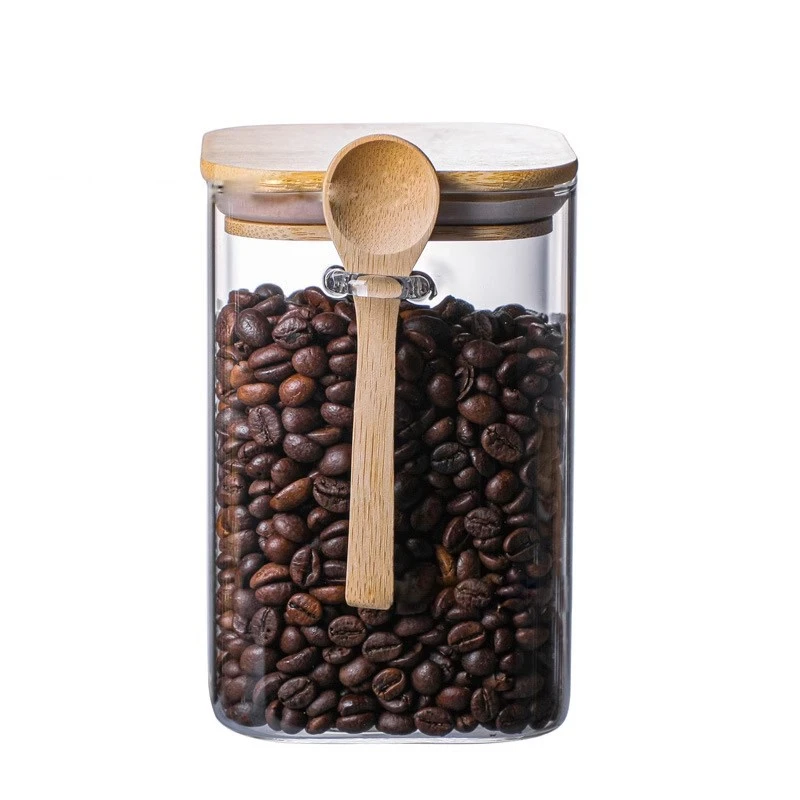
![[All Microwave Safe] High Borosilicate Glass Food Storage Container , Oven Safe without Lid, Dishwasher Safe](https://images.exportstart.com/images/a1251/squre-glass-container-with-glass-lid-518.webp "[All Microwave Safe] High Borosilicate Glass Food Storage Container , Oven Safe without Lid, Dishwasher Safe")
![[Sliding Vent PP Lid] Borosilicate Glass Food Storage Containers with Food-grade Plastic Lid, Airtight, Leak Resistant](https://images.exportstart.com/images/a1251/glass-food-storage-container-with-airtight-lid-183.webp "[Sliding Vent PP Lid] Borosilicate Glass Food Storage Containers with Food-grade Plastic Lid, Airtight, Leak Resistant")
![[Large Skylight Glass Lid] Glass Food Storage Container, Oven Safe with Lid, BPA Free, 100% Leak resistant](https://images.exportstart.com/images/a1251/glass-lid-food-storage-container-1-1-196.webp "[Large Skylight Glass Lid] Glass Food Storage Container, Oven Safe with Lid, BPA Free, 100% Leak resistant")
![[Colorful Vent PP Lid] Glass Food Storage Container, BPA Free, Leakproof, Dishwasher Safe](https://images.exportstart.com/images/a1251/002-1-639.webp "[Colorful Vent PP Lid] Glass Food Storage Container, BPA Free, Leakproof, Dishwasher Safe")
![[Color Vent PP Lid] Borosilicate Glass Food Storage Container, Leakproof, Dishwasher Safe](https://images.exportstart.com/images/a1251/1-941.webp "[Color Vent PP Lid] Borosilicate Glass Food Storage Container, Leakproof, Dishwasher Safe")
![[Vacuum AS] Food Storage Container with Pump](https://images.exportstart.com/images/a1251/7-1-397.webp "[Vacuum AS] Food Storage Container with Pump")