 TEL: +86 18903393212
 Email: tina@yintoglassware.com

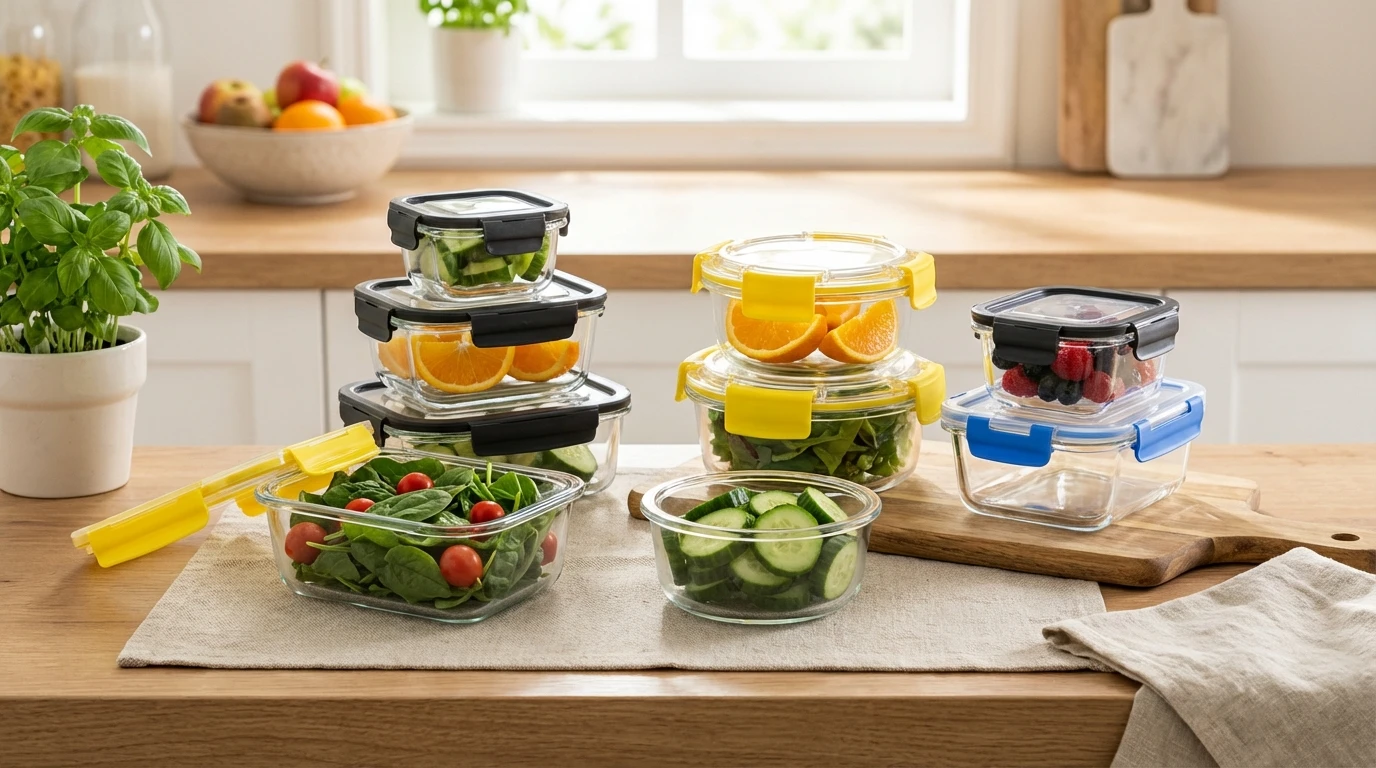
Discover the Benefits of the 20 oz Glass Water Bottle for Everyday Use
Why the 20 oz Glass Water Bottle Matters in a Sustainable World
Water bottles might seem like an everyday item, yet choosing the right one carries weight far beyond simple hydration. The 20 oz glass water bottle is steadily becoming a global favorite, not just for its neat size but for strong environmental and health benefits. As we face rising plastic pollution and a growing awareness about health impacts of materials, understanding why glass bottles like these matter could reshape our daily habits and even global supply chains.
Think about it: Plastic waste is one of the pressing global challenges today — the UN Environment Programme highlights that over 300 million tons of plastic are produced yearly, a large chunk from single-use containers. Switching to a reusable glass bottle, particularly one sized conveniently at 20 oz, is a small but powerful step in curbing this trend.
Mini takeaway: The 20 oz glass water bottle stands as a simple yet impactful tool in battling plastic pollution and promoting healthier drinking habits worldwide.
The 20 oz Glass Water Bottle: What Exactly Is It?
Simply put, a 20 oz glass water bottle is a reusable container made primarily from glass, designed to hold about 20 fluid ounces (roughly 600 ml) of water or other beverages. It is sized perfectly to be portable yet substantial, satisfying daily hydration needs without feeling bulky.
Its design roots come from an increasing demand for health-conscious alternatives to plastic bottles. Glass offers a neutral, BPA-free surface, ensuring no chemicals leach into your drink — something plastic often struggles with. On an industrial scale, these bottles fit right into sustainability initiatives, often paired with recycled packaging or refill programs.
Mini takeaway: The 20 oz glass water bottle blends health safety with practical portability, making it a staple for conscious consumers and industries alike.
Key Factors That Define a Good 20 oz Glass Water Bottle
1. Durability & Safety
Glass is surprisingly sturdy when treated right — many bottles feature borosilicate glass that resists thermal shock (think sudden hot-cold changes). This durability means fewer replacements and, frankly, less waste piling up.
2. Material Purity & Health Benefits
Glass is non-porous and inert, so it doesn't absorb odors or flavors. Drinking from glass feels pure, uncomplicated, and safe, especially compared to plastics that might carry BPA or phthalates.
3. Portability & Capacity
20 oz is sweet spot size — roughly the equivalent of two and a half cups — perfect for workouts, desk use, or carrying on short trips. Not too heavy, but enough so you’re not constantly refilling.
4. Sustainability & Recyclability
Glass can be recycled endlessly without losing quality. Unlike plastic bottles, which degrade with each recycle cycle, a glass bottle’s life can be much longer with proper care.
5. Aesthetic & Customization
Many manufacturers offer sleek designs, colored glass, or custom prints, appealing to the eco-conscious who want a bottle doubling as a style statement.
| Specification | Details |
|---|---|
| Capacity | 20 ounces (~600 ml) |
| Material | Borosilicate or Soda-lime Glass |
| Weight | Approx. 350–450 grams |
| Cap Type | Stainless Steel or Bamboo Lid with Silicone Seal |
| Insulation | Single wall (some models double wall) |
Where and How Are 20 oz Glass Water Bottles Used Globally?
From busy urban centers in Europe to remote eco-resorts in Southeast Asia, the 20 oz glass water bottle fits into an astonishing range of settings. In places like California and Scandinavia, where plastic bans are increasingly strict, these glass bottles have become a go-to refill solution.
Industrially, offices and gyms have swapped plastic bottles for stylish glass ones to support sustainability. Humanitarian groups also use glass water bottles in disaster relief kits, emphasizing reusability and health safety.
Oddly enough, they even make waves in hospitality — many boutique cafes serve drinks in these bottles, promoting zero-waste culture without compromising their brand aesthetic.
Mini takeaway: This bottle adapts easily across sectors and cultures, balancing user convenience with a global push for sustainability.
Advantages & The Lasting Impact of Switching to Glass
- Environmental Impact: Reduces plastic waste and helps decrease microplastic contamination.
- Health Safety: No chemical taste or potential toxin exposure, unlike some plastics.
- Durability: Can last years if handled carefully — better than disposable options.
- Design Appeal: Stylish yet functional, encouraging more frequent use.
- Emotional Satisfaction: Users feel good about contributing to sustainability and personal health.
What the Future Holds for the 20 oz Glass Water Bottle
Innovation often rides on sustainability trends. The near future will likely see even more eco-friendly manufacturing methods — like reducing energy use in glass production or using recycled materials exclusively.
Technologies such as smart caps that track hydration, or antimicrobial coatings, are being tested. Meanwhile, policy pushes for banning single-use plastics put pressure on industries to supply reusable glass options.
Overcoming Common Challenges Associated With Glass Bottles
Glass bottles certainly aren’t perfect. They weigh more than plastic, can break, and sometimes cost more upfront.
However, clever solutions are emerging: protective silicone sleeves, design tweaks to make bottles more ergonomic, and bulk discounts for corporations to make glass a realistic option.
Many engineers and designers emphasize education on proper handling and the long-term savings glass offers both financially and environmentally.
| Vendor | Price Range | Material Quality | Customization | Eco Certifications |
|---|---|---|---|---|
| Yinto Glassware | $$ | Borosilicate Durable |
Logo etching, Color tints |
ISO 14001 FDA Approved |
| ClearSip Co. | $$$ | Soda Lime Scratch-resistant |
Custom prints, Silicone sleeves |
BPA Free Made in USA |
| EcoHydrate | $ | Recycled Glass Standard |
Limited color options | Recycled Certified |
FAQ: Frequently Asked Questions About 20 oz Glass Water Bottles
Q1: How durable is a 20 oz glass water bottle compared to plastic?
A: While glass bottles tend to be heavier and more fragile than plastic, modern 20 oz glass bottles often use toughened borosilicate glass to improve durability. Adding silicone sleeves also helps protect against minor impacts. Many users find them sturdy enough for daily use with reasonable care.
Q2: Is the 20 oz size ideal for workout hydration?
A: Absolutely. It strikes a balance by providing enough water to stay hydrated without adding too much weight or bulk. It fits easily in most gym bags and standard cup holders — making it a top pick for active folks.
Q3: Are these glass bottles environmentally friendly?
A: Definitely. Glass can be recycled repeatedly without degrading quality, and switching from disposable plastic bottles to glass greatly reduces plastic pollution. Plus, many brands emphasize sustainable production and packaging.
Q4: Can I customize my 20 oz glass water bottle?
A: Yes. Many manufacturers, like Yinto Glassware, offer options such as logo etching, color tinting, and branded caps — ideal for businesses or personal gifts.
Q5: How do I clean and maintain a glass water bottle?
A: Glass is easy to clean with warm water and mild soap. Many 20 oz glass bottles are dishwasher safe, but hand washing extends their lifespan. Avoid using abrasive scrubbers that might scratch lids or silicone parts.
Final Thoughts + Call to Action
In real terms, switching to a 20 oz glass water bottle is a smart choice layered with benefits — environmental responsibility, health safety, and everyday convenience. Whether you’re an eco-warrior, a design lover, or just someone tired of that plastic aftertaste, it’s a bottle that fits many lives with simple elegance.
Curious to see what these bottles look and feel like? Visit our website to explore options and find your perfect glass companion: https://www.yintoglassware.com.
Here’s to drinking well, living sustainably, and feeling good doing it.
References:
-
Ultimate Guide to Choosing Big Glass Storage Containers for Every NeedNewsApr.16,2026
-
Small Glass Lunch Containers Guide for Healthy Meal PrepNewsApr.09,2026
-
Comprehensive Guide to Choosing the Best Storage Containers for Dishes and GlassesNewsApr.07,2026
-
Selecting The Optimal 300ml Food Containers For Your Business NeedsNewsApr.04,2026
-
Discover the Benefits of Durable 3 Cup Glass Food Storage ContainersNewsMar.31,2026
-
Comprehensive Guide to Choosing Superior Glass Divided Food ContainersNewsMar.28,2026
![[Extra Large with Handle] Oven Safe Glass Food Storage Container with Airtight Locking Lid & Handle, Oven Safe Dishwasher Safe](https://images.exportstart.com/images/a1251/extra-larger-glass-container-with-snap-locking-lid-164.webp "[Extra Large with Handle] Oven Safe Glass Food Storage Container with Airtight Locking Lid & Handle, Oven Safe Dishwasher Safe")
![[All Microwave Safe] High Borosilicate Glass Food Storage Container , Oven Safe without Lid, Dishwasher Safe](https://images.exportstart.com/images/a1251/squre-glass-container-with-glass-lid-518.webp "[All Microwave Safe] High Borosilicate Glass Food Storage Container , Oven Safe without Lid, Dishwasher Safe")
![[Sliding Vent PP Lid] Borosilicate Glass Food Storage Containers with Food-grade Plastic Lid, Airtight, Leak Resistant](https://images.exportstart.com/images/a1251/glass-food-storage-container-with-airtight-lid-183.webp "[Sliding Vent PP Lid] Borosilicate Glass Food Storage Containers with Food-grade Plastic Lid, Airtight, Leak Resistant")
![[Large Skylight Glass Lid] Glass Food Storage Container, Oven Safe with Lid, BPA Free, 100% Leak resistant](https://images.exportstart.com/images/a1251/glass-lid-food-storage-container-1-1-196.webp "[Large Skylight Glass Lid] Glass Food Storage Container, Oven Safe with Lid, BPA Free, 100% Leak resistant")
![[Colorful Vent PP Lid] Glass Food Storage Container, BPA Free, Leakproof, Dishwasher Safe](https://images.exportstart.com/images/a1251/002-1-639.webp "[Colorful Vent PP Lid] Glass Food Storage Container, BPA Free, Leakproof, Dishwasher Safe")
![[Color Vent PP Lid] Borosilicate Glass Food Storage Container, Leakproof, Dishwasher Safe](https://images.exportstart.com/images/a1251/1-941.webp "[Color Vent PP Lid] Borosilicate Glass Food Storage Container, Leakproof, Dishwasher Safe")
![[Vacuum AS] Food Storage Container with Pump](https://images.exportstart.com/images/a1251/7-1-397.webp "[Vacuum AS] Food Storage Container with Pump")