 TEL: +86 18903393212
 Email: tina@yintoglassware.com

Discover the Practical Benefits of Double Wall Glass Coffee Cups | Yinto Glassware
Double Wall Glass Coffee: A Global Look at Design, Functionality, and Trends
When you hear “double wall glass coffee,” you might picture a sleek, modern coffee cup—but this simple design actually represents a fascinating nexus of form, function, and sustainability. Globally, the appreciation for such glassware reflects growing consumer demand for quality, durability, and eco-friendly solutions in everyday products. Understanding double wall glass coffee isn’t just about aesthetics; it’s about how a clever engineering approach can improve your daily ritual while addressing broader concerns like energy efficiency and waste reduction.
Introduction: Global Context of Double Wall Glass Coffee
Globally, coffee consumption is both a cultural and economic giant. The International Coffee Organization estimates that over 166 million bags of coffee were consumed worldwide in 2022. Yet, ironically, our coffee drinking habits sometimes cause unnecessary waste or degradation of quality due to improper temperature control or fragile cups that shatter easily.
This is where double wall glass coffee enters the picture. As a product category, it responds to common challenges like beverage temperature retention and user safety, all while meeting rising sustainability benchmarks often championed by organizations such as the ISO (International Organization for Standardization), which promotes better quality and environmentally sound manufacturing practices.
What Is Double Wall Glass Coffee?
At its core, a double wall glass coffee cup features two layers of glass with a vacuum (or air gap) between them. This design works like a thermos by insulating heat, keeping your coffee hot longer without burning your hands. Unlike bulky thermoses, the double wall glass delivers a visually elegant drinking experience—where the coffee appears suspended in mid-air.
Oddly enough, this tech isn’t mere novelty; it links to broad industry trends seeking to minimize single-use plastics and reduce energy consumption in keeping beverages warm. For coffee shops, offices, even humanitarian aid camps, such design combines innovation with practical benefit.
Key Components of Double Wall Glass Coffee
1. Durability
Made typically from borosilicate glass, double wall coffee cups flex better under rapid temperature changes than standard glass. You’re less likely to encounter cracks or breaks — a big plus for daily users or cafes keen on longevity.
2. Thermal Insulation
The air gap between glass walls significantly slows heat transfer. This means your drink stays hotter longer, but the exterior stays cool enough to hold comfortably.
3. Aesthetic Appeal
The visual effect is pretty captivating — coffee, tea, or any drink looks suspended in space. Many users say it adds a touch of “class” to the usual sip experience.
4. Lightweight & Portable
Compared to metal or heavy ceramics, these glasses feel surprisingly light, which is handy for office use, travel, or home.
5. Eco-sustainability
Because these cups are reusable and well-made, they reduce dependency on disposable cups or liners, helping cut down landfill waste.
Product Specification Table
| Specification | Details |
|---|---|
| Material | Borosilicate Glass |
| Capacity | 150ml – 400ml |
| Thermal Insulation | Vacuum insulated/air gap design |
| Temperature range | -20°C to 150°C |
| Microwave Safe | Yes (most models) |
| Dishwasher Safe | Yes (hand wash recommended to preserve lifespan) |
Global Applications & Use Cases
More than just kitchenware, double wall glass coffee cups have found surprising niches worldwide. In trendy urban cafes across Europe and Asia, they offer an upscale experience aligned with customers’ desire for sustainable products. Meanwhile, tech offices in Silicon Valley prize these cups for their clean design and functional benefits during long coding sessions.
Oddly enough, humanitarian groups in disaster-prone zones have explored durable double wall glassware as an alternative to disposable plastic cups, reducing medical waste and enhancing hygiene—a subtle but impactful application. And then there’s the byproduct of the design in tea ceremonies and boutique coffee roasters in Japan and Australia, where ritual and craft heavily influence product choice.
Advantages & Long-Term Value
- Cost Efficiency: While initially pricier, the lifespan of double wall glass coffee cups outlasts most standard mugs.
- Sustainability: Reduce waste and dependence on single-use plastics or paper cups.
- Enhanced Experience: Insulation maintains ideal drinking temperature, enhancing flavor delivery.
- Emotional Connection: Appreciation for design can enhance comfort, safety, and perceived value.
- Branding Opportunities: For cafes and retailers, a stylish reusable cup fosters customer loyalty.
Vendor Comparison Table
| Vendor | Material Quality | Price Range | Design Variety | Sustainability Practices |
|---|---|---|---|---|
| Yinto Glassware | Premium Borosilicate | $$$ | Wide range: classic to avant-garde | ISO 14001 Certified Manufacturing |
| ClearSip | Standard Borosilicate | $$ | Limited styles, focus on function | Uses Recycled Glass |
| EcoCup Co. | Mixed materials with non-glass elements | $ | Varied, eco-inspired | Emphasis on biodegradable packaging |
Future Trends & Innovations in Double Wall Glass Coffee
What comes next? The integration of nanotechnology coatings to improve scratch resistance, or embedding sensors to monitor temperature digitally, might soon add layers of utility to double wall coffee glasses. Sustainability trends mean manufacturers are experimenting with even greener glass compositions, and smarter recycling techniques.
Digital ordering systems might soon allow consumers to choose custom-etched glasses or modular designs combining glass with sustainable wood or bamboo. The innovation pipeline is surprisingly rich, driven by rising consumer environmental awareness and tech affordability.
Challenges & Solutions
Of course, there are drawbacks. The main one is fragility despite high-quality borosilicate — accidents happen. Production costs remain higher than plastic or ceramic alternatives, causing price sensitivity among some buyers.
Innovative protective silicone sleeves or eco-friendly case designs are partial solutions in play, used by brands like Yinto Glassware. Also, improving automated glass manufacturing helps lower costs without sacrificing quality. I suppose it’s a balance between craft and scale.
FAQ: Common Questions About Double Wall Glass Coffee
- 1. Is double wall glass coffee safe for hot beverages?
- Absolutely. The double wall design insulates heat, protecting your hands from burns while keeping your coffee hot. The borosilicate glass used is designed to withstand rapid temperature changes.
- 2. How do I clean my double wall coffee glass?
- Most models are dishwasher safe, but hand washing is recommended to preserve longevity. Avoid abrasive detergents or sudden temperature shocks to prevent damage.
- 3. Can I use double wall glass coffee cups in microwave ovens?
- Yes, typically these glasses handle microwave temperatures well. Still, always verify specific product instructions to be safe.
- 4. Are these cups environmentally friendly?
- In general, yes. They’re reusable and reduce the need for disposable cups. Moreover, many vendors source materials sustainably and follow ISO environmental guidelines.
Conclusion & Call to Action
Double wall glass coffee cups elegantly combine modern science with everyday joy, providing warmer drinks, stylish aesthetics, and a more sustainable footprint. Whether you’re a home barista, a café owner, or a distributor, it’s worth exploring how these cups can elevate your coffee experience and reduce waste.
Discover more about innovative designs and place your order at double wall glass coffee.
Mini takeaway: Double wall glass coffee cups are more than trendy—they're a practical, sustainable innovation that’s quietly changing how the world enjoys a simple cup of coffee.
References
-
Ultimate Guide to Choosing Big Glass Storage Containers for Every NeedNewsApr.16,2026
-
Small Glass Lunch Containers Guide for Healthy Meal PrepNewsApr.09,2026
-
Comprehensive Guide to Choosing the Best Storage Containers for Dishes and GlassesNewsApr.07,2026
-
Selecting The Optimal 300ml Food Containers For Your Business NeedsNewsApr.04,2026
-
Discover the Benefits of Durable 3 Cup Glass Food Storage ContainersNewsMar.31,2026
-
Comprehensive Guide to Choosing Superior Glass Divided Food ContainersNewsMar.28,2026
![[Extra Large with Handle] Oven Safe Glass Food Storage Container with Airtight Locking Lid & Handle, Oven Safe Dishwasher Safe](https://images.exportstart.com/images/a1251/extra-larger-glass-container-with-snap-locking-lid-164.webp "[Extra Large with Handle] Oven Safe Glass Food Storage Container with Airtight Locking Lid & Handle, Oven Safe Dishwasher Safe")
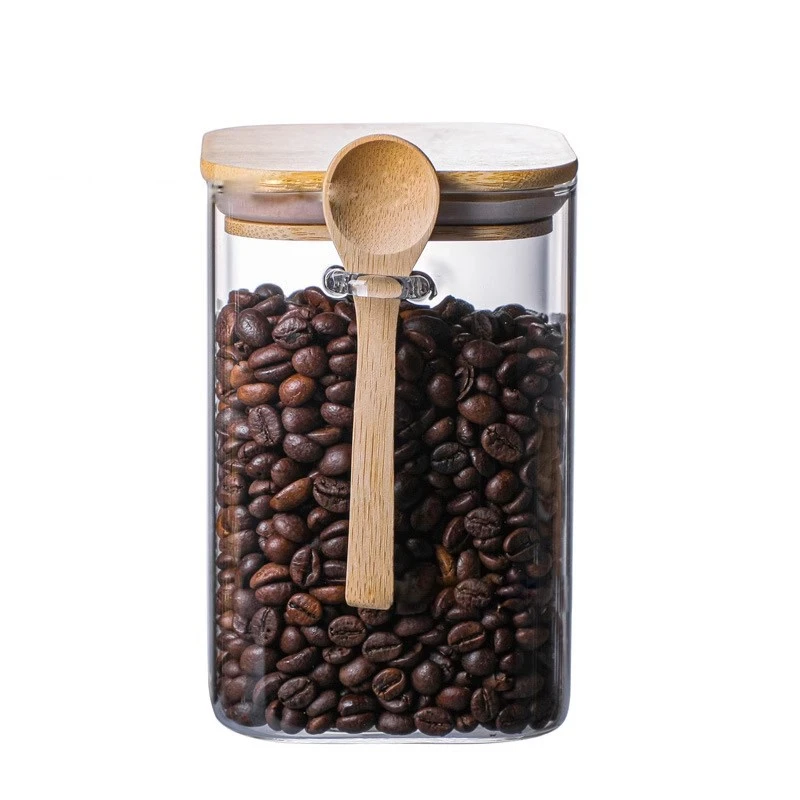
![[All Microwave Safe] High Borosilicate Glass Food Storage Container , Oven Safe without Lid, Dishwasher Safe](https://images.exportstart.com/images/a1251/squre-glass-container-with-glass-lid-518.webp "[All Microwave Safe] High Borosilicate Glass Food Storage Container , Oven Safe without Lid, Dishwasher Safe")
![[Sliding Vent PP Lid] Borosilicate Glass Food Storage Containers with Food-grade Plastic Lid, Airtight, Leak Resistant](https://images.exportstart.com/images/a1251/glass-food-storage-container-with-airtight-lid-183.webp "[Sliding Vent PP Lid] Borosilicate Glass Food Storage Containers with Food-grade Plastic Lid, Airtight, Leak Resistant")
![[Large Skylight Glass Lid] Glass Food Storage Container, Oven Safe with Lid, BPA Free, 100% Leak resistant](https://images.exportstart.com/images/a1251/glass-lid-food-storage-container-1-1-196.webp "[Large Skylight Glass Lid] Glass Food Storage Container, Oven Safe with Lid, BPA Free, 100% Leak resistant")
![[Colorful Vent PP Lid] Glass Food Storage Container, BPA Free, Leakproof, Dishwasher Safe](https://images.exportstart.com/images/a1251/002-1-639.webp "[Colorful Vent PP Lid] Glass Food Storage Container, BPA Free, Leakproof, Dishwasher Safe")
![[Color Vent PP Lid] Borosilicate Glass Food Storage Container, Leakproof, Dishwasher Safe](https://images.exportstart.com/images/a1251/1-941.webp "[Color Vent PP Lid] Borosilicate Glass Food Storage Container, Leakproof, Dishwasher Safe")
![[Vacuum AS] Food Storage Container with Pump](https://images.exportstart.com/images/a1251/7-1-397.webp "[Vacuum AS] Food Storage Container with Pump")