 TEL: +86 18903393212
 Email: tina@yintoglassware.com

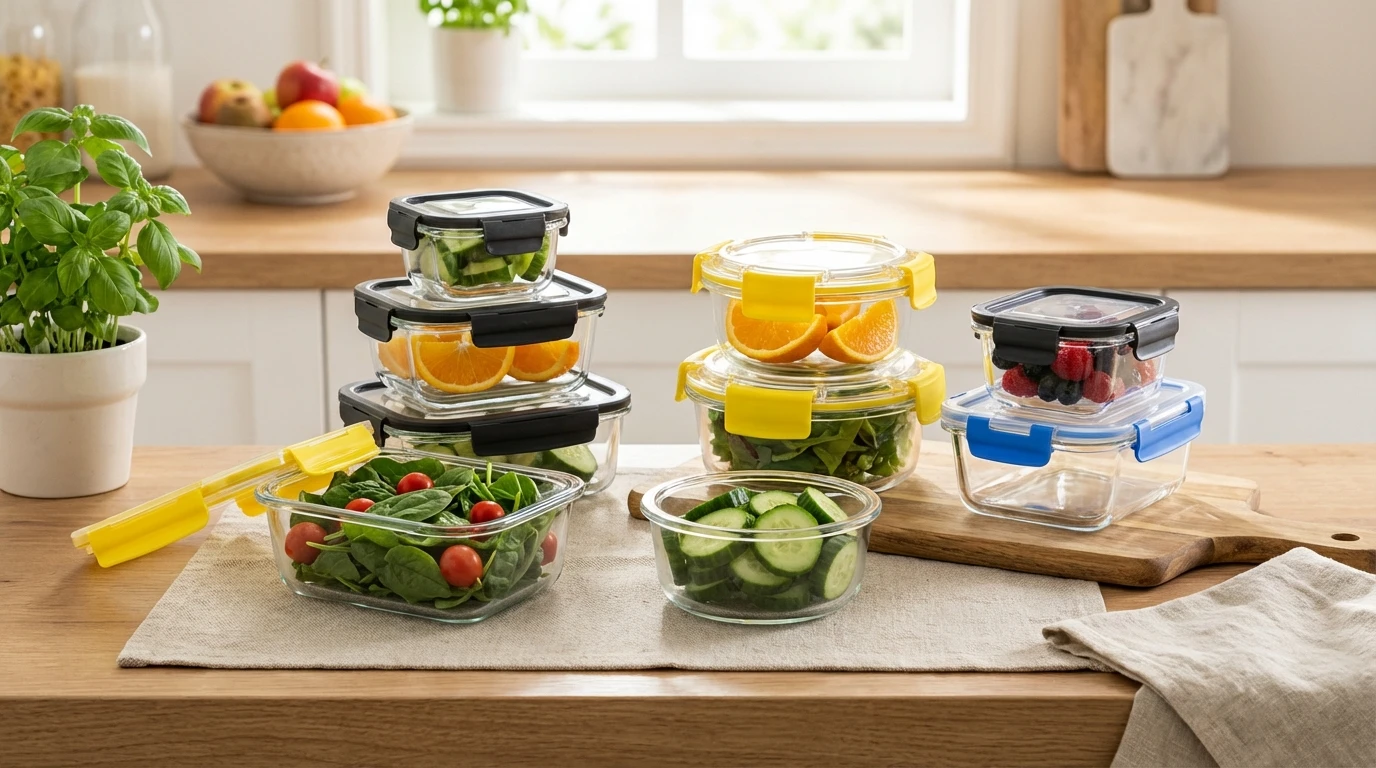
Double Walled Glasses: Benefits, Innovation & Global Use Explained
Understanding Double Walled Glasses: Design, Benefits, and Global Impact
If you've ever held a cup that stayed comfortably cool or warm in your hand while keeping the contents just right, you may have experienced the magic of double walled glasses. These elegantly engineered drinkware pieces are more than just pretty containers; they embody innovation addressing practical needs worldwide. In a world increasingly conscious of sustainability, comfort, and style, understanding double walled glasses opens doors to smarter consumption and manufacturing.
Introduction: Why Double Walled Glasses Matter Globally
Globally, the market for specialized drinkware is soaring. According to the International Organization for Standardization (ISO), demand for insulated and double layered glassware grows annually by roughly 6%, driven by lifestyle changes and a surge in specialty cafes worldwide. The rise in awareness around energy conservation, thermal efficiency, and user experience puts double walled glasses center stage. In practical terms, these glasses tackle familiar problems—like hot beverages burning hands or cold drinks sweating on tabletops—that manufacturers and consumers alike want solved.
At the same time, hospitality industries across continents report better customer satisfaction and reduced wastage when using double walled designs. Even in developing regions, where access to insulated containers can be limited, these glasses help improve food safety by maintaining temperatures naturally—no power needed.
What Exactly Are Double Walled Glasses?
In the simplest terms, double walled glasses feature two layers of glass separated by a small gap, frequently hermetically sealed, often filled with air or vacuum. This design works like a thermal barrier, dramatically reducing heat transfer between the inside liquid and the outside environment.
This technology isn’t new but has evolved with modern industry needs. It links to broader approaches in insulation and efficient material use, reflecting a commitment to sustainable design. Double walled glassware sits at the intersection of everyday convenience and engineering innovation, playing a subtle but important role in lifestyle and even humanitarian contexts.
Key Features & Core Components of Double Walled Glasses
1. Thermal Insulation
The air or vacuum pocket between the two walls acts as an insulator, keeping hot drinks hot and cold drinks cold far longer than conventional glass cups.
2. Durability
Manufactured from borosilicate or tempered glass, these glasses resist thermal shock and cracking — a big plus in places with fluctuating temperatures.
3. Aesthetic Design
Thanks to the separation, the floating effect of liquids inside the glass offers a visually appealing experience, adding value beyond function.
4. Lightweight Construction
Despite the double layers, many models manage to keep a surprisingly light profile, making them comfortable to hold and easy to carry.
5. Safety
No condensation forms on the outer surface, preventing slippery rings on furniture and reducing the risk of spills or accidents.
Mini takeaway:
Double walled glasses combine careful material choice and smart physical principles to offer comfort, reliability, and style in one package.
How Double Walled Glasses Are Used Worldwide
- Hospitality and Cafés: Specialty coffee shops from Milan to Melbourne use these glasses to elevate customer appeal and reduce waste from insulating sleeves.
- Office and Corporate Settings: Energy-conscious companies replace disposable cups with double walled glasses for better sustainability.
- Households: Everyday consumers enjoy their practicality – whether for morning tea or iced summer drinks.
- Humanitarian Aid: Interestingly, organizations working in disaster zones use insulated glassware to improve nutrition safety, as they maintain beverage temperatures without electric heating methods.
For example, in cold climates of Northern Europe and certain parts of Asia, double walled glasses reduce heat loss drastically, bringing comfort during long, cold winters. In warmer climates, they prevent condensation, protecting furniture and improving hygiene. This diversity of use makes them a staple across cultures.
Advantages and Long-Term Value
There’s a lot packed into these simple glasses:
- Cost Efficiency: Long-lasting durability reduces replacement frequency compared to plastic or single-layer glasses.
- Environmental Impact: Reusable, recyclable, and energy-saving in use.
- Emotional and Social Value: They feel premium, enhancing user experience and trust—qualities businesses desire.
- Safety and Hygiene: Eliminating external condensation enhances cleanliness and reduces risk of slips.
Product Specification Snapshot
| Feature | Specification |
|---|---|
| Material | Borosilicate Glass |
| Capacity | 200 ml to 450 ml |
| Thermal Retention | Up to 1 hour hot / 2 hours cold |
| Weight | 80 to 140 grams |
| Dishwasher Safe | Yes |
Vendor Comparison in Double Walled Glass Market
| Vendor | Price Range | Material Quality | Customization | Eco-Friendliness |
|---|---|---|---|---|
| Yinto Glassware | $$$ | High-grade borosilicate | Logo & color options | Recyclable & reusable |
| Brand A | $$ | Tempered glass | Limited | Partially recyclable |
| Brand B | $ | Basic glass | None | Limited |
Emerging Trends and Innovations
Frankly, the future looks bright for double walled glasses. Advances in glass production techniques introduce thinner, stronger borosilicate layers. Some manufacturers are exploring vacuum insulation instead of air gaps, mimicking thermos technology for even better retention.
Sustainability is now front and center. Some producers experiment with recycled glass and bio-based coatings. Digital transformation suggests the potential for smart glasses with embedded sensors monitoring temperature or liquid levels. Plus, automation in manufacturing keeps costs down without sacrificing craftsmanship.
Challenges & Overcoming Them
Of course, double walled glasses aren’t perfect. Their fragile nature compared to plastic alternatives can worry some users, especially in high-traffic commercial settings. Production costs remain higher, too. But experience shows that careful material selection, improved manufacturing precision, and thoughtful design mitigate these issues.
Interesting innovative approaches include combining glass with silicone sleeves for impact protection and designing stackable versions to save transport space. You might also see modular designs appearing soon.
FAQ: Common Questions About Double Walled Glasses
- Q: How do double walled glasses keep drinks hot without burning my hands?
A: Because the two glass layers trap air between them, heat transfer slows considerably, so the outer wall remains close to room temperature — safe and comfortable to hold. - Q: Are double walled glasses dishwasher safe?
A: Most high-quality double walled glasses, especially those made of borosilicate glass, are dishwasher safe. However, to prolong lifespan, handwashing is often recommended. - Q: Can the gap between walls break or leak?
A: The gap is hermetically sealed during manufacturing. If the seal breaks, the insulating effect can diminish, but such failures are rare with reputable brands. - Q: Are these glasses expensive compared to normal glassware?
A: They do tend to cost more upfront due to complex manufacturing. However, longevity and enhanced user experience often justify the investment.
Wrapping Up
In real terms, double walled glasses embody thoughtful design meeting modern needs. They balance aesthetics, safety, and sustainability — qualities increasingly vital in today’s marketplace. Whether for a cozy morning coffee or a bustling café front, they offer a tangible, daily upgrade people appreciate. Frankly, diving into the world of double walled glasses shows how even the simplest objects can blend art and science in meaningful ways.
If you want to explore a range of top-quality options or customize your own, check out Yinto Glassware and see how innovation meets tradition.
Key takeaway: Using double walled glasses not only enhances your drinking experience but also contributes to global sustainability efforts and quality standards improvement.
-
Ultimate Guide to Choosing Big Glass Storage Containers for Every NeedNewsApr.16,2026
-
Small Glass Lunch Containers Guide for Healthy Meal PrepNewsApr.09,2026
-
Comprehensive Guide to Choosing the Best Storage Containers for Dishes and GlassesNewsApr.07,2026
-
Selecting The Optimal 300ml Food Containers For Your Business NeedsNewsApr.04,2026
-
Discover the Benefits of Durable 3 Cup Glass Food Storage ContainersNewsMar.31,2026
-
Comprehensive Guide to Choosing Superior Glass Divided Food ContainersNewsMar.28,2026
![[Extra Large with Handle] Oven Safe Glass Food Storage Container with Airtight Locking Lid & Handle, Oven Safe Dishwasher Safe](https://images.exportstart.com/images/a1251/extra-larger-glass-container-with-snap-locking-lid-164.webp "[Extra Large with Handle] Oven Safe Glass Food Storage Container with Airtight Locking Lid & Handle, Oven Safe Dishwasher Safe")
![[All Microwave Safe] High Borosilicate Glass Food Storage Container , Oven Safe without Lid, Dishwasher Safe](https://images.exportstart.com/images/a1251/squre-glass-container-with-glass-lid-518.webp "[All Microwave Safe] High Borosilicate Glass Food Storage Container , Oven Safe without Lid, Dishwasher Safe")
![[Sliding Vent PP Lid] Borosilicate Glass Food Storage Containers with Food-grade Plastic Lid, Airtight, Leak Resistant](https://images.exportstart.com/images/a1251/glass-food-storage-container-with-airtight-lid-183.webp "[Sliding Vent PP Lid] Borosilicate Glass Food Storage Containers with Food-grade Plastic Lid, Airtight, Leak Resistant")
![[Large Skylight Glass Lid] Glass Food Storage Container, Oven Safe with Lid, BPA Free, 100% Leak resistant](https://images.exportstart.com/images/a1251/glass-lid-food-storage-container-1-1-196.webp "[Large Skylight Glass Lid] Glass Food Storage Container, Oven Safe with Lid, BPA Free, 100% Leak resistant")
![[Colorful Vent PP Lid] Glass Food Storage Container, BPA Free, Leakproof, Dishwasher Safe](https://images.exportstart.com/images/a1251/002-1-639.webp "[Colorful Vent PP Lid] Glass Food Storage Container, BPA Free, Leakproof, Dishwasher Safe")
![[Color Vent PP Lid] Borosilicate Glass Food Storage Container, Leakproof, Dishwasher Safe](https://images.exportstart.com/images/a1251/1-941.webp "[Color Vent PP Lid] Borosilicate Glass Food Storage Container, Leakproof, Dishwasher Safe")
![[Vacuum AS] Food Storage Container with Pump](https://images.exportstart.com/images/a1251/7-1-397.webp "[Vacuum AS] Food Storage Container with Pump")