 TEL: +86 18903393212
 Email: tina@yintoglassware.com

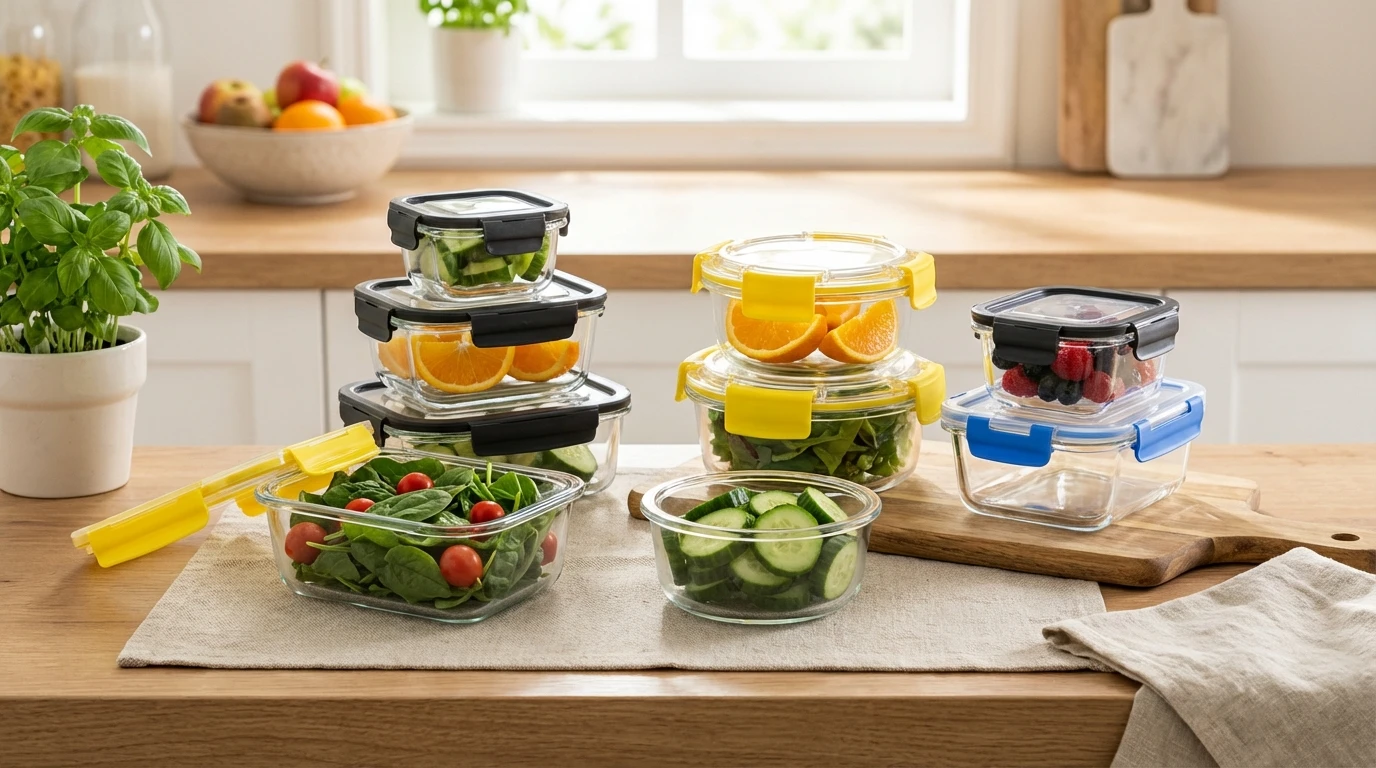
Durable 1 Liter Drinking Glass – Versatile, Sustainable, and Customizable
The Unsung Hero: Why the 1 Liter Drinking Glass Still Matters Globally
At first glance, a 1 liter drinking glass might seem like a simple, everyday item, barely worth a second thought. But when you pause and consider it — especially from an industry or humanitarian standpoint — its global significance becomes clear. This is not just about satisfying a thirsty moment; it’s about durability, cultural connection, and even sustainable resource use. As our world evolves toward more eco-conscious and efficient consumption habits, understanding what makes the 1 liter drinking glass tick can unlock better solutions for industries, relief organizations, and even your local café.
Quick takeaway:
- The 1 liter drinking glass is more than a vessel—it's a symbol of utility, tradition, and sustainability worldwide.
- Its design balances capacity, material resilience, and cultural compatibility.
- Used across industries, from hospitality to disaster zones, it represents both functionality and socially conscious design.
Introduction: Global Context of the 1 Liter Drinking Glass
Historically, glassware has mirrored shifting social and economic patterns. The humble 1 liter glass fits right into this narrative, with a noteworthy presence in Europe, Asia, and parts of Africa. Interestingly, reports from the International Organization for Standardization (ISO) note a steady rise in demand for larger-capacity reusable drinkware as consumers move away from single-use plastics. Globally, this trend supports not just improved hydration but aligns with UN sustainability goals by reducing plastic waste (UN SDG 12, Responsible Consumption).
Yet, challenges abound: manufacturing consistency, breakage during shipment, and cultural preferences sometimes complicate the straightforward cup design's universal appeal. Frankly, making a glass that’s big, durable, but still approachable isn’t as trivial as it sounds.
Quick takeaway:
- 1 liter drinking glasses are growing in global demand, paralleling environmental concerns.
- International standards help regulate quality but local preferences still play a large role.
What Exactly is a 1 Liter Drinking Glass?
A 1 liter drinking glass refers to a single drinking vessel designed to comfortably hold one liter (about 33.8 fluid ounces) of liquid. Unlike typical tumblers or mugs, these glasses usually come with reinforced rims and sturdy bases to handle substantial volume and frequent use. They might be crafted from tempered glass, borosilicate, or even certain durable plastics, although glass remains preferred due to its non-reactive properties.
In practical terms, these glasses serve the needs of communal drinking, measurement consistency in bars and kitchens, and emergency water distribution points where large volume servings are key.
Quick takeaway:
- 1 liter drinking glasses are designed for large liquid volumes without sacrificing ease of use.
- They connect traditional craftsmanship with modern industrial needs.
Key Factors That Define Quality and Usability
Durability & Material Strength
Durability is king when it comes to drafts or commercial establishments. Many engineers note that tempered glass or borosilicate blends provide robust fracture resistance. Oddly enough, the thicker walls necessary for 1-liter capacity add weight but enhance shock absorption.
Ergonomics & Handling
Big glasses mean big hands, right? Not necessarily. The best designs incorporate slight tapers or finger grips. This thoughtful ergonomics reduces spillage, something bartenders rave about during busy hours.
Transparency & Visual Appeal
Clear glass offers a sensory experience—the color of a craft beer or the fizz of soda shows beautifully. For hospitality sectors, presentation is part of the experience.
Cost Efficiency & Scalability
From production lines in Europe to factories in Asia, economies of scale greatly influence pricing. Bulk manufacturing can drop costs by up to 40%, a crucial factor for NGOs sourcing durable drinkware en masse.
Environmental Impact
Glass is 100% recyclable without loss of quality, hence a preferred choice over plastics. As sustainability tightens its grip globally, many companies embrace the longevity and recyclability of glass.
Quick takeaway:
- Durability and ergonomics make or break the 1 liter drinking glass’s practical success.
- Visual aesthetics can influence consumer and organizational preference.
- Environmentally, glass stands out as a recyclable and sustainable solution.
Global Applications & Real-World Use Cases
Whether it’s a bustling beer hall in Germany or a field hospital in Kenya, 1 liter drinking glasses have their place. Here are a few typical contexts:
- Hospitality Industry: Popular in beer-centric cultures where serving a "Mass" (1 liter) beer is tradition.
- Humanitarian Aid: Organizations often distribute potable water in large-volume glasses during emergencies—being robust and easy to clean matters here.
- Industrial Zones: Workers often require substantial hydration; these glasses, shared in canteens, reduce single-use waste.
- Household Use: Especially common in families that prefer larger servings for health and convenience.
The vast cross-industry demand ensures continual innovation and production refinement.
Quick takeaway:
- 1 liter glasses suit cultural traditions and practical uses worldwide.
- They’re valuable in both commercial and humanitarian contexts.
Advantages & Long-Term Value of Choosing 1 Liter Drinking Glasses
Multiple benefits justify the investment in quality 1 liter drinkware:
- Cost Savings: Reusable glass reduces frequent replacements and waste disposal fees.
- Sustainability: Recycling potential and reduced plastic usage fulfill corporate social responsibility goals.
- Safety & Hygiene: Non-porous glass resists staining and doesn’t harbor bacteria like some plastic alternatives.
- Emotional Satisfaction: Many users feel a connection to heritage and tradition when using classic glassware.
- Reliability: Glass tolerates hot and cold liquids better than many plastics, reducing breakage risks from temperature changes.
Quick takeaway:
- Durability, sustainability, and emotional resonance make these glasses valuable long-term.
- They combine logical efficiencies with human experience.
Looking Ahead: Innovations and Future Trends
The 1 liter drinking glass market is quietly embracing new technologies:
- Smart Glass: Embedded sensors that measure liquid temperature or hydration reminders (still niche but promising).
- Eco-friendly Coatings: To further increase glass durability and reduce cleaning efforts without harsh chemicals.
- Lightweight Borosilicate Blends: Easier to handle without sacrificing strength.
- Customization: Laser etching and branding are growing trends, especially in hospitality marketing.
Quick takeaway:
- Glass innovation quietly merges tradition and smart tech.
- Sustainability remains the guiding principle for future improvements.
Common Challenges and Practical Solutions
Despite its many strengths, the 1 liter drinking glass faces a few hurdles:
- Fragility: Breakage during shipping or use remains a top concern. Protective packaging and tempered glass are usual fixes.
- Weight: Some users find large glasses heavy. Innovations in borosilicate and design ergonomics help offset this.
- Cultural Barriers: Not all markets prefer large serving sizes; modifications and miniaturized options sometimes complement the 1 liter.
- Pricing: High-quality materials cost more, but bulk orders and refined supply chains can ease this pressure.
Quick takeaway:
- Packaging, design refinement, and market adaptation remain key challenges.
- Smart sourcing and innovation help overcome these hurdles effectively.
Specification Table: Typical 1 Liter Drinking Glass
| Feature | Specification |
|---|---|
| Capacity | 1 Liter (33.8 fl oz) |
| Material | Tempered glass or borosilicate |
| Height | Approx. 160-180 mm (6.3-7 in) |
| Diameter | Approx. 90-100 mm (3.5-3.9 in) |
| Weight | ~400-600 g (14-21 oz) |
| Resistant To | Heat, mild impacts, dishwasher safe |
Vendor Comparison: Leading 1 Liter Drinking Glass Suppliers
| Supplier | Materials | Minimum Order | Customization Options | Typical Lead Time | Price per Unit (USD) |
|---|---|---|---|---|---|
| Yinto Glassware | Tempered & Borosilicate | 500 pcs | Laser etching, color tint | 3-4 weeks | $1.50 - $2.20 |
| EuroGlass Ltd. | Tempered Glass | 1000 pcs | Screen printing only | 4-5 weeks | $1.85 - $2.50 |
| AsiaDrinkware Co. | Borosilicate | 2000 pcs | None | 2-3 weeks | $1.20 - $1.80 |
FAQ: Common Questions About 1 Liter Drinking Glasses
Q1: Are 1 liter drinking glasses dishwasher safe?
Most high-quality 1 liter drinking glasses made from tempered or borosilicate glass are dishwasher safe. However, it’s best to check manufacturer guidelines because repeated exposure to high heat and harsh detergents can eventually affect surface gloss or lead to micro-cracks. When in doubt, hand washing preserves longevity.
Q2: How durable are 1 liter glasses compared to plastic alternatives?
While heavier and more prone to shattering if dropped, tempered glass glasses tend to last longer under normal use and do not absorb odors or stains like plastic. Overall, glass offers better hygiene and environmental benefits despite fragility.
Q3: Can these glasses be customized for branding?
Absolutely. Many suppliers, including Yinto Glassware, offer options like laser etching and color tinting to add logos or personalized designs—ideal for restaurants, breweries, or corporate gifts.
Q4: Are 1 liter drinking glasses practical for everyday use?
For many, yes. Especially in homes or venues where large servings are common, these glasses reduce refills and add to the experience. But in some cultures, smaller drink sizes still dominate, so it depends on local preference.
Conclusion: The Quiet Confidence of a 1 Liter Drinking Glass
So, the next time you see a 1 liter drinking glass, you might appreciate it just a bit more. It’s a blend of design, culture, and sustainability that quietly supports hydration needs worldwide. For industries or humanitarian groups seeking dependable drinkware, these glasses strike a rare balance of tradition and innovation.
Interested in bulk orders or custom branding? Visit our website: https://www.yintoglassware.com to explore options that could perfectly fit your requirements.
References
-
Ultimate Guide to Choosing Big Glass Storage Containers for Every NeedNewsApr.16,2026
-
Small Glass Lunch Containers Guide for Healthy Meal PrepNewsApr.09,2026
-
Comprehensive Guide to Choosing the Best Storage Containers for Dishes and GlassesNewsApr.07,2026
-
Selecting The Optimal 300ml Food Containers For Your Business NeedsNewsApr.04,2026
-
Discover the Benefits of Durable 3 Cup Glass Food Storage ContainersNewsMar.31,2026
-
Comprehensive Guide to Choosing Superior Glass Divided Food ContainersNewsMar.28,2026
![[Extra Large with Handle] Oven Safe Glass Food Storage Container with Airtight Locking Lid & Handle, Oven Safe Dishwasher Safe](https://images.exportstart.com/images/a1251/extra-larger-glass-container-with-snap-locking-lid-164.webp "[Extra Large with Handle] Oven Safe Glass Food Storage Container with Airtight Locking Lid & Handle, Oven Safe Dishwasher Safe")
![[All Microwave Safe] High Borosilicate Glass Food Storage Container , Oven Safe without Lid, Dishwasher Safe](https://images.exportstart.com/images/a1251/squre-glass-container-with-glass-lid-518.webp "[All Microwave Safe] High Borosilicate Glass Food Storage Container , Oven Safe without Lid, Dishwasher Safe")
![[Sliding Vent PP Lid] Borosilicate Glass Food Storage Containers with Food-grade Plastic Lid, Airtight, Leak Resistant](https://images.exportstart.com/images/a1251/glass-food-storage-container-with-airtight-lid-183.webp "[Sliding Vent PP Lid] Borosilicate Glass Food Storage Containers with Food-grade Plastic Lid, Airtight, Leak Resistant")
![[Large Skylight Glass Lid] Glass Food Storage Container, Oven Safe with Lid, BPA Free, 100% Leak resistant](https://images.exportstart.com/images/a1251/glass-lid-food-storage-container-1-1-196.webp "[Large Skylight Glass Lid] Glass Food Storage Container, Oven Safe with Lid, BPA Free, 100% Leak resistant")
![[Colorful Vent PP Lid] Glass Food Storage Container, BPA Free, Leakproof, Dishwasher Safe](https://images.exportstart.com/images/a1251/002-1-639.webp "[Colorful Vent PP Lid] Glass Food Storage Container, BPA Free, Leakproof, Dishwasher Safe")
![[Color Vent PP Lid] Borosilicate Glass Food Storage Container, Leakproof, Dishwasher Safe](https://images.exportstart.com/images/a1251/1-941.webp "[Color Vent PP Lid] Borosilicate Glass Food Storage Container, Leakproof, Dishwasher Safe")
![[Vacuum AS] Food Storage Container with Pump](https://images.exportstart.com/images/a1251/7-1-397.webp "[Vacuum AS] Food Storage Container with Pump")