 TEL: +86 18903393212
 Email: tina@yintoglassware.com

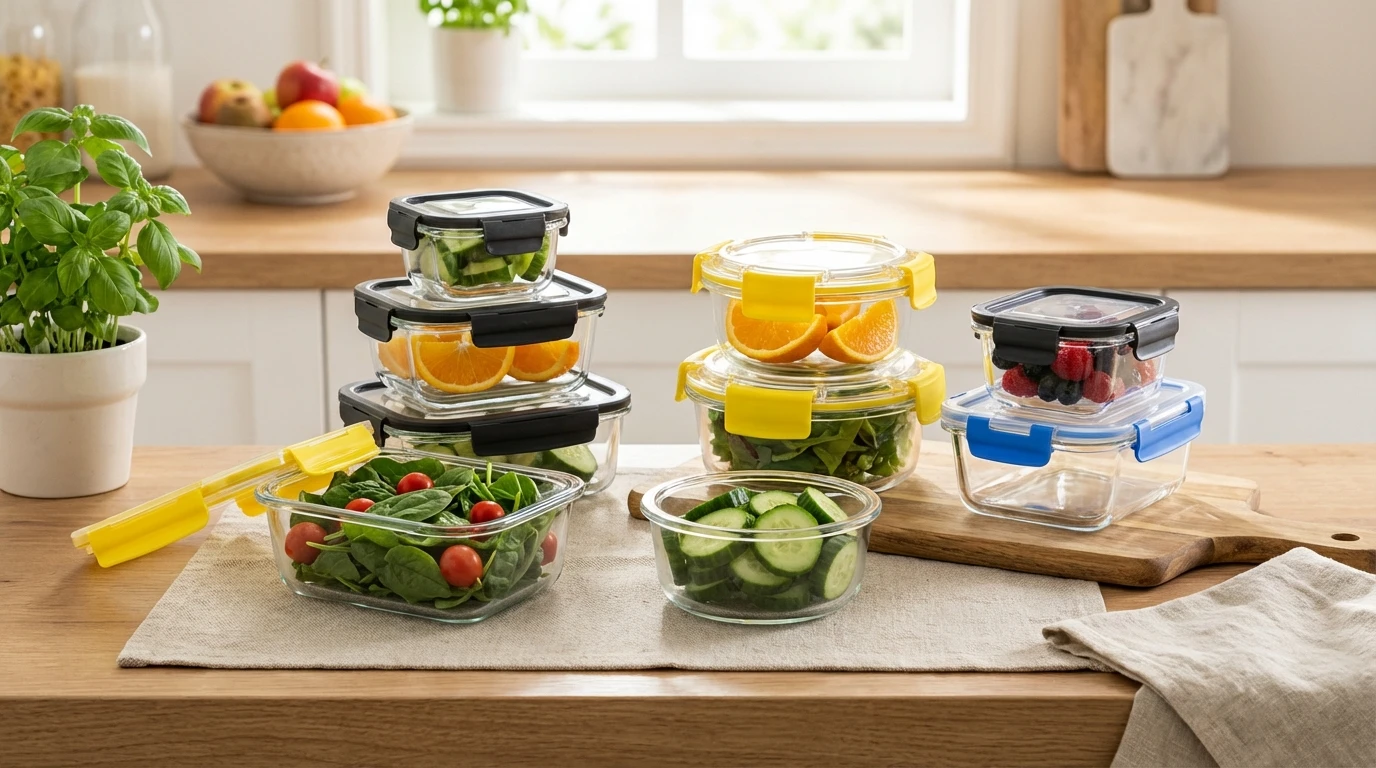
Durable and Sustainable Glass Water Bottles with Metal Lids | Yinto Glassware
Understanding the Glass Water Bottle with Metal Lid: A Sustainable Hydration Solution
In today’s eco-conscious world, the glass water bottle with metal lid has quietly become a symbol of responsible hydration. From reducing plastic waste to offering a durable, reusable alternative, these bottles matter—not just to individuals but globally. Their appeal lies not only in aesthetics but in tangible benefits for health, environment, and industry.
Why focus on something as seemingly simple as a water bottle? Well, the daily consumption of single-use plastic bottles accounts for millions of tons of waste annually, causing pollution, wildlife harm, and resource depletion. As the UN Environment Programme highlights, over 300 million tons of plastic are produced every year, with plastic bottles making up a notable share. The glass water bottle with metal lid addresses these issues by combining sustainability with practical design enhancements.
Introduction: The Global Context of Sustainable Bottling
The global market for reusable water bottles is booming. Forecasts from industry analysts suggest a CAGR (Compound Annual Growth Rate) of nearly 5% through the next five years. The surge is propelled by growing environmental awareness and regulations limiting single-use plastics—as well as consumer demand for safer, more stylish containers.
Despite progress, challenges remain. Many reusable bottles, especially those made with plastic, carry concerns around health (BPA exposure) or durability. The glass water bottle with metal lid steps in as a compelling alternative, offering purity of material and enhanced safety, plus a clean, modern look that suits both casual users and professional environments.
Defining the Glass Water Bottle with Metal Lid
So what exactly is a glass water bottle with metal lid? At its essence, it’s a container made from food-grade glass designed to safely hold drinking water, topped with a lid generally crafted from stainless steel or aluminum. The metal lid ensures a hermetic seal while minimizing chemical leaching risk common in plastics.
These bottles bridge modern industrial design with humanitarian needs—think clean water storage solutions in disaster relief scenarios or corporate wellness programs promoting reusable alternatives. Their transparency allows users to monitor water quality visually, while the metal cap doubles as a durable, reusable closure.
Core Components of Glass Water Bottles with Metal Lids
Durability and Safety
Though glass is fragile compared to plastic, many bottles use borosilicate glass, which resists thermal shock and breakage to some extent. Coupled with a protective silicone sleeve and a sturdy metal lid, this design improves longevity while maintaining a pure water taste.
Seal Integrity and Hygiene
The metal lid’s threading and gasket ensure a leak-proof seal that’s easy to clean. Stainless steel is also corrosion-resistant and doesn't impart flavors or pollutants, crucial for long-term safe hydration.
Design and Ergonomics
Many brands focus on user-friendly features like ergonomically shaped bottles for grip, wide mouths for ice cubes or cleaning, and sleek minimalistic aesthetics that appeal broadly—office, gym, outdoor.
Sustainability and Recyclability
Both glass and metal are highly recyclable materials, making these bottles a boon for circular economy initiatives. Glass doesn’t degrade over time like plastic, helping keep water pure without chemical breakdown.
Customization and Branding
Businesses and NGOs often seek customized glass bottles with metal lids printed with logos or messages. This personalization supports brand identity while encouraging sustainable habits.
| Feature | Details |
|---|---|
| Material (Body) | Borosilicate or Soda-lime Glass |
| Lid Material | Stainless Steel (Food Grade 304 or 316) |
| Capacity | 350ml to 1000ml typical |
| Seal Type | Silicone gasket for leak-proof seal |
| Additional Features | Silicone sleeve, wide mouth, ergonomic shape |
Global Applications & Use Cases
The glass water bottle with metal lid finds favor across many arenas:
- Corporate Wellness Programs: Encouraging employees to ditch plastic for durable, safer bottles.
- Hospitality and Events: Upscale hotels and conference venues adopting eco-friendly products.
- Humanitarian Relief: Glass bottles with metal lids can safely store potable water for displaced populations, where purity and durability are crucial.
- Outdoor Recreation: Campers and hikers appreciate the chemical-free freshness and toughness when paired with protective sleeves.
For example, NGOs operating in Southeast Asia have incorporated glass bottles with metal lids in hydration kits, appreciating their recyclable nature and absence of plastic contaminants. Likewise, European companies feature them as premium corporate gifts, blending utility with sustainability.
Advantages & Long-Term Value
It’s easy to appreciate the benefits once you unpack them:
- Health Safety: No harmful leaching, unlike many plastics.
- Environmental Impact: Reduced plastic waste, recyclable components.
- Economic Value: Longevity means fewer replacements, saving money in the long run.
- Aesthetic Appeal & User Experience: Clear glass showcases purity; metal lids add durability and style.
- Emotional Connection: Owning a sustainable bottle can inspire mindfulness and daily eco-friendly choices.
Future Trends & Innovations
Looking ahead, innovations around the glass water bottle with metal lid are multifaceted. One exciting area is incorporating smart sensors in metal lids that track hydration levels or water quality—a nod to the digital transformation sweeping health products.
On the materials front, some vendors experiment with lightweight, corrosion-resistant titanium lids, and coatings that make glass shatterproof. Plus, companies are exploring cradle-to-cradle designs emphasizing full recyclability.
Policy-wise, increasing bans on disposable plastics worldwide and corporate sustainability commitments promise to keep demand rising for glass bottles with metal lids that combine durability and environmental responsibility.
Challenges & Solutions
That said, challenges exist. Glass, inherently breakable, sometimes hinders adoption in high-impact settings or among kids. Shipping costs for fragile products also raise concerns for scale. Then there’s consumer behavior—habitual plastic usage is hard to shift.
Solutions? Protective silicone sleeves and careful design can reduce breakage risks. Forging supply chain partnerships allows economies of scale to tackle costs. Education campaigns and incentives help nudge consumer choices toward glass alternatives. Frankly, it’s a team effort across design, industry, and policy.
| Feature | Yinto Glassware | EcoPure Bottles | ClearHydrate Co. |
|---|---|---|---|
| Material Quality | Premium borosilicate glass, 304 SS lids | Sodium lime glass, aluminum lids | Borosilicate, titanium lids available |
| Customization Options | Full custom printing & sizing | Limited patterns & colors | Logo engraving only |
| Sustainability Certification | ISO 14001 & BPA Free | None specified | Partially recyclable |
| Price Range per Unit | $6 - $15 depending on quantity | $4 - $10 | $8 - $20 |
FAQs: Glass Water Bottle with Metal Lid
Q1: Are glass water bottles with metal lids safe for hot beverages?
A1: Generally, yes—especially those made with borosilicate glass, which withstands thermal changes better than regular glass. However, check manufacturer guidelines because metal lids may get hot. It's often recommended to use insulating sleeves for hot drinks.
Q2: How do I clean and maintain a glass bottle with a metal lid?
A2: Hand washing is preferred for longevity, especially to preserve the silicone gasket and prevent rust on metal lids. Use warm soapy water, a bottle brush, and remove the gasket occasionally for thorough cleaning.
Q3: Can I customize glass water bottles with metal lids for corporate branding?
A3: Absolutely. Many suppliers, including Yinto Glassware, offer printing, engraving, or color customization to suit branding needs.
Q4: How long does a typical glass water bottle last?
A4: With proper care, these bottles can last years—far outliving single-use plastics. Breakage risk remains the main limiting factor, but protective accessories help extend lifespan.
Q5: Are these bottles environmentally better than high-grade plastic bottles?
A5: In terms of recyclability and chemical safety, yes. Glass is inert and readily recyclable without degrading quality, unlike plastic, which often downcycles and leaches chemicals over time.
Conclusion: Why Choose a Glass Water Bottle with Metal Lid?
Choosing a glass water bottle with metal lid is more than just an eco-friendly statement; it’s a commitment to health, sustainability, and style. As innovation continues and global awareness rises, these bottles fit neatly into a greener future where everyday products make a difference. If you’re ready to make the switch, explore best options and customization at Yinto Glassware—where quality meets conscious design.
Oddly enough, it feels like carrying one around reminds you daily that simple changes stacked together really do matter.
Takeaway: Glass water bottles with metal lids combine style, safety, and sustainability, making them a smart choice for anyone looking to reduce plastic waste without compromising convenience.
References:
1. UN Environment Programme, Plastic Waste Facts. unep.org
2. ISO 14001 Environmental Management Standards Overview. iso.org
3. Market Analysis on Reusable Water Bottles, Global Industry Reports.
-
Ultimate Guide to Choosing Big Glass Storage Containers for Every NeedNewsApr.16,2026
-
Small Glass Lunch Containers Guide for Healthy Meal PrepNewsApr.09,2026
-
Comprehensive Guide to Choosing the Best Storage Containers for Dishes and GlassesNewsApr.07,2026
-
Selecting The Optimal 300ml Food Containers For Your Business NeedsNewsApr.04,2026
-
Discover the Benefits of Durable 3 Cup Glass Food Storage ContainersNewsMar.31,2026
-
Comprehensive Guide to Choosing Superior Glass Divided Food ContainersNewsMar.28,2026
![[Extra Large with Handle] Oven Safe Glass Food Storage Container with Airtight Locking Lid & Handle, Oven Safe Dishwasher Safe](https://images.exportstart.com/images/a1251/extra-larger-glass-container-with-snap-locking-lid-164.webp "[Extra Large with Handle] Oven Safe Glass Food Storage Container with Airtight Locking Lid & Handle, Oven Safe Dishwasher Safe")
![[All Microwave Safe] High Borosilicate Glass Food Storage Container , Oven Safe without Lid, Dishwasher Safe](https://images.exportstart.com/images/a1251/squre-glass-container-with-glass-lid-518.webp "[All Microwave Safe] High Borosilicate Glass Food Storage Container , Oven Safe without Lid, Dishwasher Safe")
![[Sliding Vent PP Lid] Borosilicate Glass Food Storage Containers with Food-grade Plastic Lid, Airtight, Leak Resistant](https://images.exportstart.com/images/a1251/glass-food-storage-container-with-airtight-lid-183.webp "[Sliding Vent PP Lid] Borosilicate Glass Food Storage Containers with Food-grade Plastic Lid, Airtight, Leak Resistant")
![[Large Skylight Glass Lid] Glass Food Storage Container, Oven Safe with Lid, BPA Free, 100% Leak resistant](https://images.exportstart.com/images/a1251/glass-lid-food-storage-container-1-1-196.webp "[Large Skylight Glass Lid] Glass Food Storage Container, Oven Safe with Lid, BPA Free, 100% Leak resistant")
![[Colorful Vent PP Lid] Glass Food Storage Container, BPA Free, Leakproof, Dishwasher Safe](https://images.exportstart.com/images/a1251/002-1-639.webp "[Colorful Vent PP Lid] Glass Food Storage Container, BPA Free, Leakproof, Dishwasher Safe")
![[Color Vent PP Lid] Borosilicate Glass Food Storage Container, Leakproof, Dishwasher Safe](https://images.exportstart.com/images/a1251/1-941.webp "[Color Vent PP Lid] Borosilicate Glass Food Storage Container, Leakproof, Dishwasher Safe")
![[Vacuum AS] Food Storage Container with Pump](https://images.exportstart.com/images/a1251/7-1-397.webp "[Vacuum AS] Food Storage Container with Pump")