 TEL: +86 18903393212
 Email: tina@yintoglassware.com

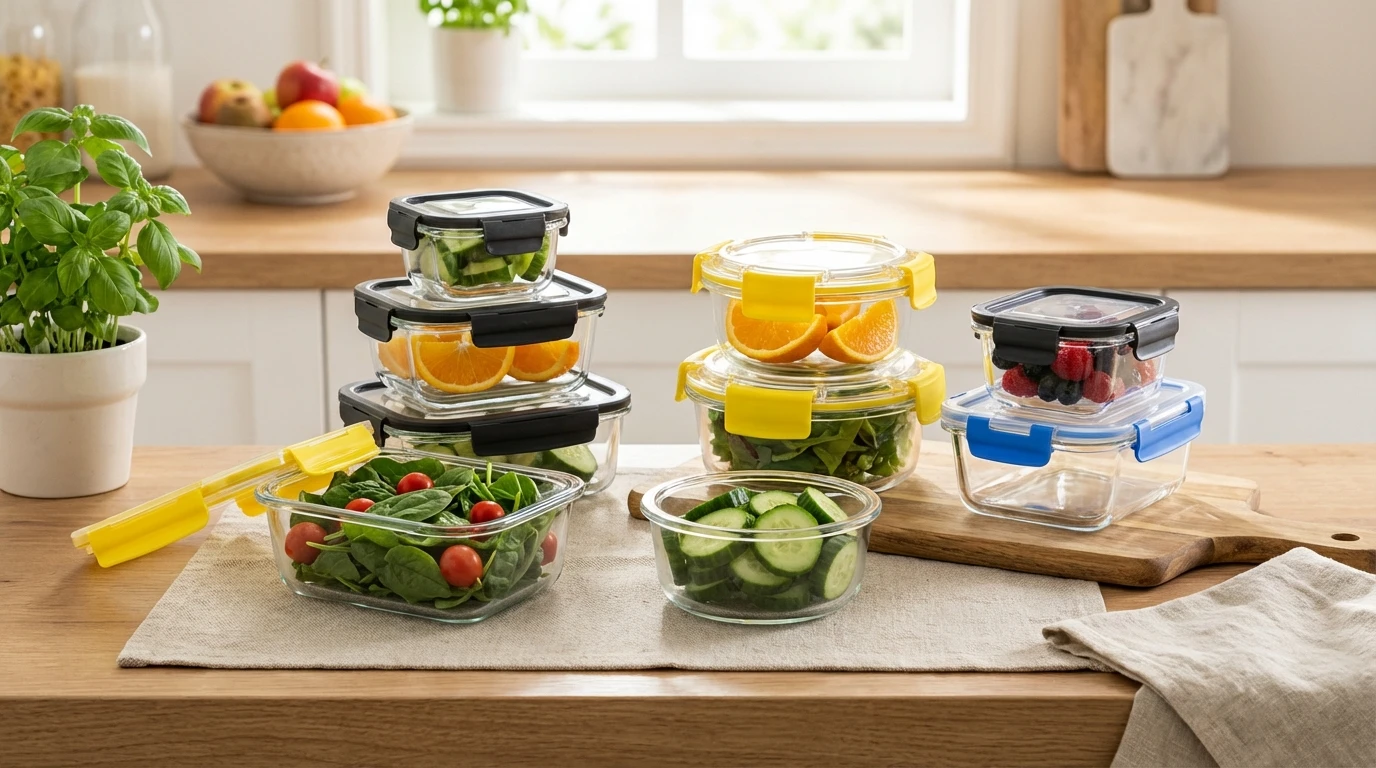
Durable & Sustainable 5 Gallon Glass Bottles for Industrial & Humanitarian Use
Understanding 5 Gallon Glass Bottles: Why They Matter Globally
At first glance, 5 gallon glass bottles might seem like just another container on the shelf. But when you consider the global landscape—where clean water access, sustainable packaging, and industrial storage all play critical roles—they suddenly feel a lot more relevant. These large-capacity glass bottles combine durability with non-toxicity, influencing everything from humanitarian aid to industrial manufacturing. Grasping their benefits can unlock smarter, cleaner, and more reliable liquid storage solutions worldwide.
Why 5 Gallon Glass Bottles Have a Global Footprint
Today, sustainability is a priority on every continent. The United Nations Sustainable Development Goals spotlight clean water and sustainable consumption, both areas where glass packaging shines. According to the International Organization for Standardization (ISO), reusable and recyclable packaging reduces carbon footprints significantly compared to single-use plastic alternatives.
Yet industries and relief organizations often face challenges with bulky water and chemical transport. Enter the 5 gallon glass bottle: a container that offers both ample volume and material safety. In remote areas, industrial plants, or disaster zones, these bottles balance cost efficiency with environmental and health considerations.
Mini takeaways: These bottles answer a growing global call for safer, more sustainable storage, proving valuable far beyond just beverage packaging.
What Exactly Are 5 Gallon Glass Bottles?
Simply put, a 5 gallon glass bottle is a large-capacity container made entirely from glass, designed to hold roughly 18.9 liters of liquid. Unlike plastic jugs, these bottles resist chemical leaching, preserve purity, and can often be reused multiple times without degrading.
Modern industry uses them for everything from storing potable water and olive oil to hosting industrial solvents safely.
In humanitarian sectors, clean water distribution increasingly relies on such durable containers, especially where plastic pollution is a concern or cold storage isn't logistically viable.
Core Aspects That Make 5 Gallon Glass Bottles Stand Out
1. Durability & Chemical Resistance
Glass is inert. That means it doesn’t react with its contents — ideal when transporting chemicals, beverages, or pharmaceuticals where purity matters. Plus, thick glass walls provide impact resistance and longevity better than many plastics.
2. Scalability & Reusability
Factories and aid organizations appreciate that these bottles can be cleaned, sterilized, and reused dozens of times, minimizing waste. Their size suits bulk liquid usage, reducing the frequency of transportation.
3. Cost Efficiency Over Time
Initial costs might be higher than plastic, but the long lifespan offsets this, especially with proper reuse or recycling programs.
4. Sustainability & Environmental Benefits
Fully recyclable and less prone to microplastic pollution, glass bottles align with circular economy goals. Their manufacture and recycling are increasingly optimized under ISO sustainability standards.
5. Safety & Health Considerations
Free from harmful chemicals like BPA, these bottles preserve consumer health—a huge concern in food and pharmaceutical sectors.
6. Design Flexibility & Customization
From color tinting to neck finishes for different caps, glass can be tailored without losing performance.
Mini takeaways: Durability paired with eco benefits makes these bottles an increasingly smart choice for large-volume needs.
Global Applications & Who’s Using These Bottles
5 gallon glass bottles aren’t decorations for counters — they’re tools used worldwide.
- Water treatment in remote communities: NGOs use them for distributing potable water, reducing plastic waste in vulnerable areas.
- Food & beverage industry: From craft breweries to olive oil producers in Mediterranean nations, glass bottles preserve taste and quality.
- Chemical and pharmaceutical sectors: Companies shipping corrosive or reactive liquids rely on glass to ensure product integrity.
- Disaster relief: Post-hurricane or earthquake sites utilize these containers to store large volumes of clean water safely.
5 Gallon Glass Bottle Specification Table
| Feature | Specification | Benefit |
|---|---|---|
| Volume | 5 gallons (18.9 liters) | Bulk liquid storage, reducing refill frequency |
| Material | Borosilicate or soda-lime glass | Chemical resistance, durability |
| Weight (empty) | ~6-8 kg (13-18 lbs) | Stable but portable |
| Closure type | Screw cap or clamp closure options | Secure sealing for various liquids |
| Recyclability | 100% recyclable | Minimizes environmental impact |
Comparing Leading 5 Gallon Glass Bottle Vendors
| Vendor | Material Quality | Customization | Sustainability Practices | Price Range (USD) |
|---|---|---|---|---|
| Yinto Glassware | Premium borosilicate | High - custom colors & shapes | Recycling & waste reduction certified | $18 - $25 per bottle |
| EcoPack Solutions | Soda-lime glass | Moderate - standard shapes | Focus on recycled glass content | $15 - $20 per bottle |
| GlassCore Industries | Tempered glass | Basic customization | Energy-efficient manufacture | $20 - $22 per bottle |
Advantages & Long-Term Value of 5 Gallon Glass Bottles
Using 5 gallon glass bottles means investing in a system that promotes longevity, health, and environmental responsibility. They're non-toxic, which means your beverages or chemicals stay pure and safe. That peace of mind matters — especially when distributing drinking water or pharmaceuticals.
From an emotional perspective, knowing containers are reusable and recyclable gives a sense of contributing to a better planet. Logically, reduced waste means lower disposal costs and better compliance with environmental regulations.
And frankly, there's an aesthetic pleasure in returning to glass — it just feels... honest. No weird flavors, just the product as it should be.
What's Next? Innovations in Glass Bottle Technology
Looking ahead, glass manufacturers are exploring lighter but tougher glass composites, coating technologies that improve strength without sacrificing recyclability, and smart labels that track bottle origins or contents digitally. The increase in automated cleaning and bottling lines also means that reusing bottles can become safer and more efficient.
Meanwhile, policies pushing for plastic reduction worldwide will likely push industries and NGOs to consider glass options more seriously.
Facing the Challenges: How to Overcome the Hurdles of Glass Bottles
Yes, glass is fragile compared to plastic and heavier to handle. Shipping can be costlier, and breakage concerns remain. But innovations in packaging design—like cushioned crates and shock-absorbing fitments—help mitigate risks.
Moreover, when factoring in the lifecycle environmental cost, glass often comes out ahead.
In essence: handle with care, plan logistics thoughtfully, and you’ve got a solution that offers unmatched benefits.
FAQ: Frequently Asked Questions About 5 Gallon Glass Bottles
- Q: Are 5 gallon glass bottles better than plastic for water distribution?
A: Yes, glass bottles don't leach chemicals, preserve water purity longer, and reduce plastic waste, making them safer and more sustainable choices. - Q: How durable are these bottles for industrial use?
A: Made from borosilicate or tempered glass, these bottles withstand chemical exposure and repeated handling, although care is needed to prevent breakage. - Q: Can 5 gallon glass bottles be reused easily?
A: Absolutely! Proper cleaning and sterilization protocols allow many reuse cycles, significantly lowering total costs and environmental impacts. - Q: What makes Yinto Glassware stand out as a supplier?
A: Yinto offers high-quality borosilicate products with customizable options while emphasizing sustainability and low environmental impact. - Q: How to safely ship these bottles internationally?
A: Use reinforced packaging, cushioned separators, and select shipping partners experienced in handling fragile goods to minimize damage and ensure timely delivery.
Wrapping Up: Why Invest in 5 Gallon Glass Bottles?
Choosing 5 gallon glass bottles isn’t just about picking a container; it’s an investment in durability, environmental stewardship, and health-conscious liquid storage. Industries and aid organizations alike find long-term value here that goes well beyond upfront costs.
If you want to explore options or customize your order, visit Yinto Glassware’s website to learn more about their innovative, sustainable models.
About the author: With years of experience in industrial packaging and sustainable product design, I’ve seen firsthand how small changes can ripple globally. These bottles? One small step toward cleaner, safer future.
References
-
Ultimate Guide to Choosing Big Glass Storage Containers for Every NeedNewsApr.16,2026
-
Small Glass Lunch Containers Guide for Healthy Meal PrepNewsApr.09,2026
-
Comprehensive Guide to Choosing the Best Storage Containers for Dishes and GlassesNewsApr.07,2026
-
Selecting The Optimal 300ml Food Containers For Your Business NeedsNewsApr.04,2026
-
Discover the Benefits of Durable 3 Cup Glass Food Storage ContainersNewsMar.31,2026
-
Comprehensive Guide to Choosing Superior Glass Divided Food ContainersNewsMar.28,2026
![[Extra Large with Handle] Oven Safe Glass Food Storage Container with Airtight Locking Lid & Handle, Oven Safe Dishwasher Safe](https://images.exportstart.com/images/a1251/extra-larger-glass-container-with-snap-locking-lid-164.webp "[Extra Large with Handle] Oven Safe Glass Food Storage Container with Airtight Locking Lid & Handle, Oven Safe Dishwasher Safe")
![[All Microwave Safe] High Borosilicate Glass Food Storage Container , Oven Safe without Lid, Dishwasher Safe](https://images.exportstart.com/images/a1251/squre-glass-container-with-glass-lid-518.webp "[All Microwave Safe] High Borosilicate Glass Food Storage Container , Oven Safe without Lid, Dishwasher Safe")
![[Sliding Vent PP Lid] Borosilicate Glass Food Storage Containers with Food-grade Plastic Lid, Airtight, Leak Resistant](https://images.exportstart.com/images/a1251/glass-food-storage-container-with-airtight-lid-183.webp "[Sliding Vent PP Lid] Borosilicate Glass Food Storage Containers with Food-grade Plastic Lid, Airtight, Leak Resistant")
![[Large Skylight Glass Lid] Glass Food Storage Container, Oven Safe with Lid, BPA Free, 100% Leak resistant](https://images.exportstart.com/images/a1251/glass-lid-food-storage-container-1-1-196.webp "[Large Skylight Glass Lid] Glass Food Storage Container, Oven Safe with Lid, BPA Free, 100% Leak resistant")
![[Colorful Vent PP Lid] Glass Food Storage Container, BPA Free, Leakproof, Dishwasher Safe](https://images.exportstart.com/images/a1251/002-1-639.webp "[Colorful Vent PP Lid] Glass Food Storage Container, BPA Free, Leakproof, Dishwasher Safe")
![[Color Vent PP Lid] Borosilicate Glass Food Storage Container, Leakproof, Dishwasher Safe](https://images.exportstart.com/images/a1251/1-941.webp "[Color Vent PP Lid] Borosilicate Glass Food Storage Container, Leakproof, Dishwasher Safe")
![[Vacuum AS] Food Storage Container with Pump](https://images.exportstart.com/images/a1251/7-1-397.webp "[Vacuum AS] Food Storage Container with Pump")