 TEL: +86 18903393212
 Email: tina@yintoglassware.com

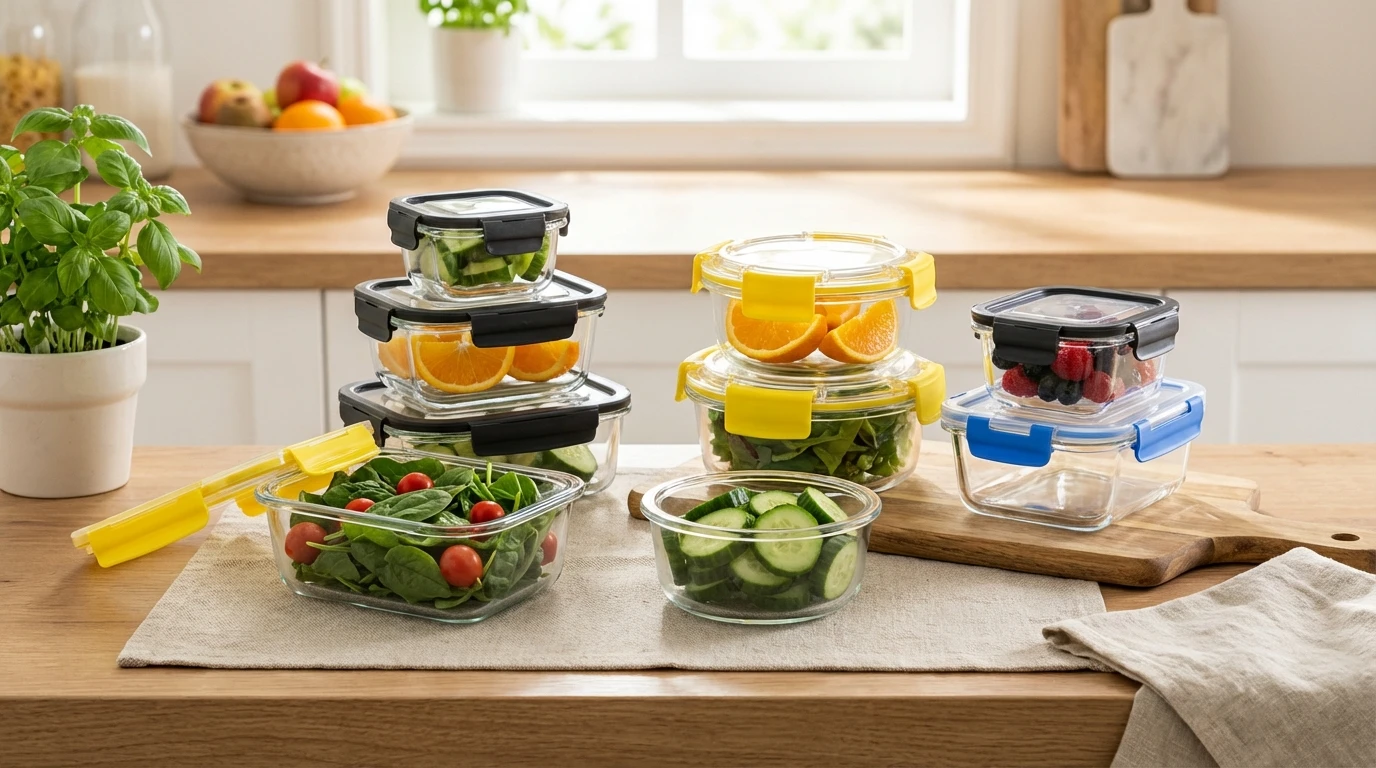
Eco-Friendly Hydration: Discover the Benefits of the 1lt Glass Water Bottle
Understanding the Global Significance of the 1lt Glass Water Bottle
It might sound simple—a 1lt glass water bottle—but beyond its straightforward purpose of holding water, there’s a whole story about sustainability, health, and design tucked inside. Globally, the demand for safe, eco-friendly hydration solutions has soared. Why? Because plastic pollution, health concerns, and the ongoing search for durability in everyday products have driven individuals and industries alike to rethink how we package and consume water. The 1lt glass water bottle isn’t just a container; it’s a symbol of cleaner hydration and smarter consumption worldwide.
According to the United Nations Environment Programme (UNEP), global plastic production has increased a hundredfold since 1950, much of it single-use packaging. The 1lt glass water bottle offers a practical counterpoint, providing reusability while preventing chemical leaching often linked with plastics. Plus, it fits perfectly with rising consumer awareness about carbon footprints. If you’ve been thinking about green alternatives—or simply caring about what you drink—knowing this product well is worth your time.
Mini takeaway: The 1lt glass water bottle emerges as a small but potent tool in battling plastic waste and health risks globally.
What Exactly Is a 1lt Glass Water Bottle?
Simply put, it’s a one-liter container crafted mainly from glass designed to hold and transport water. Often equipped with a secure lid or cap (sometimes silicone or stainless steel), these bottles balance functionality with environmental sensibility. Unlike plastic counterparts, glass is inert—so it won’t alter your water’s taste or release harmful chemicals. It’s mostly used in households, offices, outdoor activities, and increasingly, in humanitarian contexts where clean water access is critical.
Interestingly, modern industries and relief organizations prefer glass for its purity and recyclability. It’s a silent nod to safety and sustainability in places where clarity about water quality truly matters.
Key Features That Make 1lt Glass Water Bottles Stand Out
1. Durability and Safety
Though glass feels fragile, technological strides in tempered and borosilicate glass have made these bottles surprisingly tough—resistant to thermal shocks and minor knocks. Moreover, their non-toxic nature ensures no chemical migration, which is a big plus for health-conscious users.
2. Environmental Impact
Glass is 100% recyclable without quality loss, unlike plastics that degrade after recycling. This means each bottle can have multiple lives, significantly cutting landfill contributions. Plus, many manufacturers aim for lightweight but robust designs to minimize carbon emissions during transport.
3. Design and Customizability
The shape, finishing, and caps can vary widely. Some bottles come with silicone sleeves or bamboo lids for grip and aesthetics. Brands often offer printed logos or custom colors, making them attractive corporate gifts or fundraising merchandise.
4. Cost Efficiency Over Time
While upfront prices are typically higher than plastic bottles, glass bottles’ reusable nature means fewer replacements, translating into long-term savings for consumers and organizations alike.
Mini takeaway: Durability, recyclability, and thoughtful design come together to make the 1lt glass water bottle an investment with both practical and ethical value.
Global Uses and Examples of the 1lt Glass Water Bottle in Action
The appeal isn’t limited to one region or industry. In Europe and North America, they’re everyday companions for people opting out of single-use plastics. Meanwhile, in the Middle East and parts of Africa, NGOs supply these bottles in post-disaster zones to ensure clean drinking water storage without contamination risks.
Industrial sectors also value them in laboratory and healthcare settings because glass doesn’t interact with sensitive liquids. Even hospitality venues, like sustainable cafes and yoga studios globally, use them to align with their eco-friendly messaging.
A recent case from a humanitarian aid group demonstrated how shifting from plastic to glass bottles in remote areas of Nepal not only reduced waste but improved local health outcomes—simply because people trusted the water more.
1lt Glass Water Bottle: Specification Snapshot
| Specification | Details |
|---|---|
| Material | Tempered/Soda Lime or Borosilicate Glass |
| Capacity | 1 Liter (1000 ml) |
| Weight (empty) | Approx. 400–600 grams |
| Lid Material | Silicone, Bamboo, Stainless Steel (varies) |
| Recyclability | 100% |
| Typical Price (retail) | $12–$25 USD (depending on design) |
Vendor Comparison: Popular Suppliers of 1lt Glass Water Bottles
| Supplier | Price per Unit | Customization Options | Minimum Order Quantity | Lead Time |
|---|---|---|---|---|
| Yinto Glassware | $11.50 | Silkscreen printing, color finishes, custom lids | 500 pcs | 2-3 weeks |
| ClearGlass Co. | $13.00 | Engraving, color sleeves | 250 pcs | 4 weeks |
| PureHydrate Ltd. | $12.20 | Custom logos, bamboo lids | 1000 pcs | 3 weeks |
Why Choose a 1lt Glass Water Bottle? Benefits Worth Noting
- Health Safety: No BPA or microplastic contamination risks.
- Sustainability: Fully recyclable, reusable, and doesn’t degrade in recycling.
- Longevity: Reduced need to buy single-use bottles, cuts down waste and expense.
- Trust and Dignity: Using glass feels premium, safe, and gives a sense of care.
- Versatility: Suitable for home, office, industrial, and humanitarian use.
There’s an emotional undertone here: drinking from glass feels special, responsible, and connected to a cleaner planet. It’s not just hydration—it’s a statement.
What’s Next? Future Trends in Glass Bottle Technology
Don’t be surprised if you soon see 1lt glass water bottle models infused with smart sensors that track water intake or quality. The industry is also examining bio-based treatments to create even more durable glass coatings. On a policy level, global efforts to curb plastic push governments to encourage glass use through incentives or regulations.
Automation and precision manufacturing have already lowered production costs, making glass bottles more accessible globally. It’s the kind of progress that seems slow but then suddenly you notice: glass bottles are everywhere.
Common Challenges and How Suppliers Are Addressing Them
Of course, it’s not perfect. Glass can break, and shipping can be tricky. But companies are tackling this with silicone sleeves, redesigned bottle shapes, and stronger glass blends. Packaging innovations reduce breakage during transit, and smart logistics improve delivery times. Another hurdle is price sensitivity among customers, but as production scales and materials become more affordable, the value prop becomes undeniable.
So yes, there’s room for improvement, but it feels like an industry quietly revolutionizing itself.
FAQ: Quick Answers About the 1lt Glass Water Bottle
- Is the 1lt glass water bottle safe for hot liquids?
- Many 1lt glass water bottles are made from borosilicate glass, which tolerates temperature up to 400°C, making them safe for hot drinks. However, always check the manufacturer's instructions before pouring boiling water.
- How do I clean my glass water bottle effectively?
- Use warm soapy water or vinegar solution for routine cleaning. Avoid harsh abrasives that may scratch glass. Some bottles are dishwasher safe, but always confirm first.
- Can I personalize or brand these bottles for my business?
- Yes, most manufacturers offer silkscreen printing, engraving, or custom labeling options, ideal for corporate gifts or promotional campaigns.
- How do glass bottles reduce environmental impact compared to plastic?
- Glass is 100% recyclable without degradation, reusable multiple times, and free from toxic chemicals, leading to less pollution and landfill waste.
- Are there risks of breakage if I carry a glass water bottle daily?
- While glass can break, modern designs often include protective sleeves or reinforced glass to enhance durability against everyday bumps.
Final Thoughts: Making a Sustainable Choice That Lasts
Choosing a 1lt glass water bottle is straightforward, yet profound. It ties into global efforts to reduce plastic waste, promote health, and support circular economies. The long-term value — environmentally, economically, socially — is clear. Whether for personal use, corporate gifting, or humanitarian aid, glass bottles blend tradition and modern engineering elegantly. So next time you reach for a drink, why not do it with something that respects both you and the planet?
Ready to explore or bulk order your own 1lt glass water bottles? Visit Yinto Glassware today.
Mini takeaway: In a world grappling with sustainability challenges, the humble 1lt glass water bottle quietly leads as a beacon of responsible hydration.
References:
1. United Nations Environment Programme (UNEP), Plastic Pollution Facts: https://www.unep.org
2. ISO Standards on Glass Bottles: https://www.iso.org/standard/38146.html
3. World Health Organization (WHO), Drinking Water Quality: https://www.who.int/water_sanitation_health/dwq
-
Ultimate Guide to Choosing Big Glass Storage Containers for Every NeedNewsApr.16,2026
-
Small Glass Lunch Containers Guide for Healthy Meal PrepNewsApr.09,2026
-
Comprehensive Guide to Choosing the Best Storage Containers for Dishes and GlassesNewsApr.07,2026
-
Selecting The Optimal 300ml Food Containers For Your Business NeedsNewsApr.04,2026
-
Discover the Benefits of Durable 3 Cup Glass Food Storage ContainersNewsMar.31,2026
-
Comprehensive Guide to Choosing Superior Glass Divided Food ContainersNewsMar.28,2026
![[Extra Large with Handle] Oven Safe Glass Food Storage Container with Airtight Locking Lid & Handle, Oven Safe Dishwasher Safe](https://images.exportstart.com/images/a1251/extra-larger-glass-container-with-snap-locking-lid-164.webp "[Extra Large with Handle] Oven Safe Glass Food Storage Container with Airtight Locking Lid & Handle, Oven Safe Dishwasher Safe")
![[All Microwave Safe] High Borosilicate Glass Food Storage Container , Oven Safe without Lid, Dishwasher Safe](https://images.exportstart.com/images/a1251/squre-glass-container-with-glass-lid-518.webp "[All Microwave Safe] High Borosilicate Glass Food Storage Container , Oven Safe without Lid, Dishwasher Safe")
![[Sliding Vent PP Lid] Borosilicate Glass Food Storage Containers with Food-grade Plastic Lid, Airtight, Leak Resistant](https://images.exportstart.com/images/a1251/glass-food-storage-container-with-airtight-lid-183.webp "[Sliding Vent PP Lid] Borosilicate Glass Food Storage Containers with Food-grade Plastic Lid, Airtight, Leak Resistant")
![[Large Skylight Glass Lid] Glass Food Storage Container, Oven Safe with Lid, BPA Free, 100% Leak resistant](https://images.exportstart.com/images/a1251/glass-lid-food-storage-container-1-1-196.webp "[Large Skylight Glass Lid] Glass Food Storage Container, Oven Safe with Lid, BPA Free, 100% Leak resistant")
![[Colorful Vent PP Lid] Glass Food Storage Container, BPA Free, Leakproof, Dishwasher Safe](https://images.exportstart.com/images/a1251/002-1-639.webp "[Colorful Vent PP Lid] Glass Food Storage Container, BPA Free, Leakproof, Dishwasher Safe")
![[Color Vent PP Lid] Borosilicate Glass Food Storage Container, Leakproof, Dishwasher Safe](https://images.exportstart.com/images/a1251/1-941.webp "[Color Vent PP Lid] Borosilicate Glass Food Storage Container, Leakproof, Dishwasher Safe")
![[Vacuum AS] Food Storage Container with Pump](https://images.exportstart.com/images/a1251/7-1-397.webp "[Vacuum AS] Food Storage Container with Pump")