TEL: +86 18903393212
 Email: tina@yintoglassware.com
 TEL: +86 18903393212Email: tina@yintoglassware.com
When evaluating the water glass bottle price, procurement managers and retail buyers often find themselves navigating a complex spectrum of material grades and manufacturing tolerances. The cost of a glass vessel is rarely a reflection of raw material volume alone, but rather a calculation of thermal stability, chemical purity, and the structural integrity of the glass wall.
The shift toward sustainable, BPA-free alternatives has placed high borosilicate glass at the center of the drinkingware market. Unlike standard soda-lime glass, borosilicate's unique expansion coefficient allows it to withstand significant thermal shock, directly influencing its market valuation and the long-term cost-of-ownership for the end consumer.
Understanding the variables that drive these pricing fluctuations is essential for making informed sourcing decisions. This analysis explores the technical determinants of glass pricing, from material science to the operational advantages of specialized designs.


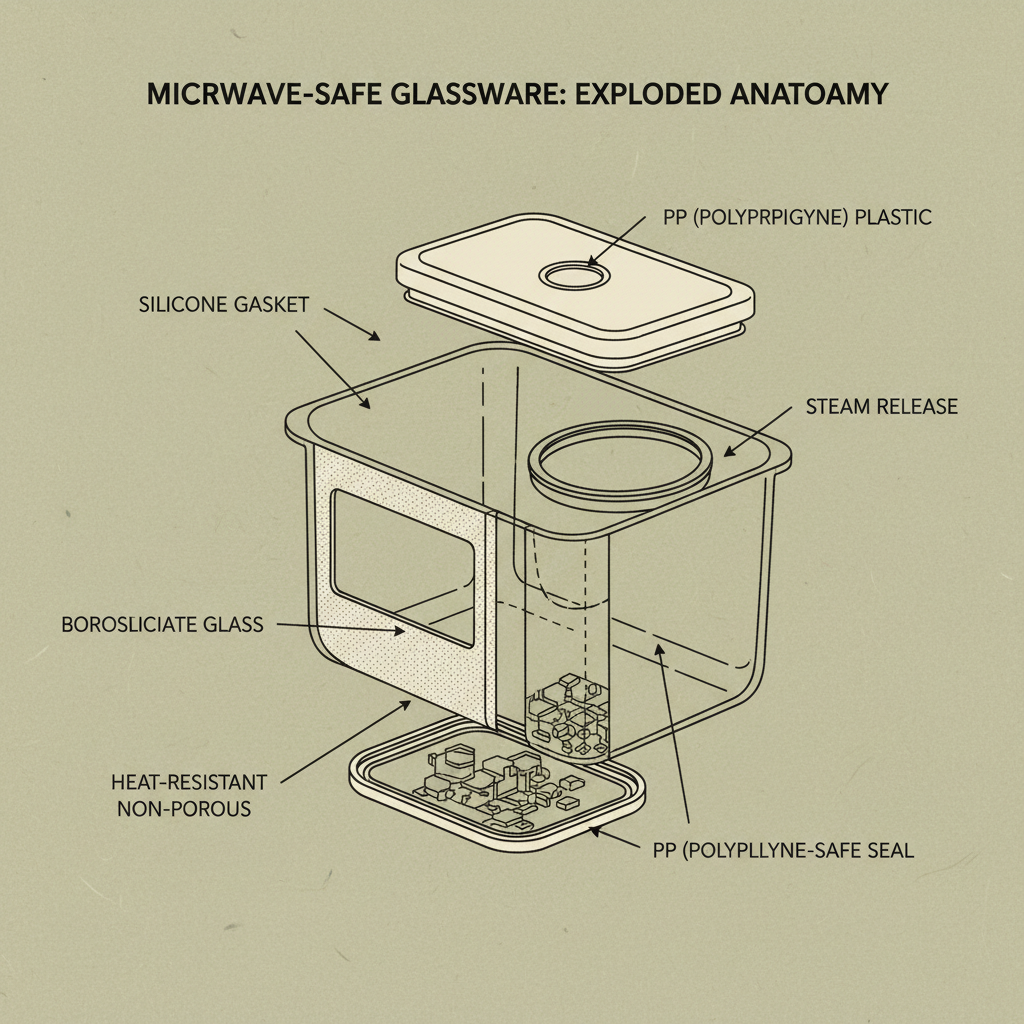
The primary driver of the water glass bottle price is the chemistry of the glass itself. High borosilicate glass, often referred to as hard glass, incorporates boron trioxide, which significantly lowers the coefficient of thermal expansion. This chemical composition makes the material inherently more expensive to produce than standard glass but grants it superior hardness and chemical stability.
Because this material is highly resistant to acid and does not leach toxic substances into liquids, it is the preferred choice for health-conscious markets. The energy required to melt borosilicate glass is higher, contributing to the initial manufacturing cost, but the resulting product offers far greater durability and safety.
Beyond the base material, the architectural design of the bottle significantly impacts the final cost. Double-wall glass involves a complex blowing process where two distinct layers of glass are fused together, creating an insulating air gap. This design serves a dual purpose: it prevents the outer surface from burning the user's hand when containing hot beverages and prevents condensation from forming when storing iced drinks.
From a technical standpoint, maintaining the integrity of the seal between the two walls is a high-precision task. Any failure in the sealing process can lead to moisture infiltration or structural weakness. This requirement for precision engineering and rigorous quality control is a key component of the pricing structure for premium insulated drinkingware.
The addition of ergonomic features, such as integrated handles, further adds to the manufacturing complexity. By combining the thermal properties of high borosilicate glass with a double-layered vacuum design, manufacturers provide a product that is safe for the fridge, freezer, and dishwasher, adding tangible value to the consumer's daily experience.
Thermal shock occurs when a material undergoes a rapid change in temperature, causing different parts of the object to expand or contract at different rates, leading to fractures. In the context of water glass bottles, this is the most critical point of failure for lower-grade materials.
High borosilicate glass can typically withstand a strain temperature difference of up to 120 degrees Celsius, making it fundamentally more resilient than soda-lime glass in environments with fluctuating temperatures.
This stability is achieved through the low expansion rate of the borosilicate structure. Consequently, the material does not precipitate harmful substances even when exposed to high temperatures or acidic liquids, ensuring that the purity of the drinking liquid remains uncompromised.
When comparing different glass types, the value is determined by a balance of cost, durability, and safety. While soda-lime glass is the most affordable, its susceptibility to thermal shock limits its application. In contrast, borosilicate glass offers a higher value proposition for users who require versatility—such as moving a bottle from a freezer to a dishwasher.
The following index illustrates the relative performance and cost-value alignment of various glass types used in modern drinkingware, where a higher index indicates a better balance of technical properties relative to its price point.
In a typical commercial hospitality setting, the demand for glassware that can transition from high-heat industrial dishwashers to chilled beverage service is paramount. Glassware that lacks the thermal resistance of borosilicate often suffers from "invisible" stress fractures that eventually lead to catastrophic failure during use, increasing replacement costs.
For a manufacturer evaluating supply chains, the focus shifts toward the certification of the material as lead-free and BPA-free. These specifications are no longer optional but are core requirements for entering the global health and wellness market, where consumers prioritize non-toxic materials that do not alter the taste of the liquid.
Modern user expectations have evolved beyond simple containment. There is a growing preference for "multi-functional" glassware, such as the Drinkingware Series and Glass Food Storage containers that can serve as both a preparation tool and a serving vessel. This convergence of kitchenware and tableware requires materials with high chemical stability.
The rise of the "home cafe" trend has also increased demand for specialized items like Glass Coffee Makers and Double Wall Glass mugs. These products must manage extreme temperature gradients—boiling water on the inside and a comfortable grip on the outside—making high borosilicate the only viable technical solution.
Furthermore, the environmental push against single-use plastics is driving a long-term transition toward durable glass. This shift is not just about replacing plastic with glass, but replacing it with high-quality glass that lasts for years, thereby reducing the lifetime cost per use and the environmental footprint.
When sourcing glassware, buyers must weigh the initial unit price against the expected failure rate and functional requirements. A cheaper bottle that lacks thermal resistance may result in higher long-term costs due to breakage and customer dissatisfaction.
A robust selection framework should prioritize the material's strain temperature difference and its compatibility with cleaning protocols (dishwasher safety). By analyzing these technical parameters, procurement officers can justify the higher investment in borosilicate glass.
The following table provides a comparative analysis of different glass configurations to assist in the decision-making process for commercial buyers.
| Glass Type | Thermal Resistance | Chemical Stability | Recommended Use |
|---|---|---|---|
| Soda-Lime Glass | Low | Moderate | Room Temp Storage |
| Tempered Glass | Moderate | Moderate | General Tableware |
| Standard Borosilicate | High | Very High | Lab/Kitchenware |
| Double-Wall Borosilicate | Very High | Very High | Insulated Drinking |
| Stained Glass | Low | Low | Decorative Only |
| Lead-Free Crystal | Moderate | High | Premium Dining |
The price is primarily driven by the material grade (e.g., borosilicate vs. soda-lime), the manufacturing process (single vs. double wall), and the structural specifications. Borosilicate glass requires higher melting temperatures and more precise cooling, which increases production costs but provides superior thermal shock resistance and chemical stability compared to cheaper glass alternatives.
Yes, especially when made from high borosilicate glass. The double-wall design creates an insulating layer that protects the user from heat or cold. When combined with borosilicate's ability to withstand a 120-degree temperature difference, these bottles can safely handle boiling water or be stored in a freezer without the risk of cracking from thermal stress.
Check for material certifications. High borosilicate glass is naturally BPA-free and can be produced as lead-free. Reliable manufacturers provide qualification certificates and material details that confirm the absence of toxic substances, which is critical for products intended for long-term food and water storage.
While tempered glass is stronger against physical impact, borosilicate glass is far superior in resisting thermal shock. For water bottles that may be filled with hot tea or chilled water, borosilicate's low expansion rate prevents the spontaneous fracturing that can occur with tempered glass when exposed to rapid temperature changes.
Customization can increase costs depending on the complexity. Modifications to the mold, specialized staining for decorative glassware, or unique handle designs require additional engineering and setup time. However, for large-scale procurement, these costs are often amortized over the total order volume.
No. Only glass designed for thermal stability, such as high borosilicate glass, is generally safe for the high-heat cycles of a dishwasher. Soda-lime glass may crack due to the rapid temperature shifts during the wash and dry cycles. Always verify that the product is specifically labeled as dishwasher-safe.
The water glass bottle price is a reflection of the underlying technical capabilities of the product. By prioritizing high borosilicate materials and advanced double-wall construction, users gain a product that is not only safer and more durable but also more versatile across diverse temperature environments.
For those seeking a balance of health, sustainability, and performance, investing in high-quality glassware is a strategic decision that reduces long-term replacement costs and ensures a toxin-free drinking experience.