 TEL: +86 18903393212
 Email: tina@yintoglassware.com

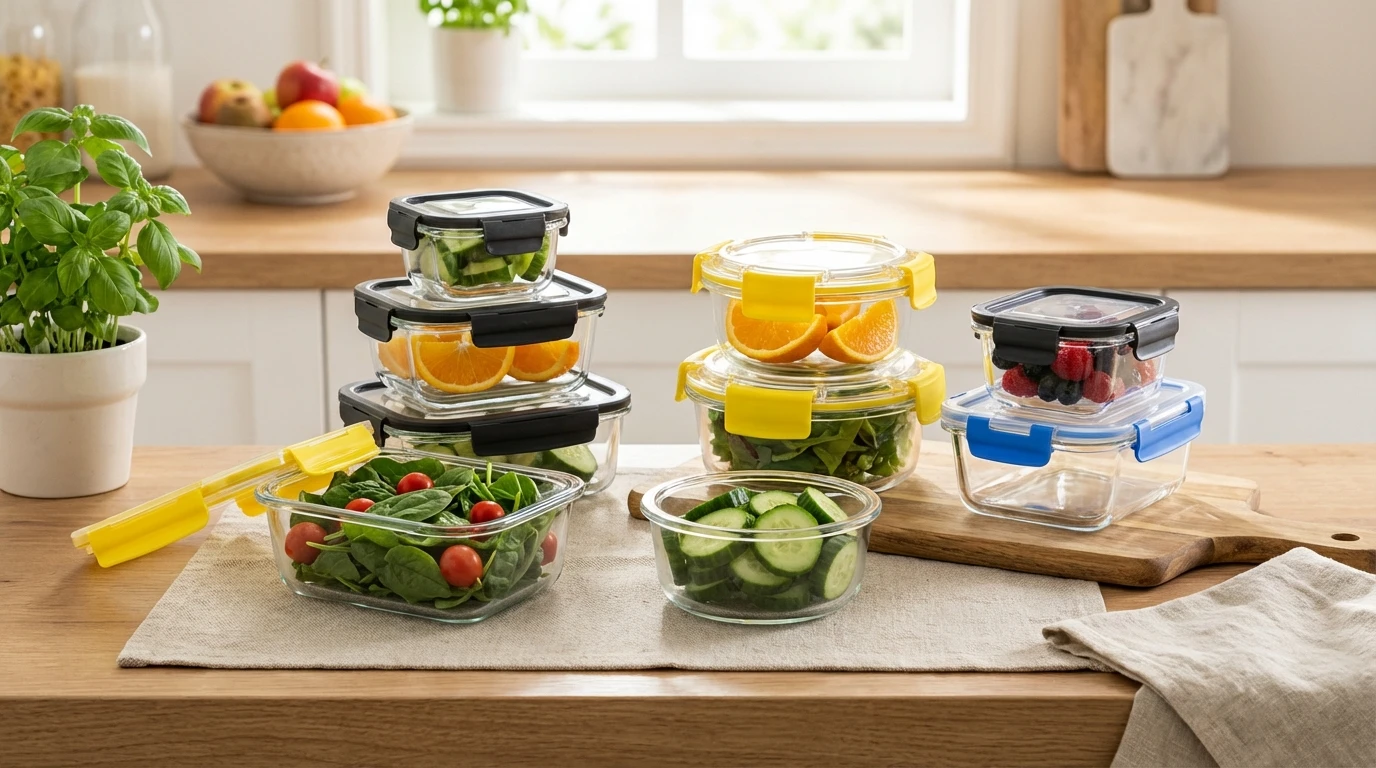
Premium Glass Food Storage Set - Airtight & Durable for Kitchen
Strategic Solutions for Modern Food Storage: The glass food storage set Advantage
In the contemporary B2B landscape, efficient and safe food storage solutions are paramount across diverse sectors, from commercial kitchens and catering services to corporate meal programs and institutional facilities. The demand for robust, chemically inert, and aesthetically pleasing storage options has led to a significant surge in the adoption of glass food storage set solutions. These advanced systems offer unparalleled durability, hygiene, and environmental sustainability, positioning them as a critical investment for businesses aiming to optimize operational workflows and enhance brand reputation.
This comprehensive overview delves into the technical intricacies, market dynamics, and operational benefits of high-performance glass food storage solutions. We will explore the manufacturing excellence behind these products, their diverse application potential, and the strategic advantages they offer in a competitive market.
Industry Trends and Market Dynamics
The global market for food storage solutions is experiencing robust growth, driven by increasing consumer awareness regarding food safety, sustainability, and health. B2B purchasers are increasingly prioritizing products that align with these values. Glass, particularly high-borosilicate glass, stands out due to its non-porous nature, resistance to thermal shock, and inertness, making it an ideal material for a reliable glass food storage set. The shift away from single-use plastics and the growing emphasis on meal prepping and portion control in professional settings further amplify the demand for durable and reusable options like glass food storage boxes.
According to a report by Grand View Research, the global food storage container111 market size was valued at USD 13.9 billion in 2022 and is projected to grow at a compound annual growth rate (CAGR) of 5.1% from 2023 to 2030. Glass container111s, specifically, are anticipated to witness accelerated growth due to their premium perception and superior functional attributes. This trend is particularly evident in target industries such as HoReCa (Hotel, Restaurant, Catering), healthcare facilities, educational institutions, and corporate dining services, where stringent hygiene standards and operational efficiency are paramount.

Manufacturing Process: Precision Engineering for Superior Performance
The production of a high-quality glass food storage container111 involves a meticulous manufacturing process, primarily utilizing high-borosilicate glass. This material is chosen for its exceptional properties, including superior thermal shock resistance, chemical inertness, and durability, making it far more robust than conventional soda-lime glass.
Schematic Manufacturing Steps:
- Raw Material Preparation: High-purity silica sand, boron oxide, soda ash, and alumina are precisely weighed and mixed. Boron oxide is critical for conferring the thermal expansion properties unique to borosilicate glass.
- Melting: The raw material batch is fed into high-temperature furnaces, typically operating at 1600-1800°C. The mixture melts into a homogeneous molten glass. This stage requires rigorous control to eliminate impurities and ensure consistent glass composition.
- Forming (Pressing/Blowing):
- Pressing: For bowls and rectangular container111s, gobs of molten glass are dropped into molds and pressed into shape using a plunger. This method creates thick, uniform walls.
- Blowing: For more complex shapes or specific dimensions, molten glass may be blown into molds.
- Annealing: The formed glass container111s undergo a critical annealing process in a lehr (a controlled cooling oven). This involves slowly cooling the glass from an elevated temperature (above its annealing point but below its softening point) to room temperature. This process relieves internal stresses that develop during cooling, preventing cracking and significantly enhancing the product's resistance to thermal shock and mechanical impact.
- Lid Manufacturing (Food-grade Plastic): Concurrently, the food-grade plastic lids are manufactured. This often involves injection molding of BPA-free polypropylene (PP) or Tritan, ensuring precise fit, durability, and resistance to deformation. Key features like the "Sliding Vent Valve" are integrated at this stage, often through multi-component molding or precision assembly. Silicone seals are also molded and integrated for airtight performance.
- Quality Control & Testing: Each component and the assembled glass food storage container111s set undergo stringent quality checks.
- Visual Inspection: For defects like bubbles, stones, or scratches.
- Dimensional Accuracy: Ensuring adherence to design specifications.
- Thermal Shock Resistance: Testing container111s by rapid temperature changes (e.g., from freezer to oven) to validate borosilicate properties.
- Airtightness & Leak-proof Testing: Lids are tested for their sealing capabilities, crucial for maintaining food freshness and preventing spills.
- Material Purity: Assays to confirm food-grade plastic compliance (e.g., FDA standards) and absence of harmful substances.
- Packaging: Finished and inspected products are carefully packaged to prevent damage during transit, ready for distribution.
This structured process, informed by international testing standards such as ISO 9001 for quality management and relevant ASTM standards for glass properties, ensures the production of a reliable, long-lasting glass food storage container111. The robust design and material selection contribute to an extended service life, significantly reducing replacement costs for businesses.
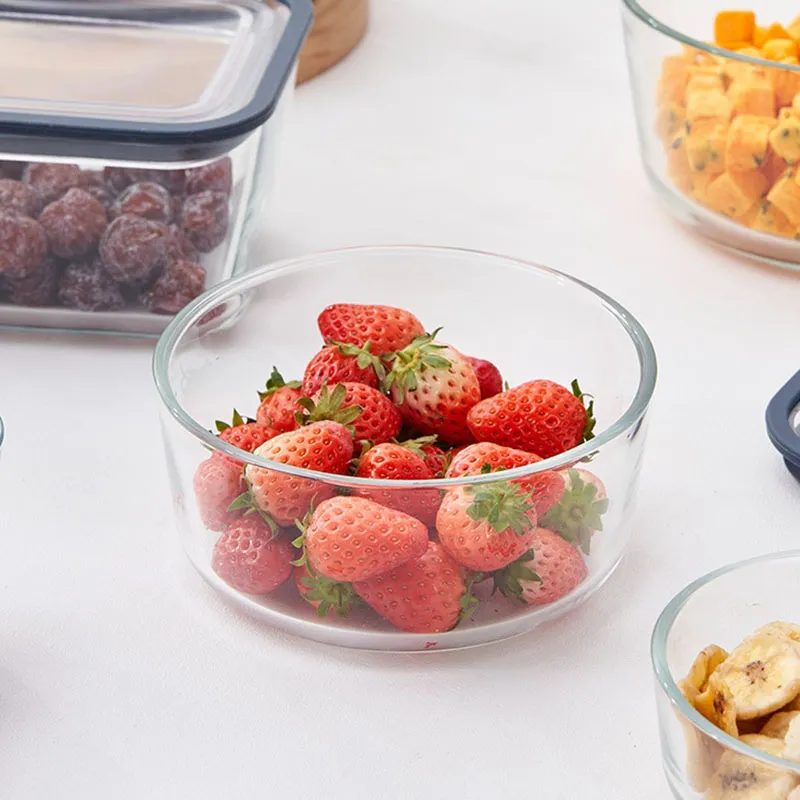
Technical Specifications and Performance Parameters
The "Sliding Vent Valve, Glass Food Storage Containers with Food-grade Plastic Lid, Airtight, Leak-proof" are engineered to meet the rigorous demands of commercial and industrial food handling. The design integrates several key technical features:
Core Specifications:
- Material (Container): High-Borosilicate Glass (Type 3.3). This glass exhibits excellent resistance to thermal shock (typically -20°C to 400°C), making it freezer, microwave, and oven safe. Its low coefficient of thermal expansion (approx. 3.3 x 10^-6 K^-1) minimizes stress during temperature fluctuations.
- Material (Lid): Food-grade Polypropylene (PP) or Tritan, BPA-free. PP is known for its high melting point and chemical resistance, while Tritan offers superior clarity and toughness.
- Seal: Medical-grade Silicone Gasket. Provides an exceptional hermetic seal, crucial for airtight and leak-proof performance. Silicone is highly durable, resistant to extreme temperatures, and remains flexible over time.
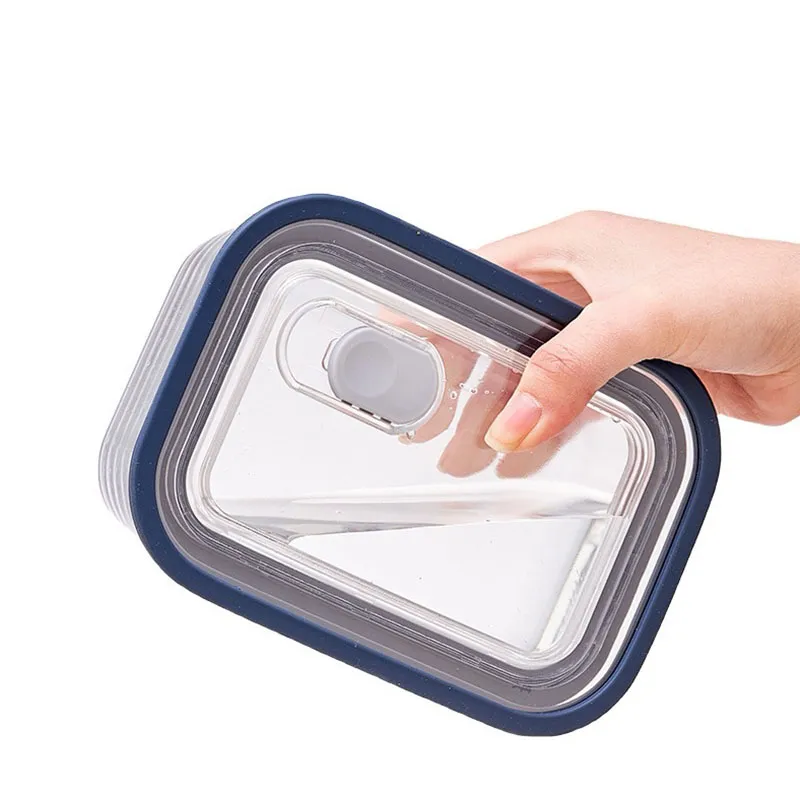
- Ventilation System: Integrated Sliding Vent Valve. This allows for safe microwave reheating by releasing steam pressure without removing the lid, preventing vacuum formation during cooling, and promoting even heating.
- Chemical Inertness: Glass is non-porous and non-reactive, ensuring no leaching of chemicals into food and preventing absorption of odors or stains.
- Durability: Designed for repetitive use in demanding environments, offering significant longevity compared to conventional plastic alternatives.
Product Specification Table (Example Configuration)
| Parameter | Specification (Example for a 10-piece glass food storage container111s set) |
|---|---|
| Container Material | High-Borosilicate Glass (Thermal Shock Resistance: -20°C to 400°C) |
| Lid Material | Food-Grade BPA-Free PP Plastic with Sliding Vent Valve |
| Seal Material | Medical-Grade Silicone Gasket |
| Airtight & Leak-proof | Yes, 4-latch locking system and silicone seal |
| Microwave Safe | Yes (with vent open for glass container111, lid for short reheating) |
| Oven Safe | Glass container111 up to 400°C (Lid NOT oven safe) |
| Freezer Safe | Yes, down to -20°C |
| Dishwasher Safe | Yes, top rack recommended for lids |
| Capacity Range | From 150ml to 2500ml (various shapes: rectangular, round, square) |
| Certifications | FDA, LFGB, ISO 9001 (manufacturing facility) |
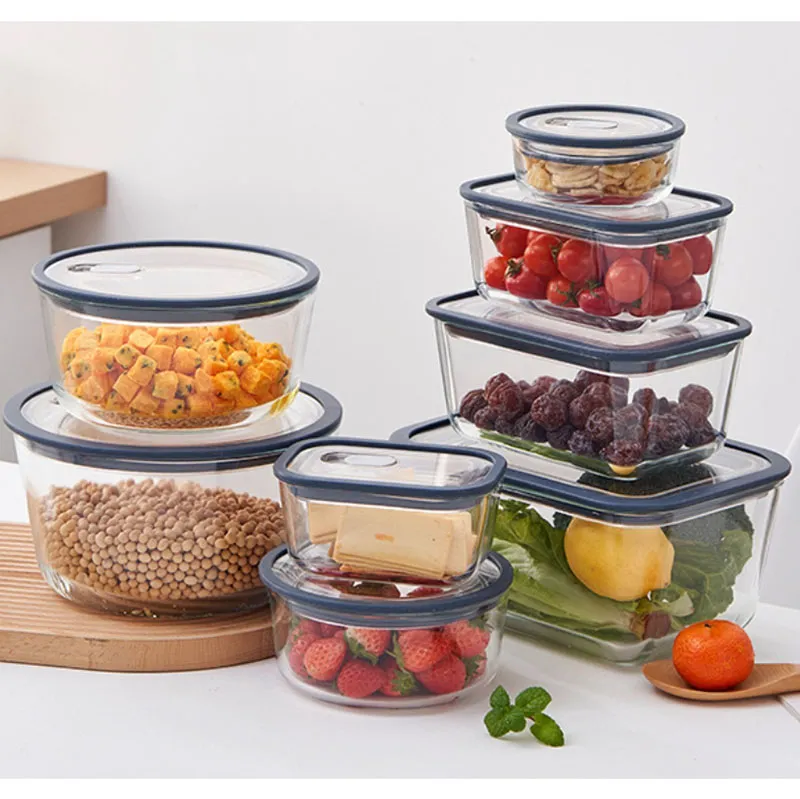
Key Technical Advantages
The selection of an advanced glass food storage container111 system offers several distinct advantages over traditional storage methods:
- Superior Food Preservation: The airtight and leak-proof design, facilitated by the silicone seal and secure latching mechanism, significantly extends the shelf life of stored food by minimizing air exposure and moisture loss. This translates to reduced food waste and improved freshness, critical for businesses managing perishable inventory.
- Thermal Versatility: High-borosilicate glass withstands extreme temperatures, allowing for seamless transition from freezer to oven (without lid) or microwave, streamlining food preparation and reheating processes in busy commercial kitchens. The integrated vent valve enhances microwave safety and efficiency.
- Enhanced Hygiene and Safety: Glass is non-porous, meaning it does not absorb odors, stains, or bacteria, making it exceptionally easy to clean and sanitize. This adherence to high hygiene standards is crucial for industries like healthcare and food service. The food-grade plastic lids are BPA-free, ensuring no harmful chemicals leach into food.
- Corrosion Resistance: Unlike some metallic container111s, glass is entirely non-reactive to acidic or alkaline foods, preserving the integrity and taste of contents without any metallic aftertaste or chemical interaction. This is particularly beneficial for long-term storage of marinades or acidic preparations.
- Environmental Sustainability: Opting for reusable glass container111s reduces reliance on single-use plastics, contributing to corporate sustainability goals and reducing environmental impact. Glass is 100% recyclable and has an exceptionally long service life when properly cared for.
- Operational Efficiency: Clear glass allows for easy identification of contents, reducing time spent searching and improving inventory management. Stackable designs (for specific shapes) optimize storage space in refrigerators, freezers, and pantries.
Application Scenarios and Case Studies
The versatility and robust performance of large glass food storage container111s make them indispensable across a spectrum of industrial and commercial applications.
Typical Application Scenarios:
- Commercial Kitchens & Catering: Ideal for mise en place, storing prepped ingredients, portion control for meal services, and transporting food safely between locations. Their thermal resistance allows for direct cooking and reheating.
- Healthcare & Institutional Food Service: Ensuring sterile and contamination-free food storage for patients and residents. The ease of cleaning and chemical inertness are critical for maintaining health standards.
- Corporate Cafeterias & Meal Programs: Facilitating organized and hygienic storage of bulk ingredients, prepared meals, and individual employee lunches. The microwave-safe feature with the vent valve is highly valued for staff convenience.
- Food Manufacturing & Research Labs: Used for storing samples, ingredients for small batch production, or for conducting experiments where chemical inertness is vital.
- Retail & Deli Operations: Showcasing fresh produce, salads, and prepared foods while maintaining optimal freshness and visual appeal.
Application Case Study: Large Scale Corporate Meal Prep
A multinational tech corporation implemented Yinto Glassware's glass food storage container111s set for its on-site employee meal program, serving over 2,000 meals daily. Previously, the facility relied on plastic container111s, leading to issues with staining, odor retention, and reduced thermal performance. After transitioning to the borosilicate glass sets:
- Food Waste Reduction: A measurable 15% reduction in food spoilage was observed due to superior airtight sealing, extending the freshness of prepped ingredients and uneaten portions.
- Operational Efficiency: Kitchen staff reported a 20% improvement in prep time organization, primarily due to the clear visibility of contents and standardized stacking capabilities of the various sizes. The vent valve system significantly sped up microwave reheating.
- Cost Savings: Over an 18-month period, the long service life of the glass container111s resulted in a 30% decrease in replacement costs compared to the previous plastic inventory. Energy saving for reheating was also noted due to efficient heat transfer of glass.
- Employee Satisfaction: Survey feedback indicated a higher satisfaction rate among employees, who appreciated the premium feel, hygiene, and convenience of reheating their meals in glass.

Vendor Comparison: Yinto Glassware Advantage
When selecting a supplier for glass food storage boxes, B2B decision-makers evaluate factors beyond just initial cost. Reliability, material quality, adherence to standards, and customization capabilities are paramount. Yinto Glassware distinguishes itself through:
- Material Superiority: Exclusive use of high-borosilicate glass and certified food-grade plastics, surpassing industry baseline for thermal resistance and chemical purity.
- Innovative Design: Proprietary "Sliding Vent Valve" design offers a unique functional advantage for microwave use, enhancing convenience and safety.
- Rigorous Quality Control: Adherence to ISO 9001 standards and regular third-party testing (e.g., FDA, LFGB certifications) ensures consistent product quality and compliance.
- Customization Expertise: Capacity to develop bespoke solutions, including custom sizing, branding (logo etching/printing), and specialized lid designs to meet unique client requirements.
- Reliable Supply Chain: Established manufacturing capabilities and efficient logistics ensure consistent product availability and timely delivery for large-scale orders.
Comparison Table: Yinto Glassware vs. Generic Alternatives
| Feature | Yinto Glassware (Sliding Vent Valve glass food storage set) | Generic Borosilicate Glass Containers | Generic Plastic Containers |
|---|---|---|---|
| Glass Type | High-Borosilicate (3.3) | Often Borosilicate (unspecified grade), sometimes Soda-Lime | Various plastics (PP, PET) |
| Lid Venting Mechanism | Integrated Sliding Vent Valve (patented/proprietary) | No vent or simple lift tab/silicone plug | Often no specific vent, lid removal required |
| Airtight/Leak-proof Seal | Premium Silicone, 4-latch locking | Standard Silicone, 2- or 4-latch | Often less reliable, may degrade over time |
| Thermal Shock Resistance | Excellent (-20°C to 400°C) | Good, but range may vary (-20°C to 300°C) | Limited (Freezer to Microwave only, not Oven) |
| Chemical Leaching | None (BPA-free plastic, inert glass) | Minimal (BPA-free plastic, inert glass) | Potential for trace leaching with certain plastics/temperatures |
| Stain/Odor Resistance | Excellent (Glass body, non-porous lid) | Good (Glass body, may stain lids) | Poor (Prone to staining and odor absorption) |
| Certifications | FDA, LFGB, ISO 9001 | Varies, may have basic food contact | May have basic food contact |
Customized Solutions
Recognizing that unique operational requirements demand bespoke solutions, Yinto Glassware offers comprehensive customization services for its glass food storage set products. These tailored approaches ensure seamless integration into existing workflows and reinforce brand identity.
- Volume & Size Customization: Development of container111s in specific capacities (e.g., specialized large glass food storage container111s for bulk storage) or dimensions to fit particular shelving, oven racks, or meal trays.
- Branding & Aesthetics: Options for custom logo etching on glass, or printing on lids. Color customization for lids to match corporate branding or for easy content categorization (e.g., allergens, meal types).
- Lid Mechanism Modifications: While the sliding vent valve is standard, specific vent modifications or alternative closure mechanisms can be engineered for highly specialized applications requiring unique pressure release or vacuum sealing capabilities.
- Packaging Solutions: Tailored bulk packaging for industrial clients, or branded retail-ready packaging for re-distribution.
- Material Specifications: For clients with extreme requirements, specific formulations of glass or plastic can be explored to meet higher chemical resistance or temperature tolerances.
Our engineering team collaborates closely with clients from conceptualization to prototyping and final production, ensuring that every customized glass food storage container111 solution precisely aligns with operational objectives and regulatory compliance.
Authoritativeness and Trustworthiness: Yinto Glassware Commitment
Certifications and Compliance:
Yinto Glassware operates under stringent quality management systems, certified to ISO 9001 standards. Our products consistently meet or exceed international food contact regulations, including FDA (U.S. Food and Drug Administration) and LFGB (German Food and Feed Code) requirements. Regular audits and internal testing protocols ensure every glass food storage set shipped adheres to the highest benchmarks for safety and performance.
FAQ Module:
Q: Are the glass container111s truly oven safe with the lid on?
A: The high-borosilicate glass container111s are oven safe up to 400°C, but the food-grade plastic lids are NOT oven safe. Always remove the lid before placing the glass container111 in the oven. The lid is safe for microwave reheating with the vent open, and for freezer storage.
Q: How does the sliding vent valve work, and what are its benefits?
A: The sliding vent valve on the lid allows for easy release of steam during microwave heating, preventing pressure buildup and potential splatters. It also allows air to escape or enter as needed, preventing vacuum seals from forming when food cools. This ensures safer and more efficient reheating and better food preservation by preventing condensation.
Q: What is the expected service life of a glass food storage container111 from Yinto Glassware?
A: With proper care, our high-borosilicate glass container111s are designed for many years of heavy commercial use. The glass itself is extremely durable, and replacement silicone seals and lids can be sourced to extend the overall lifespan of the product, minimizing environmental impact and total cost of ownership.
Lead Time and Fulfillment:
Standard lead times for bulk orders typically range from 30-45 days, depending on order volume and customization requirements. Expedited production and shipping options are available upon request. Our robust logistics network ensures reliable and timely delivery to global destinations. We maintain clear communication throughout the order fulfillment process, providing regular updates from order confirmation to dispatch and delivery.
Warranty and After-Sales Support:
Yinto Glassware provides a comprehensive 1-year warranty against manufacturing defects for all glass food storage boxes. Our dedicated customer support team is available to assist with any technical inquiries, product issues, or reorder requests. We are committed to fostering long-term partnerships through exceptional product quality and responsive service.
Conclusion
The strategic investment in a high-quality glass food storage set, such as those offered by Yinto Glassware, represents a forward-thinking decision for B2B enterprises. Combining advanced material science with practical, user-centric design, these solutions deliver tangible benefits in terms of food safety, operational efficiency, and long-term cost-effectiveness. By choosing certified, durable, and versatile glass storage, businesses can uphold the highest standards of hygiene and sustainability while optimizing their food management workflows.
References
- Grand View Research. "Food Storage Container Market Size, Share & Trends Analysis Report." Published 2023. Accessed via relevant industry reports.
- ISO 9001:2015 Quality Management Systems – Requirements. International Organization for Standardization.
- U.S. Food and Drug Administration (FDA) regulations for food contact materials.
- LFGB (Lebensmittel-, Bedarfsgegenstände- und Futtermittelgesetzbuch) – German Food and Feed Code.
- ASTM International standards for glass properties and testing.
-
Ultimate Guide to Choosing Big Glass Storage Containers for Every NeedNewsApr.16,2026
-
Small Glass Lunch Containers Guide for Healthy Meal PrepNewsApr.09,2026
-
Comprehensive Guide to Choosing the Best Storage Containers for Dishes and GlassesNewsApr.07,2026
-
Selecting The Optimal 300ml Food Containers For Your Business NeedsNewsApr.04,2026
-
Discover the Benefits of Durable 3 Cup Glass Food Storage ContainersNewsMar.31,2026
-
Comprehensive Guide to Choosing Superior Glass Divided Food ContainersNewsMar.28,2026
![[Extra Large with Handle] Oven Safe Glass Food Storage Container with Airtight Locking Lid & Handle, Oven Safe Dishwasher Safe](https://images.exportstart.com/images/a1251/extra-larger-glass-container-with-snap-locking-lid-164.webp "[Extra Large with Handle] Oven Safe Glass Food Storage Container with Airtight Locking Lid & Handle, Oven Safe Dishwasher Safe")
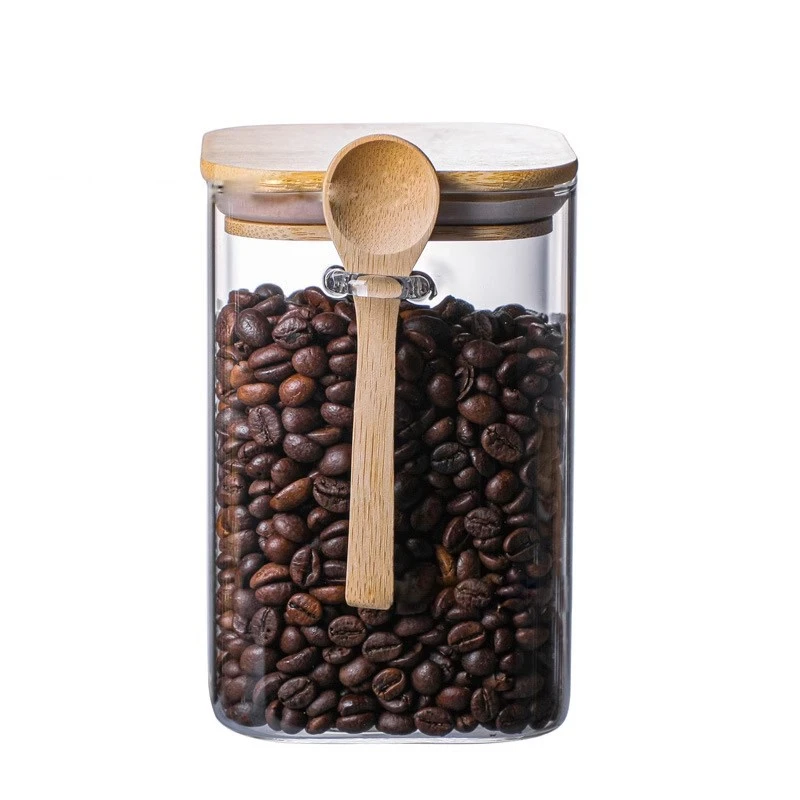
![[All Microwave Safe] High Borosilicate Glass Food Storage Container , Oven Safe without Lid, Dishwasher Safe](https://images.exportstart.com/images/a1251/squre-glass-container-with-glass-lid-518.webp "[All Microwave Safe] High Borosilicate Glass Food Storage Container , Oven Safe without Lid, Dishwasher Safe")
![[Sliding Vent PP Lid] Borosilicate Glass Food Storage Containers with Food-grade Plastic Lid, Airtight, Leak Resistant](https://images.exportstart.com/images/a1251/glass-food-storage-container-with-airtight-lid-183.webp "[Sliding Vent PP Lid] Borosilicate Glass Food Storage Containers with Food-grade Plastic Lid, Airtight, Leak Resistant")
![[Large Skylight Glass Lid] Glass Food Storage Container, Oven Safe with Lid, BPA Free, 100% Leak resistant](https://images.exportstart.com/images/a1251/glass-lid-food-storage-container-1-1-196.webp "[Large Skylight Glass Lid] Glass Food Storage Container, Oven Safe with Lid, BPA Free, 100% Leak resistant")
![[Colorful Vent PP Lid] Glass Food Storage Container, BPA Free, Leakproof, Dishwasher Safe](https://images.exportstart.com/images/a1251/002-1-639.webp "[Colorful Vent PP Lid] Glass Food Storage Container, BPA Free, Leakproof, Dishwasher Safe")
![[Color Vent PP Lid] Borosilicate Glass Food Storage Container, Leakproof, Dishwasher Safe](https://images.exportstart.com/images/a1251/1-941.webp "[Color Vent PP Lid] Borosilicate Glass Food Storage Container, Leakproof, Dishwasher Safe")
![[Vacuum AS] Food Storage Container with Pump](https://images.exportstart.com/images/a1251/7-1-397.webp "[Vacuum AS] Food Storage Container with Pump")