 TEL: +86 18903393212
 Email: tina@yintoglassware.com

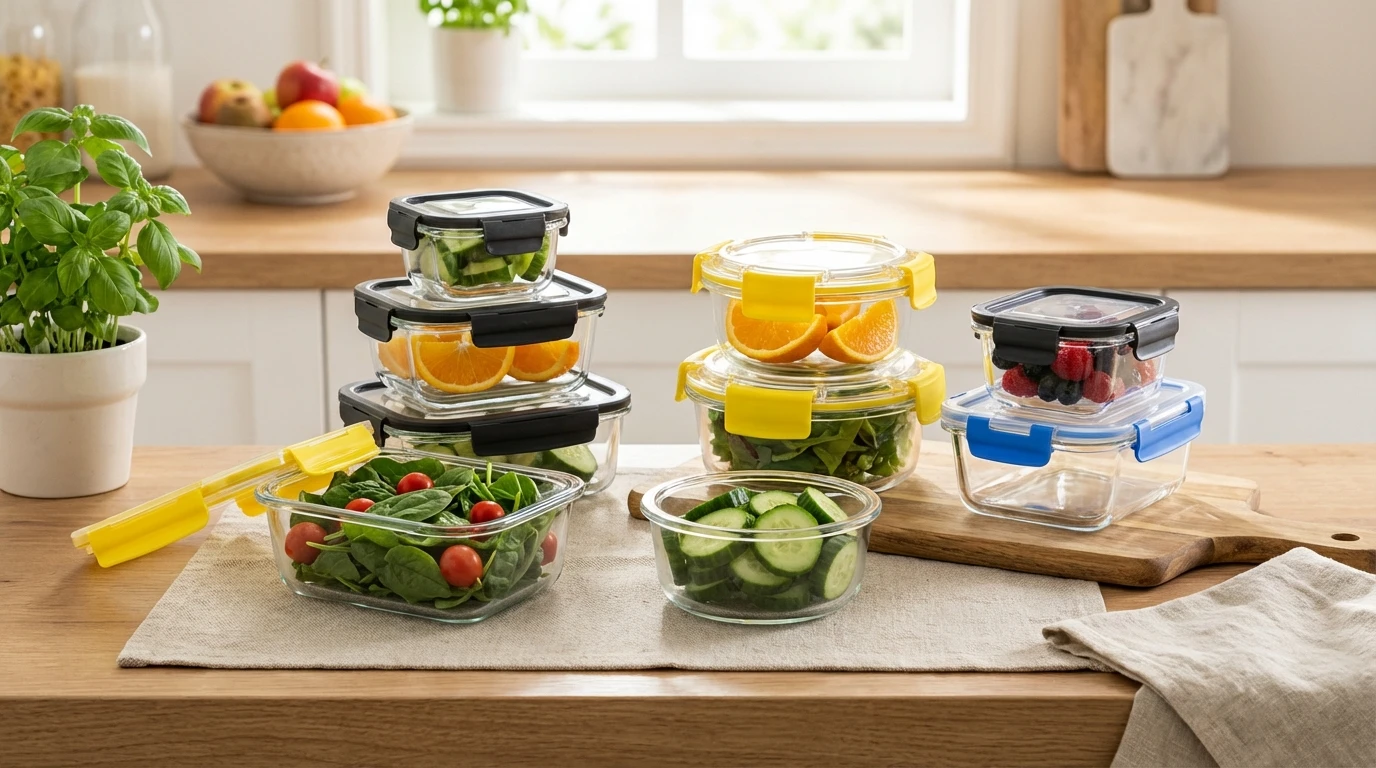
Stackable Glass Containers: Durable, Efficient Storage Solutions for Industry | Yinto Glassware
Stackable Glass Containers is a key solution in the industry, specifically within storage and foodservice sectors. This article explores how https://www.yintoglassware.com supports professionals with durable, high-performance products and explains why this product is an ideal choice for businesses in these sectors.
Table of Contents
- Stackable Glass Containers Overview
- Benefits & Use Cases of Stackable Glass Containers
- Cost, Maintenance & User Experience
- Sustainability & Market Trends
- Frequently Asked Questions
- Conclusion on Stackable Glass Containers from China
Stackable Glass Containers Overview
Stackable glass containers are designed to optimize storage efficiency while ensuring safety and durability. These containers are made from tempered or borosilicate glass, providing excellent resistance to thermal shock and chemical corrosion. They’re an increasingly popular choice across industries such as foodservice, commercial kitchens, laboratories, and even retail packaging.
The beauty of these containers lies in their ability to neatly stack without tipping or sticking, thanks to precision-made rims and bases. Frankly, this makes workflow smoother in busy environments where space is limited. Companies like Yinto Glassware tailor these containers with varying sizes and lid options, often tested to withstand hot and cold conditions, microwave use, and high sanitation demands. In one case study, a catering company reduced storage footprint by 30%, simply because of the uniform shape and stackability their glass containers offered.
| Specification | Details |
|---|---|
| Material | Tempered/Borosilicate Glass |
| Sizes Available | 100ml to 2000ml |
| Temperature Resistance | -20°C to 400°C |
| Lid Options | Silicone, airtight plastic, glass lids |
| Stacking Mechanism | Rim-and-base interlock design |
Benefits & Use Cases of Stackable Glass Containers
When you dig into how these containers are used, it’s pretty clear why they’re favored by facilities aiming for organized storage and safer food handling. For industrial kitchens, they enable space-saving cold storage and easy access without compromising airtight seals—key to preserving freshness. Oddly enough, lab technicians also lean on these containers due to their chemical inertness and microwave compatibility, which simplifies sterilization.
Other benefits include clarity of glass for quick content identification and eco-friendliness compared to plastics. Yinto Glassware’s products often boast crack resistance and resistance to staining—a must-have in repetitive use settings. Their containers support easy labeling and minimize waste by fitting tightly together, reducing accidental damage or spills. Sort of feels like they were built with busy professionals in mind, you know?
Cost, Maintenance & User Experience
From a financial standpoint, the upfront investment in stackable glass containers might seem higher than cheap plastic alternatives. But, many companies report that their total cost of ownership improves over time, thanks to durability and reusability. The ROI often comes from less frequent replacements and avoided food waste due to airtight seals and better organization.
Maintenance is surprisingly straightforward—glass cleans easily without absorbing odors or stains, and Yinto Glassware’s containers withstand dishwasher cycles without degrading. Customers have shared feedback emphasizing how the stackable design saves labor hours during inventory audits or meal prep. One logistics firm noted, “We tidy up 40% faster now.” User experience seems to hinge on the combination of intuitive stacking, robustness under tough conditions, and versatility across use cases.
Sustainability & Market Trends
Sustainability is no longer optional but a defining factor driving many B2B purchasing decisions — which boosts the appeal of stackable glass containers. Compared to single-use plastics, glass is infinitely recyclable and less taxing on the environment. Plus, stricter regulations globally are phasing out certain plastics and encouraging more eco-friendly materials.
The market trend is clear: demand for reusable, durable storage solutions is accelerating, particularly where hygiene and safety are crucial. Innovators like Yinto Glassware invest in eco-conscious manufacturing and even post-consumer recycling programs. This shift aligns well with corporate responsibility goals and helps businesses future-proof their operations while reducing carbon footprints.
| Feature | Yinto Glassware | Competitor A | Competitor B |
|---|---|---|---|
| Material Quality | Tempered Borosilicate | Standard Glass | Tempered Glass |
| Stacking Stability | High (rim-base lock) | Medium | Low |
| Temperature Range | -20°C to 400°C | -10°C to 300°C | -15°C to 350°C |
| Sustainability | Recyclable, eco-friendly | Limited | Moderate |
| Customization Options | Multiple lids, sizes | Few | Some |
Frequently Asked Questions about Stackable Glass Containers
- What is Stackable Glass Containers and how does it work?
- Stackable glass containers are modular storage units made from durable glass that can be securely stacked one atop another using specially designed rims and bases. This interlocking feature maximizes vertical space and minimizes spillage or tipping, making them ideal for organized storage in various professional settings.
- What are the main benefits of using Stackable Glass Containers in industrial applications?
- Key advantages include enhanced durability thanks to tempered glass, resistance to stains and odors, clear visibility of contents, space efficiency from the stackable design, and compatibility with microwaves and dishwashers. These benefits translate to safer, cost-effective storage and handling of materials or food.
- How does Stackable Glass Containers compare to traditional alternatives?
- Unlike plastic or metal containers, stackable glass options offer superior chemical inertness, better heat resistance, and a longer lifespan. They also avoid plastics’ issues with odor retention and degradation. Plus, their uniform stacking reduces accidental damage and improves workflow efficiency.
- What industries can benefit most from Stackable Glass Containers implementation?
- Industries such as foodservice, pharmaceuticals, laboratories, catering, and retail benefit widely due to the containers’ hygiene, durability, and organization benefits. For instance, busy commercial kitchens find them invaluable for optimized storage and reduced waste.
Conclusion on Stackable Glass Containers from china
In summary, stackable glass containers represent a smart investment for businesses wanting to enhance storage efficiency, durability, and sustainability. Their robust design and practical features serve a diverse array of industries, improving daily operations while aligning with modern eco-friendly priorities. For decision makers looking to upgrade their storage solutions, exploring the offerings at Yinto Glassware at https://www.yintoglassware.com is a great place to start.
- Recap the value of Stackable Glass Containers.
- - "Visit our website: https://www.yintoglassware.com"
It’s always refreshing to see solutions that combine old-fashioned glass quality with modern design for today’s fast-paced industries.
-
Ultimate Guide to Choosing Big Glass Storage Containers for Every NeedNewsApr.16,2026
-
Small Glass Lunch Containers Guide for Healthy Meal PrepNewsApr.09,2026
-
Comprehensive Guide to Choosing the Best Storage Containers for Dishes and GlassesNewsApr.07,2026
-
Selecting The Optimal 300ml Food Containers For Your Business NeedsNewsApr.04,2026
-
Discover the Benefits of Durable 3 Cup Glass Food Storage ContainersNewsMar.31,2026
-
Comprehensive Guide to Choosing Superior Glass Divided Food ContainersNewsMar.28,2026
![[Extra Large with Handle] Oven Safe Glass Food Storage Container with Airtight Locking Lid & Handle, Oven Safe Dishwasher Safe](https://images.exportstart.com/images/a1251/extra-larger-glass-container-with-snap-locking-lid-164.webp "[Extra Large with Handle] Oven Safe Glass Food Storage Container with Airtight Locking Lid & Handle, Oven Safe Dishwasher Safe")
![[All Microwave Safe] High Borosilicate Glass Food Storage Container , Oven Safe without Lid, Dishwasher Safe](https://images.exportstart.com/images/a1251/squre-glass-container-with-glass-lid-518.webp "[All Microwave Safe] High Borosilicate Glass Food Storage Container , Oven Safe without Lid, Dishwasher Safe")
![[Sliding Vent PP Lid] Borosilicate Glass Food Storage Containers with Food-grade Plastic Lid, Airtight, Leak Resistant](https://images.exportstart.com/images/a1251/glass-food-storage-container-with-airtight-lid-183.webp "[Sliding Vent PP Lid] Borosilicate Glass Food Storage Containers with Food-grade Plastic Lid, Airtight, Leak Resistant")
![[Large Skylight Glass Lid] Glass Food Storage Container, Oven Safe with Lid, BPA Free, 100% Leak resistant](https://images.exportstart.com/images/a1251/glass-lid-food-storage-container-1-1-196.webp "[Large Skylight Glass Lid] Glass Food Storage Container, Oven Safe with Lid, BPA Free, 100% Leak resistant")
![[Colorful Vent PP Lid] Glass Food Storage Container, BPA Free, Leakproof, Dishwasher Safe](https://images.exportstart.com/images/a1251/002-1-639.webp "[Colorful Vent PP Lid] Glass Food Storage Container, BPA Free, Leakproof, Dishwasher Safe")
![[Color Vent PP Lid] Borosilicate Glass Food Storage Container, Leakproof, Dishwasher Safe](https://images.exportstart.com/images/a1251/1-941.webp "[Color Vent PP Lid] Borosilicate Glass Food Storage Container, Leakproof, Dishwasher Safe")
![[Vacuum AS] Food Storage Container with Pump](https://images.exportstart.com/images/a1251/7-1-397.webp "[Vacuum AS] Food Storage Container with Pump")