 TEL: +86 18903393212
 Email: tina@yintoglassware.com

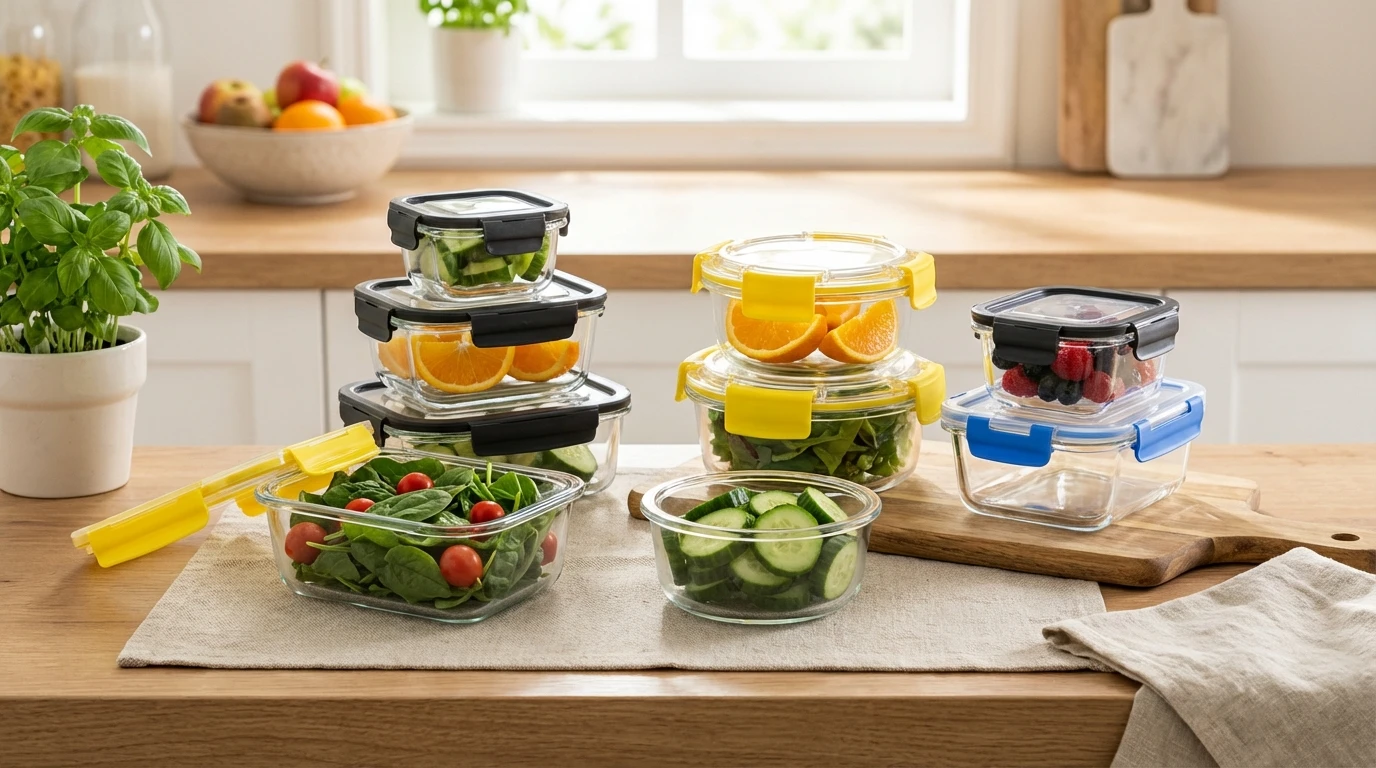
Sustainable Glass Bottle with Bamboo Lid – Eco-Friendly Packaging Solutions
The Rising Demand for Glass Bottles with Bamboo Lids: A Sustainable Packaging Solution
In the evolving global push for sustainability and eco-conscious packaging, the glass bottle with bamboo lid is carving a notable niche. But why does it matter beyond just looking good on a store shelf? Well, this combination isn’t just about aesthetics; it speaks volumes on environmental impact, durability, and modern lifestyle needs. Around the world, industries—from beverages to cosmetics—are reconsidering their packaging choices under growing scrutiny about plastic waste and carbon footprints. Understanding this product means grasping how innovation, nature, and practicality collide in everyday objects that shape how we consume.
Why Glass Bottles with Bamboo Lids Are Gaining Global Attention
According to the United Nations Environment Programme (UNEP), plastic production has skyrocketed to nearly 400 million tons a year worldwide, with only 9% effectively recycled. Packaging is a major culprit, especially single-use plastics. Against this backdrop, glass bottles fitted with bamboo lids present an elegant substitute that balances tradition with green innovation.
Glass, renowned for its 100% recyclability and inert nature, combined with fast-growing, renewable bamboo — one of the strongest natural materials — offers a savvy alternative to plastic caps and lids. Additionally, the global natural personal care market alone is projected to exceed $22 billion by 2025, increasing demand for eco-friendly packaging in cosmetics and food industries alike.
However, challenges persist, such as cost pressures and production scalability, which these products are steadily addressing through smarter manufacturing and sourcing.
What Exactly Is a Glass Bottle with Bamboo Lid?
Simply put, this product consists of a transparent or tinted glass container sealed with a tightly fitting lid made primarily from bamboo. The bamboo lid may include a silicone gasket or screw-top mechanism to ensure airtightness and avoid spills. These bottles serve both functional and decorative roles, often used for beverages, essential oils, bath salts, and even artisanal condiments.
On a broader scale, they represent a growing consumer trend toward materials that are biodegradable, non-toxic, and socially responsible. Some humanitarian organizations advocate for them in hydration and food packaging solutions where plastic waste exacerbates health and sanitation problems.
Core Components That Make These Bottles Stand Out
Durability & Reusability
Glass is naturally resistant to wear and chemical interactions, making it ideal for repeated use. Bamboo’s hardness and moisture resistance mean the lids last long without cracking or warping as plastic often does.
Eco-Friendly Material Choices
Bamboo grows quickly—up to a meter a day in some species—which means it’s a highly renewable resource. Plus, glass is endlessly recyclable without loss of quality, unlike some plastics.
Design Versatility
Manufacturers can customize bottle shapes, glass tints (clear, amber, green), and finishings while engraving or refining bamboo lids for a premium feel.
Safety & Food Compatibility
Both materials are non-reactive; bamboo lids often use FDA-approved sealants when necessary, making the combination safe for consumables.
Cost Efficiency Over Time
Though the upfront cost might exceed plastic counterparts, consumers benefit from the bottle’s longevity and reusability, reducing repeat purchases and waste.
Mini Takeaway:
Durable, eco-responsible, and elegant: A glass bottle with bamboo lid blends environmental benefits with real-world practicality.
How Glass Bottles with Bamboo Lids Are Used Worldwide
Regions across Europe, North America, and parts of Asia have embraced these bottles for their green marketing appeal and reduced ecological footprint. For example, some organic juice brands in Scandinavia package their products exclusively in glass bottles topped with bamboo lids to cater to conscientious consumers.
In humanitarian situations—say, disaster relief camps—these bottles serve as reusable water containers, reducing the reliance on disposable plastics that are hard to collect and recycle in such scenarios. Similarly, luxury cosmetic companies in Japan and South Korea are switching to bamboo-lid glass containers for serums and facial mists, valuing the tactile, warm touch bamboo adds compared to cold metal or plastic.
Even wedding planners and event organizers are happy to rely on these bottles as favored alternatives for guest favors or table water bottles, blending sustainability with style.
Advantages and Long-Term Value of Glass Bottles with Bamboo Lids
- Sustainability: They reduce plastic waste and cut the carbon emissions related to packaging.
- Brand Differentiation: Companies get to share their sustainable commitments visibly.
- Social Impact: Using natural materials like bamboo supports farmers and communities in cultivating sustainable resources.
- Product Safety: No chemical leaching, ideal for health-conscious consumers.
- Emotional Connection: Bamboo’s tactile feel often triggers calm, natural vibes, fostering trust and loyalty.
Product Specifications for a Standard Glass Bottle with Bamboo Lid
| Specification | Details |
|---|---|
| Bottle Material | Borosilicate Glass |
| Bottle Capacity | 500 ml / 16.9 fl oz |
| Bottle Color | Clear, Amber, or Green Tinted |
| Lid Material | Premium Bamboo with Silicone Gasket |
| Closure Type | Screw Cap / Airtight Seal |
| Dimensions | Height: 22 cm, Diameter: 7 cm |
| FDA/CE Certification | Yes (Food Grade Materials) |
Vendor Comparison: Leading Glass Bottle with Bamboo Lid Suppliers
| Supplier | Product Range | Customization Options | Lead Time | MOQ (Minimum Order Quantity) |
|---|---|---|---|---|
| Yinto Glassware | Bottles, jars, bamboo lids | Logo engraving, color tinting | 15–20 days | 500 pcs |
| EcoPack Solutions | Wide glass bottle variants | Limited engraving | 10–15 days | 1000 pcs |
| GreenLid Innovations | Bamboo lids & accessories | Custom bamboo shape | 20–30 days | 300 pcs |
Looking Ahead: Innovations and Trends
It feels kind of exciting that even a traditional product like glass bottles can evolve with green tech. For instance, manufacturers are now exploring smart bamboo lids integrated with NFC tags or QR codes to help consumers verify authenticity or recycling instructions digitally. Others experiment with bamboo sourced from agroforestry projects, ensuring ethical supply chains.
Meanwhile, glass recyclers are improving closed-loop systems, minimizing energy use during bottling cycles. Some firms also consider laser etching directly onto glass and bamboo, avoiding inks or paints altogether.
Facing Challenges: What Holds Back Full Adoption?
Cost remains the biggest hurdle, especially for large-scale adoption in price-sensitive markets. Fragility concerns also give some buyers pause; after all, glass breaks, and bamboo lids can chip if mishandled.
Innovative solutions include silicone-coated bamboo lids or hybrid lids with bamboo exteriors and stainless steel interiors for added strength. Also, modular packaging systems allow broken parts to be replaced rather than discarding the whole bottle.
FAQ: Frequently Asked Questions About Glass Bottles with Bamboo Lids
Q1: Are glass bottles with bamboo lids safe for hot liquids?
A1: Generally, yes—especially if the glass is borosilicate, which tolerates thermal shock better than standard glass. However, bamboo lids might not perform well with boiling water due to potential expansion or degradation of the sealing gasket. It's recommended to check manufacturer guidelines.
Q2: How do I clean and maintain these bottles?
A2: Glass bottles can be washed with warm soapy water or put in dishwashers if labeled 'dishwasher safe.' Bamboo lids require gentle hand cleaning to preserve their finish and to avoid mold. Occasional oiling of the bamboo can keep it looking fresh.
Q3: Can the bamboo lids be customized for branding?
A3: Definitely. Many suppliers offer engraving or laser etching services to add logos or messages, perfect for product differentiation or gifting.
Q4: How sustainable are bamboo lids compared to plastic caps?
A4: Bamboo is renewable and biodegradable, whereas plastics often remain polluting for centuries. Bamboo’s quicker growth cycle and lower processing emissions mean a far smaller ecological footprint overall.
Q5: Where can I buy quality glass bottles with bamboo lids in bulk?
A5: Reliable manufacturers like Yinto Glassware provide bulk, customizable options with certifications. It’s wise to request samples and certifications before large orders.
Conclusion
Glass bottles with bamboo lids aren’t just packaging; they’re a statement—of care, innovation, and attention to our planet’s future. If you’re looking to upgrade your product line or embrace a greener lifestyle, these bottles blend functionality with beauty and responsibility. Explore your options and, frankly, try one out—it might become your favorite everyday companion.
For tailored solutions and bulk purchases, be sure to visit our website. The small choice of switching to glass bottles and bamboo lids today makes a big difference tomorrow.
References
- United Nations Environment Programme – Plastics: https://www.unep.org/resources/report/plastics-crisis
- Global Natural Personal Care Market, Statista 2023
- ISO standard 18604: Glass containers — Refillable and reusable glass packaging — Requirements and test methods
-
Ultimate Guide to Choosing Big Glass Storage Containers for Every NeedNewsApr.16,2026
-
Small Glass Lunch Containers Guide for Healthy Meal PrepNewsApr.09,2026
-
Comprehensive Guide to Choosing the Best Storage Containers for Dishes and GlassesNewsApr.07,2026
-
Selecting The Optimal 300ml Food Containers For Your Business NeedsNewsApr.04,2026
-
Discover the Benefits of Durable 3 Cup Glass Food Storage ContainersNewsMar.31,2026
-
Comprehensive Guide to Choosing Superior Glass Divided Food ContainersNewsMar.28,2026
![[Extra Large with Handle] Oven Safe Glass Food Storage Container with Airtight Locking Lid & Handle, Oven Safe Dishwasher Safe](https://images.exportstart.com/images/a1251/extra-larger-glass-container-with-snap-locking-lid-164.webp "[Extra Large with Handle] Oven Safe Glass Food Storage Container with Airtight Locking Lid & Handle, Oven Safe Dishwasher Safe")
![[All Microwave Safe] High Borosilicate Glass Food Storage Container , Oven Safe without Lid, Dishwasher Safe](https://images.exportstart.com/images/a1251/squre-glass-container-with-glass-lid-518.webp "[All Microwave Safe] High Borosilicate Glass Food Storage Container , Oven Safe without Lid, Dishwasher Safe")
![[Sliding Vent PP Lid] Borosilicate Glass Food Storage Containers with Food-grade Plastic Lid, Airtight, Leak Resistant](https://images.exportstart.com/images/a1251/glass-food-storage-container-with-airtight-lid-183.webp "[Sliding Vent PP Lid] Borosilicate Glass Food Storage Containers with Food-grade Plastic Lid, Airtight, Leak Resistant")
![[Large Skylight Glass Lid] Glass Food Storage Container, Oven Safe with Lid, BPA Free, 100% Leak resistant](https://images.exportstart.com/images/a1251/glass-lid-food-storage-container-1-1-196.webp "[Large Skylight Glass Lid] Glass Food Storage Container, Oven Safe with Lid, BPA Free, 100% Leak resistant")
![[Colorful Vent PP Lid] Glass Food Storage Container, BPA Free, Leakproof, Dishwasher Safe](https://images.exportstart.com/images/a1251/002-1-639.webp "[Colorful Vent PP Lid] Glass Food Storage Container, BPA Free, Leakproof, Dishwasher Safe")
![[Color Vent PP Lid] Borosilicate Glass Food Storage Container, Leakproof, Dishwasher Safe](https://images.exportstart.com/images/a1251/1-941.webp "[Color Vent PP Lid] Borosilicate Glass Food Storage Container, Leakproof, Dishwasher Safe")
![[Vacuum AS] Food Storage Container with Pump](https://images.exportstart.com/images/a1251/7-1-397.webp "[Vacuum AS] Food Storage Container with Pump")