 TEL: +86 18903393212
 Email: tina@yintoglassware.com

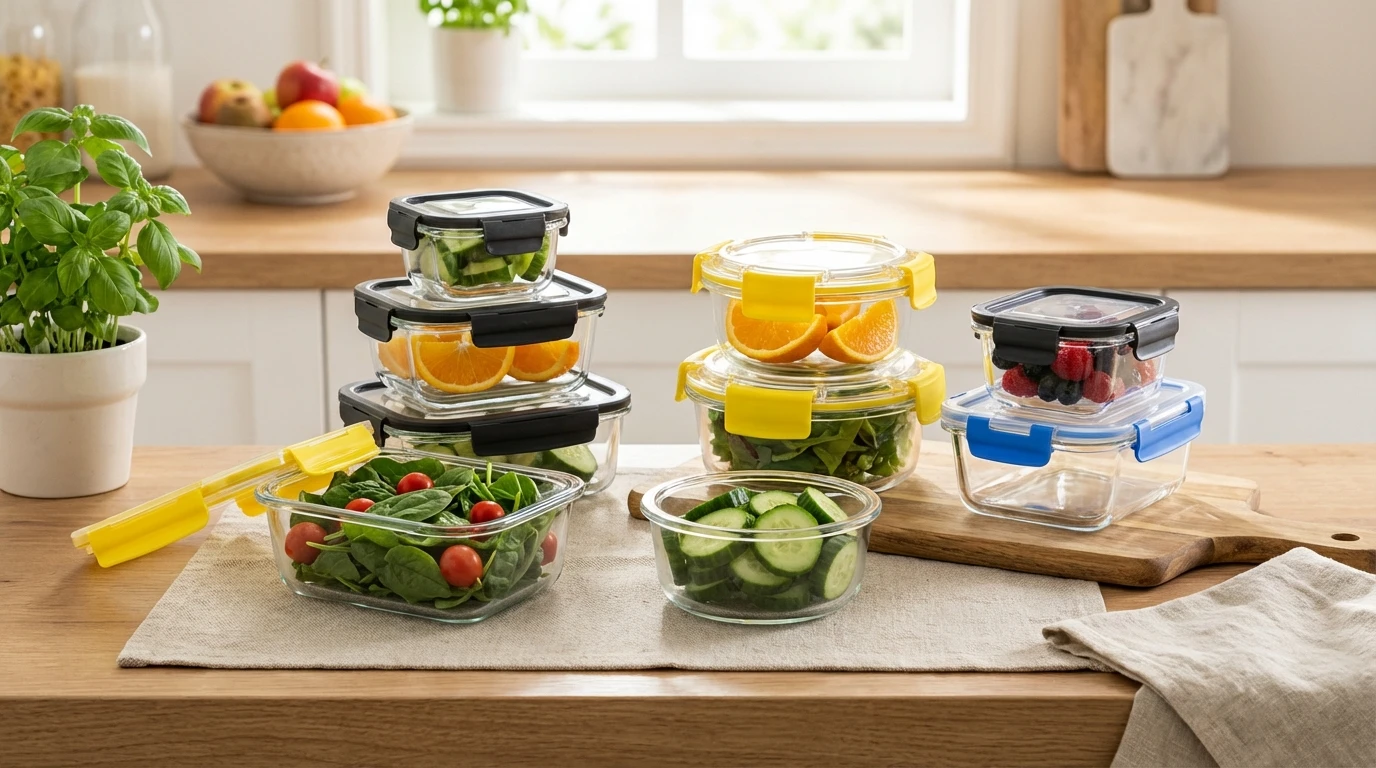
Sustainable Hydration: Benefits of Glass Water Bottles with Bamboo Lids
Why the Glass Water Bottle with Bamboo Lid Matters More Than You Think
We often overlook something as simple as a water bottle. But when it’s a glass water bottle with bamboo lid, suddenly it’s not just a bottle. It’s an emblem of sustainability, design, and global awareness all wrapped into one. The world is drowning (pun intended) in single-use plastics, and with the more conscious consumer popping up every day, alternatives like these are trending hard. From reducing plastic waste to ensuring cleaner drinking experiences, these particular bottles fit the modern mindset.
Globally, plastic pollution is staggering – the UN estimates that around 300 million tons of plastic waste are produced annually, a large chunk being single-use plastic containers (1). Enter glass water bottles with bamboo lids: renewable, reusable, and remarkably chic. They don't just quench thirst; they contribute to a quieter environmental revolution.
Mini takeaway: Choosing sustainable drinkware like a glass water bottle with bamboo lid isn’t just a personal choice; it’s a step toward a global challenge's solution.
The Global Context: Why This Eco-Friendly Bottle Gains Ground
According to the World Bank, global plastic production has multiplied exponentially over the last five decades, with less than 10% ever being recycled properly (2). Rising awareness about microplastics contamination in water sources and the health risks it poses have pushed consumers and industries towards safer alternatives.
Glass, being inert, doesn’t leach chemicals, unlike many plastics when exposed to heat or prolonged use. Bamboo lids offer a biodegradable, rapidly renewable alternative to plastic caps, aligning perfectly with strict environmental standards set by organizations like ISO (ISO 14001 for environmental management).
But it’s not just consumers. NGOs working in disaster relief zones are keen to switch to packages less prone to environmental damage. The shift also addresses the aesthetic craving for natural, minimalist products – a curious blend of science and style that makes these bottles household essentials.
What Exactly is a Glass Water Bottle with Bamboo Lid?
Simply put, it's a container for drinking water made primarily from glass, topped with a lid crafted from bamboo. The bamboo lid often includes a silicone seal to prevent leaks, ensuring practicality meets elegance.
In an industrial or humanitarian context, these bottles offer a contamination-free way to transport water — crucial in remote zones or refugee camps where plastic bottles might introduce health hazards or create enormous waste piles.
Core Features of Glass Water Bottles with Bamboo Lids
1. Durability
Although glass tends to break easier than plastic, modern manufacturing techniques, like tempered or borosilicate glass, significantly improve shock resistance. I noticed many brands touting double-walled glass to keep water cool and minimize accidental breakage.
2. Sustainability
Glass is infinitely recyclable, and bamboo regenerates rapidly (some species grow nearly a meter a day!), making these bottles a neat pairing with much smaller environmental footprints.
3. Safety and Health
Unlike many plastics, glass does not leach harmful chemicals. Bamboo lids avoid plastic usage but require proper treatment to resist mold and cracks.
4. Aesthetic Appeal
The natural grain of bamboo adds a warm, rustic touch that plastic can’t match, making it popular for eco-conscious users and those seeking minimalistic design.
5. Practicality
Bamboo lids often come with silicone gaskets for tight sealing but require hand-washing. The glass bodies themselves are dishwasher-safe in most cases.
Mini takeaway:
It feels like this combo cleverly balances style, health, and environmental responsibility, though careful use is recommended to keep them lasting.
Global Use Cases and Industry Applications
In Europe, outdoor brands equip hikers and cyclists with glass bottles featuring bamboo lids, citing both performance and eco credentials. Around the U.S., boutique cafés showcase these bottles to reduce single-use plastic waste.
Interestingly, in post-disaster relief efforts, organizations emphasize reusable glass bottles to avoid harmful plastic residues in water supplies. Remote industrial sites use them to ensure chemical-free hydration for staff – something oddly crucial when hazards abound.
Even offices are replacing plastic bottles with these as part of employee wellness and green initiatives. The glass water bottle with bamboo lid fits in corporate gifting or awareness campaigns perfectly.
Product Specification Table
| Feature | Specification |
|---|---|
| Material (Body) | Borosilicate Glass |
| Material (Lid) | Natural Bamboo with Silicone Seal |
| Capacity | 500 ml / 750 ml / 1L |
| Weight (Empty) | Approximately 350g (500 ml size) |
| Leakproof | Yes, with Silicone Seal |
| Care Instructions | Dishwasher-safe glass, hand wash lid |
| Certifications | BPA-Free, FDA approved materials |
Advantages and Lasting Benefits
- Cost-effectiveness: While the upfront price might be higher than plastic bottles, longevity and recyclability lower lifetime costs.
- Environmental impact: Significant reduction in landfill and ocean plastic waste.
- Health benefits: No chemical leaching, BPA-free materials, and naturally antibacterial bamboo.
- Social impact: Promotes conscious consumerism and supports sustainable bamboo farming communities.
Frankly, drinking from a glass water bottle with a bamboo lid somehow feels more intentional. People say it inspires mindfulness, a small act adding up to big change.
Future Trends and Innovations on the Horizon
Looking ahead, manufacturers are experimenting with carbon-neutral production lines and integrating smart tech — like temperature sensors embedded in glass or bamboo— to track hydration levels. Plus, bamboo treatment methods are improving to boost lid durability without chemical coatings.
Policy-wise, many governments are pushing stricter regulations on single-use plastics, indirectly boosting demand for bottle alternatives like these. Digital customization for bulk corporate orders is making these eco-friendly bottles even more popular as branded gifts.
Challenges and Potential Solutions
Of course, glass is heavier, more fragile, and requires careful handling compared to plastic. Bamboo lids, though beautiful, can sometimes warp if overexposed to moisture. But recent advances in bamboo lamination and silicone seals have reduced these risks significantly.
Some vendors also implement recycling programs — you send back end-of-life bottles and lids for responsible breakdown and reuse, closing the loop neatly.
Comparing Vendors: What You Should Know
| Vendor | Price Range | Material Quality | Customization Options | Sustainability Certifications |
|---|---|---|---|---|
| EcoSip Bottles | $20–$35 | Premium Borosilicate | Laser Engraving | FSC Certified Bamboo, BPA-Free |
| GreenHydrate | $18–$30 | Standard Glass, Tempered | Color Prints | ISO 14001 |
| BambooFlow | $22–$38 | Borosilicate Boron Glass | Embossing and Color Options | Fair Trade Bamboo |
Frequently Asked Questions About Glass Water Bottles with Bamboo Lids
Q1: Are glass water bottles with bamboo lids safer than plastic bottles?
A: Yes, because glass doesn't leach harmful chemicals even when exposed to heat or UV rays. Bamboo lids are naturally antibacterial but should be properly maintained to avoid cracks or mold. Overall, they offer a safer and healthier drinking experience.
Q2: How long does a bamboo lid typically last?
A: With regular care — such as hand-washing and avoiding soaking — bamboo lids can last several years. Some users replace the silicone seal annually for optimum leak protection.
Q3: Can I put a glass water bottle with a bamboo lid in the dishwasher?
A: Generally, the glass body is dishwasher-safe but the bamboo lid should always be hand-washed to preserve its finish and prevent cracking.
Q4: Are these bottles suitable for hot beverages?
A: Most borosilicate glass bottles handle temperature changes fairly well, so they can generally hold hot drinks. However, bamboo lids may warp if exposed to extreme heat, so caution is advised.
Q5: How do I clean the bamboo lid effectively?
A: Simply wipe with a damp cloth or hand wash with mild soap. Avoid soaking the bamboo for long periods and dry immediately to extend its lifespan.
Wrapping Up: Why This Bottle is a Small Revolution
In a world where sustainability and health increasingly guide purchasing decisions, the glass water bottle with bamboo lid strikes a rare balance: beautiful, practical, and eco-aware. It’s not just a container but a quiet statement about values and future-thinking.
If you haven’t tried one yet, maybe now’s the time — your daily hydration just got an upgrade, and with it, a better future.
Ready to make the switch? Visit our website for an exclusive selection designed for both style and sustainability.
References
-
Ultimate Guide to Choosing Big Glass Storage Containers for Every NeedNewsApr.16,2026
-
Small Glass Lunch Containers Guide for Healthy Meal PrepNewsApr.09,2026
-
Comprehensive Guide to Choosing the Best Storage Containers for Dishes and GlassesNewsApr.07,2026
-
Selecting The Optimal 300ml Food Containers For Your Business NeedsNewsApr.04,2026
-
Discover the Benefits of Durable 3 Cup Glass Food Storage ContainersNewsMar.31,2026
-
Comprehensive Guide to Choosing Superior Glass Divided Food ContainersNewsMar.28,2026
![[Extra Large with Handle] Oven Safe Glass Food Storage Container with Airtight Locking Lid & Handle, Oven Safe Dishwasher Safe](https://images.exportstart.com/images/a1251/extra-larger-glass-container-with-snap-locking-lid-164.webp "[Extra Large with Handle] Oven Safe Glass Food Storage Container with Airtight Locking Lid & Handle, Oven Safe Dishwasher Safe")
![[All Microwave Safe] High Borosilicate Glass Food Storage Container , Oven Safe without Lid, Dishwasher Safe](https://images.exportstart.com/images/a1251/squre-glass-container-with-glass-lid-518.webp "[All Microwave Safe] High Borosilicate Glass Food Storage Container , Oven Safe without Lid, Dishwasher Safe")
![[Sliding Vent PP Lid] Borosilicate Glass Food Storage Containers with Food-grade Plastic Lid, Airtight, Leak Resistant](https://images.exportstart.com/images/a1251/glass-food-storage-container-with-airtight-lid-183.webp "[Sliding Vent PP Lid] Borosilicate Glass Food Storage Containers with Food-grade Plastic Lid, Airtight, Leak Resistant")
![[Large Skylight Glass Lid] Glass Food Storage Container, Oven Safe with Lid, BPA Free, 100% Leak resistant](https://images.exportstart.com/images/a1251/glass-lid-food-storage-container-1-1-196.webp "[Large Skylight Glass Lid] Glass Food Storage Container, Oven Safe with Lid, BPA Free, 100% Leak resistant")
![[Colorful Vent PP Lid] Glass Food Storage Container, BPA Free, Leakproof, Dishwasher Safe](https://images.exportstart.com/images/a1251/002-1-639.webp "[Colorful Vent PP Lid] Glass Food Storage Container, BPA Free, Leakproof, Dishwasher Safe")
![[Color Vent PP Lid] Borosilicate Glass Food Storage Container, Leakproof, Dishwasher Safe](https://images.exportstart.com/images/a1251/1-941.webp "[Color Vent PP Lid] Borosilicate Glass Food Storage Container, Leakproof, Dishwasher Safe")
![[Vacuum AS] Food Storage Container with Pump](https://images.exportstart.com/images/a1251/7-1-397.webp "[Vacuum AS] Food Storage Container with Pump")