 TEL: +86 18903393212
 Email: tina@yintoglassware.com

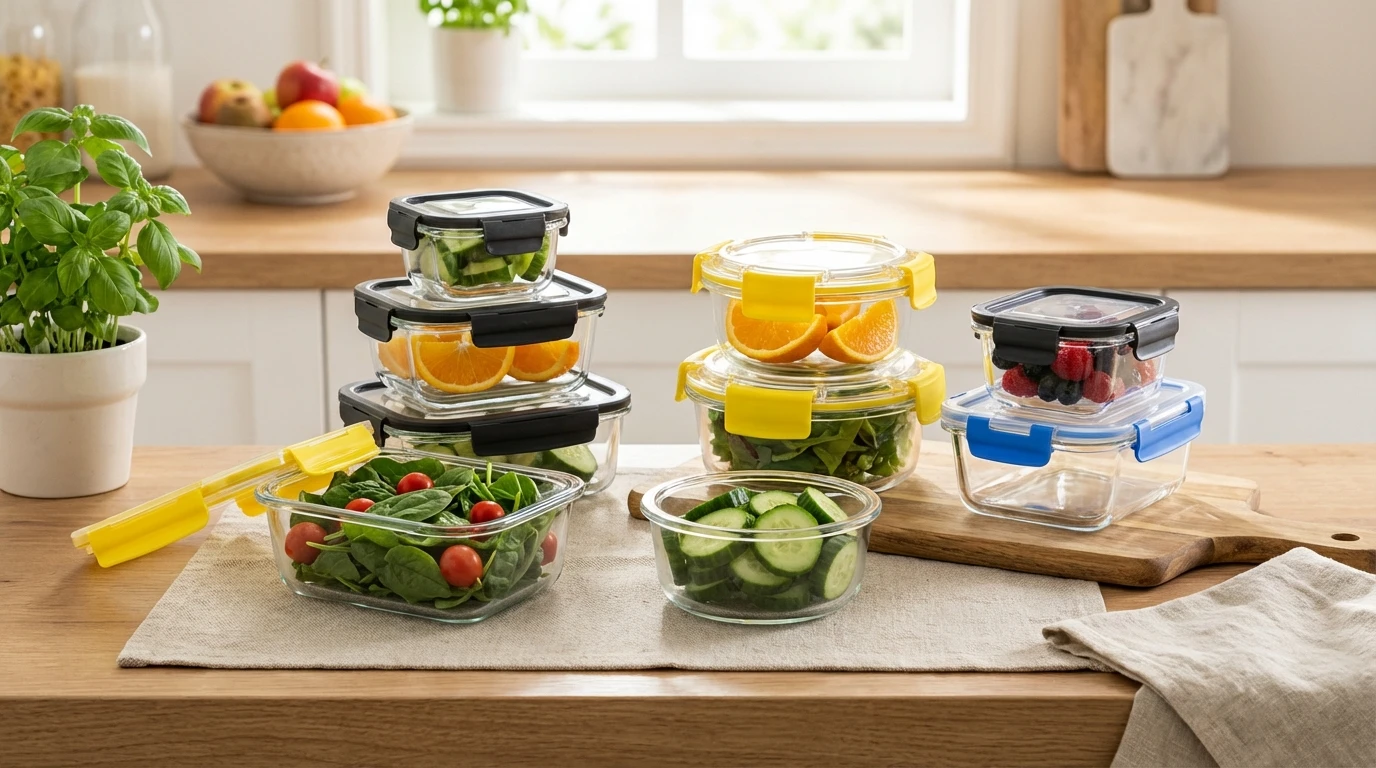
Understanding Borosilicate Glass Bottle Price: A Global Guide to Value and Sustainability
Borosilicate Glass Bottle Price: Understanding Value in a Global Context
In today's fast-evolving landscape of sustainable packaging and durable glassware solutions, borosilicate glass bottle price is more than just a number — it reflects a commitment to quality, longevity, and environmental responsibility. Why does this matter globally? Because as the world pushes towards more sustainable materials, understanding the cost factors behind such specialized products becomes crucial for manufacturers, NGOs, and consumers alike. From the healthcare industry to humanitarian aid efforts, the choice of borosilicate glass bottles impacts reliability, safety, and ultimately, the bottom line.
Introduction: Global Perspective on Borosilicate Glass Bottle Pricing
Borosilicate glass, known for its remarkable thermal resistance and chemical durability, has cemented its position in industries worldwide. According to the International Organization for Standardization (ISO), borosilicate glass is critical in sectors where contamination and breakage are unacceptable.[1] However, the price of borosilicate glass bottles varies significantly across regions due to raw material availability, manufacturing processes, and logistics.
Consider this: The United Nations Environment Programme highlights packaging as one of the fastest-growing waste streams globally, prompting a demand for reusable, durable packing solutions. This raises a conundrum — bioplastics offer eco-appeal but often lack durability or safety; borosilicate glass bottles, while more costly upfront, provide longevity but can be perceived as expensive in developing markets. The challenge here is balancing affordability with functionality, especially when distributing products to remote areas or disaster zones.
Mini takeaway: Globally, understanding borosilicate glass bottle price helps stakeholders weigh upfront investment against long-term sustainability and safety goals.
What Is Borosilicate Glass Bottle Price?
In plain terms, the borosilicate glass bottle price is the market cost a buyer pays for these specialized glass containers made with boron trioxide and silica. These bottles are prized for their ability to withstand thermal shock and resist chemical corrosion — traits far superior to typical soda-lime glass bottles.
This price connects inextricably to their applications — you see borosilicate bottles on laboratory shelves, pharmaceutical packaging lines, and even in premium beverage markets. They’re a modern industry staple and an essential tool in humanitarian distributions where glass integrity equals safety.
Core Factors Influencing Borosilicate Glass Bottle Price
1. Material Quality and Composition
High-purity boron and silica sources command premium prices. Variations in raw material grades directly affect the manufacturing cost and thus the final bottle price.
2. Manufacturing Process & Scalability
Advanced processes like automated molding and annealing increase upfront production costs but drive down prices on scale — a balance that suppliers negotiate constantly.
3. Durability & Thermal Resistance
Borosilicate’s ability to withstand temperature swings without fracture makes it quite cost-effective in the long run, even if the initial price is higher.
4. Size and Customization
Standard sizes reduce costs, yet many clients require customized bottles with special shapes or prints, naturally raising prices.
5. Geographic Location & Logistics
Shipping glass is tricky — breakage risk, weight, and customs tariffs all influence the landed price in different countries.
6. Volume Purchased
Bulk orders typically benefit from sizeable discounts and better pricing-tier negotiations.
Mini takeaway: Several tangible factors shape the borosilicate glass bottle price, balancing quality demands against manufacturing and logistics realities.
Typical Product Specifications of Borosilicate Glass Bottles
| Feature | Specification |
|---|---|
| Material Composition | ~80% silica, 12-13% boron oxide, plus alumina and alkalis |
| Thermal Shock Resistance | Up to 300°C temperature change without cracking |
| Typical Capacity Range | 5ml to 1000ml |
| Average Wall Thickness | 1.5 to 3 mm depending on size |
| Typical Price Range (USD) | $0.80 - $5.00 per bottle (varies broadly) |
Vendor Comparison: Borosilicate Glass Bottle Pricing Across Leading Suppliers
| Vendor | Base Price per Unit (USD) | Customization Options | MOQ | Shipping Regions |
|---|---|---|---|---|
| Yinto Glassware | $1.20 | Full custom shapes, printing | 500 units | Worldwide |
| Global Glass Co. | $1.50 | Limited to standard sizes | 1000 units | Americas, Europe |
| Sunshine Bottles Ltd. | $0.90 | Bulk only, no printing | 2000 units | Asia-Pacific |
Global Applications & Use Cases
The versatility of borosilicate glass bottles is reflected in their broad usage. Pharmaceutical companies rely on them to store reactive chemicals safely. Medical NGOs distribute borosilicate bottles during pandemic responses since their chemical inertness maintains drug efficacy.
In markets ranging from Japan’s premium sake labels to scientific research labs in Europe, the durability and chemical resilience are invaluable. Oddly enough, even in remote industrial zones like mining camps in South America, these bottles are used for sample containment, thanks to their robustness.
During disaster relief, organizations deploy borosilicate glass bottles to transport sterilized water or medications — because flimsy alternatives risk contamination or breakage. You can read more about internationally competitive pricing and sourcing at borosilicate glass bottle price.
Mini takeaway: Whether high-tech labs or rugged field conditions, borosilicate glass bottles offer an unmatched blend of reliability and safety worldwide.
Advantages & Long-Term Value
- Cost-effectiveness over time: Though initial prices might be higher, their reusability and durability reduce replacement expenses.
- Sustainability: Borosilicate glass is non-toxic and recyclable, which aligns with global circular economy goals.
- Safety: Resistant to chemicals and thermal shock, these bottles protect contents and users alike.
- Social impact: Using quality, durable packaging improves consumer trust and dignity, especially in humanitarian contexts.
- Innovation enabler: Their reliability supports cutting-edge pharmaceutical and laboratory advances.
It feels like investing in these high-quality bottles is investing not just in a container but in trustworthiness across the supply chain.
Future Trends & Innovations
Future developments may bring lighter-weight borosilicate composites to reduce shipping costs, while advances in automation promise more cost-efficient production at scale. Some manufacturers explore eco-friendly coatings that further improve recyclability and resistance.
Additionally, digital transformation is playing a role, with embedded NFC chips allowing traceability and authenticity verification — critical as food and pharmaceutical safety standards become more stringent worldwide.
Challenges & Solutions
Of course, the higher unit price and breakage risks during transport remain barriers, especially in emerging economies. Yet, innovative packaging and enhanced supply chains help mitigate these issues.
Some vendors now offer pre-shipment quality assurance and reinforced packaging. Others include leasing or buy-back schemes to reduce upfront costs for smaller buyers.
FAQ: Frequently Asked Questions About Borosilicate Glass Bottle Price
- What factors primarily impact borosilicate glass bottle price?
- The main drivers are raw material quality, manufacturing tech, customization, order volume, and shipping logistics. Each element subtly tweaks the final cost.
- How does buying in bulk affect the price?
- Ordering large quantities typically results in notable discounts, sometimes up to 20-30%, because of economies of scale in production and reduced shipping costs.
- Are borosilicate glass bottles recyclable?
- Yes, they are 100% recyclable. Unlike plastics, borosilicate glass can be melted and reused many times without loss of integrity, reducing environmental impact considerably.
- Can I customize borosilicate bottles with logos or prints?
- Absolutely. Many vendors, including Yinto Glassware, offer custom logos, colored glass, and varied shapes — though these options may increase the price slightly.
- Is shipping glass bottles internationally risky?
- Glass is inherently fragile, but reputable suppliers use reinforced packaging and specialized handling protocols to minimize breakage during transport.
Conclusion
Understanding the borosilicate glass bottle price is vital for anyone invested in sustainable, safe, and reliable packaging solutions. From cutting-edge labs to field operations in challenging environments, these bottles represent a blend of innovation, trust, and value. While they may carry a higher upfront cost, the long-term benefits—including durability, recyclability, and safety—justify the investment well. For competitive pricing and customization, do visit our website and explore your options.
In real terms, choosing borosilicate glass bottles is a commitment to excellence — and that often pays dividends in ways you don’t immediately see.
References:
1. ISO Glass Standards
2. UN Environment Programme Packaging Report
3. Borosilicate Glass - Wikipedia
-
Ultimate Guide to Choosing Big Glass Storage Containers for Every NeedNewsApr.16,2026
-
Small Glass Lunch Containers Guide for Healthy Meal PrepNewsApr.09,2026
-
Comprehensive Guide to Choosing the Best Storage Containers for Dishes and GlassesNewsApr.07,2026
-
Selecting The Optimal 300ml Food Containers For Your Business NeedsNewsApr.04,2026
-
Discover the Benefits of Durable 3 Cup Glass Food Storage ContainersNewsMar.31,2026
-
Comprehensive Guide to Choosing Superior Glass Divided Food ContainersNewsMar.28,2026
![[Extra Large with Handle] Oven Safe Glass Food Storage Container with Airtight Locking Lid & Handle, Oven Safe Dishwasher Safe](https://images.exportstart.com/images/a1251/extra-larger-glass-container-with-snap-locking-lid-164.webp "[Extra Large with Handle] Oven Safe Glass Food Storage Container with Airtight Locking Lid & Handle, Oven Safe Dishwasher Safe")
![[All Microwave Safe] High Borosilicate Glass Food Storage Container , Oven Safe without Lid, Dishwasher Safe](https://images.exportstart.com/images/a1251/squre-glass-container-with-glass-lid-518.webp "[All Microwave Safe] High Borosilicate Glass Food Storage Container , Oven Safe without Lid, Dishwasher Safe")
![[Sliding Vent PP Lid] Borosilicate Glass Food Storage Containers with Food-grade Plastic Lid, Airtight, Leak Resistant](https://images.exportstart.com/images/a1251/glass-food-storage-container-with-airtight-lid-183.webp "[Sliding Vent PP Lid] Borosilicate Glass Food Storage Containers with Food-grade Plastic Lid, Airtight, Leak Resistant")
![[Large Skylight Glass Lid] Glass Food Storage Container, Oven Safe with Lid, BPA Free, 100% Leak resistant](https://images.exportstart.com/images/a1251/glass-lid-food-storage-container-1-1-196.webp "[Large Skylight Glass Lid] Glass Food Storage Container, Oven Safe with Lid, BPA Free, 100% Leak resistant")
![[Colorful Vent PP Lid] Glass Food Storage Container, BPA Free, Leakproof, Dishwasher Safe](https://images.exportstart.com/images/a1251/002-1-639.webp "[Colorful Vent PP Lid] Glass Food Storage Container, BPA Free, Leakproof, Dishwasher Safe")
![[Color Vent PP Lid] Borosilicate Glass Food Storage Container, Leakproof, Dishwasher Safe](https://images.exportstart.com/images/a1251/1-941.webp "[Color Vent PP Lid] Borosilicate Glass Food Storage Container, Leakproof, Dishwasher Safe")
![[Vacuum AS] Food Storage Container with Pump](https://images.exportstart.com/images/a1251/7-1-397.webp "[Vacuum AS] Food Storage Container with Pump")