 TEL: +86 18903393212
 Email: tina@yintoglassware.com

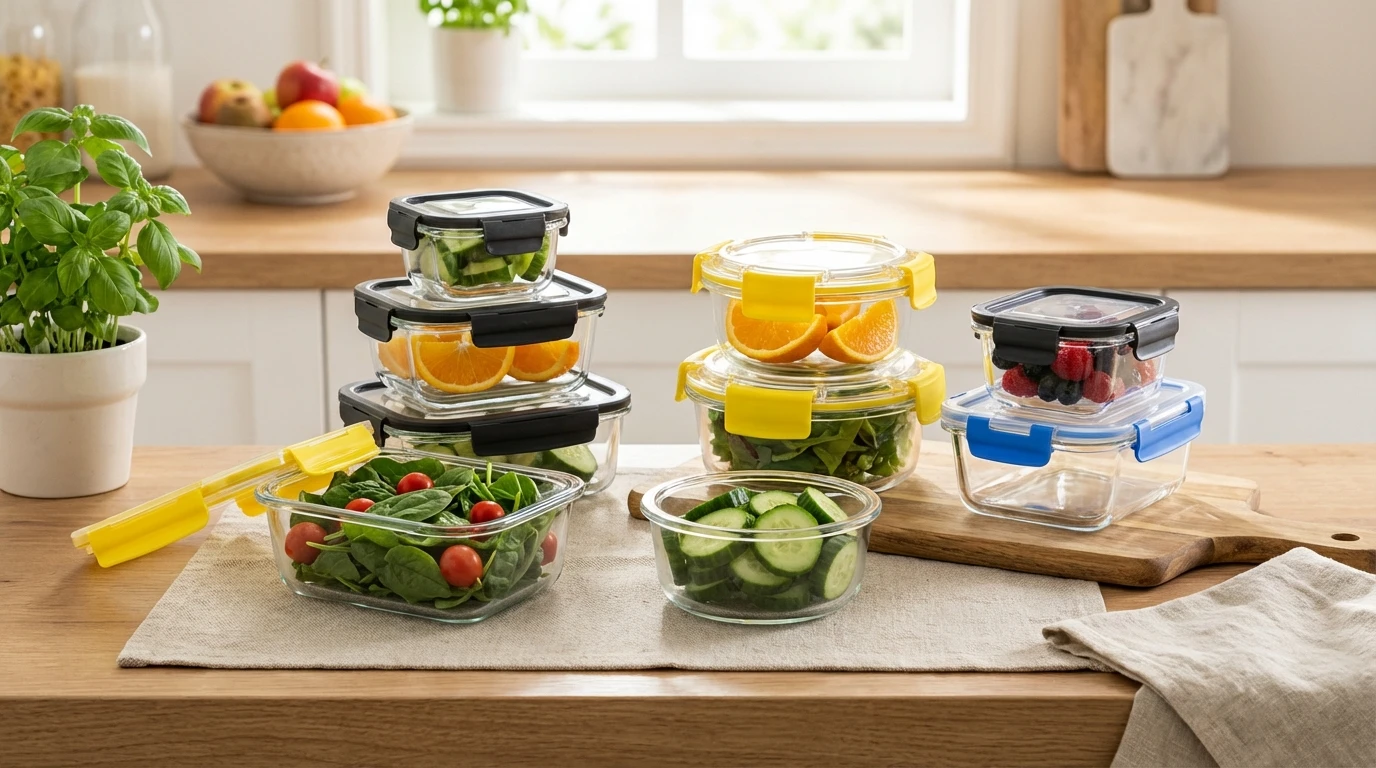
Vacuum Tight Containers: Keep Food Fresh, Prevent Spoilage
The Imperative of Advanced Vacuum Storage Solutions
In the rapidly evolving landscape of food preservation, scientific research, and industrial packaging, the demand for highly efficient and reliable storage solutions is paramount. Central to this demand are vacuum tight container111s, engineered to create an oxygen-depleted environment that significantly extends the shelf life of perishable goods, safeguards sensitive materials, and maintains optimal quality. These container111s are not merely storage units; they are precision instruments that leverage advanced material science and sealing technologies to prevent oxidation, moisture ingress, and microbial growth, which are the primary culprits behind degradation.
Our specialized focus on glass-based solutions, such as the Glass Food Storage Container with Food-grade Plastic Lid, addresses critical B2B needs for durability, inertness, and visual transparency, ensuring that stored contents remain in pristine condition for extended periods. This comprehensive article delves into the technical intricacies, market dynamics, and operational benefits of integrating superior vacuum storage systems into diverse industrial and commercial operations.
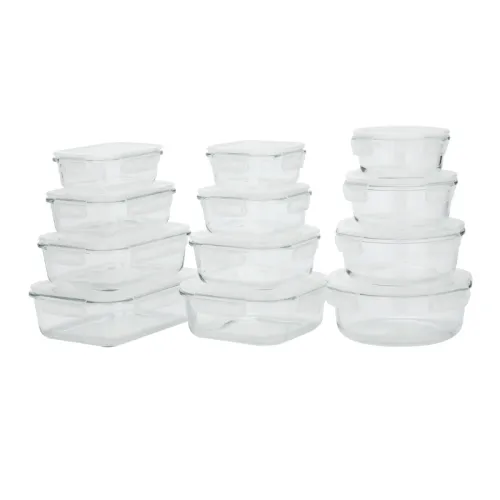
Precision-engineered vacuum tight container111s ensure optimal preservation.
Industry Trends in Vacuum Storage Technology
The market for advanced storage solutions, particularly those that offer a superior seal, is experiencing robust growth driven by several macro trends:
- Sustainability & Eco-Consciousness: There's a significant shift towards reusable and recyclable materials. Glass, being infinitely recyclable and inert, is increasingly preferred over single-use plastics. This trend also emphasizes extending food shelf life to reduce waste, aligning perfectly with the capabilities of vacuum tight container111s.
- Demand for Extended Shelf Life: Commercial kitchens, food manufacturers, and meal prep services are constantly seeking ways to extend the freshness of ingredients and prepared foods. Technologies like meal prep container111s vacuum seal offer substantial benefits in reducing spoilage and optimizing inventory management.
- Smart Kitchen & IoT Integration: Emerging trends include vacuum container111s with embedded sensors or QR codes that integrate with inventory management systems or smart kitchen apps, providing real-time data on contents and freshness.
- Advanced Sealing Mechanisms: Continuous innovation in gasket materials (e.g., silicone, EPDM) and lid designs ensures more reliable and durable vacuum seals, catering to rigorous industrial demands.
- Hygienic & Food Safety Standards: With heightened global food safety regulations, container111s that are easy to clean, non-porous, and resistant to bacterial growth are highly valued. Glass food container111 vacuum sealer systems inherently meet these stringent requirements.
These trends underscore a market moving towards more sophisticated, sustainable, and high-performance storage solutions, where product integrity and operational efficiency are paramount.
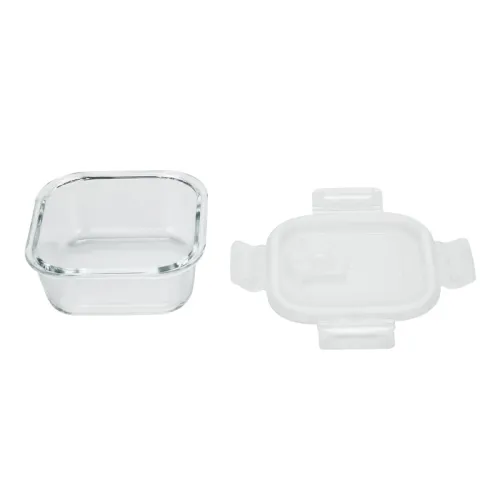
The evolution of vacuum tight container111s reflects a commitment to quality and longevity.
Technical Specifications and Material Excellence
The efficacy of food sealer container111s hinges on their meticulous design and the superior materials used. Our Glass Food Storage Container with Food-grade Plastic Lid exemplifies this commitment to quality:
Primary Material: Borosilicate Glass
- Thermal Shock Resistance: Capable of withstanding rapid temperature changes without cracking, from freezer to oven (-20°C to 400°C), a crucial feature for diverse food preparation and storage cycles.
- Chemical Inertness: Non-reactive with acids, bases, and oils, ensuring that no chemicals leach into food, preserving its natural taste and quality. This makes it ideal for sensitive chemical storage in laboratory settings as well.
- Non-Porous Surface: Resists odors, stains, and bacterial absorption, making it exceptionally hygienic and easy to clean, vital for compliance with HACCP principles.
- Clarity & Visibility: Provides clear visibility of contents, facilitating inventory management and quick identification without needing to open the container111, thus maintaining the vacuum seal integrity.
Lid Material: Food-Grade Plastic (e.g., PP, Tritan) with Silicone Gasket
- Durability: Engineered for repeated use, resistant to cracking and deformation.
- BPA-Free: Ensures safety and compliance with international food-grade standards (e.g., FDA, LFGB).
- Integrated Vacuum Valve: Precision-engineered valve system for effortless air extraction and hermetic sealing.
- Silicone Gasket: High-grade, flexible silicone creates an airtight and watertight seal, preventing oxygen permeation and moisture ingress, essential for robust vacuum tight container111s.
Product Specification Table: Glass Food Storage Container
| Parameter | Specification |
|---|---|
| Material (Body) | High Borosilicate Glass (BPA-free) |
| Material (Lid) | Food-grade PP / Tritan (BPA-free) |
| Sealing Component | Food-grade Silicone Gasket & Vacuum Valve |
| Temperature Range | -20°C to 400°C (-4°F to 752°F) |
| Thermal Shock Resistance | ΔT ≥ 120°C |
| Compliance | FDA, LFGB, ISO 9001:2015 |
| Sizes Available | Customizable (e.g., 400ml, 640ml, 1000ml, 1500ml) |
| Cleaning | Dishwasher-safe (body), Handwash recommended (lid) |
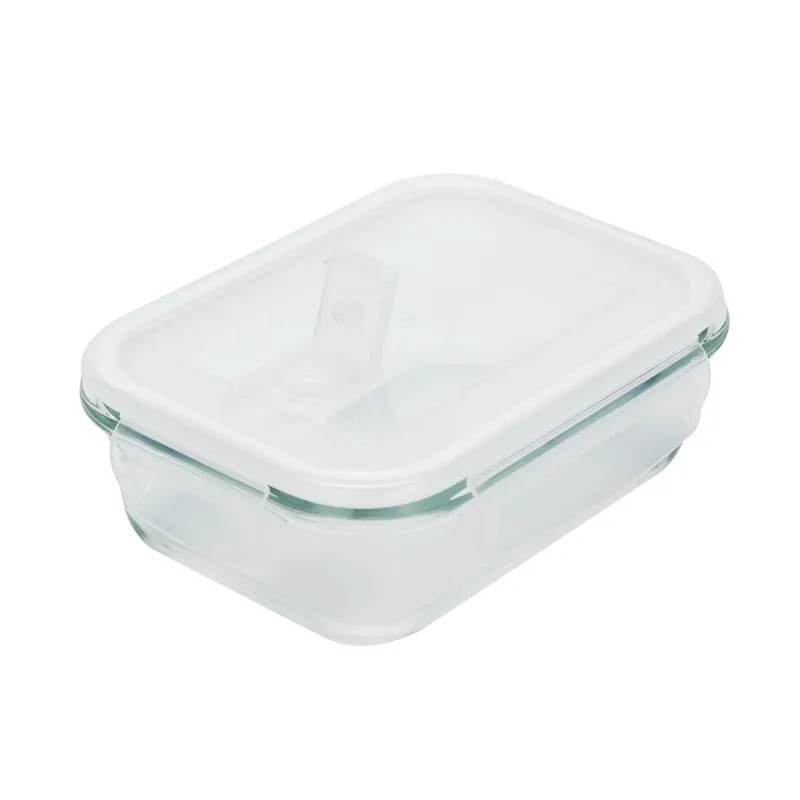
Superior materials ensure the integrity of vacuum tight container111s.
Application Scenarios for Vacuum Tight Containers
The versatility of modern vacuum tight container111s makes them indispensable across a multitude of B2B sectors, moving beyond traditional food storage into specialized industrial applications.
- Food Service & Hospitality (HORECA): Restaurants, hotels, and catering services utilize these container111s for bulk ingredient storage, sous-vide preparation, and advanced meal prep. They significantly reduce food waste and streamline kitchen operations, offering extended freshness for items like cut vegetables, marinating meats, and prepared sauces. This directly relates to the efficiency gains sought by businesses employing meal prep container111s vacuum seal technology.
- Food Manufacturing & Packaging: From preserving sensitive spices and herbs to protecting hygroscopic powders, vacuum container111s ensure product integrity during intermediate storage or transport phases. They are crucial for maintaining the quality of high-value food components.
- Pharmaceutical & Laboratory Settings: Critical for storing moisture-sensitive reagents, volatile compounds, and sterile samples. The inertness of glass combined with a hermetic seal prevents contamination and degradation, preserving the efficacy of sensitive materials.
- Retail & Deli Services: For packaging gourmet cheeses, cured meats, and fresh produce, offering customers premium freshness and extended consumption periods, directly impacting customer satisfaction and repeat business for food sealer container111s.
- Outdoor & Remote Site Operations: For preserving food and sensitive equipment components in challenging environments where exposure to air and moisture must be minimized.
In each scenario, the underlying benefit is superior preservation and protection, translating into reduced operational costs, enhanced product quality, and compliance with stringent industry standards.
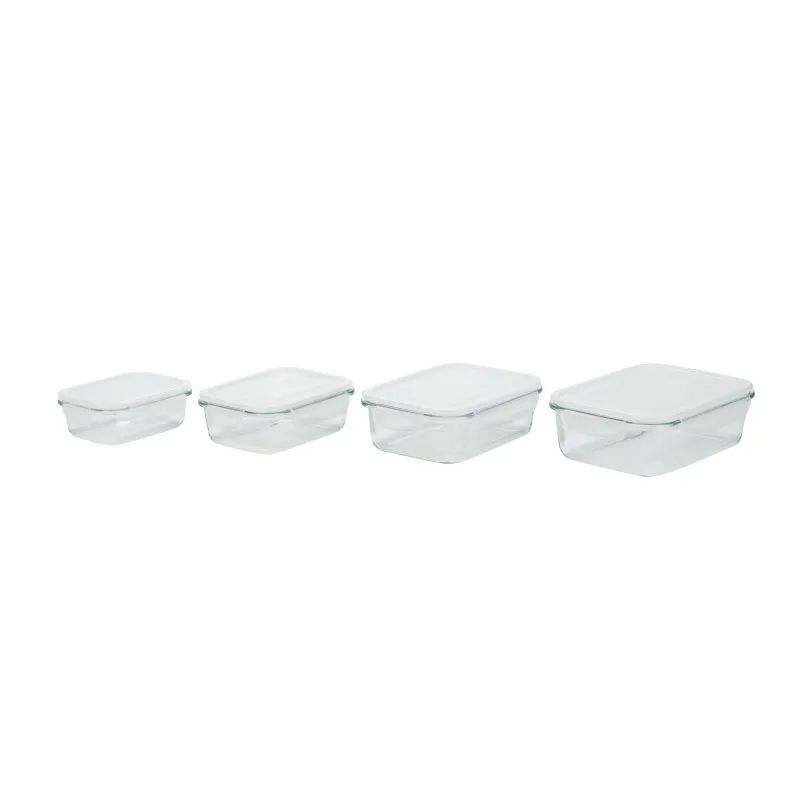
Versatile applications for vacuum tight container111s across industries.
Technical Advantages of Premium Vacuum Tight Containers
Investing in high-grade vacuum tight container111s offers a multitude of technical and operational advantages over conventional storage methods:
- Significant Extension of Shelf Life: By removing oxygen, the primary driver of oxidation and aerobic microbial growth, these container111s can extend the freshness of food items by 3-5 times compared to regular storage. This directly translates to reduced spoilage and waste.
- Preservation of Nutritional Value and Flavor: Oxygen exposure degrades vitamins (especially C and A), enzymes, and volatile aromatic compounds. Vacuum sealing mitigates this, retaining the original nutrient profile, texture, and sensory qualities of stored contents. This is a critical factor for premium `meal prep container111s vacuum seal` systems.
- Protection Against Cross-Contamination: The hermetic seal acts as a robust barrier against external contaminants, odors, and moisture, which is particularly crucial in multi-purpose storage environments or in the transport of sensitive materials.
- Enhanced Material Integrity: For non-food items, such as electronic components, medical devices, or sensitive documents, vacuum storage protects against humidity, dust, and atmospheric degradation.
- Space Optimization: While some vacuum systems may initially seem bulkier, their ability to consolidate and preserve means less frequent procurement and more efficient inventory turnover, ultimately optimizing storage footprint.
- Cost-Effectiveness: Reduced waste, prolonged ingredient freshness, and optimized inventory cycles lead to significant cost savings in procurement and disposal for businesses relying on efficient food container111 vacuum sealer solutions.
These inherent benefits highlight the strategic value of incorporating advanced vacuum storage technology into modern operational frameworks.
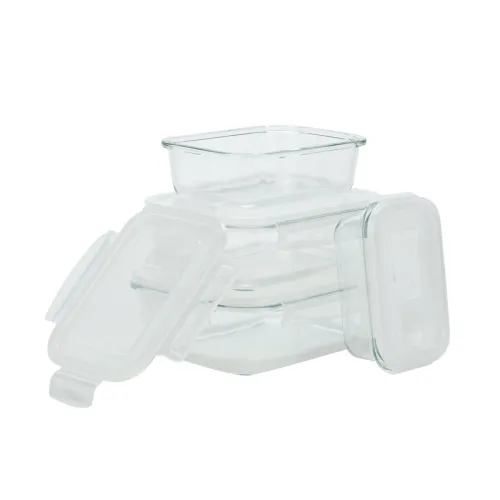
The technical prowess of our vacuum tight container111s guarantees superior preservation.
Vendor Comparison: Evaluating Vacuum Storage Providers
When selecting a supplier for food sealer container111s, B2B decision-makers must consider several critical factors beyond initial price. A thorough vendor comparison should assess material quality, sealing technology, certifications, customization capabilities, and after-sales support.
Key Differentiators in Vacuum Container Solutions
| Feature | Our Solution (Glass/PP) | Typical Plastic (Polycarbonate/SAN) | Stainless Steel |
|---|---|---|---|
| Material Inertness | Excellent (Borosilicate Glass) | Good (potential for odor/stain absorption over time) | Excellent |
| Thermal Shock Resistance | High (Freezer-to-Oven) | Limited (Freezer-to-Microwave, no oven) | Good (conducts heat) |
| Visibility of Contents | Full Transparency | High Transparency | Opaque |
| Scratch Resistance | High | Moderate (prone to scratching) | High |
| Aesthetic Appeal | Premium, Modern | Functional | Industrial, Sleek |
| Recyclability | Highly Recyclable (Glass) | Recyclable (limited cycles for food-grade) | Highly Recyclable |
Our solutions stand out by combining the inertness and thermal resilience of borosilicate glass with the lightweight durability and advanced sealing mechanisms of food-grade plastics. This hybrid approach offers a compelling balance of performance, sustainability, and operational convenience, differentiating us from competitors who often prioritize cost over long-term value or offer materials with inherent limitations.
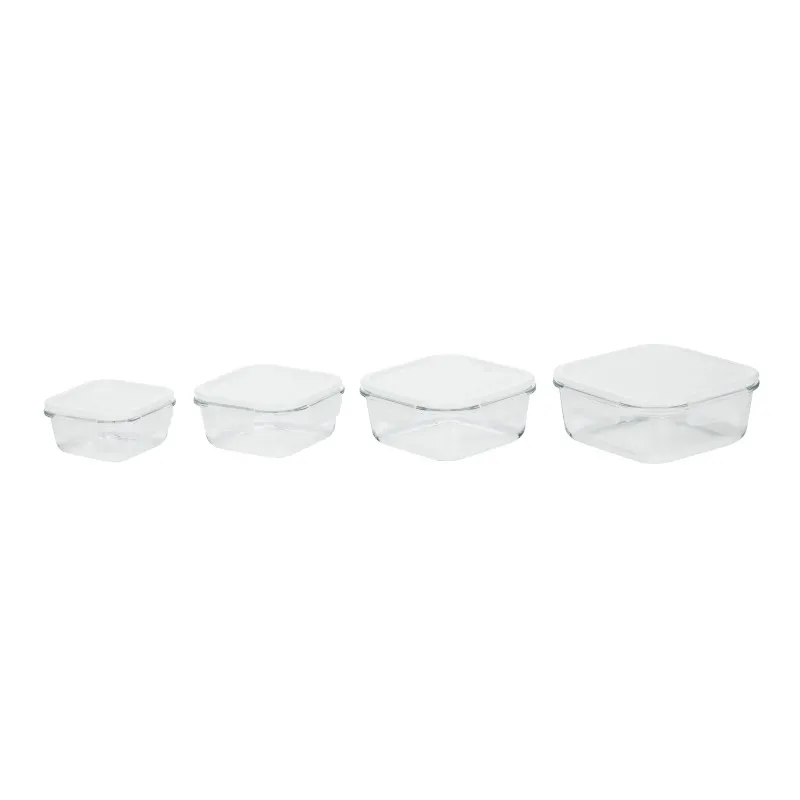
A comparative advantage in vacuum tight container111s.
Customized Solutions for Specialized Requirements
Recognizing that standard products may not always meet the unique demands of every industrial or commercial operation, we offer extensive customized solutions for vacuum tight container111s. Our engineering and design teams work in close collaboration with clients to develop container111s perfectly tailored to specific operational parameters, material properties, and branding requirements.
Customization Capabilities Include:
- Volume & Dimensions: Tailored capacities from small laboratory samples to large-scale industrial storage, optimizing space utilization within existing infrastructure.
- Lid & Sealing Mechanism: Custom lid designs, including integration of specific valve types, enhanced gasket materials for extreme temperatures or chemical resistance, or child-resistant features.
- Material Alternatives: While borosilicate glass is our standard, we can explore specialized glass compositions or advanced polymer blends for lids to meet unique chemical resistance, impact strength, or weight requirements.
- Branding & Labeling: Incorporating client logos, specific color palettes, or specialized labeling for clear identification and brand reinforcement on the food container111 vacuum sealer.
- Stackability & Ergonomics: Designing container111s for optimal stacking efficiency, ease of handling, and compatibility with automated systems.
- Integration with Systems: Developing container111s that can interface seamlessly with existing vacuum pumps, automation systems, or inventory management software.
Our consultative approach ensures that every customized solution is not just a product, but a strategic asset that enhances operational efficiency, reduces waste, and upholds the highest standards of product integrity.
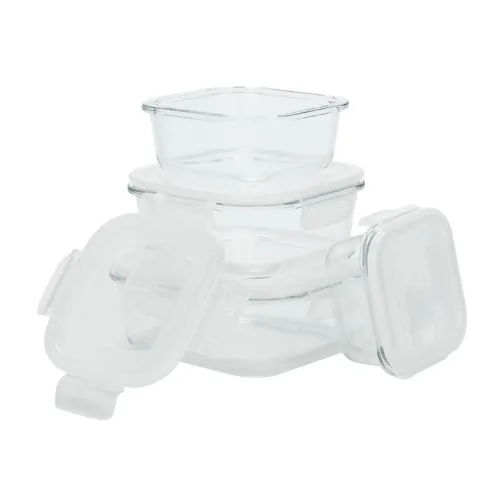
Tailored vacuum tight container111s for unique business needs.
Application Case Studies & Client Successes
Our commitment to delivering superior food sealer container111s is evidenced by the tangible benefits realized by our diverse clientele. These case studies highlight the practical impact of implementing advanced vacuum storage solutions.
Case Study 1: Large-Scale Catering Operation
A major catering company, facing significant food waste due to ingredient spoilage and prep-ahead limitations, integrated our range of large-capacity meal prep container111s vacuum seal solutions. By vacuum sealing pre-cut vegetables, marinated meats, and prepared sauces, they extended ingredient freshness by an average of 4 days. This resulted in a 25% reduction in food waste costs and allowed for more efficient bulk purchasing, ultimately improving profit margins by 15% within the first year of implementation. Their chefs reported consistently higher ingredient quality and reduced last-minute preparation stress.
Case Study 2: Specialty Coffee Roaster
A premium coffee roaster required a solution to preserve the delicate aroma and flavor profiles of their freshly roasted beans and ground coffee, especially for bulk storage and wholesale distribution. Traditional packaging proved insufficient against oxidation. By adopting our borosilicate glass vacuum tight container111s with specialized one-way valves, they reported a 60% improvement in aroma retention after two weeks compared to conventional bags. This enhanced product quality translated into increased customer satisfaction and a stronger brand reputation in a highly competitive market.
Case Study 3: Industrial Component Manufacturer
A manufacturer of sensitive electronic components needed to protect their products from humidity and dust during internal transfers and before final assembly. Standard desiccants and sealed bags were inadequate for long-term protection. We provided custom-sized vacuum tight container111s, designed for high stackability and featuring robust, moisture-impermeable seals. This solution reduced component rejection rates due to environmental damage by 18%, significantly cutting down on material losses and increasing production yield.
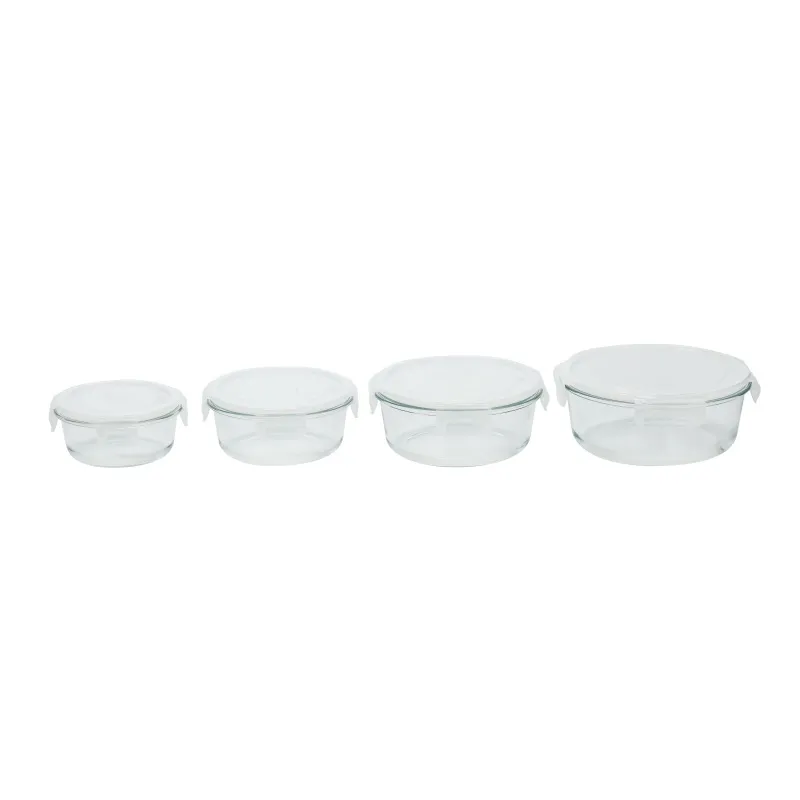
Real-world successes with vacuum tight container111s in diverse industries.
Manufacturing Process: Precision Engineering of Vacuum Tight Containers
The production of high-performance vacuum tight container111s involves a sophisticated, multi-stage manufacturing process, ensuring each unit meets rigorous quality and functional standards. Our process for glass container111s with food-grade plastic lids is detailed below:
Process Flow of Borosilicate Glass Body:
- Raw Material Sourcing: High-purity silica sand, boron oxide, and other precise additives are sourced, adhering to strict material specifications for borosilicate glass, ensuring chemical inertness and thermal shock resistance.
- Batch Mixing & Melting: Raw materials are precisely weighed, mixed, and melted in industrial furnaces at temperatures exceeding 1700°C. Advanced refractory materials are used for furnace lining to prevent contamination.
- Glass Forming (Casting/Pressing): Molten glass is precisely poured or pressed into high-precision molds, achieving the desired container111 shape and wall thickness. This casting process ensures uniformity and structural integrity.
- Annealing: Formed glass is slowly cooled in a controlled annealing oven to relieve internal stresses, which enhances durability and prevents cracking from thermal expansion/contraction.
- Surface Treatment & Finishing: Containers undergo grinding, polishing, and specialized surface treatments to achieve optimal clarity, smoothness, and resistance to scratches.
- Quality Control & Inspection: Each glass body is subjected to automated optical inspection (AOI) for defects, dimensional checks, and thermal shock resistance testing (e.g., rapid cooling from 200°C to room temperature).
Process Flow of Food-Grade Plastic Lid with Vacuum Mechanism:
- Polymer Sourcing & Preparation: Food-grade polypropylene (PP) or Tritan resin, along with medical-grade silicone for gaskets, are sourced from certified suppliers, meeting FDA/LFGB standards.
- Injection Molding (Lid): Plastic granules are melted and injected into high-precision molds under controlled temperature and pressure, forming the lid components and vacuum valve housing. This process ensures dimensional accuracy for a perfect seal.
- Gasket & Valve Assembly: Silicone gaskets are compression-molded to exact specifications. These, along with the mechanical vacuum valve components, are then robotically or semi-automatically assembled into the molded plastic lids.
- Vacuum Performance Testing: Each lid assembly undergoes individual vacuum leakage tests using specialized equipment to ensure airtightness and consistent pressure retention, a critical step for food container111 vacuum sealer reliability.
- Final Assembly & Packaging: The tested glass bodies and lid assemblies are carefully matched, cleaned, and packaged according to client specifications, ready for shipment.
Testing Standards & Target Industries:
- Testing Standards: Our products are certified to international standards including ISO 9001:2015 (Quality Management), FDA (Food Contact Materials), LFGB (German Food & Feed Code), and RoHS (Restriction of Hazardous Substances). Performance tests include vacuum retention, thermal shock resistance (e.g., ANSI Z288.1 for glass), and impact resistance.
- Service Life: Designed for an extensive service life of 5-10 years under typical B2B usage, with components like silicone gaskets easily replaceable to further extend longevity.
- Target Industries: Our advanced vacuum tight container111s serve diverse sectors including HORECA, food processing, pharmaceutical R&D, chemical storage, high-tech manufacturing (e.g., semiconductor materials protection), and specialized logistics for perishable goods.
Advantages in typical application scenarios include significant energy saving by reducing refrigeration load due to prolonged ambient shelf life, superior corrosion resistance due to the inert nature of borosilicate glass, and enhanced process safety in laboratory settings due to secure containment.
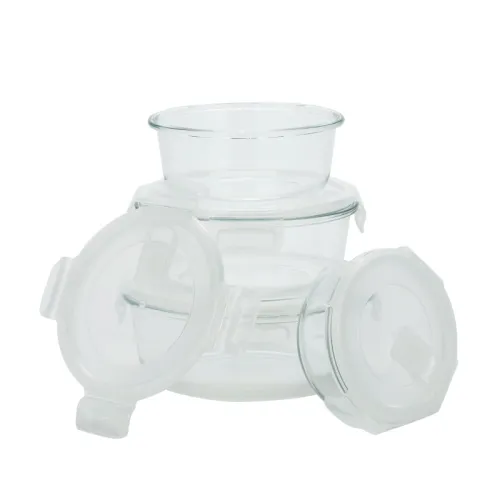
The meticulous manufacturing of vacuum tight container111s ensures unmatched quality.
Authoritativeness & Trustworthiness: Our Commitment
Our dedication to quality, reliability, and customer satisfaction forms the bedrock of our operations. We emphasize transparency and adherence to global best practices to ensure our vacuum tight container111s meet and exceed industry expectations.
Certifications & Quality Assurance:
- ISO 9001:2015 Certified: Our manufacturing facilities operate under a stringent Quality Management System, ensuring consistent product quality from raw material sourcing to final inspection.
- FDA & LFGB Compliant: All food-contact materials, including glass and plastic components, are rigorously tested and certified to meet the highest safety standards set by the U.S. Food and Drug Administration and the German Food, Articles of Daily Use and Feed Code.
- Over 15 Years of Industry Service: With more than a decade and a half of specialized experience, we have honed our expertise in glass and plastic composite manufacturing, serving a broad portfolio of industrial and commercial clients worldwide.
Customer Support & Service Excellence:
- Warranty Commitments: We offer a comprehensive 1-year warranty on all manufacturing defects for our food sealer container111s, demonstrating our confidence in product durability and craftsmanship. Extended warranty options are available for specific bulk orders or customized solutions.
- Lead Time & Fulfillment: Standard lead times for stock items range from 7-14 business days. For customized or large-volume orders, lead times are typically 4-8 weeks, depending on complexity and material availability. We prioritize efficient logistics and clear communication throughout the order fulfillment process.
- After-Sales Support: Our dedicated customer support team is available during business hours (Monday-Friday, 9 AM - 5 PM GMT+8) via email and phone to address any technical inquiries, operational issues, or warranty claims. We also provide detailed user guides and maintenance recommendations to maximize product longevity and performance.
- Partner Clients: Our clientele includes leading names in global food service, specialty packaging, and laboratory supply sectors, testifying to our reputation for reliability and quality. While specific names are proprietary, our portfolio spans Fortune 500 companies to innovative startups seeking superior preservation solutions.
Frequently Asked Questions (FAQ)
Q: What makes your `vacuum tight container111s` superior to standard airtight container111s?
A: Standard airtight container111s merely prevent air exchange. Our vacuum tight container111s actively remove most of the air (and thus oxygen) from inside the container111, creating a low-pressure, oxygen-depleted environment. This significantly slows down oxidation, microbial growth, and moisture loss, extending preservation times by several magnitudes. The superior materials (borosilicate glass and food-grade plastic/silicone) further enhance this performance.
Q: Are your glass `meal prep container111s vacuum seal` oven-safe?
A: Yes, the borosilicate glass body of our container111s is designed to be oven-safe up to 400°C (752°F) and freezer-safe down to -20°C (-4°F). However, the food-grade plastic lid and silicone gasket are not oven-safe and should be removed before placing the glass container111 in an oven or microwave. The lid is, however, refrigerator and freezer safe.
Q: How do I maintain the vacuum seal for long-term use?
A: To ensure optimal performance of your food container111 vacuum sealer, regularly clean the silicone gasket and the rim of the container111. Ensure no food particles are trapped, as this can compromise the seal. Avoid using abrasive cleaners that could damage the gasket or lid. Periodically inspect the gasket for any signs of wear or damage and replace it if necessary (replacement gaskets are available).
Q: Can these `food sealer container111s` be used for liquids?
A: Yes, our food sealer container111s create a leak-proof and airtight seal, making them suitable for storing liquids such as soups, sauces, and marinades. However, when vacuum sealing liquids, ensure sufficient headspace to prevent liquid from being drawn into the vacuum pump mechanism. Always transport upright to prevent accidental spillage if the vacuum is released.
Conclusion
The strategic integration of high-quality `vacuum tight container111s` represents a pivotal advancement for businesses prioritizing product integrity, operational efficiency, and sustainability. Our Glass Food Storage Container with Food-grade Plastic Lid embodies a commitment to technical excellence, leveraging inert borosilicate glass and advanced sealing technologies to deliver unparalleled preservation capabilities. From extending food freshness in large-scale catering to safeguarding sensitive components in industrial manufacturing, these container111s are designed to be robust, reliable, and exceptionally effective. By understanding the intricate manufacturing processes, adhering to stringent quality standards, and offering tailored solutions, we empower our B2B clients to optimize their storage practices, reduce waste, and enhance their overall competitive edge in a dynamic global market.
References
- Food and Drug Administration (FDA). (2023). Food Additives & Ingredients. Retrieved from www.fda.gov.
- International Organization for Standardization (ISO). (2015). ISO 9001:2015 Quality management systems – Requirements. Retrieved from www.iso.org.
- European Food Safety Authority (EFSA). (2022). Guidance on plastic materials and articles in contact with food. Retrieved from www.efsa.europa.eu.
- Journal of Food Science. (2021). Impact of Vacuum Packaging on the Shelf Life and Quality of Perishable Foods. Wiley Online Library.
- Borosilicate Glass Properties and Applications. (2022). Advanced Materials Science Journal. Elsevier ScienceDirect.
-
Ultimate Guide to Choosing Big Glass Storage Containers for Every NeedNewsApr.16,2026
-
Small Glass Lunch Containers Guide for Healthy Meal PrepNewsApr.09,2026
-
Comprehensive Guide to Choosing the Best Storage Containers for Dishes and GlassesNewsApr.07,2026
-
Selecting The Optimal 300ml Food Containers For Your Business NeedsNewsApr.04,2026
-
Discover the Benefits of Durable 3 Cup Glass Food Storage ContainersNewsMar.31,2026
-
Comprehensive Guide to Choosing Superior Glass Divided Food ContainersNewsMar.28,2026
![[Extra Large with Handle] Oven Safe Glass Food Storage Container with Airtight Locking Lid & Handle, Oven Safe Dishwasher Safe](https://images.exportstart.com/images/a1251/extra-larger-glass-container-with-snap-locking-lid-164.webp "[Extra Large with Handle] Oven Safe Glass Food Storage Container with Airtight Locking Lid & Handle, Oven Safe Dishwasher Safe")
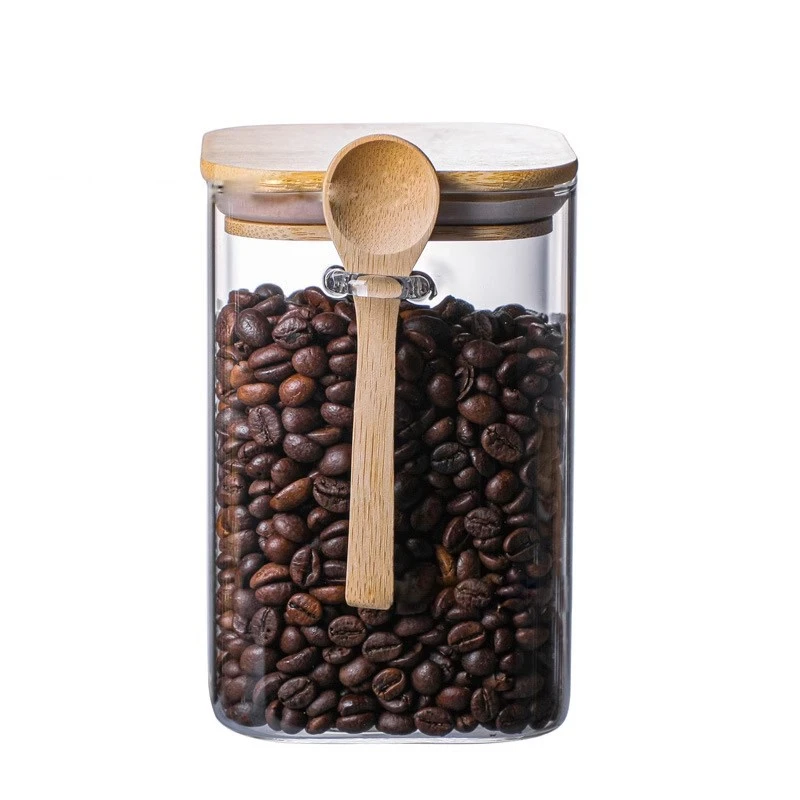
![[All Microwave Safe] High Borosilicate Glass Food Storage Container , Oven Safe without Lid, Dishwasher Safe](https://images.exportstart.com/images/a1251/squre-glass-container-with-glass-lid-518.webp "[All Microwave Safe] High Borosilicate Glass Food Storage Container , Oven Safe without Lid, Dishwasher Safe")
![[Sliding Vent PP Lid] Borosilicate Glass Food Storage Containers with Food-grade Plastic Lid, Airtight, Leak Resistant](https://images.exportstart.com/images/a1251/glass-food-storage-container-with-airtight-lid-183.webp "[Sliding Vent PP Lid] Borosilicate Glass Food Storage Containers with Food-grade Plastic Lid, Airtight, Leak Resistant")
![[Large Skylight Glass Lid] Glass Food Storage Container, Oven Safe with Lid, BPA Free, 100% Leak resistant](https://images.exportstart.com/images/a1251/glass-lid-food-storage-container-1-1-196.webp "[Large Skylight Glass Lid] Glass Food Storage Container, Oven Safe with Lid, BPA Free, 100% Leak resistant")
![[Colorful Vent PP Lid] Glass Food Storage Container, BPA Free, Leakproof, Dishwasher Safe](https://images.exportstart.com/images/a1251/002-1-639.webp "[Colorful Vent PP Lid] Glass Food Storage Container, BPA Free, Leakproof, Dishwasher Safe")
![[Color Vent PP Lid] Borosilicate Glass Food Storage Container, Leakproof, Dishwasher Safe](https://images.exportstart.com/images/a1251/1-941.webp "[Color Vent PP Lid] Borosilicate Glass Food Storage Container, Leakproof, Dishwasher Safe")
![[Vacuum AS] Food Storage Container with Pump](https://images.exportstart.com/images/a1251/7-1-397.webp "[Vacuum AS] Food Storage Container with Pump")