 TEL: +86 18903393212
 Email: tina@yintoglassware.com

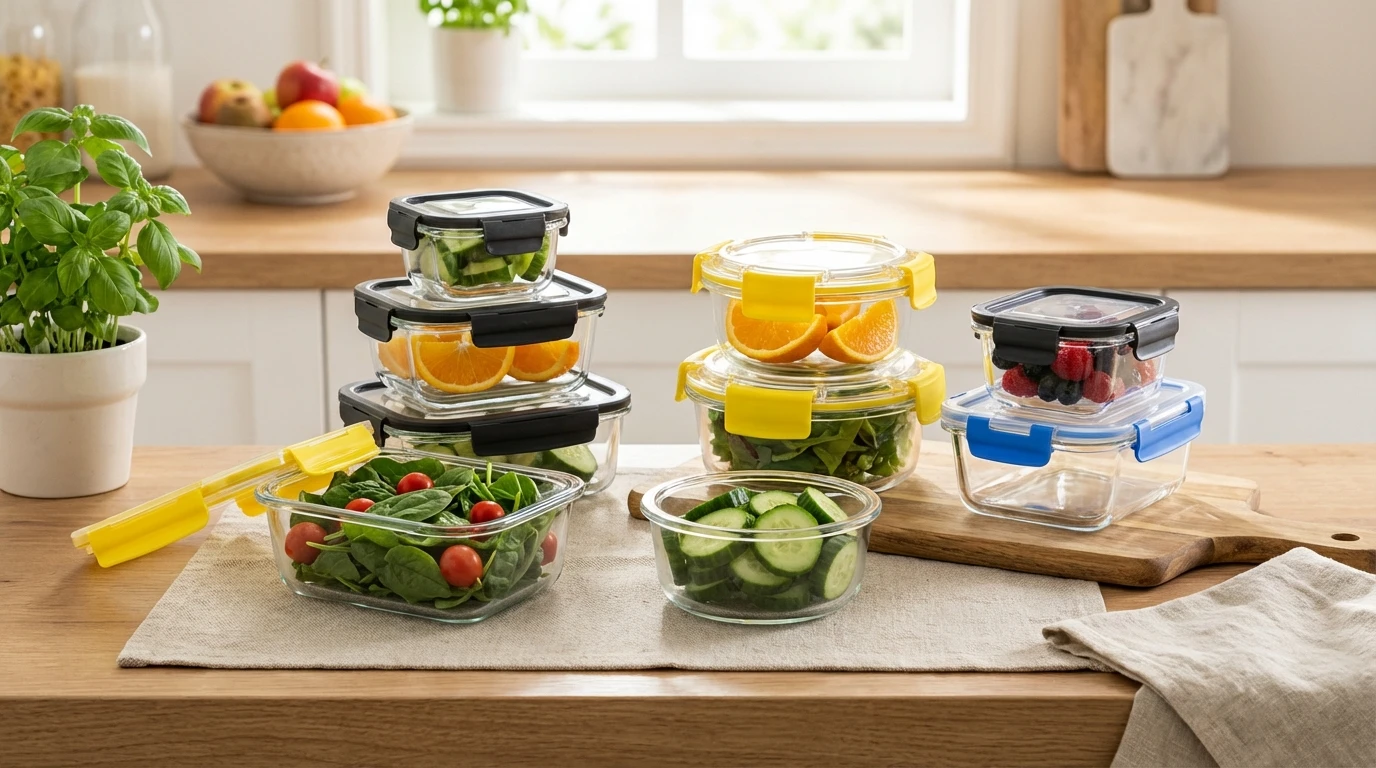
Durable Glass Food Storage Container Solutions for B2B Industries | YintoGlassware
Glass Food Storage Container is a key solution in the industry, specifically within sectors that demand durability, safety, and environmental responsibility in their food handling processes. This article explores how https://www.yintoglassware.com supports professionals with durable, high-performance products, and explains why this product is an ideal choice for businesses in these sectors.
Table of Contents
- Glass Food Storage Container Overview
- Benefits & Use Cases of Glass Food Storage Container
- Cost, Maintenance & User Experience
- Sustainability & Market Trends
Glass Food Storage Container Overview
At its core, a Glass Food Storage Container is exactly what the name suggests: a container made primarily of tempered or borosilicate glass designed to safely store food. But it’s more than just a jar or box—these containers have evolved to meet rigorous standards for food safety, thermal resistance, and durability. The smooth, non-porous glass doesn't absorb odors or stains, making it ideal for repeated professional use.
Technically speaking, many of YintoGlassware’s containers use borosilicate glass known for its superior thermal shock resistance—meaning it slides straight from freezer to oven or microwave without a crack. Some sizes are stackable, with airtight silicone lids featuring secure locking tabs that prevent leaks, a necessity in busy commercial kitchens or storerooms. For illustration, consider a mid-sized container (1.2L) tested in a professional kitchen that endured over 500 cycles of freezing and heating—still intact and perfectly functional.
| Specification | Details |
|---|---|
| Material | Borosilicate Glass |
| Capacity | 150ml to 2L options |
| Lid | Airtight Silicone with Locking Clips |
| Temperature Range | -20°C to 400°C |
| Usage | Freezer, Microwave, Oven, Dishwasher Safe |
Benefits & Use Cases of Glass Food Storage Container
Oddly enough, not all food storage containers are created equal—particularly when you’re dealing with large-scale food service or manufacturing. The benefits of using glass over plastic or metal for storage are pretty compelling: it’s non-toxic, non-reactive, and maintains the integrity of flavors without the leaching that sometimes happens with plastics.
In real terms, industries like catering, restaurant chains, and food processing plants find these containers invaluable. I’ve heard from several chefs who appreciate how the transparency of glass allows for fast inventory checks without opening lids. Meanwhile, food tech companies rely on the containers’ inert surface to avoid contaminating samples or ingredients during formulation and prototype testing.
Beyond durability, YintoGlassware stands out with customizable sizing and lids purposely designed to fit tightly yet open easily—a small detail that big kitchens really value. Competitive advantages also include resistance to staining and ease of cleaning, which reduces cross-contamination risks—a big tick for food safety managers.
Cost, Maintenance & User Experience
From a B2B viewpoint, cost really isn’t just about the initial spend but total cost of ownership. Glass containers tend to outlast many plastic counterparts, and while their upfront price can be higher, the ROI over time often paints a different story. YintoGlassware reports that many industrial clients experience fewer replacements annually, saving money and hassle.
User feedback often highlights how these containers feel sturdier and safer to use, even after months or years of daily cycling through freezers, ovens, and dishwashers. One logistics manager mentioned that the stackable design cut down storage space by 30%, a practical bonus when maximizing limited warehouse real estate.
Maintenance is straightforward—glass doesn’t scratch or warp, so it rarely requires special care. Plus, silicone lids are replaceable, which extends the overall lifespan and boosts sustainability in a way few competitors match.
Sustainability & Market Trends
In today’s marketplace, sustainability isn’t just a buzzword; it’s becoming a standard. The trend toward reducing single-use plastics has propelled glass food storage containers into the spotlight. Beyond the environmental benefits, regulatory pressures in regions like the EU and California increasingly mandate non-toxic, recyclable materials for food packaging and storage.
Glass is 100% recyclable without degradation, and the fact that companies like YintoGlassware invest in energy-efficient production processes adds to their credentials. Plus, the demand for reusable, long-lasting containers in foodservice is only growing, driven by consumer preferences and corporate responsibility goals alike.
| Vendor | Material Quality | Product Range | Price Range | Sustainability Features |
|---|---|---|---|---|
| YintoGlassware | Premium Borosilicate | Wide (150ml–2L) | Mid-tier | 100% Recyclable; Energy Efficient Production |
| Competitor A | Standard Soda-Lime Glass | Limited | Lower | Partial Recyclability |
| Competitor B | Plastic Composite | Wide | Low | Limited Sustainability Focus |
Frequently Asked Questions about Glass Food Storage Container
- What is Glass Food Storage Container and how does it work?
- Simply put, it’s a container made of heat-resistant glass that stores food safely and can withstand temperature changes. Its airtight silicone lid seals in freshness and prevents leaks, making it perfect for industrial kitchens and food processing environments.
- What are the main benefits of using Glass Food Storage Container in industrial applications?
- Key benefits include chemical inertness, thermal shock resistance, ease of cleaning, and durability. It helps maintain food quality without risk of contamination—plus, it supports compliance with strict health and safety regulations commonly enforced in food industries.
- How does Glass Food Storage Container compare to traditional alternatives?
- Compared to plastics, glass is more durable and environmentally friendly. Unlike metals, glass doesn’t react with acidic foods. Plus, its transparency allows quick content inspection without opening—saving time and reducing contamination risk.
- What industries can benefit most from Glass Food Storage Container implementation?
- Sectors like catering, food manufacturing, pharmaceuticals (for sample storage), and research kitchens find great utility in these containers. Their robustness and safety features make them particularly valuable when hygiene and quality are paramount.
Conclusion on Glass Food Storage Container from china
To recap, a quality Glass Food Storage Container is more than an inert vessel—it’s a tool that enhances food safety, operational efficiency, and sustainability in a range of B2B industries. Its technical features, combined with YintoGlassware’s proven durability and customization, make it a compelling choice for businesses looking to future-proof their storage solutions while meeting growing regulatory and environmental expectations.
- Reliability paired with eco-consciousness makes these containers a smart investment.
- Visit our website: https://www.yintoglassware.com
Sometimes, when you look closely at what seems simple, you find a world of thoughtful engineering and long-lasting impact. Glass food containers aren’t just containers anymore—they’re part of a sustainable future in foodservice.
References:
1. Industry Food Safety Standards, FDA Compliance 2023
2. Trends in Sustainable Packaging, GreenBiz Report 2024
3. YintoGlassware Product Testing Reports 2023
-
Ultimate Guide to Choosing Big Glass Storage Containers for Every NeedNewsApr.16,2026
-
Small Glass Lunch Containers Guide for Healthy Meal PrepNewsApr.09,2026
-
Comprehensive Guide to Choosing the Best Storage Containers for Dishes and GlassesNewsApr.07,2026
-
Selecting The Optimal 300ml Food Containers For Your Business NeedsNewsApr.04,2026
-
Discover the Benefits of Durable 3 Cup Glass Food Storage ContainersNewsMar.31,2026
-
Comprehensive Guide to Choosing Superior Glass Divided Food ContainersNewsMar.28,2026
![[Extra Large with Handle] Oven Safe Glass Food Storage Container with Airtight Locking Lid & Handle, Oven Safe Dishwasher Safe](https://images.exportstart.com/images/a1251/extra-larger-glass-container-with-snap-locking-lid-164.webp "[Extra Large with Handle] Oven Safe Glass Food Storage Container with Airtight Locking Lid & Handle, Oven Safe Dishwasher Safe")
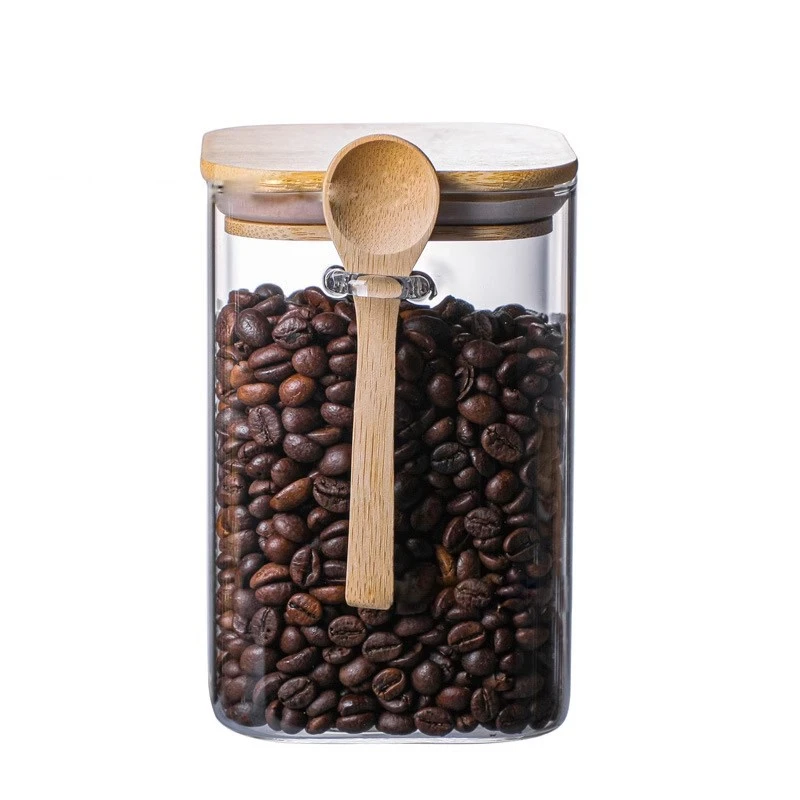
![[All Microwave Safe] High Borosilicate Glass Food Storage Container , Oven Safe without Lid, Dishwasher Safe](https://images.exportstart.com/images/a1251/squre-glass-container-with-glass-lid-518.webp "[All Microwave Safe] High Borosilicate Glass Food Storage Container , Oven Safe without Lid, Dishwasher Safe")
![[Sliding Vent PP Lid] Borosilicate Glass Food Storage Containers with Food-grade Plastic Lid, Airtight, Leak Resistant](https://images.exportstart.com/images/a1251/glass-food-storage-container-with-airtight-lid-183.webp "[Sliding Vent PP Lid] Borosilicate Glass Food Storage Containers with Food-grade Plastic Lid, Airtight, Leak Resistant")
![[Large Skylight Glass Lid] Glass Food Storage Container, Oven Safe with Lid, BPA Free, 100% Leak resistant](https://images.exportstart.com/images/a1251/glass-lid-food-storage-container-1-1-196.webp "[Large Skylight Glass Lid] Glass Food Storage Container, Oven Safe with Lid, BPA Free, 100% Leak resistant")
![[Colorful Vent PP Lid] Glass Food Storage Container, BPA Free, Leakproof, Dishwasher Safe](https://images.exportstart.com/images/a1251/002-1-639.webp "[Colorful Vent PP Lid] Glass Food Storage Container, BPA Free, Leakproof, Dishwasher Safe")
![[Color Vent PP Lid] Borosilicate Glass Food Storage Container, Leakproof, Dishwasher Safe](https://images.exportstart.com/images/a1251/1-941.webp "[Color Vent PP Lid] Borosilicate Glass Food Storage Container, Leakproof, Dishwasher Safe")
![[Vacuum AS] Food Storage Container with Pump](https://images.exportstart.com/images/a1251/7-1-397.webp "[Vacuum AS] Food Storage Container with Pump")