 TEL: +86 18903393212
 Email: tina@yintoglassware.com

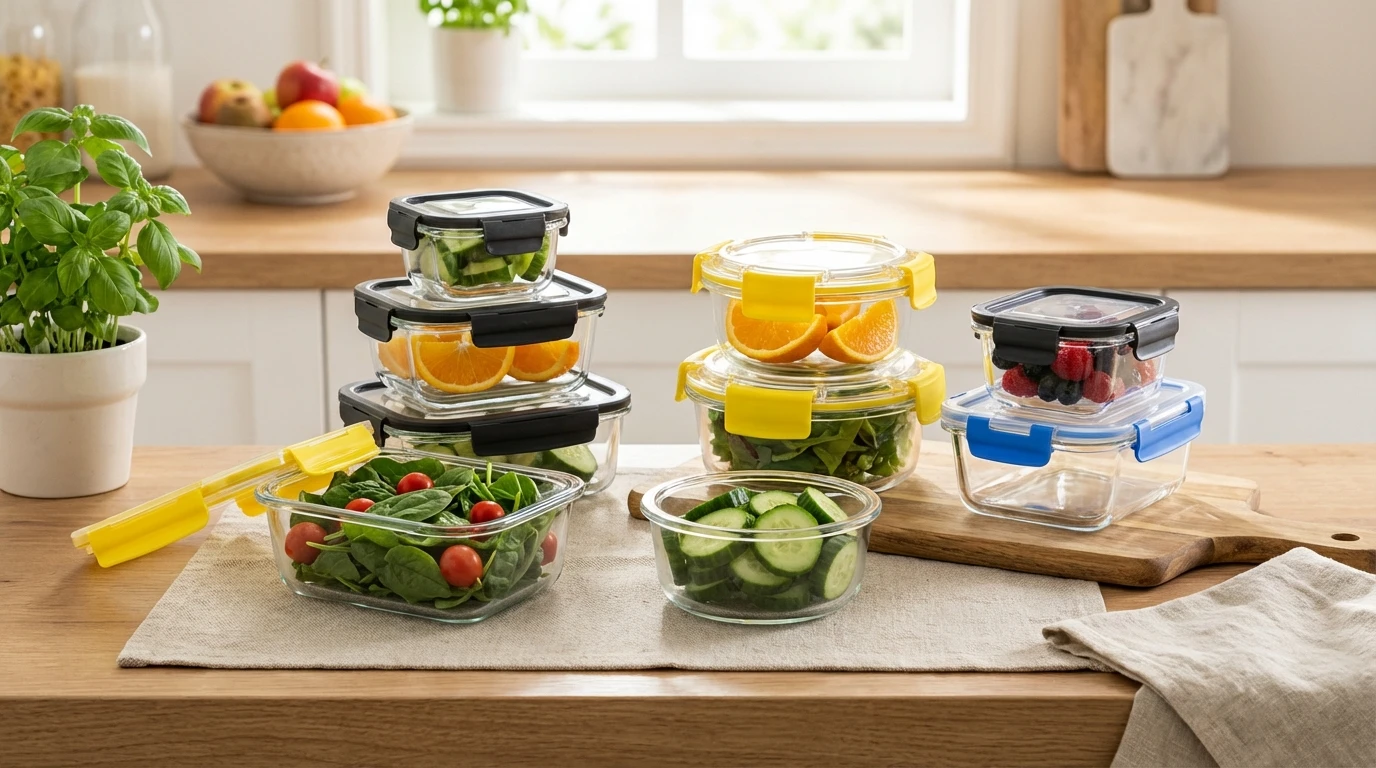
Ultimate Guide to Choosing Big Glass Storage Containers for Every Need
The Ultimate Guide to Choosing Big Glass Storage Containers for Every Need
Organizing a modern kitchen or a commercial pantry requires a balance of aesthetics and functionality. Using big glass storage containers is one of the most effective ways to maintain freshness, reduce plastic waste, and create a visually pleasing environment. Whether you are storing bulk grains, pickled vegetables, or meal-prepping for the week, high-quality borosilicate glass offers unparalleled durability and hygiene. In this guide, we will explore why upgrading to larger glass vessels is a game-changer for both home chefs and business owners, ensuring your ingredients stay preserved and your space remains clutter-free.
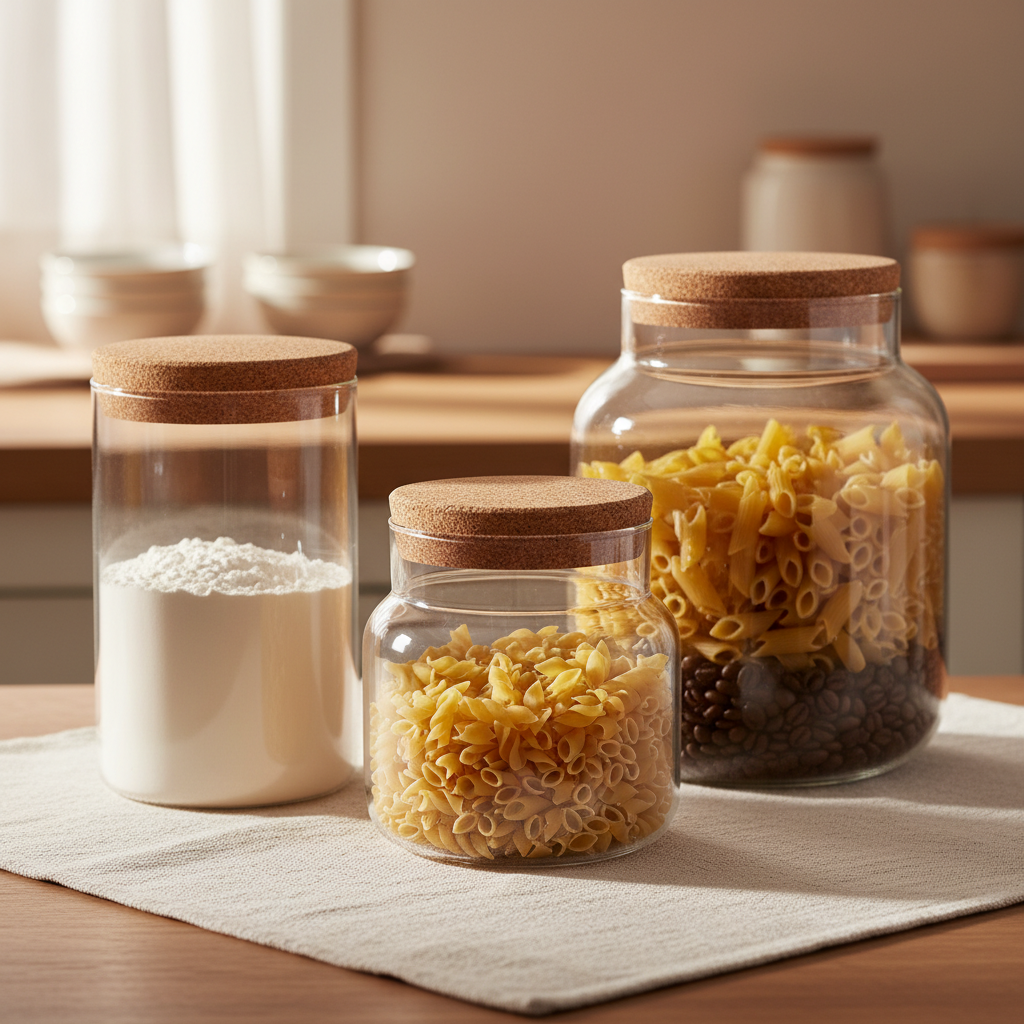
Why Invest in Big Glass Storage Containers?
Many people hesitate to buy larger containers fearing they are too heavy or fragile. However, the benefits far outweigh the concerns. First, non-porous glass does not absorb odors or stains, unlike plastic. This makes big glass storage containers ideal for storing strong-smelling ingredients like kimchi or garlic-infused oils. Second, the transparency allows for instant inventory checks, reducing food waste by ensuring you don't buy duplicates of items you already have. Finally, high-quality glass is generally oven and microwave safe, providing a seamless transition from storage to serving.
Pro Tip: When selecting large containers, always look for borosilicate glass. It is engineered to withstand thermal shock, meaning it won't crack when moving from a cold fridge to a warm oven.
Comparing Glass vs. Plastic for Bulk Storage
When deciding between materials, the impact on health and the environment is a primary consideration. Plastic containers often contain BPA and phthalates, which can leach into food, especially when heated. In contrast, big glass storage containers are chemically inert and 100% recyclable. While plastic is lighter, it scratches easily and becomes cloudy over time. Glass remains crystal clear and retains its structural integrity for decades, making it a more sustainable long-term investment for any household or commercial kitchen.
Optimizing Space with Big Glass Storage Containers
Using large-format containers allows you to consolidate multiple small bags into a single, streamlined vessel. This not only reduces visual clutter but also optimizes vertical space in your cabinets. When utilizing big glass storage containers, we recommend choosing square or rectangular shapes over round ones; these fit tighter against walls and corners, maximizing every inch of your storage area. Additionally, stacking compatible lids allows you to build upward, leaving more counter space for actual food preparation.
Versatile Applications for Large-Scale Glassware
The utility of large glass vessels extends far beyond simple dry food storage. In a professional culinary setting, these containers are essential for fermentation processes, such as making large batches of sauerkraut or kombucha, as glass does not react with acids. For home users, they are perfect for "bulk buying" from wholesalers, which saves money and reduces packaging waste. From storing large quantities of flour and sugar to preserving seasonal harvests, the versatility of big glass storage containers makes them an indispensable tool for any efficient kitchen.
Technical Specifications for Premium Glass Storage
Not all glass is created equal. When sourcing industrial or high-end domestic containers, it is important to verify the technical specifications to ensure the product can handle the rigors of daily use. Professional-grade big glass storage containers typically feature reinforced walls and airtight sealing mechanisms (such as silicone gaskets) to prevent oxidation. Below is a specification table for our standard large-capacity range:
Maintenance Tips for Long-Lasting Glassware
To ensure your investment lasts for a lifetime, proper care is essential. While glass is durable, it can suffer from "thermal shock" if exposed to extreme temperature changes too quickly (e.g., placing a frozen container directly into a preheated oven). Always allow the glass to reach room temperature first. For cleaning, we recommend using a soft sponge and mild detergent; avoid abrasive steel wool that can create micro-scratches. For the seals on your big glass storage containers, periodic inspection of the silicone gaskets ensures they remain airtight and effective in keeping pests and moisture out.
Conclusion: Elevate Your Storage with Glass
Switching to big glass storage containers is more than just an organizational upgrade; it is a commitment to health, sustainability, and efficiency. By eliminating toxic plastics and optimizing your pantry space, you create a more mindful and productive kitchen environment. Whether for personal use or commercial supply, the durability and clarity of premium glassware provide a timeless solution for food preservation. Experience the difference in quality and organization today.
Frequently Asked Questions (FAQs)
Are big glass storage containers safe for the freezer?
Yes, provided you use borosilicate glass and leave a small amount of "headspace" at the top of the container. Because liquids expand when they freeze, filling a container to the very brim can cause the glass to crack. By leaving about an inch of air, you ensure that the expansion happens safely. Our premium containers are designed to handle low temperatures without losing structural integrity.
How do I remove stubborn stains from large glass jars?
While glass is non-porous, some oils or pigments can cling to the surface. The most effective way to clean big glass storage containers is by using a mixture of baking soda and warm water to create a paste. Apply the paste to the stained area, let it sit for 15 minutes, and scrub gently with a soft brush. This method is non-abrasive and restores the glass to its original brilliance.
Can these containers be used for vacuum sealing?
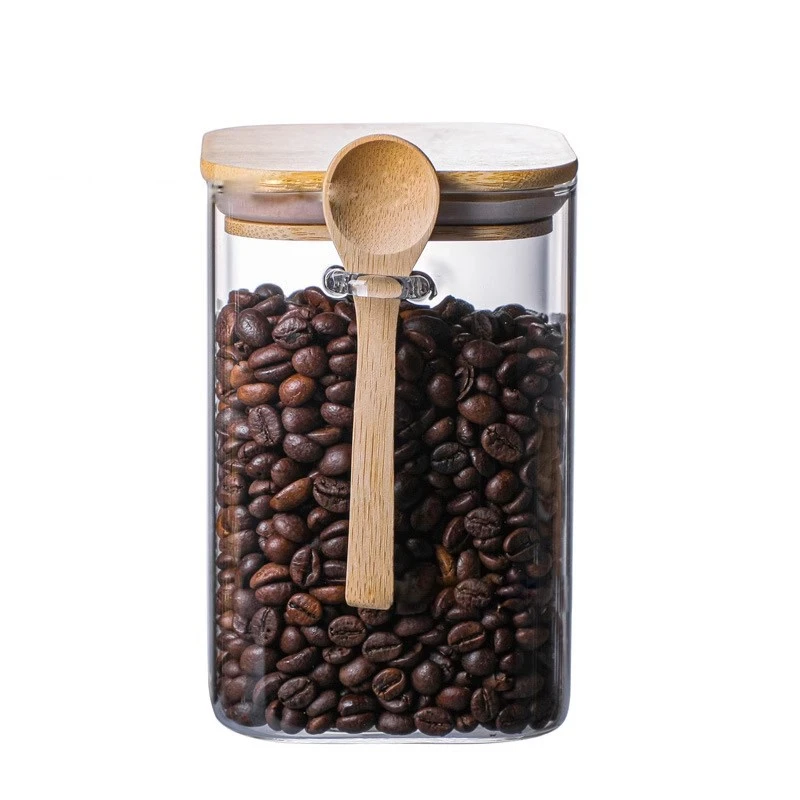
Many of our large glass containers are compatible with vacuum sealing systems, especially those with flat, silicone-sealed lids. Vacuum sealing removes oxygen from the container, which significantly extends the shelf life of dry goods like nuts, seeds, and coffee beans by preventing oxidation. Always ensure the lid is properly aligned and the seal is intact before initiating the vacuum process for the best results.
What is the difference between tempered glass and borosilicate glass?
Tempered glass is treated with heat to increase its strength against impact, but it can still crack under sudden temperature changes. Borosilicate glass, used in our big glass storage containers, contains boron trioxide, which gives it a very low coefficient of thermal expansion. This means it is far more resistant to thermal shock, making it the gold standard for cookware and high-end storage solutions.
-
Small Glass Lunch Containers Guide for Healthy Meal PrepNewsApr.09,2026
-
Comprehensive Guide to Choosing the Best Storage Containers for Dishes and GlassesNewsApr.07,2026
-
Selecting The Optimal 300ml Food Containers For Your Business NeedsNewsApr.04,2026
-
Discover the Benefits of Durable 3 Cup Glass Food Storage ContainersNewsMar.31,2026
-
Comprehensive Guide to Choosing Superior Glass Divided Food ContainersNewsMar.28,2026
![[Extra Large with Handle] Oven Safe Glass Food Storage Container with Airtight Locking Lid & Handle, Oven Safe Dishwasher Safe](https://images.exportstart.com/images/a1251/extra-larger-glass-container-with-snap-locking-lid-164.webp "[Extra Large with Handle] Oven Safe Glass Food Storage Container with Airtight Locking Lid & Handle, Oven Safe Dishwasher Safe")
![[All Microwave Safe] High Borosilicate Glass Food Storage Container , Oven Safe without Lid, Dishwasher Safe](https://images.exportstart.com/images/a1251/squre-glass-container-with-glass-lid-518.webp "[All Microwave Safe] High Borosilicate Glass Food Storage Container , Oven Safe without Lid, Dishwasher Safe")
![[Sliding Vent PP Lid] Borosilicate Glass Food Storage Containers with Food-grade Plastic Lid, Airtight, Leak Resistant](https://images.exportstart.com/images/a1251/glass-food-storage-container-with-airtight-lid-183.webp "[Sliding Vent PP Lid] Borosilicate Glass Food Storage Containers with Food-grade Plastic Lid, Airtight, Leak Resistant")
![[Large Skylight Glass Lid] Glass Food Storage Container, Oven Safe with Lid, BPA Free, 100% Leak resistant](https://images.exportstart.com/images/a1251/glass-lid-food-storage-container-1-1-196.webp "[Large Skylight Glass Lid] Glass Food Storage Container, Oven Safe with Lid, BPA Free, 100% Leak resistant")
![[Colorful Vent PP Lid] Glass Food Storage Container, BPA Free, Leakproof, Dishwasher Safe](https://images.exportstart.com/images/a1251/002-1-639.webp "[Colorful Vent PP Lid] Glass Food Storage Container, BPA Free, Leakproof, Dishwasher Safe")
![[Color Vent PP Lid] Borosilicate Glass Food Storage Container, Leakproof, Dishwasher Safe](https://images.exportstart.com/images/a1251/1-941.webp "[Color Vent PP Lid] Borosilicate Glass Food Storage Container, Leakproof, Dishwasher Safe")
![[Vacuum AS] Food Storage Container with Pump](https://images.exportstart.com/images/a1251/7-1-397.webp "[Vacuum AS] Food Storage Container with Pump")