 TEL: +86 18903393212
 Email: tina@yintoglassware.com

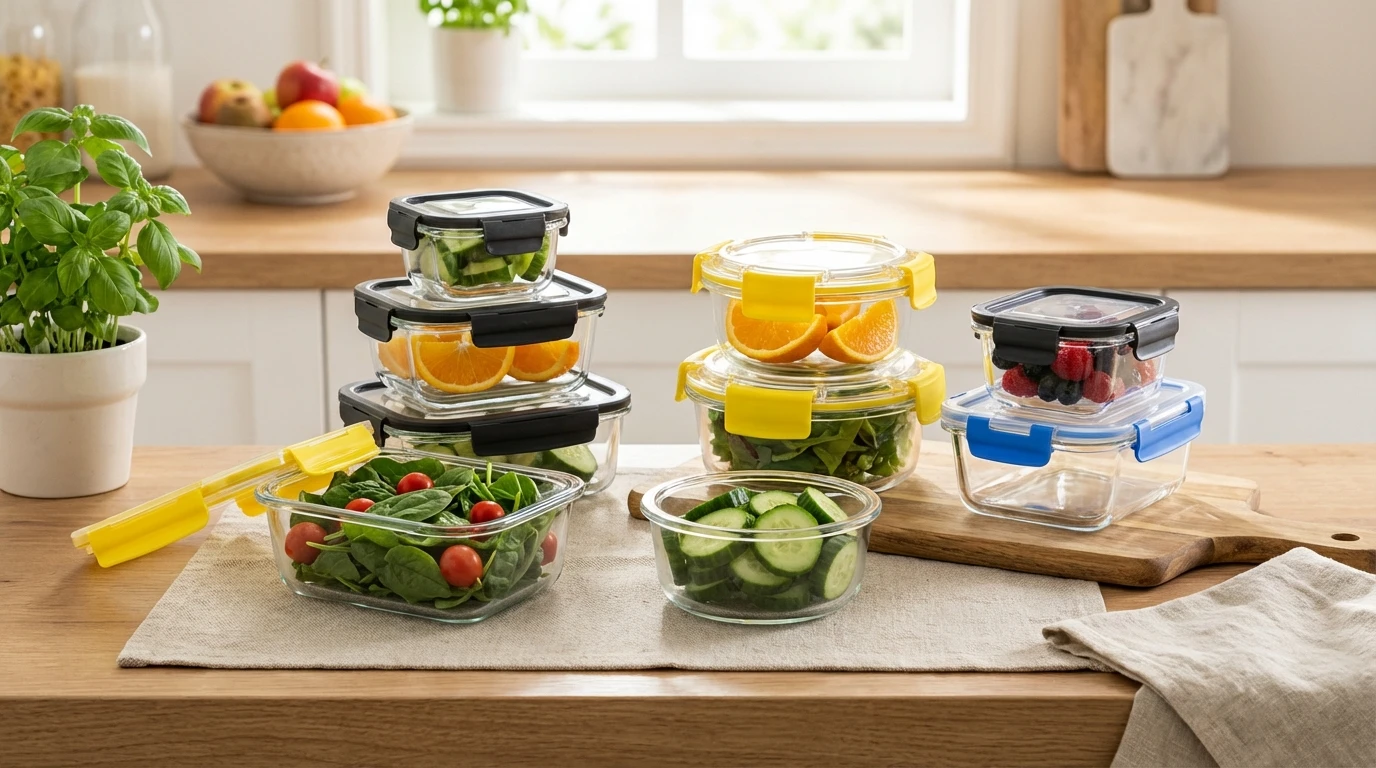
Durable Glass Food Storage Containers with Lids - Yinto Glassware
Why a glass food storage container with lid is a kitchen essential you might have underestimated
Working close to the industrial side of kitchenware for more than a decade, I’ve seen trends come and go, with materials like plastic dominating the early years mainly due to convenience and cost. But, oddly enough, these days the glass food storage container with lid has been making a pretty strong comeback. And frankly, it’s for good reasons.
At first glance, you might think “glass? That sounds fragile and heavy,” but here’s the thing — modern glass containers, especially those made by trusted manufacturers like Yinto Glassware, are designed with user-friendliness and durability in mind. They use high-quality borosilicate glass or tempered glass which, if you’ve ever dropped a bottle or experimented with lab glassware, you know can endure thermal shock fairly well.
The lids, too, are more than just afterthoughts. Most lids come with airtight silicone seals which not only keep your food fresh but also help prevent spills when you’re on the go or tossing containers into lunch bags. I’ve personally handed out samples to chefs and food scientists, and the feedback is consistent: they appreciate the sturdiness combined with the clarity glass provides, allowing you to see exactly what’s inside with ease.
Now, I can’t say every glass container is perfect out of the box. Some prefer snap-lock lids, while others want simple press-fit seals. Fair enough. But if you want something that doesn't absorb stains, odors, or chemicals, glass wins by a mile. Think of it as the “non-reactive” champion of food storage materials. Also, they’re microwave, dishwasher, and freezer safe — which makes life easier around a busy industrial kitchen or even at home.
I remember a small bakery client who switched from plastic to glass containers after complaints about plastic odors altering the taste of pastries in storage. The switch was almost immediate in improving freshness perception. Oddly enough, some of their staff also reported fewer allergic reactions, which might be worth pondering.
Product specifications at a glance
| Feature | Specification |
|---|---|
| Material | Borosilicate glass with BPA-free silicone lid |
| Capacity | Ranges from 250 ml up to 2 liters |
| Temperature Range | -20°C to 400°C (freezer to oven safe) |
| Lid Type | Snap-lock airtight silicone seal |
| Microwave Safe | Yes |
| Dishwasher Safe | Yes |
How do top manufacturers compare?
| Vendor | Material Quality | Lid Seal Integrity | Product Range | Price Range |
|---|---|---|---|---|
| Yinto Glassware | Premium borosilicate glass | High, airtight silicone seals | Wide (250 ml to 2L) | Mid-range |
| Brand B | Tempered glass, standard | Moderate, some leakage reported | Limited sizes | Lower |
| Brand C | Borosilicate, but lighter gauge | Good, though wearer can degrade fast | Moderate | Mid-high |
In real life situations, especially when handling mass quantities in kitchens or food production sites, selecting a container that balances durability with ease of use can be a proper challenge. Glass containers like those from Yinto tend to stand out since they don’t just feel sturdy but also have a premium touch.
One thing I always recommend is to test the lids carefully. Some suppliers skimp on the silicone quality which can result in the dreaded leaks especially if you’re transporting food. It’s a subtle detail but can make or break the user experience.
To wrap this up: If you’re looking for a sustainable, safe, and versatile food storage solution, a glass food storage container with lid might surprise you with its practicality. It’s sort of a classic making a modern comeback, and even in industrial settings, it holds up well.
Anyway, I hope this little dive into glass containers saves you some headaches and maybe inspires a switch to something a bit greener and healthier.
Quick References:
1. Consumer Reports on Food Storage Materials, 2023
2. Industrial Kitchenware Usage Survey, 2022
3. FDA Guidance on Food-Safe Materials
-
Ultimate Guide to Choosing Big Glass Storage Containers for Every NeedNewsApr.16,2026
-
Small Glass Lunch Containers Guide for Healthy Meal PrepNewsApr.09,2026
-
Comprehensive Guide to Choosing the Best Storage Containers for Dishes and GlassesNewsApr.07,2026
-
Selecting The Optimal 300ml Food Containers For Your Business NeedsNewsApr.04,2026
-
Discover the Benefits of Durable 3 Cup Glass Food Storage ContainersNewsMar.31,2026
-
Comprehensive Guide to Choosing Superior Glass Divided Food ContainersNewsMar.28,2026
![[Extra Large with Handle] Oven Safe Glass Food Storage Container with Airtight Locking Lid & Handle, Oven Safe Dishwasher Safe](https://images.exportstart.com/images/a1251/extra-larger-glass-container-with-snap-locking-lid-164.webp "[Extra Large with Handle] Oven Safe Glass Food Storage Container with Airtight Locking Lid & Handle, Oven Safe Dishwasher Safe")
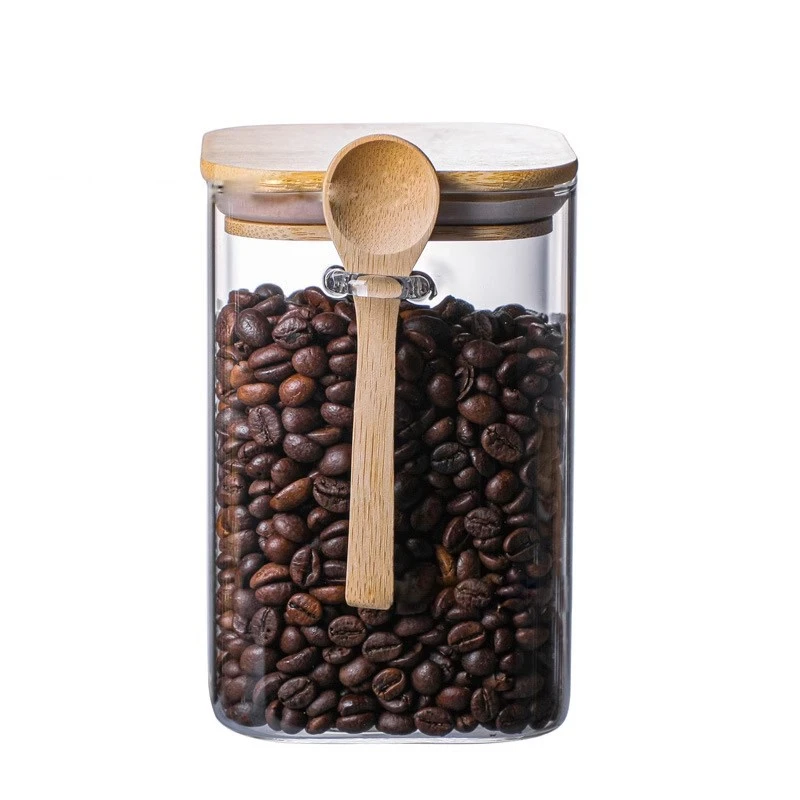
![[All Microwave Safe] High Borosilicate Glass Food Storage Container , Oven Safe without Lid, Dishwasher Safe](https://images.exportstart.com/images/a1251/squre-glass-container-with-glass-lid-518.webp "[All Microwave Safe] High Borosilicate Glass Food Storage Container , Oven Safe without Lid, Dishwasher Safe")
![[Sliding Vent PP Lid] Borosilicate Glass Food Storage Containers with Food-grade Plastic Lid, Airtight, Leak Resistant](https://images.exportstart.com/images/a1251/glass-food-storage-container-with-airtight-lid-183.webp "[Sliding Vent PP Lid] Borosilicate Glass Food Storage Containers with Food-grade Plastic Lid, Airtight, Leak Resistant")
![[Large Skylight Glass Lid] Glass Food Storage Container, Oven Safe with Lid, BPA Free, 100% Leak resistant](https://images.exportstart.com/images/a1251/glass-lid-food-storage-container-1-1-196.webp "[Large Skylight Glass Lid] Glass Food Storage Container, Oven Safe with Lid, BPA Free, 100% Leak resistant")
![[Colorful Vent PP Lid] Glass Food Storage Container, BPA Free, Leakproof, Dishwasher Safe](https://images.exportstart.com/images/a1251/002-1-639.webp "[Colorful Vent PP Lid] Glass Food Storage Container, BPA Free, Leakproof, Dishwasher Safe")
![[Color Vent PP Lid] Borosilicate Glass Food Storage Container, Leakproof, Dishwasher Safe](https://images.exportstart.com/images/a1251/1-941.webp "[Color Vent PP Lid] Borosilicate Glass Food Storage Container, Leakproof, Dishwasher Safe")
![[Vacuum AS] Food Storage Container with Pump](https://images.exportstart.com/images/a1251/7-1-397.webp "[Vacuum AS] Food Storage Container with Pump")