 TEL: +86 18903393212
 Email: tina@yintoglassware.com

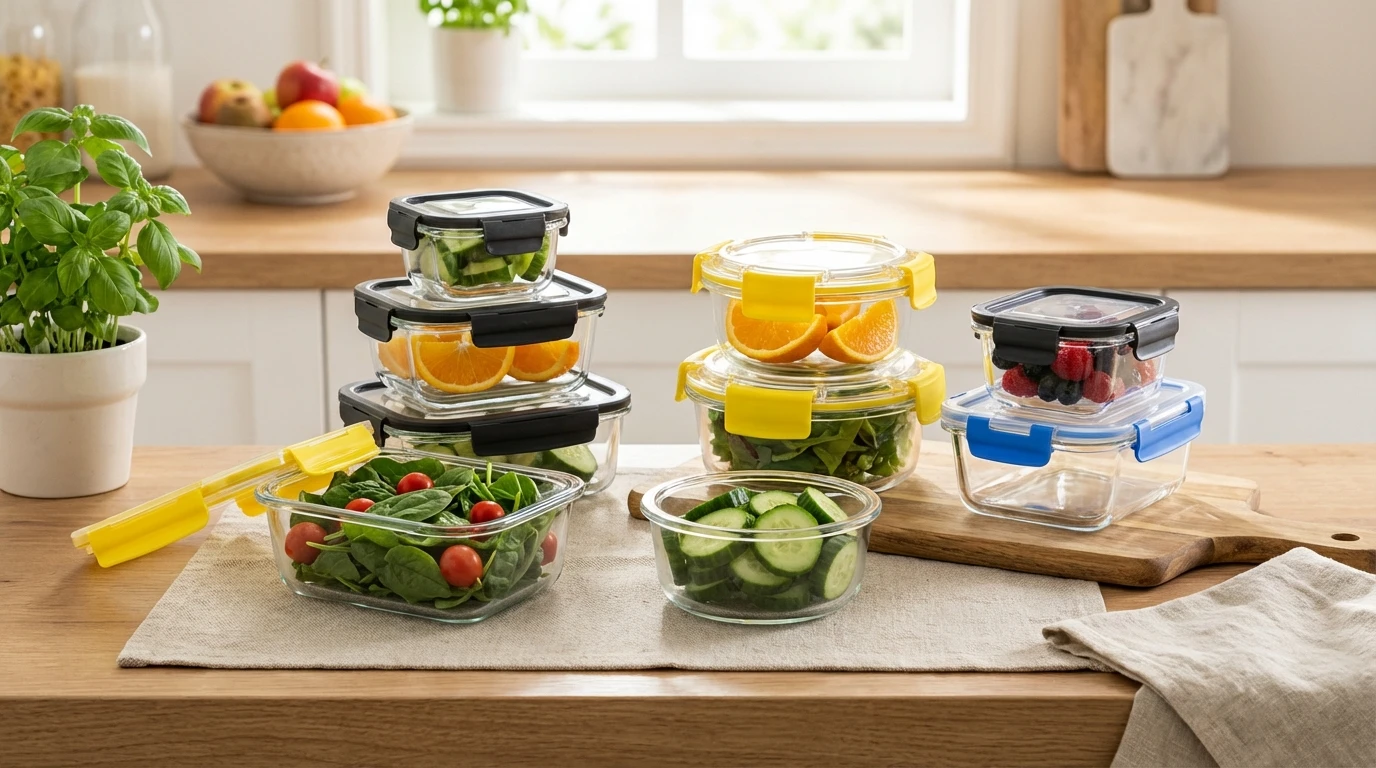
Custom Borosilicate Glass Bottles | Durable, Eco-Friendly & Tailored Solutions
Understanding the Custom Borosilicate Glass Bottle: Why It Matters Globally
If you’re in industries involving pharmaceuticals, laboratories, or even artisanal crafts, you’ve probably come across borosilicate glass bottles — and if you need something a bit more unique, the custom borosilicate glass bottle is your go-to. But why does this niche product matter on a global scale? Well, it’s not just about a pretty container; it’s a blend of resilience, chemical safety, and adaptability that impacts everything from healthcare safety to sustainable packaging worldwide.
Globally, with increased demand for safer packaging solutions that can withstand thermal and chemical stress, the custom borosilicate glass bottle has emerged as a quiet hero. According to ISO standards on glass packaging, borosilicate’s unique formulation dramatically reduces breakage and contamination. This isn’t trivial—especially in sensitive sectors like biotech or food industries, where purity is paramount. So, understanding this product means more efficient production, safer storage, and ultimately, less waste. That’s good news for businesses and the planet alike.
Setting the Scene: The Global Context Behind These Specialized Glass Bottles
Let’s zoom out a little. Recent reports from the United Nations Environment Programme (UNEP) stress the urgency to replace plastic packaging with more sustainable and durable alternatives. In regions like the European Union, regulations are tightening around packaging waste, driving industries to seek out materials that last longer and minimize contamination risk. Here, custom borosilicate glass bottles step into the spotlight.
The World Bank notes that packaging industries account for roughly 8% of total global waste, with much of it being non-recyclable plastics. Transitioning to glass-based solutions, particularly borosilicate variants, can help curb that tide. More so, in pharmaceutical distribution across Asia-Pacific and North America — markets expected to reach $600+ billion by 2027 — the demand for high-quality borosilicate glass containers is spiking due to their resilience and sterility.
In real terms, though, one challenge often overlooked is the need for customization: different industries or even brands require bottles that aren’t cookie-cutter but tailored in volume, thickness, shape, or even printed designs. And that’s exactly what “custom borosilicate glass bottle” manufacturers tackle.
What Exactly is a Custom Borosilicate Glass Bottle?
At its simplest, a custom borosilicate glass bottle is a container made from borosilicate glass—a type of glass known for its low thermal expansion and chemical durability—that is shaped and refined to a customer’s unique specifications. Unlike generic glass bottles, these are crafted considering factors like wall thickness, bottle shape, neck finish, and functional features tailored specifically for the intended use.
Borosilicate glass itself is a high-quality material consisting largely of silica and boron trioxide, which grants it resistance to thermal shock and chemical corrosion—qualities prized in laboratory glassware but increasingly vital in multiple industries including perfumery, food-grade storage, and pharma.
Interestingly, humanitarian projects have also found these bottles essential—storing sterile water or medicine in fragile environments where durability and safety cannot be compromised.
Core Components of a Custom Borosilicate Glass Bottle
Durability & Thermal Resistance
One of the biggest reasons borosilicate glass is favored is because it can survive sudden temperature changes without cracking. Imagine you need to sterilize medical contents frequently—you can’t afford to lose materials due to container failure.
Chemical Stability
Because these bottles resist chemical corrosion, they won’t leach contaminants into the contents—vital for pharmaceuticals or volatile chemical reagents.
Customization & Design Freedom
The ability to change size, shape, and even color allows businesses to meet brand aesthetics and functional demands all at once.
Lightweight but Robust
Compared to traditional soda-lime glass, borosilicate is notably lighter with improved strength-to-weight ratio, making transportation less costly and storage safer.
Recyclability and Sustainability
Borosilicate can be recycled without degrading easily, unlike many plastics, which aligns it well with circular economy goals.
Global Uses and Practical Applications
These bottles are everywhere—from pharmaceutical labs in Germany dosing vaccines to artisanal perfume makers in France who want just the right shape and tint. Let me mention a quick few contexts:
- Healthcare & Pharmaceuticals: Storing injectable drugs, reagents, or diagnostic agents, where contamination is a no-go.
- Food & Beverage: Specialty liquors and organic oils that demand clean, chemical-free packaging.
- Scientific R&D: Lab environments globally benefit from borosilicate due to its resistance to acids and heat.
- Disaster Relief: NGOs rely on these bottles to distribute sterile water or medicines in harsh, remote zones, where fragility means failure.
For instance, in recent disaster relief operations in Southeast Asia, aid organizations requested fully customized borosilicate bottles—scaled-down volumes with reinforced necks—to safely transport liquid electrolytes to affected communities. This was critical for avoiding breakage during air and ground transport through tough terrains.
Specifications at a Glance: Custom Borosilicate Glass Bottle
| Specification | Standard Range | Custom Options |
|---|---|---|
| Material Composition | Borosilicate Glass (80–85% silica, 12–13% boron oxide) | Additives for UV protection, coloring, or additional strength |
| Volume Range | 5 ml to 1000 ml | Custom volume and shape upon request |
| Neck Finish | Standard lab screw cap sizes | Custom thread, flange, or sealing options |
| Thermal Resistance | -70 °C to 450 °C continuous use | Enhanced heat treatments for extreme conditions |
| Customization Lead Time | N/A (standard) | 4–8 weeks depending on complexity |
How Vendors Stack Up: A Quick Comparison
| Vendor | Customization Options | Lead Time | Global Reach | Sustainability |
|---|---|---|---|---|
| Yinto Glassware | Extensive: volumes, shapes, finishes, logo printing | 4–6 weeks | Strong distribution in Asia, Europe, North America | Uses recycled glass, low-energy furnaces |
| GlassTech Solutions | Moderate: fixed sizes, limited shapes | 3–5 weeks | Primarily European markets | Standard recycling, no specialized green initiatives |
| ClearLab Containers | Custom sizes but limited design tweaks | 6–8 weeks | North America-centric | Limited sustainability certifications |
Why Invest in Custom Borosilicate Glass Bottles? The Advantages
Aside from the obvious durability and tailored fit, these bottles bring a suite of benefits:
- Cost Efficiency: Longer lifespan, less product loss through breakage, and reusable packaging lower costs over time.
- Sustainability: Recyclability and absence of harmful additives contribute to green credentials.
- Safety & Reliability: Peace of mind in pharmaceuticals or chemicals where contamination risks are truly life-impacting.
- Brand Differentiation: Custom shapes and finishes boost product appeal and brand trust.
- Social Impact: When used in humanitarian aid, the robustness means safe delivery of critical supplies.
The Cutting Edge: Future Trends & Innovations
What’s next for custom borosilicate bottles? A few fascinating developments are worth monitoring.
- Advanced Coatings: Hydrophobic or antimicrobial coatings incorporated at manufacturing for enhanced protection.
- Smart Packaging: Embedding RFID tags or sensors to monitor contents—temperature, spoilage, or tampering—in real time.
- Eco-Friendly Manufacturing: Focus on cutting emissions using alternative energy sources and closed-loop recycling systems.
- 3D Printing and Rapid Prototyping: Allowing customers to preview and iterate complex bottle designs faster than ever.
Common Challenges and How They're Overcome
Frankly, custom borosilicate glass bottles aren’t without their hurdles. Lead times can be longer than mass-produced plastics. Fragility, although improved, remains a concern in logistics. And customization sometimes comes with premium costs.
But manufacturers are continuously innovating. Enhanced packaging materials cushion fragile glass during transport; digital workflow improvements streamline design-to-production; meanwhile, economies of scale begin to bring costs down as demand grows.
FAQ: Practical Questions About Custom Borosilicate Glass Bottles
- How long do custom borosilicate glass bottles typically last in chemical storage?
- With proper handling, borosilicate glass bottles can last indefinitely without degradation, thanks to their chemical resistance and durability. They outperform plastic containers by resisting swelling, leaching, or cracking over years.
- Are there volume limitations for customization?
- Generally, custom volumes range from as small as 5 ml up to about 1 liter, though outside these ranges manufacturing complexity and costs rise sharply. Many labs and specialty producers find the typical range sufficient.
- What cleaning methods are recommended?
- Due to their thermal shock resistance, borosilicate bottles can be autoclaved, baked, or cleaned with strong detergents without compromising integrity, which is perfect for laboratory use.
- Can these bottles be printed or labeled?
- Yes, many vendors offer options including silk-screen printing, etching, or UV printing for logos or batch info, which is great for brand consistency or traceability.
- Is it cost-effective to order small custom batches?
- Small batches are possible but usually come at a premium. However, recent improvements in manufacturing tech are making short runs more affordable than before.
Conclusion
To wrap up, custom borosilicate glass bottles are quietly shaping how industries package, preserve, and present sensitive products globally. Their combination of resilience, chemical safety, and branding flexibility makes them invaluable in both commercial and humanitarian contexts.
If you want to explore tailored solutions that fit your unique needs — whether it’s volume, shape, or finish — I warmly suggest checking out custom borosilicate glass bottle options at Yinto Glassware. They’re leading the pack in quality and innovation, and it certainly feels like they’re setting the standard for glass packaging’s future.
References
-
Ultimate Guide to Choosing Big Glass Storage Containers for Every NeedNewsApr.16,2026
-
Small Glass Lunch Containers Guide for Healthy Meal PrepNewsApr.09,2026
-
Comprehensive Guide to Choosing the Best Storage Containers for Dishes and GlassesNewsApr.07,2026
-
Selecting The Optimal 300ml Food Containers For Your Business NeedsNewsApr.04,2026
-
Discover the Benefits of Durable 3 Cup Glass Food Storage ContainersNewsMar.31,2026
-
Comprehensive Guide to Choosing Superior Glass Divided Food ContainersNewsMar.28,2026
![[Extra Large with Handle] Oven Safe Glass Food Storage Container with Airtight Locking Lid & Handle, Oven Safe Dishwasher Safe](https://images.exportstart.com/images/a1251/extra-larger-glass-container-with-snap-locking-lid-164.webp "[Extra Large with Handle] Oven Safe Glass Food Storage Container with Airtight Locking Lid & Handle, Oven Safe Dishwasher Safe")
![[All Microwave Safe] High Borosilicate Glass Food Storage Container , Oven Safe without Lid, Dishwasher Safe](https://images.exportstart.com/images/a1251/squre-glass-container-with-glass-lid-518.webp "[All Microwave Safe] High Borosilicate Glass Food Storage Container , Oven Safe without Lid, Dishwasher Safe")
![[Sliding Vent PP Lid] Borosilicate Glass Food Storage Containers with Food-grade Plastic Lid, Airtight, Leak Resistant](https://images.exportstart.com/images/a1251/glass-food-storage-container-with-airtight-lid-183.webp "[Sliding Vent PP Lid] Borosilicate Glass Food Storage Containers with Food-grade Plastic Lid, Airtight, Leak Resistant")
![[Large Skylight Glass Lid] Glass Food Storage Container, Oven Safe with Lid, BPA Free, 100% Leak resistant](https://images.exportstart.com/images/a1251/glass-lid-food-storage-container-1-1-196.webp "[Large Skylight Glass Lid] Glass Food Storage Container, Oven Safe with Lid, BPA Free, 100% Leak resistant")
![[Colorful Vent PP Lid] Glass Food Storage Container, BPA Free, Leakproof, Dishwasher Safe](https://images.exportstart.com/images/a1251/002-1-639.webp "[Colorful Vent PP Lid] Glass Food Storage Container, BPA Free, Leakproof, Dishwasher Safe")
![[Color Vent PP Lid] Borosilicate Glass Food Storage Container, Leakproof, Dishwasher Safe](https://images.exportstart.com/images/a1251/1-941.webp "[Color Vent PP Lid] Borosilicate Glass Food Storage Container, Leakproof, Dishwasher Safe")
![[Vacuum AS] Food Storage Container with Pump](https://images.exportstart.com/images/a1251/7-1-397.webp "[Vacuum AS] Food Storage Container with Pump")