 TEL: +86 18903393212
 Email: tina@yintoglassware.com

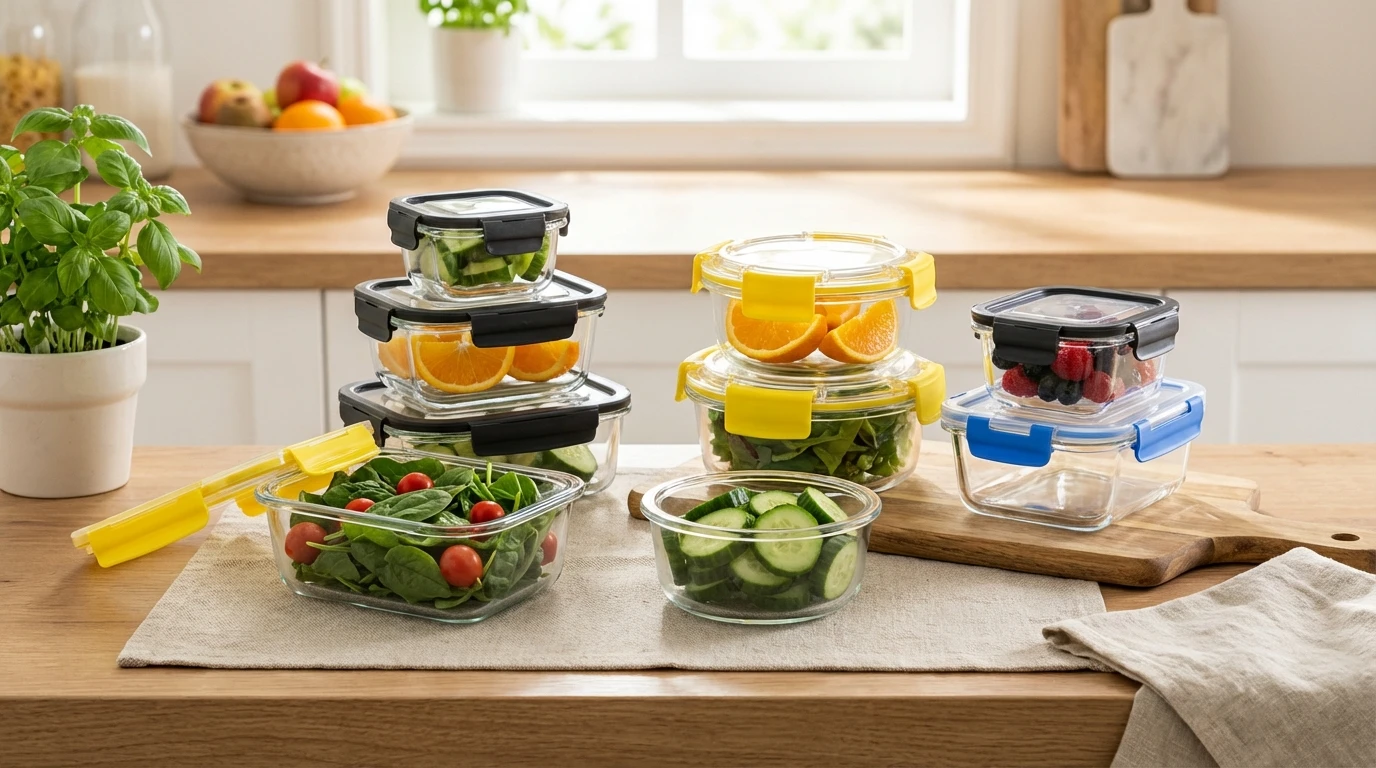
Discover the Benefits of 2L Water Bottle Glass – Sustainable & Durable Bottles
Understanding the Rise of 2L Water Bottle Glass: Why It Matters
The humble 2-liter glass water bottle might sound simple — but its significance is surprisingly broad and global. As concerns around plastic pollution intensify and industries reimagine sustainable packaging, the 2l water bottle glass stands out as a beacon of eco-conscious design and practical utility. It marries tradition with modern innovation, offering a reusable alternative for communities, manufacturers, and humanitarian organizations alike.
Worldwide, plastic waste accounts for millions of tons dumped into oceans annually (UN Environment Programme, 2022), pushing governments and consumers into action. The 2l water bottle glass steps in as a durable, recyclable, and inert medium that helps reduce environmental strain—a small but impactful part of a greater solution. Understanding what these bottles offer helps businesses, consumers, and policymakers make smarter, greener choices.
Mini Takeaway: The 2l glass water bottle is more than packaging — it’s a bridge between sustainability demands and practical, daily use.
Global Context: Where the 2L Glass Water Bottle Fits
Globally, glass packaging still holds strong with a market valuation exceeding $60 billion (MarketsandMarkets, 2023). Specifically, large-capacity glass bottles like the 2l size are gaining traction for water and beverage distribution in Europe, Asia, and North America—all regions actively shifting policies to curb single-use plastics. Oddly enough, while plastic once dominated larger containers, tightening regulations and consumer awareness are shifting preferences.
However, such bottles also address critical supply chain challenges—particularly in humanitarian aid where durable, safe water storage is vital. According to the World Health Organization, safe drinking water access is a persistent global issue, and reusable glass bottles meet safety, hygiene, and durability expectations even in resource-limited settings.
Mini Takeaway: The 2l water bottle glass is seeing growing adoption worldwide due to policy shifts, sustainability needs, and practical benefits across diverse sectors.
What Exactly Is a 2l Water Bottle Glass?
Simply put, a 2l water bottle glass is a bottle made primarily from glass material designed to hold two liters of water or liquid. Unlike plastic or metal, glass is chemically inert, meaning it doesn’t interact with its contents—preserving taste and purity. Across industries, these bottles are reused, refilled, or recycled easily without degrading quality.
It’s the intersection of size and material that makes the 2l water bottle glass relevant—large enough for family or communal use, but still manageable for transportation and handling. From bottling plants to household kitchens to emergency water distribution, these bottles carry a versatile meaning and value.
Core Attributes of the 2L Water Bottle Glass
Durability & Reusability
Glass is robust when handled properly and can resist long-term wear. While it can break with impact, thick-walled 2l bottles designed for repeat use often feature protective sleeves or thicker glass. This combination increases lifespan well beyond typical single-use counterparts.
Environmental Sustainability
Glass is 100% recyclable endlessly without any quality loss. The energy used in recycling glass is roughly 30% less than producing new glass, according to the Glass Packaging Institute. Plus, glass doesn’t leach toxins—a key concern with some plastics.
Cost Efficiency Over Time
While upfront costs for glass bottles can be higher, the reuse factor and minimal contamination reduce the need for frequent replacements or expensive filtration. Many beverage companies report that after 15-20 reuse cycles, glass becomes more economical than plastic.
Safety & Taste Preservation
Glass does not absorb or release flavors, ensuring water stays fresh and untainted. In settings where quality drinking water is vital, such as hospitals or aid deployments, this characteristic matters deeply.
Design & Customization Potential
Glass lends itself well to labeling, embossing, and customized shapes—granting brands creative freedom without compromising recyclability.
| Specification | Typical Feature |
|---|---|
| Capacity | 2 Liters (67.6 fl oz) |
| Material | Soda-lime or Borosilicate Glass |
| Wall Thickness | 3–5 mm for durability |
| Reusable Cycles | 15–25 (depending on handling and treatment) |
| Recycling Rate | Up to 100% recyclable infinitely |
| Weight | Approx. 550–700 grams |
Mini Takeaway: The 2l water bottle glass strikes a solid balance of durability, eco-friendliness, and usability, making it a preferred choice across multiple use cases.
Global Applications & Use Cases
So, where exactly do these bottles get used? Roughly, they crop up in:
- Household Water Storage: Many consumers favor glass for kitchen water pitchers or emergency reserves.
- Commercial Beverages: Craft soda, mineral water, and juice companies increasingly bottle 2l glass for premium branding — especially in Europe.
- Post-Disaster Relief: NGOs demand durable containers for clean water drops; glass bottles withstand sterilization cycles well.
- Remote Industrial Zones: Places where delivery is sparse, and clean water is vital — glass's inert nature prevents contamination over long storage.
- Eco-Friendly Retail: Zero waste stores and refill stations stock these bottles to discourage single-use plastics.
An example: after the 2020 floods in South Asia, certain NGOs distributed 2l water bottle glass units to refugee camps, enabling repeated refills without the health risks associated with plastic degradation.
2l water bottle glass providers often highlight these humanitarian applications, arguing for their bottles as affordable, sustainable infrastructure in emergencies.
Advantages & Long-Term Value
Beyond immediate utility, the real value lies in longevity and impact:
- Cost Savings: The initial purchase is offset by the bottle’s long lifespan and minimal spoilage, making it economically sound.
- Sustainability: Glass cuts landfill pressure and reduces microplastic risks—a key environmental win.
- Safety & Trust: Users emotionally connect with glass's perceived purity, fostering confidence in water safety.
- Social Impact: Glass’s reuse principles align with circular economy goals pushed by international policies (ISO 18604:2019 on packaging).
In real terms, companies and NGOs feel they’re investing both in supply chain resilience and their brand's green credentials by opting for glass.
Future Trends & Innovations
The 2l water bottle glass isn't stuck in the past. Innovations keep rolling:
- Smart Glass Coatings: Antimicrobial or self-cleaning surfaces that reduce bacteria build-up.
- Lightweight Glass: Advances in glass chemistry reduce weight without sacrificing strength.
- Digital Integration: QR codes or NFC on bottles enable tracking for refills or recycling incentives.
- Renewable Energy: Production shifts increasingly rely on solar and wind, lowering the carbon footprint (Glass Packaging Institute reports on energy use).
All signs suggest that the 2l glass bottle will continue evolving technologically to meet sustainability and user demands.
Challenges & Solutions
Of course, nothing's perfect. Glass is heavier, more fragile, and initially costlier than plastics—which means transportation and handling logistics have to adapt. Also, breakage risks in some environments limit adoption.
Solutions include:
- Innovative packaging designs with protective outer shells or sleeves.
- Local production to reduce transport distances.
- Community programs to encourage careful handling and return/refill incentives.
Many engineers I’ve spoken to say the key is finding that sweet spot between durability and sustainability through design and education.
Comparison of Leading Vendors for 2L Water Bottle Glass
| Vendor | Materials | Customization | Average Lead Time | Sustainability Certification |
|---|---|---|---|---|
| Yinto Glassware | Soda-lime, Borosilicate | Full branding, embossing | 3-4 weeks | ISO 14001, FSC compliant |
| Crystal Clear Bottles | Soda-lime only | Limited label options | 2-3 weeks | No official certification |
| EnviroGlass Corp | Borosilicate | Customizable shapes | 4-5 weeks | ISO 14001, LEED certified |
Frequently Asked Questions About 2L Water Bottle Glass
Q1: How does a 2l glass water bottle compare with plastic in handling and safety?
Glass is inert and won’t leach chemicals or flavors, making it safer for long-term water storage. However, it’s heavier and more fragile than plastic, so it requires careful handling and transport.
Q2: Can these glass bottles be reused multiple times without quality loss?
Yes, with proper cleaning and care, 2l glass bottles can typically be reused 15-25 times. Their sturdy design and resistance to scratches or chemical contamination help maintain quality over repeated use.
Q3: Are 2l glass water bottles environmentally friendly compared to plastic?
Absolutely. Glass is 100% recyclable without degrading and eliminates microplastic pollution. Its reuse cycle further reduces carbon footprint compared to single-use plastic bottles.
Q4: What’s the typical cost difference between glass and plastic 2l bottles?
Glass bottles generally cost 20-40% more upfront, but the reusability and recycling factors often balance or surpass plastic costs over time.
Q5: Where can I find suppliers for customized 2l water glass bottles?
Many vendors such as Yinto Glassware specialize in customizable glass bottles with branding and special finishes, typically offering flexible production runs and sustainability certifications.
Conclusion: The Lasting Impact of 2L Water Bottle Glass
The 2l water bottle glass isn’t just a container—it’s a symbol of shifting values, smarter manufacturing, and environmental responsibility. Whether for personal hydration, commercial branding, or humanitarian aid, these bottles meet a surprising number of needs. They remind us that sustainability can involve thoughtful design and reuse, not just complex technology. For anyone interested in a future with less waste and more durable, safe solutions, the 2l glass option is worth a close look.
Curious to explore or purchase? Visit Yinto Glassware for detailed options and expert support.
Here’s to drinking responsibly—in every sense.
References
- UN Environment Programme (2022). "Global Plastic Waste and Policy Responses."
- MarketsandMarkets, "Glass Packaging Market - Global Forecast to 2028."
- World Health Organization. "Drinking Water Safety and Storage."
- Glass Packaging Institute. "Sustainability and Recycling."
- ISO 18604:2019 Packaging - Circular Economy Principles
-
Ultimate Guide to Choosing Big Glass Storage Containers for Every NeedNewsApr.16,2026
-
Small Glass Lunch Containers Guide for Healthy Meal PrepNewsApr.09,2026
-
Comprehensive Guide to Choosing the Best Storage Containers for Dishes and GlassesNewsApr.07,2026
-
Selecting The Optimal 300ml Food Containers For Your Business NeedsNewsApr.04,2026
-
Discover the Benefits of Durable 3 Cup Glass Food Storage ContainersNewsMar.31,2026
-
Comprehensive Guide to Choosing Superior Glass Divided Food ContainersNewsMar.28,2026
![[Extra Large with Handle] Oven Safe Glass Food Storage Container with Airtight Locking Lid & Handle, Oven Safe Dishwasher Safe](https://images.exportstart.com/images/a1251/extra-larger-glass-container-with-snap-locking-lid-164.webp "[Extra Large with Handle] Oven Safe Glass Food Storage Container with Airtight Locking Lid & Handle, Oven Safe Dishwasher Safe")
![[All Microwave Safe] High Borosilicate Glass Food Storage Container , Oven Safe without Lid, Dishwasher Safe](https://images.exportstart.com/images/a1251/squre-glass-container-with-glass-lid-518.webp "[All Microwave Safe] High Borosilicate Glass Food Storage Container , Oven Safe without Lid, Dishwasher Safe")
![[Sliding Vent PP Lid] Borosilicate Glass Food Storage Containers with Food-grade Plastic Lid, Airtight, Leak Resistant](https://images.exportstart.com/images/a1251/glass-food-storage-container-with-airtight-lid-183.webp "[Sliding Vent PP Lid] Borosilicate Glass Food Storage Containers with Food-grade Plastic Lid, Airtight, Leak Resistant")
![[Large Skylight Glass Lid] Glass Food Storage Container, Oven Safe with Lid, BPA Free, 100% Leak resistant](https://images.exportstart.com/images/a1251/glass-lid-food-storage-container-1-1-196.webp "[Large Skylight Glass Lid] Glass Food Storage Container, Oven Safe with Lid, BPA Free, 100% Leak resistant")
![[Colorful Vent PP Lid] Glass Food Storage Container, BPA Free, Leakproof, Dishwasher Safe](https://images.exportstart.com/images/a1251/002-1-639.webp "[Colorful Vent PP Lid] Glass Food Storage Container, BPA Free, Leakproof, Dishwasher Safe")
![[Color Vent PP Lid] Borosilicate Glass Food Storage Container, Leakproof, Dishwasher Safe](https://images.exportstart.com/images/a1251/1-941.webp "[Color Vent PP Lid] Borosilicate Glass Food Storage Container, Leakproof, Dishwasher Safe")
![[Vacuum AS] Food Storage Container with Pump](https://images.exportstart.com/images/a1251/7-1-397.webp "[Vacuum AS] Food Storage Container with Pump")