 TEL: +86 18903393212
 Email: tina@yintoglassware.com

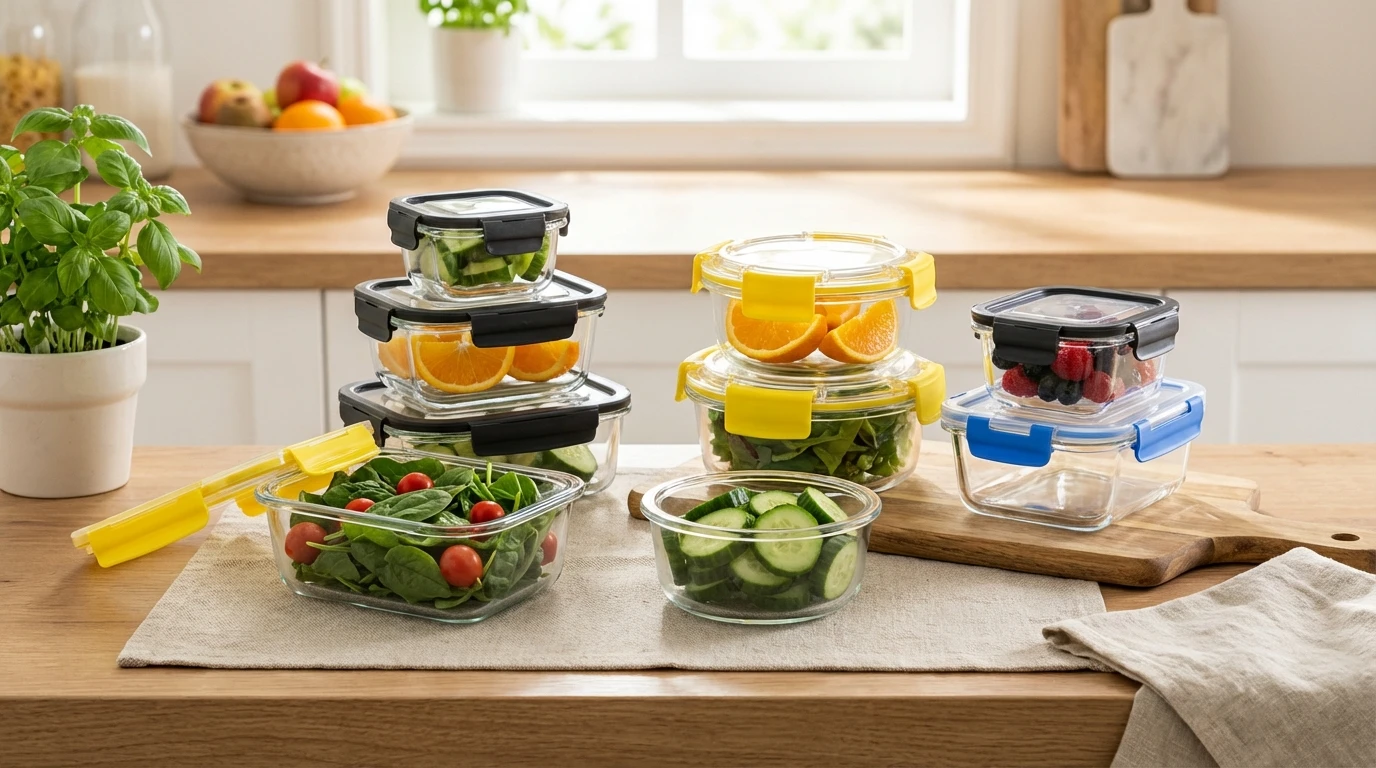
Durable and Sustainable: The 100 ml Borosilicate Glass Bottle for Global Use
Understanding the 100 ml Borosilicate Glass Bottle: Why It Matters Globally
If you’ve ever handled a laboratory vial or eyed that small, sturdy bottle by your side during a hike, chances are it was made of borosilicate glass — often measured in neat volumes, like a 100 ml borosilicate glass bottle. But beyond the simple numbers and shapes, these bottles play an outsized role worldwide in science, safety, and sustainability. You’re probably wondering, why bother learning about them? Well, in a global context where durability, chemical resistance, and purity are critical, understanding these humble containers opens a window into a vast array of fields: from pharmaceutical labs to remote medical missions, and even in environmentally conscious packaging. The benefits aren’t just technical — they’re about trust, reliability, and a surprisingly green footprint in a throwaway culture.
Mini takeaway: The 100 ml borosilicate glass bottle isn’t just laboratory jargon. It’s a small but essential piece in many industries worldwide, valued for durability and purity, with a growing role in sustainability.
Setting the Scene: The Global Importance of 100 ml Borosilicate Glass Bottles
Globally, the industry for borosilicate glass containers is projected to grow steadily—largely because of their essential properties. According to ISO standards, borosilicate glass offers superior chemical and thermal resistance compared to common soda-lime glass, making it ideal for sensitive applications. A 100 ml borosilicate glass bottle is one of the most common sizes used precisely because it strikes a balance between portability and capacity.
In fact, the World Health Organization notes that reliable, contamination-resistant containers are crucial in vaccine distribution and drug storage, especially in remote or resource-limited regions. Meanwhile, the United Nations Environment Programme (UNEP) encourages the use of reusable and recyclable packaging to reduce plastic pollution — where glass bottles fit in quite nicely.
However, challenges remain. Fragility during transport and cost comparisons to plastic alternatives often discourage their widespread adoption, especially in developing countries.
Mini takeaway: Though indispensable worldwide, especially for pharmaceuticals and chemicals, the 100 ml borosilicate glass bottle faces logistic and economic challenges that businesses and policymakers are striving to overcome.
What Exactly Is a 100 ml Borosilicate Glass Bottle?
In the simplest terms, a 100 ml borosilicate glass bottle is a small container made from borosilicate glass — a type of glass known for its resistance to thermal shock and chemical corrosion. “Boro glass,” as it’s casually called, is composed of silica, boron oxide, and small amounts of other elements that make it less prone to cracking compared to normal glass. The 100 ml volume size is standard for lab use, essential oils, pharmaceuticals, and even specialty beverages.
Its connection to modern industry is firm — these bottles are trusted when the contents cannot afford contamination, when temperature variations are expected, or when chemical durability is a must. For humanitarian efforts — like delivering antiseptics to remote areas — these bottles are valued for safety and reliability, easing transport and storage worries.
Mini takeaway: The 100 ml borosilicate glass bottle combines the benefits of small-scale convenience with materials science sophistication, making it ideal for demanding applications.
Key Factors That Give Borosilicate Glass Bottles Their Edge
1. Durability & Thermal Resistance
Unlike typical glass bottles, borosilicate glass withstands extreme temperature shifts without cracking. You could pour boiling liquid, then chill it down and the bottle would stay intact. This property is a godsend in labs and in places like industrial sites or mobile medical units, where temperature control may fluctuate unpredictably.
2. Chemical Inertness
Borosilicate glass doesn’t react with most chemicals. This is why it’s trusted for pharmaceuticals or storing volatile compounds — the bottle protects the contents while remaining unaffected itself. No off-flavors, no leaching; just pure containment.
3. Reusability & Sustainability
While plastic is often championed for being lightweight, borosilicate glass is more sustainable over time. It’s recyclable and, crucially, reusable. Unlike plastics that degrade or release microplastics, these glass bottles keep doing their job without environmental compromise.
4. Precision & Standardization
The 100 ml size is a sweet spot: not too bulky, not too tiny. This standardization enables easy global trade, equipment compatibility (think pipettes or holders), and consistent dosing — aspects that matter most in pharmaceutical and research environments.
5. Aesthetics & Transparency
Frankly, it’s just nice to see what’s inside. The clear, bright glass allows for quick visual inspections. While it might sound trivial, for inspectors, scientists, or caregivers, this transparency means an extra layer of safety and confidence.
Product Specification Table
| Specification | Details |
|---|---|
| Material | Borosilicate Glass (Type 1, Class A) |
| Capacity | 100 ml (±5 ml tolerance) |
| Thermal Resistance | Withstands up to 500°C temperature change |
| Chemical Resistance | Resistant to acids, solvents, and alkalis |
| Dimensions | Approx. 52 mm diameter, 100 mm height |
| Seal Type | Threaded neck with screw cap or stopper |
Mini takeaway: The core traits of borosilicate glass bottles—durability, chemical inertness, and precise sizing—make them valuable for numerous specialized uses worldwide.
Where Are These 100 ml Borosilicate Glass Bottles Used Globally?
Well, they pop up more often than most realize. Here’s a quick global tour:
- Pharmaceutical Industry: Used to store reagents, injectable drugs, and vaccines due to sterility and chemical resistance. Places like Europe and North America are longstanding users.
- Research Labs Worldwide: From university chemistry labs in Asia to biotech startups in Australia, these bottles facilitate safe handling of sensitive substances.
- Humanitarian Missions: NGOs working in remote African or South American regions carry antiseptics and medicines in these to ensure integrity during extreme transport conditions.
- Food and Beverage Sector: Specialty products like herbal extracts and essential oils, especially those marketed as natural or organic, prefer borosilicate glass for consumer trust.
Take for example a remote vaccination campaign in Nepal last year. The cold chain was fragile, but the sturdy 100 ml borosilicate glass bottles helped keep the contents stable, allowing for safe immunization in mountainous terrain.
Mini takeaway: The bottles are versatile, traversing labs, humanitarian efforts, and consumer markets worldwide, evidencing their global footprint and significance.
Advantages and Long-Term Value of Choosing Borosilicate Glass Bottles
It’s not just about the glass. It’s about what that glass enables—a safer product, environmental responsibility, and peace of mind.
- Cost-effectiveness: While initially more expensive than plastic, borosilicate glass bottles often lower total costs due to durability and reusability.
- Sustainability: These bottles reduce plastic waste and can be recycled endlessly, matching eco-conscious consumer trends and regulatory demands.
- Reliability & Safety: Trusting a bottle that won’t leach chemicals or break unexpectedly protects end-users and brand reputation alike.
- Innovation & Brand Perception: For companies, using borosilicate glass conveys commitment to quality and environment, resonating emotionally with discerning customers.
Mini takeaway: Borosilicate glass bottles, especially the 100 ml size, prove their worth in long-term savings, environmental benefits, and enhancing user trust.
Looking Ahead: Future Trends in Borosilicate Glass Bottles
The future feels quite bright — almost literally. New coatings and surface treatments are improving scratch resistance and antimicrobial properties. Automation in manufacturing is driving costs down, making these bottles more affordable at scale.
Green energy in production, combined with circular economy policies championed by the EU and others, will push borosilicate glass bottles even more into the spotlight. Imagine a small smart tag embedded or attached, aiding real-time tracking for supply chain transparency. Digital transformation colliding with traditional glass tech — oddly enough, they work well together.
Mini takeaway: Antimicrobial coatings, process automation, and smart tech integration hint that the 100 ml borosilicate glass bottle will continue evolving beyond a mere container.
Tackling Challenges in Adoption and Usage
Not all roses, though. Fragility still alarms potential users, particularly where transport infrastructure is weak. Also, cost-sensitive sectors hesitate to switch entirely from cheaper plastics.
Innovative packaging designs that include shock-absorbing sleeves and modular shipping crates show promise. Bulk procurement and local manufacturing partnerships may reduce costs, too. Some manufacturers offer hybrid bottles with borosilicate glass bodies and polymer caps optimized for sealing and breakage prevention.
Mini takeaway: Although challenges persist, creative engineering and supply chain solutions steadily improve the viability of these glass bottles in a broad range of markets.
FAQ: Common Questions About 100 ml Borosilicate Glass Bottles
- Q: How long can a 100 ml borosilicate glass bottle typically be reused?
A: With proper cleaning and handling, these bottles can last for years, often outliving plastic counterparts by a wide margin. - Q: Are these bottles safe for storing acidic or alkaline substances?
A: Yes, borosilicate glass is highly resistant to acids and alkalis, making it ideal for a broad range of chemicals. - Q: Can these bottles handle sudden temperature changes?
A: Absolutely. They tolerate rapid temperature fluctuations up to 500°C without cracking, making them lab and field-friendly. - Q: How do shipping costs compare to plastic containers?
A: Glass is heavier, so transport costs can be higher, but durability often offsets replacement and waste costs in the long run. - Q: Where can I find suppliers for quality 100 ml borosilicate glass bottles?
A: Trusted vendors span globally, including Asia and Europe. We recommend checking the 100 ml borosilicate glass bottle supplier directory for vetted options.
Comparing Leading Vendors for 100 ml Borosilicate Glass Bottles
| Vendor | Origin | Price Range (per 100 pcs) | Special Features | Lead Time |
|---|---|---|---|---|
| Yinto Glassware | China | $150 - $180 | ISO certified, customizable caps, fast shipping | |
| Pyrex (Corning) | USA | $200 - $230 | Premium heat resistance, wide distribution | |
| Kavalierglass | Czech Republic | $170 - $200 | Custom printing, environment-friendly processes |
Wrapping it Up: Why a 100 ml Borosilicate Glass Bottle is More Than Just a Container
To circle back, the humble 100 ml borosilicate glass bottle quietly supports some of the most critical industries globally — science, medicine, environment, and even humanitarian aid. Its blend of durability, chemical neutrality, and environmental benefits explains why so many engineers, scientists, and organizations rely on it. The ongoing innovations hint that soon, these bottles won’t just contain substances — they’ll deliver smart, sustainable solutions.
If you're interested in sourcing quality containers or learning more about their applications, don’t hesitate to visit our website: 100 ml borosilicate glass bottle. There’s more to glass than meets the eye—trust me.
References & Further Reading
-
Ultimate Guide to Choosing Big Glass Storage Containers for Every NeedNewsApr.16,2026
-
Small Glass Lunch Containers Guide for Healthy Meal PrepNewsApr.09,2026
-
Comprehensive Guide to Choosing the Best Storage Containers for Dishes and GlassesNewsApr.07,2026
-
Selecting The Optimal 300ml Food Containers For Your Business NeedsNewsApr.04,2026
-
Discover the Benefits of Durable 3 Cup Glass Food Storage ContainersNewsMar.31,2026
-
Comprehensive Guide to Choosing Superior Glass Divided Food ContainersNewsMar.28,2026
![[Extra Large with Handle] Oven Safe Glass Food Storage Container with Airtight Locking Lid & Handle, Oven Safe Dishwasher Safe](https://images.exportstart.com/images/a1251/extra-larger-glass-container-with-snap-locking-lid-164.webp "[Extra Large with Handle] Oven Safe Glass Food Storage Container with Airtight Locking Lid & Handle, Oven Safe Dishwasher Safe")
![[All Microwave Safe] High Borosilicate Glass Food Storage Container , Oven Safe without Lid, Dishwasher Safe](https://images.exportstart.com/images/a1251/squre-glass-container-with-glass-lid-518.webp "[All Microwave Safe] High Borosilicate Glass Food Storage Container , Oven Safe without Lid, Dishwasher Safe")
![[Sliding Vent PP Lid] Borosilicate Glass Food Storage Containers with Food-grade Plastic Lid, Airtight, Leak Resistant](https://images.exportstart.com/images/a1251/glass-food-storage-container-with-airtight-lid-183.webp "[Sliding Vent PP Lid] Borosilicate Glass Food Storage Containers with Food-grade Plastic Lid, Airtight, Leak Resistant")
![[Large Skylight Glass Lid] Glass Food Storage Container, Oven Safe with Lid, BPA Free, 100% Leak resistant](https://images.exportstart.com/images/a1251/glass-lid-food-storage-container-1-1-196.webp "[Large Skylight Glass Lid] Glass Food Storage Container, Oven Safe with Lid, BPA Free, 100% Leak resistant")
![[Colorful Vent PP Lid] Glass Food Storage Container, BPA Free, Leakproof, Dishwasher Safe](https://images.exportstart.com/images/a1251/002-1-639.webp "[Colorful Vent PP Lid] Glass Food Storage Container, BPA Free, Leakproof, Dishwasher Safe")
![[Color Vent PP Lid] Borosilicate Glass Food Storage Container, Leakproof, Dishwasher Safe](https://images.exportstart.com/images/a1251/1-941.webp "[Color Vent PP Lid] Borosilicate Glass Food Storage Container, Leakproof, Dishwasher Safe")
![[Vacuum AS] Food Storage Container with Pump](https://images.exportstart.com/images/a1251/7-1-397.webp "[Vacuum AS] Food Storage Container with Pump")