 TEL: +86 18903393212
 Email: tina@yintoglassware.com

Innovative Glass Water Bottle Design for Sustainability & Health | Yinto Glassware
Understanding Glass Water Bottle Design: Why It Matters More Than Ever
If you’ve ever browsed reusable water bottles in a store or online, you might have noticed the glass options gaining a lot of love lately. Glass water bottle design has quietly become a subtle but powerful movement against plastic waste, while offering sleek aesthetics, safety, and sustainability. But beyond the pretty looks, these designs are pivotal globally — both environmentally and culturally.
Worldwide, billions of plastic water bottles end up polluting land and oceans annually. In real terms, the rise of safe, reusable, and well-designed glass bottles offers an alternative which is not only eco-friendly but also durable and health-conscious. For industries, NGOs, and individuals alike, understanding what goes into a good glass water bottle design isn’t just a nice-to-have detail — it’s key to making smarter, longer-lasting choices.
Glass Water Bottle Design in the Global Context
Globally, environmental concerns have pushed reusable bottles into the spotlight. According to the United Nations Environment Programme, over 300 million tons of plastic are produced every year, much of which ends up in oceans, harming wildlife and communities. Additionally, the World Bank reports that over 2 billion people lack access to safely managed drinking water services, making the materials and design of water containers critical for health and sustainability.
Glass water bottle design addresses two major challenges: reducing plastic waste and providing safe, reusable hydration options. But it’s not just about swapping plastic for glass — the engineering behind bottle shape, durability, insulation, and ease of cleaning directly impacts usability. From urban cafes in Europe to remote relief zones in Asia, these bottles carry stories — and solutions.
What Exactly Is Glass Water Bottle Design?
Simply put, glass water bottle design is the art and science of creating reusable bottles made primarily from glass that meet user needs for health, convenience, durability, and style. It’s about choosing the right glass (often borosilicate for strength and heat resistance), alongside well-thought-out shapes, lids, coatings, and accessories.
This design connects deeply with industry trends in sustainability and consumer awareness. Humanitarian efforts also rely on well-designed water containers to improve water safety and accessibility in crisis zones, where plastic pollution or contamination poses real threats.
Core Elements of Glass Water Bottle Design
1. Material Quality and Safety
Often forgotten is the importance of glass type. Borosilicate glass is favored because it withstands temperature extremes and resists cracking. The safety angle here is huge — glass doesn’t leach chemicals, unlike some plastics, protecting user health especially during hot or acidic drink use.
2. Durability and Impact Resistance
Fragility is the common concern with glass bottles. Designers often counter this by adding silicone sleeves or double-walled constructions for insulation and added protection. It’s a bit of engineering finesse balancing weight, protection, and cost.
3. Ergonomics and Usability
Bottles should fit comfortably in hands and bags, have easy-to-use lids, plus convenient cleaning access. Odd bottle shapes can look cool but get awkward when you’re living with the bottle daily. Designers often prototype multiple versions before settling on the “sweet spot” that’s both functional and pleasing.
4. Sustainability and Recyclability
Glass is infinitely recyclable, but design must consider lifecycle. Lids, coatings, and accessories should be eco-compatible or replaceable. Companies that embed this mindset tend to win customer trust and longer product lifespans.
5. Aesthetic and Branding
Let’s be honest – a bottle’s look matters a lot. Whether it’s sleek minimalism, vintage charm, or bold colors, the design influences buying decisions. Many brands use creative glass water bottle design as a signature element, linking beauty and utility.
Mini takeaway: Glass water bottle design is a multifaceted challenge — it’s not just glass and shape, but a balance of safety, durability, ease of use, sustainability, and style.
Global Applications and Real-World Examples
In Europe and North America, consumers favor stylish glass bottles for daily hydration and office use, often with silicone sleeves and leak-proof lids. Meanwhile, in Asia and Africa, NGOs delivering clean water lean towards simple, durable bottles designed to withstand rough handling and high temperatures.
For instance, in post-tsunami relief scenarios, rugged glass bottles with protective coating provide safe, reusable containers to reduce reliance on single-use plastics, which are scarce or environmentally damaging. In urban cafes, upscale designs help brands promote eco-consciousness alongside aesthetics.
| Specification | Typical Feature |
|---|---|
| Material | Borosilicate Glass |
| Capacity | 500ml – 1000ml |
| Weight (empty) | 350 – 450 grams |
| Lid Type | Screw cap with silicone seal |
| Additional Features | Silicone sleeve, BPA-free, dishwasher safe |
Mini takeaway: A lot goes into that seemingly simple object you carry every day; it’s a bit like a tiny masterpiece made to last and serve multiple needs.
Advantages & Long-Term Value of Thoughtful Bottle Design
- Cost Efficiency: A durable glass bottle reduces repeat purchases and waste.
- Sustainability: Glass resists quality degradation and is recyclable endlessly.
- Health & Safety: No chemical leaching means peace of mind, especially for kids and sensitive users.
- Social Impact: Encourages consumers to reduce single-use plastics, promoting a culture of environmental stewardship.
- Emotional Connection: Using a beautiful, well-made bottle fosters user attachment and responsible ownership.
Emerging Trends in Glass Water Bottle Design
The future is promising. Manufacturers are exploring lightweight borosilicate blends, incorporating smart tech like temperature sensors, and using advanced coatings to enhance impact resistance without plastic sleeves. Sustainability is pushing innovation in biodegradable materials for lids and packaging. Some brands partner with renewable energy grids to reduce carbon footprint during production.
Digital customization is also on the rise — imagine ordering a bottle with your name etched, a tailored lid, or embedded NFC tech for interactive brand experiences. These bring practicality and personalization together, making the bottle more than just a container.
Challenges and Practical Solutions
Despite all the promise, glass bottles have hurdles. Fragility remains top among them, though silicone sleeves or double-wall technology help. Cost can be higher vs. plastic alternatives, limiting access in some regions. Also, production scale sometimes lags behind plastic bottle factories.
Innovators suggest modular designs for easier repair, cradle-to-cradle lifecycle approaches, and pushing local production to reduce logistics impact. NGOs and industries also educate consumers on safe usage and cleaning — because a well-designed bottle only lasts if it’s cared for properly.
| Vendor | Key Strength | Price Range (USD) | Sustainability Focus |
|---|---|---|---|
| Yinto Glassware | Customizable design, borosilicate glass | $15–$25 | High (recyclable, low waste) |
| PureHydrate | Innovative double-wall insulation | $20–$30 | Medium (partial eco-packaging) |
| EcoVessel | Minimalist design, biodegradable lids | $18–$28 | Very High |
FAQ: Your Questions About Glass Water Bottle Design
Q1: Are glass water bottles safer than plastic ones?
Yes, glass does not leach harmful chemicals even when exposed to heat or acidic drinks, making it safer and healthier for daily use compared to some plastics.
Q2: How durable are glass bottles for everyday use?
With protective sleeves and proper borosilicate glass, many bottles can easily last years without cracking. However, care should be taken to avoid dropping on hard surfaces.
Q3: Can I customize glass water bottles for branding or gifts?
Absolutely. Many manufacturers, including Yinto Glassware, offer custom designs, logo printing, and color options tailored to your needs.
Q4: Are glass bottles recyclable and eco-friendly?
Glass is one of the most recyclable materials with an infinite recycling cycle. The eco-friendliness depends also on lid materials and production processes.
Q5: How should I clean a glass water bottle to keep it safe?
Use warm soapy water regularly, and occasionally sanitize it with diluted vinegar or use dishwasher-safe bottles for convenience.
Final Thoughts: Why Embrace Glass Water Bottle Design Today?
In summary, glass water bottle design is a crucial intersection of sustainability, health, and style — a small change with a global ripple effect. Choosing thoughtfully designed glass bottles means investing in safer hydration and a cleaner planet. Curious to find the perfect bottle for you or your business? Visit our website at Yinto Glassware to explore our versatile options and join the movement toward smarter, greener hydration.
Cheers to drinking well and doing good!
References
-
Ultimate Guide to Choosing Big Glass Storage Containers for Every NeedNewsApr.16,2026
-
Small Glass Lunch Containers Guide for Healthy Meal PrepNewsApr.09,2026
-
Comprehensive Guide to Choosing the Best Storage Containers for Dishes and GlassesNewsApr.07,2026
-
Selecting The Optimal 300ml Food Containers For Your Business NeedsNewsApr.04,2026
-
Discover the Benefits of Durable 3 Cup Glass Food Storage ContainersNewsMar.31,2026
-
Comprehensive Guide to Choosing Superior Glass Divided Food ContainersNewsMar.28,2026
![[Extra Large with Handle] Oven Safe Glass Food Storage Container with Airtight Locking Lid & Handle, Oven Safe Dishwasher Safe](https://images.exportstart.com/images/a1251/extra-larger-glass-container-with-snap-locking-lid-164.webp "[Extra Large with Handle] Oven Safe Glass Food Storage Container with Airtight Locking Lid & Handle, Oven Safe Dishwasher Safe")
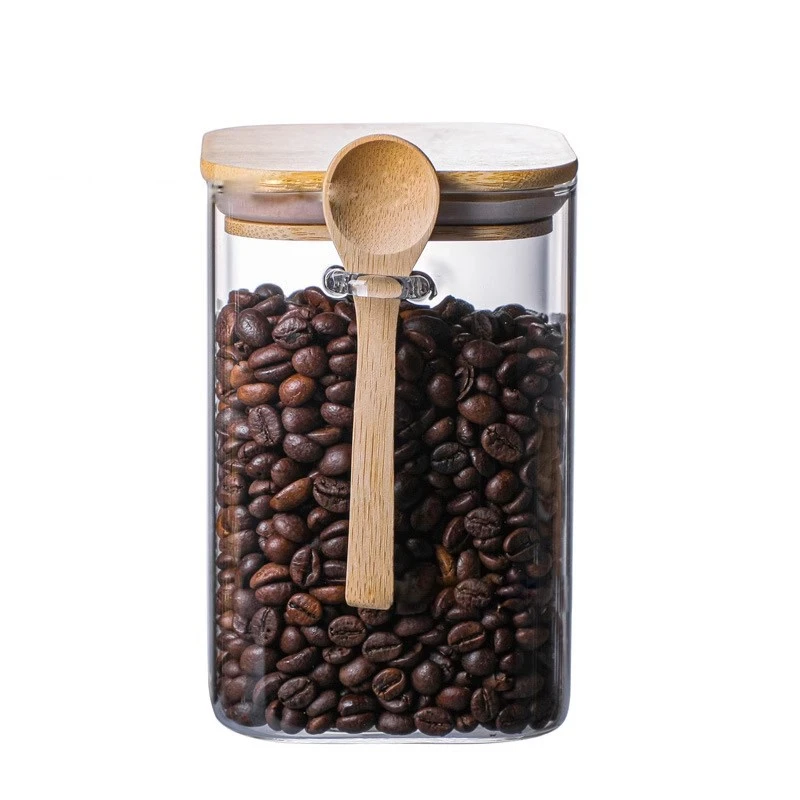
![[All Microwave Safe] High Borosilicate Glass Food Storage Container , Oven Safe without Lid, Dishwasher Safe](https://images.exportstart.com/images/a1251/squre-glass-container-with-glass-lid-518.webp "[All Microwave Safe] High Borosilicate Glass Food Storage Container , Oven Safe without Lid, Dishwasher Safe")
![[Sliding Vent PP Lid] Borosilicate Glass Food Storage Containers with Food-grade Plastic Lid, Airtight, Leak Resistant](https://images.exportstart.com/images/a1251/glass-food-storage-container-with-airtight-lid-183.webp "[Sliding Vent PP Lid] Borosilicate Glass Food Storage Containers with Food-grade Plastic Lid, Airtight, Leak Resistant")
![[Large Skylight Glass Lid] Glass Food Storage Container, Oven Safe with Lid, BPA Free, 100% Leak resistant](https://images.exportstart.com/images/a1251/glass-lid-food-storage-container-1-1-196.webp "[Large Skylight Glass Lid] Glass Food Storage Container, Oven Safe with Lid, BPA Free, 100% Leak resistant")
![[Colorful Vent PP Lid] Glass Food Storage Container, BPA Free, Leakproof, Dishwasher Safe](https://images.exportstart.com/images/a1251/002-1-639.webp "[Colorful Vent PP Lid] Glass Food Storage Container, BPA Free, Leakproof, Dishwasher Safe")
![[Color Vent PP Lid] Borosilicate Glass Food Storage Container, Leakproof, Dishwasher Safe](https://images.exportstart.com/images/a1251/1-941.webp "[Color Vent PP Lid] Borosilicate Glass Food Storage Container, Leakproof, Dishwasher Safe")
![[Vacuum AS] Food Storage Container with Pump](https://images.exportstart.com/images/a1251/7-1-397.webp "[Vacuum AS] Food Storage Container with Pump")