 TEL: +86 18903393212
 Email: tina@yintoglassware.com

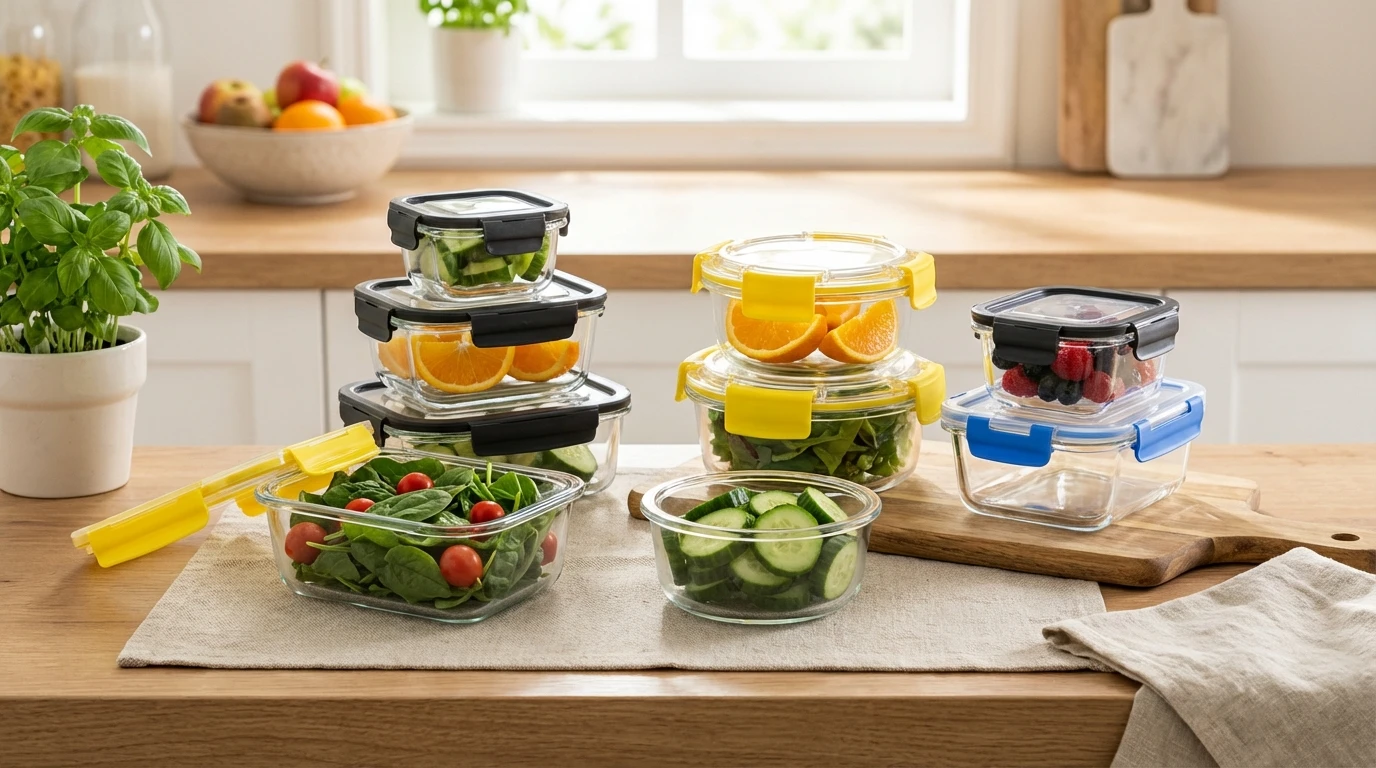
Durable & Sustainable 25 oz Glass Water Bottles for Everyday Use | Yinto Glassware
The 25 oz Glass Water Bottle: Why It Matters More Than You Think
At first glance, a 25 oz glass water bottle might just seem like another trendy reusable container. But scratch beneath the surface, and you'll find it represents a shift not only in how we hydrate but in tackling some global challenges—from sustainability to health-conscious living. Glass bottles of this size hit a sweet spot for people seeking balance: enough volume to keep you going, without the bulk of larger alternatives. Plus, within the scope of environmental impact, understanding and adopting such options plays a part in advancing responsible consumption worldwide.
The Bigger Picture: Where Does a 25 oz Glass Water Bottle Fit Globally?
Water consumption products are a surprisingly large slice of the global market. According to the United Nations Environment Programme, plastic waste is a mounting crisis, with roughly 300 million tons produced annually, much of it single-use. Here’s where glass—and specifically the 25 oz variety—steps into the spotlight. ISO standards on food-grade packaging promote safety and durability, but plastics, for all their convenience, often fall short environmentally. Choosing a mid-sized glass water bottle isn’t just a personal lifestyle choice; it’s part of an international movement towards reducing plastic dependency.
Statistically, in developed countries, reusable bottles reduce plastic bottle waste by up to 80%. That might seem like a bold number, but when you think about offices, campuses, and homes worldwide, the ripple effect is tangible.
Mini takeaway: The 25 oz glass water bottle is both a daily item and a global statement—bridging convenience with sustainability.
What Exactly Is a 25 oz Glass Water Bottle?
Simply put, a 25 oz glass water bottle is a reusable container made primarily from glass designed to hold roughly 750 milliliters of liquid. Unlike plastic or metal bottles, it preserves taste clarity—glass is non-porous, so no funky odors or tastes leach into your water. It fits neatly in most backpacks, car cup holders, and work desks, making it popular with commuters and athletes alike.
But beyond the beverage industry, glass bottles like these meet humanitarian needs. Consider disaster relief zones where plastic waste management is tricky, or sensitive environments where chemicals from plastics may pollute groundwater. Glass’s inertness and recyclability make it favorable for those contexts.
Key Features That Make 25 oz Glass Water Bottles Stand Out
Durability & Safety
Many people think glass is fragile, but modern 25 oz glass water bottles typically use borosilicate or tempered glass, which withstand thermal shock and minor knocks better than you’d expect. Their chemical inertness means they won't react with your drink, keeping things pure and safe, especially compared to certain plastics.
Portability & Size Convenience
Twenty-five ounces—roughly 750 ml—is ample for moderate hydration needs. It’s not too heavy when filled, easy to carry, and a bit bigger than the often-travelled 16 oz bottles. Oddly enough, this size compliments a variety of lifestyles, from the office worker to the avid hiker.
Sustainability
Glass is infinitely recyclable without loss of quality, which is huge. Many bottles come with BPA-free silicone sleeves or cork caps, adding protection and style while steering away from harmful plastics. From cradle to cradle, the environmental footprint is significantly reduced compared to single-use plastics.
Design & Customization
Industry players have embraced sleek designs, colorful sleeves, and even smart features like temperature indicators. Brands are now offering engraved logos or personalized prints, which appeals to corporate gifting and brand awareness campaigns.
Cost Efficiency Over Time
Glass bottles cost more upfront but last for years if treated well, unlike disposable bottles or cheaper plastics that degrade quickly. In bulk procurement or organizational settings, this leads to long-term savings—something many facility managers appreciate.
Vendor Reliability
A final but important factor is consistency in manufacturing standards. Trusted vendors rigorously test bottles for quality, leak-proof seals, and durability, ensuring customers get a reliable product every time.
Mini takeaway: Each feature—from durability to design—plays a role in why the 25 oz glass water bottle fits everyday practical needs and larger sustainability goals.
Real-World Use Cases: Where the 25 oz Glass Water Bottle Shines
- Corporate Wellness Programs: Offices offering branded glass bottles encourage employees to drink more water and reduce plastic waste over coffee breaks.
- Outdoor & Sporting Enthusiasts: Hikers and gym-goers prefer the glass bottle for its purity and mid-size portability, avoiding plastic taste or chemicals.
- Disaster Relief & Humanitarian Efforts: Organizations distributing reusable glass bottles cut down plastic litter in vulnerable areas.
- Eco-Conscious Schools & Universities: Campuses banning single-use plastics promote the 25 oz size for its balance of volume and ease of cleaning.
- Daily Urban Commuters: Its compatibility with bike racks, car cup holders, and backpacks makes it a commuter favorite in cities worldwide.
Product Specification Table
| Specification | Details |
|---|---|
| Capacity | 25 oz / 750 ml |
| Material | Borosilicate tempered glass |
| Lid Type | Silicone-sealed screw cap or bamboo lid option |
| Dimensions | Approx. 10" height x 2.8" diameter |
| Weight (empty) | ~420 grams (0.93 lbs) |
| Color Options | Clear, frosted, tinted, with silicone sleeves |
| Additional Features | Dishwasher safe, BPA free, customizable branding |
Comparing Leading 25 oz Glass Water Bottle Vendors
| Vendor | Price Range (USD) | Customization Available | Key Feature | Sustainability Rating |
|---|---|---|---|---|
| Yinto Glassware | $12–$18 | Yes (engraving, printing) | High durability borosilicate | A+ |
| ClearFlow | $15–$22 | Limited (certain colors only) | Silicone sleeve grip | A |
| EcoHydrate | $10–$16 | Yes (eco-friendly inks) | Bamboo lids & cork sleeves | A+ |
Advantages & Long-Term Value of Using a 25 oz Glass Water Bottle
It’s hard to overstate the perks: you get a pure water taste, reduced chemical exposure, a durable and reusable container, and sound environmental credentials. Over time, using a glass water bottle reduces your personal plastic footprint significantly—a winning formula for the planet and your wellbeing.
Emotionally, many users report a sense of satisfaction and trust in glass—there’s something comforting about sipping from a clear, clean bottle that feels “honest.” It’s also a subtle status symbol in workplace culture, linked with mindful living and smart consumer habits.
Looking Ahead: Emerging Trends in Glass Water Bottles
Recycling technologies are becoming more energy efficient, making glass an ever-more attractive packaging choice. Meanwhile, some brands are experimenting with embedded sensors that track hydration levels or temperature digitally. Imagine a smart glass bottle that nudges you to hydrate—not just a container but a wellness partner.
On the sustainability front, partnerships between manufacturers and NGOs are promoting bottle reuse in underserved regions—a great social innovation coupling health and environment.
Challenges and How to Overcome Them
True, glass bottles can be heavier and more fragile than plastic or stainless steel. Some people worry about breakage during travel or outdoor use. But thanks to silicone sleeves, toughened glass, and rugged lid designs, these issues are mostly manageable.
Costs can be higher, especially upfront. But bulk orders, corporate partnerships, or bundling with other sustainable products can mitigate this.
FAQ: Quick Answers About 25 oz Glass Water Bottles
- Q: Can a 25 oz glass water bottle keep drinks cold?
A: Glass itself isn’t insulating, so drinks may warm slightly in warm conditions. However, silicone sleeves and insulated covers can help retain temperature longer. - Q: Are these bottles dishwasher safe?
A: Most borosilicate glass bottles are dishwasher safe, but lids with silicone seals might do better with hand washing to preserve lifespan. - Q: How eco-friendly is glass compared to stainless steel bottles?
A: Both materials have strong eco-credentials. Glass scores highly for recyclability and purity (no metal ions). Stainless steel is very durable and often recycled too, but glass doesn’t corrode or impact taste. - Q: Can I get customized glass bottles for corporate gifts?
A: Absolutely—vendors like Yinto Glassware provide options for engraved or printed branding on 25 oz bottles. - Q: What about safety if the bottle breaks?
A: Tempered glass breaks into less sharp pieces, and silicone sleeves help contain shards. Still, caution is advised when handling damaged bottles.
Wrapping It Up: The Last Sip on 25 oz Glass Water Bottles
Choosing a 25 oz glass water bottle isn’t just about quenching thirst—it's a daily step toward responsible consumption, better taste, and gentle environmental stewardship. Next time you pick your bottle, consider the wider ripple it creates—from the office desk to the far corners of the globe.
Fancy joining this movement? Check out our carefully curated collection at Yinto Glassware and make your hydration stylish and sustainable.
References
-
Ultimate Guide to Choosing Big Glass Storage Containers for Every NeedNewsApr.16,2026
-
Small Glass Lunch Containers Guide for Healthy Meal PrepNewsApr.09,2026
-
Comprehensive Guide to Choosing the Best Storage Containers for Dishes and GlassesNewsApr.07,2026
-
Selecting The Optimal 300ml Food Containers For Your Business NeedsNewsApr.04,2026
-
Discover the Benefits of Durable 3 Cup Glass Food Storage ContainersNewsMar.31,2026
-
Comprehensive Guide to Choosing Superior Glass Divided Food ContainersNewsMar.28,2026
![[Extra Large with Handle] Oven Safe Glass Food Storage Container with Airtight Locking Lid & Handle, Oven Safe Dishwasher Safe](https://images.exportstart.com/images/a1251/extra-larger-glass-container-with-snap-locking-lid-164.webp "[Extra Large with Handle] Oven Safe Glass Food Storage Container with Airtight Locking Lid & Handle, Oven Safe Dishwasher Safe")
![[All Microwave Safe] High Borosilicate Glass Food Storage Container , Oven Safe without Lid, Dishwasher Safe](https://images.exportstart.com/images/a1251/squre-glass-container-with-glass-lid-518.webp "[All Microwave Safe] High Borosilicate Glass Food Storage Container , Oven Safe without Lid, Dishwasher Safe")
![[Sliding Vent PP Lid] Borosilicate Glass Food Storage Containers with Food-grade Plastic Lid, Airtight, Leak Resistant](https://images.exportstart.com/images/a1251/glass-food-storage-container-with-airtight-lid-183.webp "[Sliding Vent PP Lid] Borosilicate Glass Food Storage Containers with Food-grade Plastic Lid, Airtight, Leak Resistant")
![[Large Skylight Glass Lid] Glass Food Storage Container, Oven Safe with Lid, BPA Free, 100% Leak resistant](https://images.exportstart.com/images/a1251/glass-lid-food-storage-container-1-1-196.webp "[Large Skylight Glass Lid] Glass Food Storage Container, Oven Safe with Lid, BPA Free, 100% Leak resistant")
![[Colorful Vent PP Lid] Glass Food Storage Container, BPA Free, Leakproof, Dishwasher Safe](https://images.exportstart.com/images/a1251/002-1-639.webp "[Colorful Vent PP Lid] Glass Food Storage Container, BPA Free, Leakproof, Dishwasher Safe")
![[Color Vent PP Lid] Borosilicate Glass Food Storage Container, Leakproof, Dishwasher Safe](https://images.exportstart.com/images/a1251/1-941.webp "[Color Vent PP Lid] Borosilicate Glass Food Storage Container, Leakproof, Dishwasher Safe")
![[Vacuum AS] Food Storage Container with Pump](https://images.exportstart.com/images/a1251/7-1-397.webp "[Vacuum AS] Food Storage Container with Pump")