 TEL: +86 18903393212
 Email: tina@yintoglassware.com

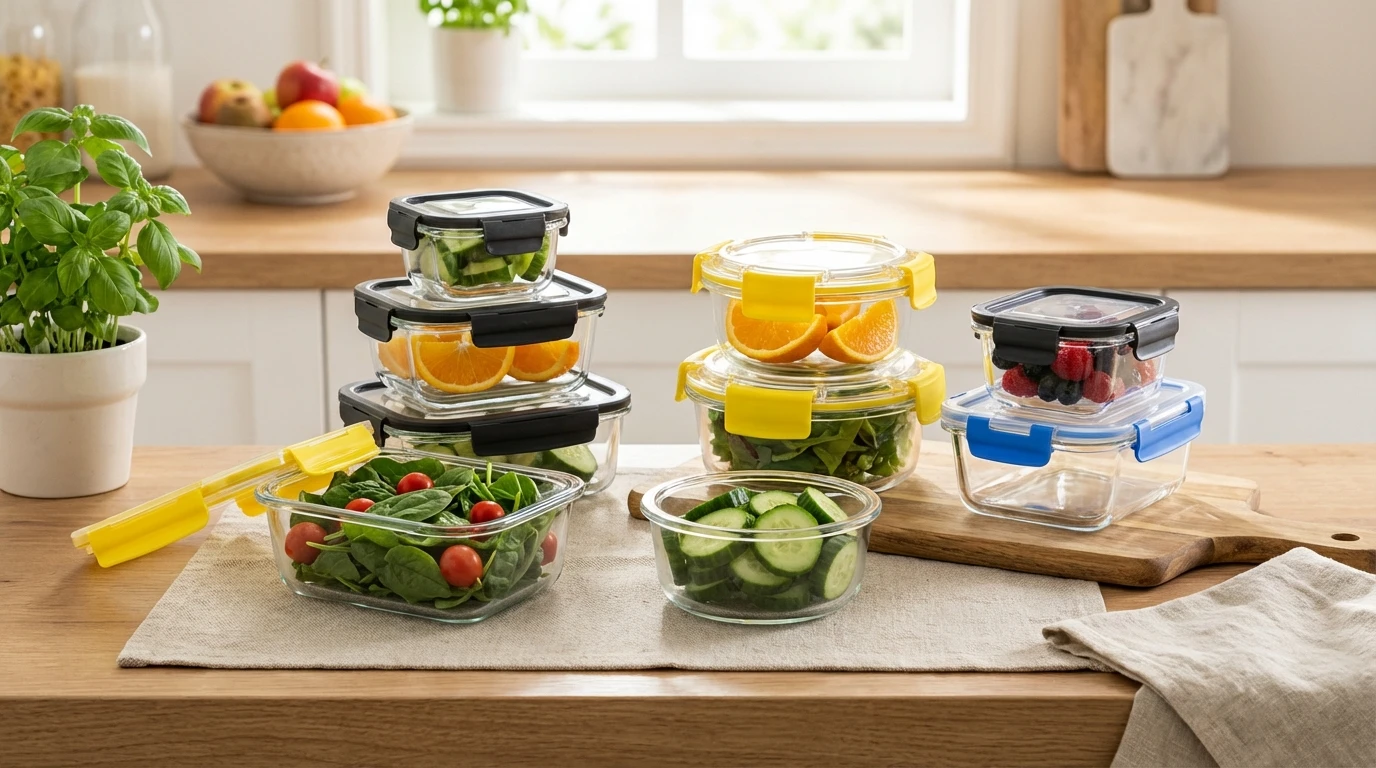
Durable & Eco-Friendly 28 oz Glass Water Bottle | Sustainable Hydration Solutions
Why the 28 oz Glass Water Bottle is Gaining Global Attention
At first glance, a 28 oz glass water bottle might seem like just another way to carry water. But when you zoom out a bit, it’s clear that this simple object is part of a global shift toward sustainability, health, and smarter consumption habits. Across continents, people and industries are reconsidering single-use plastics, pushing for reusable, safer alternatives. The 28 oz glass water bottle fits perfectly into this movement — offering a sizeable capacity for hydration while minimizing environmental impact.
Why does this matter so much? Well, global plastic pollution is alarming: as per the UN Environment Programme, approximately 8 million tons of plastic enter our oceans annually. Meanwhile, the ISO reports a growing consumer demand for eco-friendly products. Enter the glass water bottle — durable, recyclable, and free of harmful chemicals often found in plastics.
Mini takeaway: The 28 oz glass water bottle symbolizes the intersection of environmental urgency and practical hydration needs worldwide.
What Exactly is a 28 oz Glass Water Bottle?
Simply put, it’s a container made of glass designed to hold about 28 ounces (roughly 830 ml) of liquid — typically water or other beverages. This size hits a sweet spot; it’s large enough to keep you hydrated during work shifts, workouts, or outings, yet not so bulky that it becomes cumbersome to carry.
Modern manufacturing has advanced glassware to become lightweight yet robust, often with protective silicone sleeves or bamboo caps to enhance grip and durability. Beyond the personal user, these bottles also connect to industry and humanitarian sectors, providing non-toxic, reusable drinking options in settings where contamination risks or plastic scarcity are concerns.
28 oz glass water bottle options today merge craftsmanship with function — far from the fragile, clumsy glass jugs of decades ago.
Key Features that Matter in a 28 oz Glass Water Bottle
1. Durability & Design
Glass might sound fragile, but with borosilicate or tempered glass, these bottles withstand daily knocks. Added can be rubberized or silicone sleeves to protect against impacts and slips. Design isn’t just aesthetics; ergonomic cuts and mouth openings influence how easy they are to use and clean.
2. Safety & Health
Unlike plastic, glass doesn’t leach chemicals even when exposed to heat or sunlight. This makes it ideal for people sensitive to plastics or seeking pure taste. You can sip hot tea or cold brew without worrying about weird flavors or toxins.
3. Sustainability & Recyclability
Glass is endlessly recyclable without losing purity. From production to disposal, using a glass bottle substantially reduces carbon footprint compared to single-use plastic bottles — especially if you use it long-term.
4. Capacity & Convenience
Twenty-eight ounces hits the middle ground. It’s nearly a liter, enough for hydration without frequent refills. Ideal for athletes, office workers, students, or outdoor enthusiasts.
5. Customization & Branding Potential
Many brands use these bottles as canvases for logos, unique colors, or sleeve designs, making them great for giveaways, corporate gifts, or retail sales. Plus, personalization trends feed growing demand.
Mini takeaway: The right 28 oz glass water bottle blends resilience, health safety, eco-friendliness, and user-friendly design.
Where Are 28 oz Glass Water Bottles Making a Real Difference?
This isn't just a niche product for health-conscious yogis. In real-world terms:
- Outdoor & Recreational Markets: Hikers, bikers, and campers appreciate the balance between capacity and weight. Glass assures clean taste even after hours.
- Corporate & Schools: Offices moving away from bottled water towards refill stations often recommend glass bottles for safer, sustainable hydration.
- Disaster Relief & Humanitarian Efforts: NGOs utilize glass bottles in stable environments to distribute clean water safely, minimizing chemical exposure.
- Eco-conscious Retail & Hospitality: Cafés and hotels offering glass bottles foster customer loyalty and reduce plastic waste.
Regionally, markets in Europe, North America, and parts of Asia see strong uptake, driven by regulatory pushes against plastics and consumer preferences for well-made reusable goods.
Mini takeaway: From rugged outdoor adventures to classroom desks, the 28 oz glass water bottle serves a surprisingly broad audience.
How Do the Numbers Stack Up? Product Specifications
| Specification | Details |
|---|---|
| Material | Borosilicate Glass with Silicone Sleeve |
| Capacity | 28 oz (approx. 830 ml) |
| Dimensions | Height: 9.5 inches; Diameter: 3 inches |
| Weight (Empty) | 12 oz (approx. 340 g) |
| Lid Type | Bamboo Cap with Silicone Seal |
| Care | Dishwasher Safe (Without Sleeve) |
Choosing Your Supplier: How Do Popular Vendors Compare?
| Vendor | Price Range (USD) | Customization | Minimum Order Quantity | Shipping Options |
|---|---|---|---|---|
| Yinto Glassware | $8 - $12 | Full logo printing, sleeve colors | 500 pcs | Global express and sea freight |
| ClearSip Co. | $10 - $14 | Limited color options | 1000 pcs | Sea freight only |
| EcoHydrate Ltd. | $7 - $11 | Custom engraving available | 300 pcs | Express and standard mail |
Advantages & Long-Term Value of the 28 oz Glass Water Bottle
People often value these bottles not only for their physical properties but what they represent. Here are some compelling reasons to switch:
- Environmental Impact: By reusing a quality glass bottle, each person can reduce dozens of single-use plastic bottles annually.
- Health & Safety: Free of BPA, phthalates, or plastic taste — especially important for sensitive groups like children or athletes.
- Durability: With proper care, they last years, unlike flimsy plastics that thin out or warp.
- Emotional Value: Owning and personalizing a glass bottle can foster habits around hydration and mindfulness.
The long-term savings and “feel-good” factor make the 28 oz glass water bottle a meaningful investment rather than just a pretty container.
Looking Ahead: Innovations on the Horizon
Interestingly, the glass bottle market isn’t frozen in time. It’s embracing tech and green advances:
- Smart Caps: Some bottles now integrate Bluetooth trackers or hydration reminders to improve daily water intake.
- Bio-Based Sleeves: Instead of silicone, new biodegradable protectors offer eco-advantages.
- Energy-Retentive Glass: Experimental coatings keep contents hotter or cooler for longer stretches.
- Regulatory Changes: As governments ban plastics, glass bottles could become default personal hydration solutions.
This fusion of tradition and innovation means the 28 oz glass water bottle may become as tech-savvy as it is sustainable.
Challenges and How the Industry is Tackling Them
Glass is inherently heavier and more breakable than plastic – that’s the obvious downside. However:
- Weight: Advances in thinner borosilicate glass reduce heft without compromising strength.
- Breakage: Protective sleeves and reinforced bases absorb shocks well.
- Cost: Though pricier upfront, long-term use balances expenses.
Manufacturers and vendors continually refine designs — in fact, many end-users say the natural “wow” of holding glass beats plastic in feel and trust.
FAQ: Common Questions about the 28 oz Glass Water Bottle
Q1: Can I safely carry hot beverages in a 28 oz glass water bottle?
A: Yes, if it is made of borosilicate glass and states heat resistance. Many come with insulated sleeves for safe handling, making them perfect for tea or coffee.
Q2: How do I clean my 28 oz glass water bottle efficiently?
A: Most are dishwasher safe if you remove sleeves first. For daily cleaning, warm soapy water and a bottle brush do the trick. Avoid harsh chemicals that can damage silicone parts.
Q3: Are 28 oz glass water bottles convenient for travel?
A: Absolutely. Their size fits many cup holders, backpacks, and bike cages. With protective sleeves, they withstand the rigors of travel quite well — just be mindful of rough handling.
Q4: How does a glass bottle compare environmentally to stainless steel?
A: Both materials are durable and eco-friendly. Glass is more recyclable and generally safer for sensitive users, while stainless steel is tougher but may influence taste. Choice depends on personal priorities.
Q5: Can I personalize bulk orders for my company or event?
A: Yes, many suppliers offer customization like logo printing, color sleeves, or engraving for large orders (usually 300+ pieces). Great for giveaways or branding.
To Wrap Up: Staying Hydrated the Smart Way
The 28 oz glass water bottle isn’t just a trendy accessory — it’s a thoughtful response to some pretty big global challenges. It matches well the urgency to reduce plastic waste, promotes safe drinking, and brings an elegant solution for daily hydration — whether at the gym, office, or hiking trail.
For those ready to hop on the sustainability train without sacrificing convenience or style, exploring products like the 28 oz glass water bottle is a smart step forward. Why not make your next bottle one that’s good for you and the planet?
References:
-
Ultimate Guide to Choosing Big Glass Storage Containers for Every NeedNewsApr.16,2026
-
Small Glass Lunch Containers Guide for Healthy Meal PrepNewsApr.09,2026
-
Comprehensive Guide to Choosing the Best Storage Containers for Dishes and GlassesNewsApr.07,2026
-
Selecting The Optimal 300ml Food Containers For Your Business NeedsNewsApr.04,2026
-
Discover the Benefits of Durable 3 Cup Glass Food Storage ContainersNewsMar.31,2026
-
Comprehensive Guide to Choosing Superior Glass Divided Food ContainersNewsMar.28,2026
![[Extra Large with Handle] Oven Safe Glass Food Storage Container with Airtight Locking Lid & Handle, Oven Safe Dishwasher Safe](https://images.exportstart.com/images/a1251/extra-larger-glass-container-with-snap-locking-lid-164.webp "[Extra Large with Handle] Oven Safe Glass Food Storage Container with Airtight Locking Lid & Handle, Oven Safe Dishwasher Safe")
![[All Microwave Safe] High Borosilicate Glass Food Storage Container , Oven Safe without Lid, Dishwasher Safe](https://images.exportstart.com/images/a1251/squre-glass-container-with-glass-lid-518.webp "[All Microwave Safe] High Borosilicate Glass Food Storage Container , Oven Safe without Lid, Dishwasher Safe")
![[Sliding Vent PP Lid] Borosilicate Glass Food Storage Containers with Food-grade Plastic Lid, Airtight, Leak Resistant](https://images.exportstart.com/images/a1251/glass-food-storage-container-with-airtight-lid-183.webp "[Sliding Vent PP Lid] Borosilicate Glass Food Storage Containers with Food-grade Plastic Lid, Airtight, Leak Resistant")
![[Large Skylight Glass Lid] Glass Food Storage Container, Oven Safe with Lid, BPA Free, 100% Leak resistant](https://images.exportstart.com/images/a1251/glass-lid-food-storage-container-1-1-196.webp "[Large Skylight Glass Lid] Glass Food Storage Container, Oven Safe with Lid, BPA Free, 100% Leak resistant")
![[Colorful Vent PP Lid] Glass Food Storage Container, BPA Free, Leakproof, Dishwasher Safe](https://images.exportstart.com/images/a1251/002-1-639.webp "[Colorful Vent PP Lid] Glass Food Storage Container, BPA Free, Leakproof, Dishwasher Safe")
![[Color Vent PP Lid] Borosilicate Glass Food Storage Container, Leakproof, Dishwasher Safe](https://images.exportstart.com/images/a1251/1-941.webp "[Color Vent PP Lid] Borosilicate Glass Food Storage Container, Leakproof, Dishwasher Safe")
![[Vacuum AS] Food Storage Container with Pump](https://images.exportstart.com/images/a1251/7-1-397.webp "[Vacuum AS] Food Storage Container with Pump")