 TEL: +86 18903393212
 Email: tina@yintoglassware.com

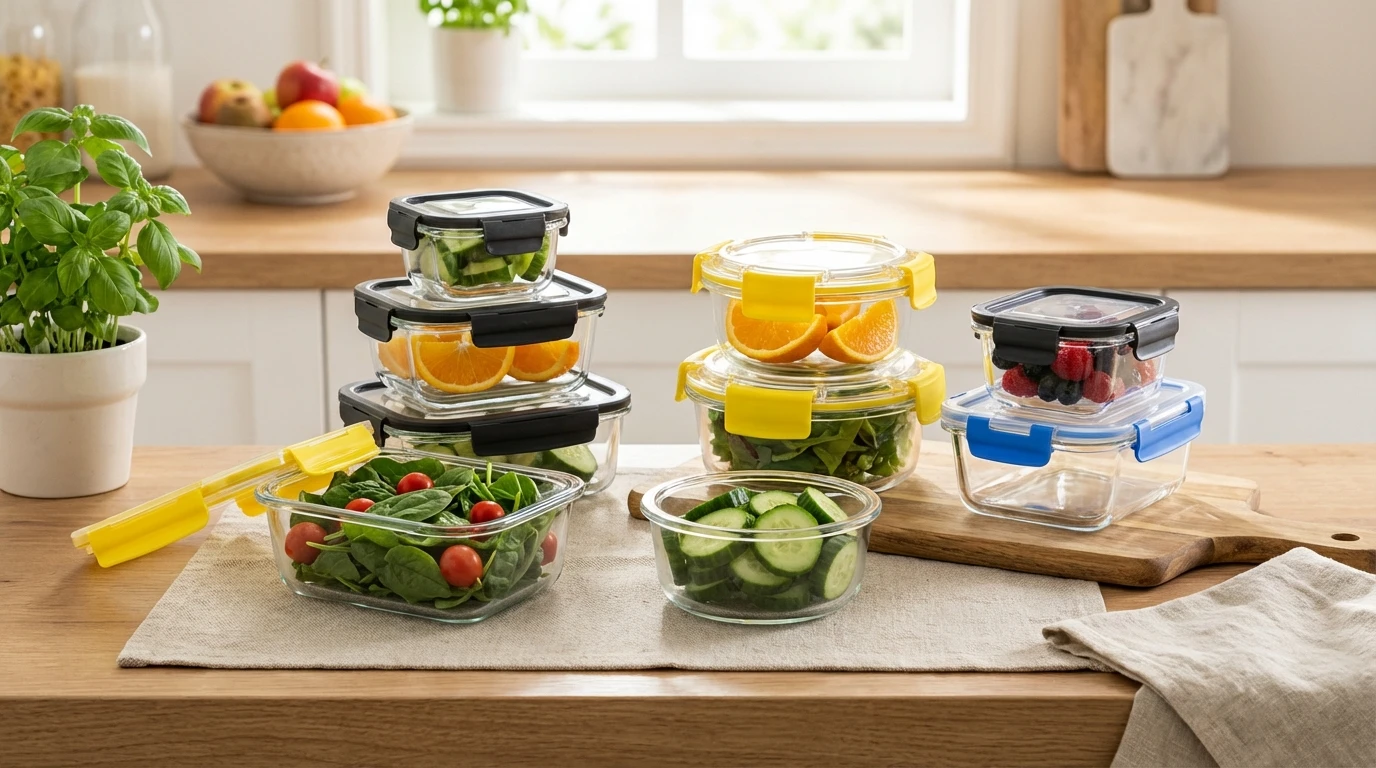
500ml Glass Drinking Bottles: Sustainable Packaging for Global Markets
Understanding the Global Importance of 500ml Glass Drinking Bottles
If you didn’t realize how something as simple as a 500ml glass drinking bottle could hold a spot on a global stage, you’re not alone. Yet, these seemingly modest containers play a surprisingly vital role worldwide—from everyday hydration to complex humanitarian efforts. Their importance stretches beyond convenience; they’re at the heart of sustainability pushbacks against plastic pollution, preserving beverage purity, and even supporting industries in remote and sensitive environments. In short, understanding these bottles reveals a lot about modern consumer and environmental challenges.
A Global Overview
The World Bank estimates that over 300 million tons of plastic are produced annually, with drinking containers accounting for a large slice. Glass, with its recyclable and reusable edge, is more than just a fad or niche market. The International Organization for Standardization (ISO) also identifies clear advantages in material safety for food-grade glass bottles. As plastic waste floods oceans and landfills, turning back to glass alternatives, particularly the versatile 500ml size, offers a kind of no-nonsense, practical solution.
Globally, manufacturers ship billions of these bottles every year, embedding them in beverage bottling, pharmaceuticals, and even cosmetic packaging markets.
What Exactly Are 500ml Glass Drinking Bottles?
Simply put, 500ml glass drinking bottles are reusable or recyclable glass containers designed to hold approximately half a liter of liquid—perfect for individual servings of water, juices, or specialty drinks.
They are often made from tempered or borosilicate glass, a nod to modern manufacturing precision and safety. These bottles balance durability, aesthetics, and safety, often featuring airtight seals to preserve freshness. Beyond just a container, they’re a bridge between tradition (glass use dates back millennia) and modern demand for quality and sustainability.
Core Aspects of 500ml Glass Drinking Bottles
1. Durability and Safety
Though glass is fragile by nature, advancements like tempered glass or borosilicate make these bottles shock-resistant and safe for daily use. Many engineers point out that such bottles withstand thermal shocks better than plastic counterparts.
2. Eco-Friendly and Sustainable Manufacturing
Because glass is 100% recyclable without quality degradation, these bottles fit well into circular economy models. The production processes increasingly utilize recycled glass (cullet) and renewable energy inputs.
3. Chemical Inertness and Taste Preservation
Compared to plastic, glass does not leach chemicals, ensuring the original flavor and quality of beverages remain intact — a big plus for artisan drinks and health-conscious consumers.
4. Cost Efficiency Over Time
While they might carry a higher initial investment than single-use plastic, their reusability leads to fewer replacements. Bulk purchasers and industries find this economically advantageous in the longer run.
5. Design Flexibility
The smooth surface and transparency allow for creative labeling and branding, making these bottles popular among premium beverage brands.
Mini takeaway:
It’s a combination of safety, sustainability, and style that keeps the demand for these 500ml glass drinking bottles steady if not growing.
Where Are These Bottles Making a Difference?
Use Cases Across the Globe
- Post-disaster relief: NGOs often choose glass bottles for emergency water supplies because of their inert nature—safer and less likely to contaminate in hot or unstable conditions.
- High-end beverage markets: Artisanal juices, craft sodas, and even boutique dairy brands prefer these bottles to emphasize quality.
- Remote industrial zones: Durable glass bottles help safeguard vital liquids where plastic alternatives degrade quickly.
- Health and wellness sectors: Vitamin waters and supplements rely on glass to maintain purity and brand trust.
500ml glass drinking bottles have quietly become a worldwide staple across these various sectors, proving versatility isn’t just a buzzword.
Mini takeaway:
The purity, reusability, and safety of glass keep it front and center in industries concerned with health, environment, and quality.
The Advantages: Beyond the Bottle
Using 500ml glass drinking bottles isn’t just about the container itself. It’s a sustainability statement. The entire lifecycle—from production through reuse or recycling—minimizes environmental impact while maximizing user satisfaction.
- Environmental impact: Dramatic reduction in microplastics and landfill waste.
- Social dignity: Providing clean, safe drinking solutions in humanitarian contexts builds community trust and resilience.
- Cost savings: Despite an upfront cost premium, companies lower long-term expenses—fewer replacements, less waste management.
- Flavor integrity: Keeps beverages pure and fresh.
There’s also something reassuring about holding a glass bottle. It feels honest, like a pledge that the product inside hasn’t been compromised. Oddly enough, these design choices link directly to customer loyalty and brand identity.
Future Trends and Innovations to Watch
Glass bottle manufacturing isn’t static. Breakthroughs in green energy-powered furnaces and automation make production cleaner and more scalable. On the material front, layered glass composites and enhanced thermal coatings promise even stronger, lighter bottles.
Digitally, smart labels or NFC-enabled caps are cropping up—imagine scanning your glass bottle to learn about sourcing or recycling info. This ties into a broader digital transformation that enhances customer connection and traceability.
Challenges Present — But Surmountable
Despite its virtues, glass’s fragility and weight remain barriers, especially for mass transport and certain outdoor uses. However, designers increasingly experiment with shock-absorbing packaging and ergonomic forms to mitigate risk.
Also, in some developing regions, recycling infrastructure is insufficient, impeding the full environmental promise of glass reuse. International organizations and circular economy initiatives are stepping up to bridge these gaps, sometimes integrating local collection efforts with global supply chains.
Frequently Asked Questions About 500ml Glass Drinking Bottles
- Q: How durable are 500ml glass drinking bottles compared to plastic?
- A: Modern 500ml glass bottles are made with tempered or borosilicate glass, making them considerably more resistant to thermal and impact shocks than traditional glass jars. While still heavier and more fragile than plastic, with proper handling, they offer excellent longevity and reusability.
- Q: Can these glass bottles be recycled indefinitely?
- Yes. Glass is 100% recyclable without degradation in quality. In fact, recycled glass, known as cullet, is commonly mixed in manufacturing to save energy and reduce raw material use.
- Q: Are 500ml glass bottles more expensive throughout their lifecycle?
- They have a higher upfront cost than plastic bottles but tend to be more cost-effective long-term because they’re reusable and reduce waste management expenses.
- Q: What industries benefit most from these glass bottles?
- Beverage producers, pharmaceutical companies, cosmetics, and humanitarian organizations favor 500ml glass drinking bottles for purity, safety, and sustainability reasons.
- Q: How do glass bottles impact environmental sustainability?
- Compared to plastic, glass bottles cause less pollution, support circular economies, and limit microplastic contamination, which benefits ecosystems and human health alike.
Specification Table for Typical 500ml Glass Drinking Bottles
| Specification | Details |
|---|---|
| Capacity | 500ml (±5ml) |
| Material | Borosilicate or Tempered Glass |
| Height | Approx. 180mm |
| Mouth Diameter | 28mm (standard for caps) |
| Weight | Approx. 320g |
| Recyclability | 100% recyclable, infinite cycles |
Vendor Comparison: Leading Suppliers of 500ml Glass Drinking Bottles
| Supplier | Material Quality | Customization Options | Sustainability Practices | Lead Time |
|---|---|---|---|---|
| Yinto Glassware | Premium Borosilicate Glass | Logo printing, Colored Glass | Uses 70% recycled glass & solar energy | 2-3 weeks |
| ClearBottle Co. | Tempered Soda-Lime Glass | Standard designs only | Limited recycled content | 1-2 weeks |
| EcoGlass Solutions | Recycled Glass Blend | Custom sizes & shapes | 100% sustainable manufacturing | 3-4 weeks |
Final Thoughts
In the big picture, 500ml glass drinking bottles offer more than just a container for liquids—they encapsulate a movement towards sustainability, quality, and mindful consumption. Their quiet revolution is happening in labs, factories, and homes worldwide, all while preserving the flavors, stories, and safety behind every sip.
If you’ve wondered whether glass bottles could redefine your packaging or hydration habits, chances are, they already are. And if you want a trusted supply partner with solid sustainability credentials and customization, take a peek at what Yinto Glassware has to offer. The future is transparent—quite literally.
Stay curious, drink responsibly, and maybe give glass a try the next time you reach for a bottle.
References
-
Ultimate Guide to Choosing Big Glass Storage Containers for Every NeedNewsApr.16,2026
-
Small Glass Lunch Containers Guide for Healthy Meal PrepNewsApr.09,2026
-
Comprehensive Guide to Choosing the Best Storage Containers for Dishes and GlassesNewsApr.07,2026
-
Selecting The Optimal 300ml Food Containers For Your Business NeedsNewsApr.04,2026
-
Discover the Benefits of Durable 3 Cup Glass Food Storage ContainersNewsMar.31,2026
-
Comprehensive Guide to Choosing Superior Glass Divided Food ContainersNewsMar.28,2026
![[Extra Large with Handle] Oven Safe Glass Food Storage Container with Airtight Locking Lid & Handle, Oven Safe Dishwasher Safe](https://images.exportstart.com/images/a1251/extra-larger-glass-container-with-snap-locking-lid-164.webp "[Extra Large with Handle] Oven Safe Glass Food Storage Container with Airtight Locking Lid & Handle, Oven Safe Dishwasher Safe")
![[All Microwave Safe] High Borosilicate Glass Food Storage Container , Oven Safe without Lid, Dishwasher Safe](https://images.exportstart.com/images/a1251/squre-glass-container-with-glass-lid-518.webp "[All Microwave Safe] High Borosilicate Glass Food Storage Container , Oven Safe without Lid, Dishwasher Safe")
![[Sliding Vent PP Lid] Borosilicate Glass Food Storage Containers with Food-grade Plastic Lid, Airtight, Leak Resistant](https://images.exportstart.com/images/a1251/glass-food-storage-container-with-airtight-lid-183.webp "[Sliding Vent PP Lid] Borosilicate Glass Food Storage Containers with Food-grade Plastic Lid, Airtight, Leak Resistant")
![[Large Skylight Glass Lid] Glass Food Storage Container, Oven Safe with Lid, BPA Free, 100% Leak resistant](https://images.exportstart.com/images/a1251/glass-lid-food-storage-container-1-1-196.webp "[Large Skylight Glass Lid] Glass Food Storage Container, Oven Safe with Lid, BPA Free, 100% Leak resistant")
![[Colorful Vent PP Lid] Glass Food Storage Container, BPA Free, Leakproof, Dishwasher Safe](https://images.exportstart.com/images/a1251/002-1-639.webp "[Colorful Vent PP Lid] Glass Food Storage Container, BPA Free, Leakproof, Dishwasher Safe")
![[Color Vent PP Lid] Borosilicate Glass Food Storage Container, Leakproof, Dishwasher Safe](https://images.exportstart.com/images/a1251/1-941.webp "[Color Vent PP Lid] Borosilicate Glass Food Storage Container, Leakproof, Dishwasher Safe")
![[Vacuum AS] Food Storage Container with Pump](https://images.exportstart.com/images/a1251/7-1-397.webp "[Vacuum AS] Food Storage Container with Pump")