 TEL: +86 18903393212
 Email: tina@yintoglassware.com

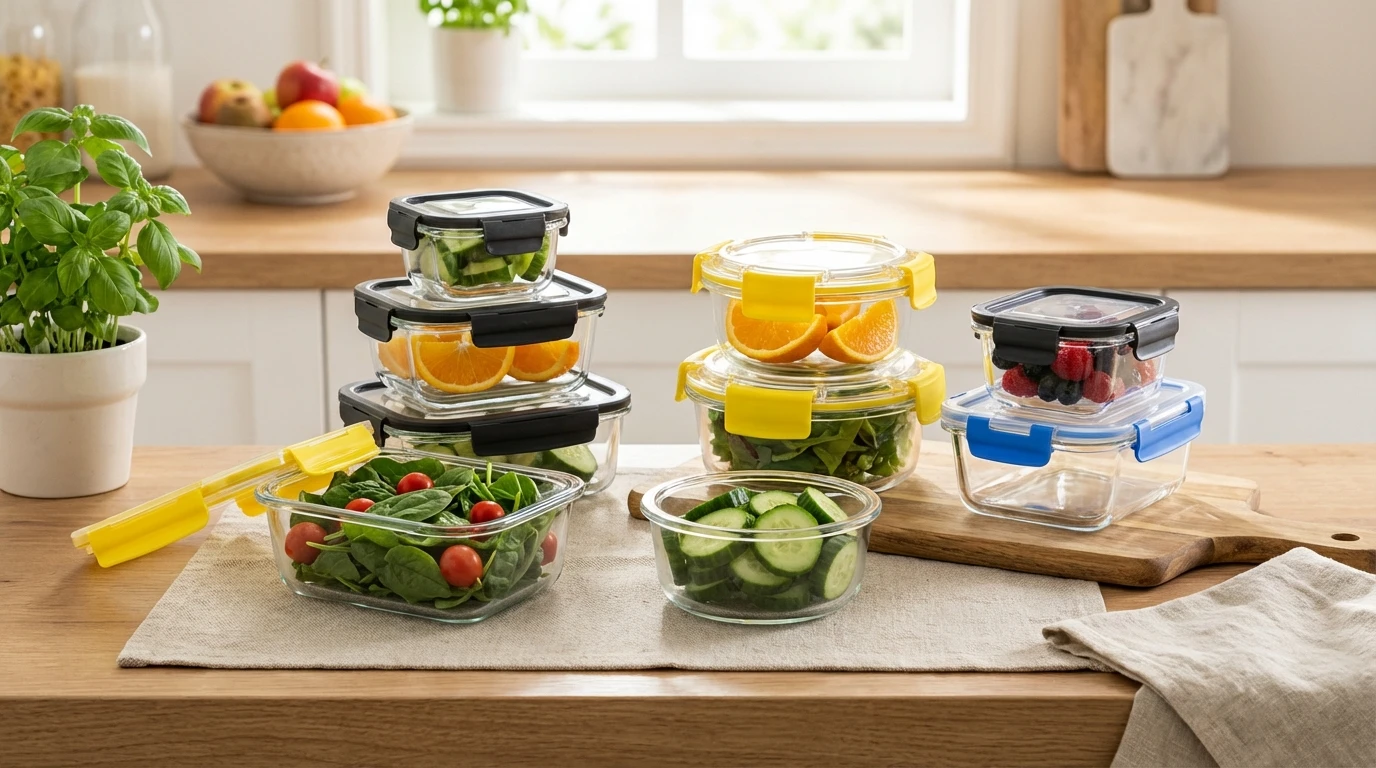
Are Glass Water Bottles Better? Health, Sustainability & Practicality Explained
Are Glass Water Bottles Better? A Naturally Refreshing Question
Everywhere you look these days, there’s a push to ditch plastic and choose alternatives that are better for our planet—and ourselves. Glass water bottles have emerged as a popular contender, sparking a simple yet profound question: are glass water bottles better? On the surface, it's a curious debate about something as everyday as what container holds your water. But zoom out a bit, and it touches on global sustainability goals, health considerations, even economic factors.
Understanding this topic isn’t just about picking a cool-looking bottle; it’s about knowing how what we drink from impacts the environment, our wellbeing, and the future of resource use worldwide. Let’s unwrap the layers thoughtfully—with some facts, a little nuance, and a side of practicality.
Global Context: Why This Matters for Our Planet and Industry
The push for alternatives to single-use plastics is no passing fad. According to UN Environment Programme, around 300 million tons of plastic are produced globally every year, with a significant portion ending up polluting oceans and landscapes. Bottled water contributes heavily to this waste stream—thousands of plastic bottles are discarded every second.
Glass water bottles, marketed as a greener alternative, play into international efforts like the UN’s Sustainable Development Goal 12 for responsible consumption and production. Along with this, industries from food service to retail are reevaluating logistics and packaging for sustainability.
But the question stands: are glass water bottles better when you consider global transportation emissions, energy costs in manufacturing, and practical user experience?
What Does “Are Glass Water Bottles Better” Actually Mean?
Simply put, questioning whether glass water bottles are better revolves around comparing glass bottles to alternatives like plastic or metal bottles. It asks:
- Are they healthier for consumers (e.g., fewer chemicals leaching)?
- Are they environmentally superior in production, use, and disposal?
- Do they last longer or promote more sustainable habits?
This lens is connected to modern environmentalism, design innovations, and even humanitarian goals (like providing safe drinking water with minimal waste). So it’s both a lifestyle and a systems question rolled into one.
Key Factors to Weigh When Choosing Glass Bottles
Material Purity and Health
Glass is chemically inert, meaning it doesn't react with liquids. It won’t leach harmful chemicals like BPA or phthalates sometimes found in plastics. Many health-conscious users swear by this purity, believing it preserves water taste better, too.
Environmental Impact and Sustainability
Glass is 100% recyclable indefinitely without loss of purity—a huge plus. However, its manufacture requires more energy than plastic. Plus, the heavier weight adds to transportation emissions. Oddly enough, whether glass beats plastic environmentally depends on whether you reuse or recycle your bottle.
Durability and Practical Use
Sure, glass bottles can shatter—a real concern for active users or workplaces. On the flip side, some manufacturers produce tempered or borosilicate glass bottles that tolerate drops better. Their resistance to scratching and staining also means they often look better longer.
Cost Efficiency Over Time
Initial cost is higher for glass bottles, but longevity and reusability often balance that out. Users who embrace glass might save money and resources by not constantly buying disposables or replacing damaged plastic bottles.
User Experience and Aesthetics
There’s something almost nostalgic about sipping from glass compared to plastic or metal—less “plasticky”, more natural. This subjective appeal fuels the trend, even if it isn’t quantifiable.
How Glass Water Bottles Are Being Used Across the Globe
Glass water bottles have found their niche in several interesting contexts:
- Urban Eco-Conscious Markets: Cities like San Francisco and Berlin see a growing number of cafes and offices promoting glass bottle use to reduce plastic pollution.
- Outdoor and Adventure Sectors: Though heavier, specialized glass bottles with protective sleeves are favored by hikers and yogis who prioritize toxin-free hydration.
- Emergency and Disaster Relief: Some organizations experiment with glass bottles to distribute purified water safely and sustainably in regions where plastic waste management is poor.
- Hospitality & Premium Retail: Hotels and retailers embrace glass for branding and sustainability messaging.
In short, glass bottles fit in places where sustainability and human health considerations align with practicality—and the niche is slowly growing.
Mini Takeaway:
Glass bottles offer a health-conscious, environmentally sound option but come with trade-offs in weight and fragility. The real-world applications reflect where those trade-offs make sense.
Advantages and the Long-Term Value of Choosing Glass
- Sustainability: Recycled glass produces less waste and pollution over decades.
- Health & Taste: No chemical leaching, maintaining water purity and flavor.
- Emotional Satisfaction: Owning a glass bottle often reinforces eco-friendly behavior—trust me, it feels good.
- Cost Over Time: Durable glass bottles reduce dependency on single-use plastics.
The somewhat intangible value of glass—its feel, look, and perceived quality—also contributes to consumers trusting their health and taking pride in sustainable choices.
Product Specification Table: Comparing Popular Glass Water Bottles
| Brand & Model | Capacity | Material | Weight | Special Features | Price (USD) |
|---|---|---|---|---|---|
| Yinto Classic | 500 ml | Borosilicate Glass | 320 g | Silicone Sleeve, Leak-proof Cap | $18 |
| PureSip Tempered | 750 ml | Tempered Glass | 400 g | Protective Silicone Sleeve | $22 |
| EcoPure Minimalist | 600 ml | Recycled Glass | 350 g | Bamboo Lid, BPA-free | $20 |
Vendor Comparison Table: Leading Glass Bottle Providers
| Vendor | Sustainability Practices | Customization Options | Lead Time | Global Shipping | Price Range |
|---|---|---|---|---|---|
| Yinto Glassware | 90% Recycled Materials | Colors, Branding, Sizes | 3-4 weeks | Yes (Worldwide) | $15–25 per unit |
| PureSip Containers | Borosilicate Glass, Local Sourcing | Sleeves, Lids, Graphics | 2-3 weeks | Mostly US & EU | $18–28 per unit |
| EcoPure Bottles | 100% Recycled Glass | Minimal, Bamboo Accessories | 4-6 weeks | Global | $20–30 per unit |
The Future of Glass Bottles: Innovation on the Horizon
Glass bottle design and production are evolving with sustainability front and center. New coatings and tempering techniques improve durability, reducing the risk of breakage. Some companies experiment with embedded sensors to track cleanliness or hydration levels, blending digital transformation and sustainability.
Energy-efficient furnaces and recycling tech aim to cut the manufacturing carbon footprint significantly. Governments and standards bodies, like ISO, encourage lifecycle assessments that may soon favor glass even more.
Oddly enough, the push for zero-waste lifestyles is making glass bottles a symbol of deliberate, mindful consumption rather than just a container.
Challenges Still Ahead and Smart Solutions
Here’s the catch: glass bottles still face hurdles such as weight, which affects portability and shipping costs, and fragility, which can lead to safety concerns or replacement waste. But innovation isn’t standing still. Protective silicone or fabric sleeves, modular bottle designs, and borosilicate glass are promising solutions.
On the supply side, scaling recycled glass use while keeping costs competitive is tricky but possible, with circular economy models gaining traction. The key is balancing user convenience and environmental wisdom—no small feat but exciting to watch unfold.
FAQs on Are Glass Water Bottles Better
Q1. Are glass water bottles safer than plastic ones for everyday use?
Yes, generally. Glass bottles don’t leach chemicals into water, especially when exposed to heat or sunlight, unlike some plastics that may release BPA or other toxins. This makes glass a safer choice for long-term health.
Q2. How durable are glass water bottles for outdoor activities?
Modern glass bottles made from tempered or borosilicate glass can tolerate minor drops better than regular glass, especially if paired with protective sleeves. However, they’re still more fragile than metals or plastics, so users should exercise care.
Q3. Do glass water bottles have a higher carbon footprint than plastic ones?
Initially, yes—manufacturing and transporting glass bottles require more energy due to weight and processing. However, if reused extensively and recycled properly, glass bottles’ lifetime impact can be lower compared to single-use plastics.
Q4. Can glass bottles keep beverages hot or cold?
Glass itself isn’t insulating, but some bottles come with double-wall construction or silicone sleeves to help maintain temperature. For better insulation, metal bottles might be preferable.
Q5. Where can I order customizable glass water bottles for my business?
Vendors like Yinto Glassware offer customization options including logos, colors, and sizes with global shipping and competitive lead times.
Wrapping Up: Why Glass Bottles Could Be the Better Choice
So, are glass water bottles better? Frankly, it depends on your priorities—if health, taste, and environmental impact top your list, glass is a strong contender. Yes, it has some drawbacks like weight and fragility, but with innovation and thoughtful reuse, these are shrinking. Plus, glass feels different. You might say it elevates something as routine as drinking water into a small, sustainable ritual.
Want to explore the latest glass water bottle designs? Visit are glass water bottles better and discover how choosing glass might just be the small change with a big impact.
References
-
Ultimate Guide to Choosing Big Glass Storage Containers for Every NeedNewsApr.16,2026
-
Small Glass Lunch Containers Guide for Healthy Meal PrepNewsApr.09,2026
-
Comprehensive Guide to Choosing the Best Storage Containers for Dishes and GlassesNewsApr.07,2026
-
Selecting The Optimal 300ml Food Containers For Your Business NeedsNewsApr.04,2026
-
Discover the Benefits of Durable 3 Cup Glass Food Storage ContainersNewsMar.31,2026
-
Comprehensive Guide to Choosing Superior Glass Divided Food ContainersNewsMar.28,2026
![[Extra Large with Handle] Oven Safe Glass Food Storage Container with Airtight Locking Lid & Handle, Oven Safe Dishwasher Safe](https://images.exportstart.com/images/a1251/extra-larger-glass-container-with-snap-locking-lid-164.webp "[Extra Large with Handle] Oven Safe Glass Food Storage Container with Airtight Locking Lid & Handle, Oven Safe Dishwasher Safe")
![[All Microwave Safe] High Borosilicate Glass Food Storage Container , Oven Safe without Lid, Dishwasher Safe](https://images.exportstart.com/images/a1251/squre-glass-container-with-glass-lid-518.webp "[All Microwave Safe] High Borosilicate Glass Food Storage Container , Oven Safe without Lid, Dishwasher Safe")
![[Sliding Vent PP Lid] Borosilicate Glass Food Storage Containers with Food-grade Plastic Lid, Airtight, Leak Resistant](https://images.exportstart.com/images/a1251/glass-food-storage-container-with-airtight-lid-183.webp "[Sliding Vent PP Lid] Borosilicate Glass Food Storage Containers with Food-grade Plastic Lid, Airtight, Leak Resistant")
![[Large Skylight Glass Lid] Glass Food Storage Container, Oven Safe with Lid, BPA Free, 100% Leak resistant](https://images.exportstart.com/images/a1251/glass-lid-food-storage-container-1-1-196.webp "[Large Skylight Glass Lid] Glass Food Storage Container, Oven Safe with Lid, BPA Free, 100% Leak resistant")
![[Colorful Vent PP Lid] Glass Food Storage Container, BPA Free, Leakproof, Dishwasher Safe](https://images.exportstart.com/images/a1251/002-1-639.webp "[Colorful Vent PP Lid] Glass Food Storage Container, BPA Free, Leakproof, Dishwasher Safe")
![[Color Vent PP Lid] Borosilicate Glass Food Storage Container, Leakproof, Dishwasher Safe](https://images.exportstart.com/images/a1251/1-941.webp "[Color Vent PP Lid] Borosilicate Glass Food Storage Container, Leakproof, Dishwasher Safe")
![[Vacuum AS] Food Storage Container with Pump](https://images.exportstart.com/images/a1251/7-1-397.webp "[Vacuum AS] Food Storage Container with Pump")