 TEL: +86 18903393212
 Email: tina@yintoglassware.com

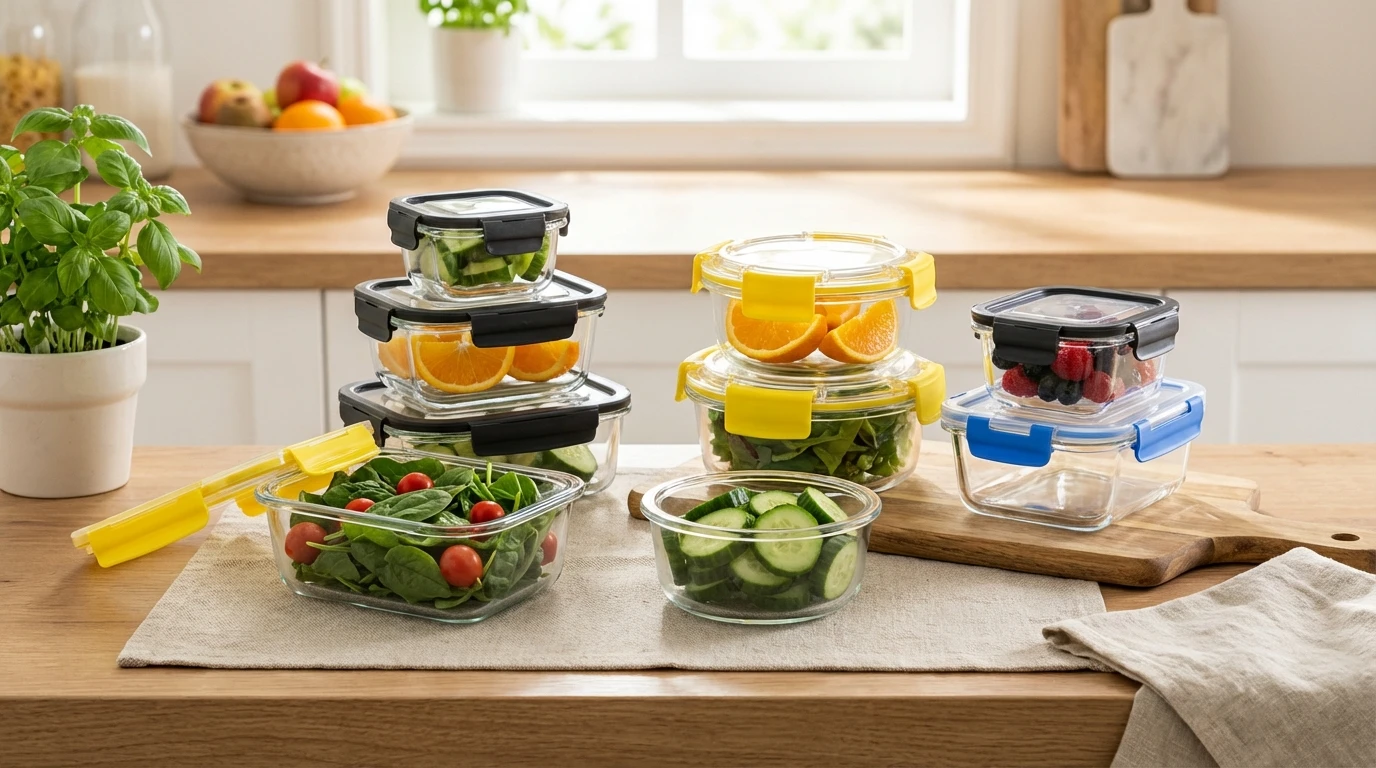
Eco-Friendly Bottle with Bamboo Lid | Sustainable Glassware Solutions
Why the Humble Bottle with Bamboo Lid Matters More Than You Think
At first glance, a bottle with bamboo lid might seem like just another eco-friendly kitchen accessory. But zoom out, and it’s part of a global movement—one that bridges sustainability, innovation, and cultural craftsmanship. You see, as the world grapples with plastic pollution and supply chain challenges, alternatives like glass bottles paired with renewable bamboo lids offer tangible benefits that ripple across industries, from hospitality and retail to humanitarian aid.
Understanding the significance of these bottles is more than a design trend; it’s about embracing materials that respect nature’s limits while meeting our modern needs — that delicate balance many have been chasing for ages.
Global Context: Why Are Bottles with Bamboo Lids Gaining Traction?
Globally, the push toward sustainable packaging is intense. According to the United Nations Environment Programme (UNEP), plastic production has surged to over 368 million tons annually, and a vast portion ends up polluting oceans and landfills. In response, industries are exploring natural materials and circular economy principles.
The bottle with bamboo lid is emblematic of this shift. Bamboo grows rapidly, sequesters carbon, and is biodegradable — making it an ideal choice for lids that traditionally relied on plastic or metal. Partner a bamboo lid with a glass bottle instead of plastic, and you get a product that is reusable, recyclable, and appealing visually and tactilely.
For manufacturers and consumers alike, this combination addresses the growing consumer demand for green products, backed by ISO standards that increasingly regulate sustainable sourcing and lifecycle management.
Yet, challenges remain — like how to ensure durability or scale production without losing the artisanal quality that bamboo crafts bring. It’s this tension that drives innovation across the supply chain.
What Exactly Is a Bottle with Bamboo Lid?
Simply put, a bottle with bamboo lid is a reusable container — often made from borosilicate or soda-lime glass — topped with a lid crafted from bamboo. This lid usually features a silicone or cork lining inside to guarantee an airtight seal, reducing spills and maintaining freshness.
More than a container, it’s a solution marrying form with function: the transparency of glass allows you to see contents clearly, while bamboo offers a sustainable, renewable material for closure without heavy reliance on synthetic plastics.
Across industries, such bottles serve multiple purposes — from water bottles for office workers to oil dispensers in kitchens, to custom branded giveaways in eco-conscious marketing campaigns.
Key Aspects of the Bottle with Bamboo Lid
1. Durability and Material Quality
The glass itself is chosen for strength and thermal resistance — commonly borosilicate — to withstand hot liquids and daily wear. Bamboo, when properly treated, resists moisture and microbial growth. This combo keeps the bottle both safe and long-lasting.
2. Sustainability and Eco-Friendliness
Bamboo’s fast growth rate — some species mature in 3–5 years — makes it one of the most renewable materials around. Compared with plastic lids, bamboo helps reduce carbon footprint and supports zero-waste packaging initiatives.
3. Seal and Functionality
The bamboo lid usually contains a silicone ring or food-grade cork insert, which provides an airtight seal. This detail matters — preventing leaks and preserving product integrity (think oils, juices, or infusions).
4. Aesthetic and Sensory Appeal
There’s a tactile warmth to bamboo and a clarity to glass that plastic just lacks. This tactile experience adds value, especially in premium or artisanal markets.
5. Customizability
Brands can etch logos onto bamboo, or dye the lid subtly without compromising sustainability; glass can be tinted or printed for personalization. This makes the bottle with bamboo lid a versatile packaging choice for many industries.
Product Specification Table
| Feature | Specification |
|---|---|
| Material (Bottle) | Borosilicate Glass |
| Material (Lid) | Natural Bamboo with Silicone Seal |
| Capacity Options | 250ml, 500ml, 750ml |
| Leak-proof | Yes (Silicone Ring) |
| Temperature Resistance | -20°C to 150°C |
| Dishwasher Safe | Bottle Only (Lid: Hand Wash) |
Mini takeaway: The balance of durable glass and sustainably sourced bamboo creates bottles that are functional, eco-conscious, and customizable — bridging form with a very practical function.
Where Do Bottles with Bamboo Lids Actually Get Used Worldwide?
Okay, so it all sounds promising, but who’s actually using these bottles? Turns out, the list is surprisingly broad.
- Eco-friendly startups and brands: Many wellness and beverage companies use these bottles to align packaging with brand values.
- Hospitality and cafes: High-end cafes prefer such bottles as part of their zero-waste cafes, supplying reusable bottles instead of single-use plastics.
- Humanitarian projects: In areas where clean water access is critical, reusable glass bottles with bamboo lids provide a durable, safe option that’s chemical-free and sturdy enough for rough environments.
- Retail souvenir markets: Locations known for sustainable tourism promote these bottles with local bamboo sourcing, giving tourists a green keepsake.
- Outdoor and fitness communities: Lightweight yet tough, these bottles appeal to hikers and yoga enthusiasts looking for eco options.
For context, organizations like the World Health Organization (WHO) have started recommending reusable water containers in campaigns to reduce plastic waste and disease transmission — which indirectly boosts demand for sustainable bottles.
Vendor Comparison Table
| Vendor | Material Quality | Customization | Price Range | Lead Time |
|---|---|---|---|---|
| Yinto Glassware | Premium borosilicate + sustainably harvested bamboo | Laser engraving, custom colors | $$ | 2-3 weeks |
| EcoLid Co. | Standard soda-lime glass + bamboo (imported) | Limited engraving | $ | 4-6 weeks |
| NaturalCap Inc. | High-grade borosilicate + bamboo from local farms | Full color printing + engraving | $$$ | 3-4 weeks |
Long-Term Value: Why Choose Bottle with Bamboo Lid?
Here’s the thing — beyond just being pretty, these bottles offer lasting benefits:
- Environmental impact: Lower waste, biodegradability, and less energy-intensive than plastic counterparts.
- Cost efficiency: Durable materials mean fewer replacements and less wasteful purchasing long term.
- Social responsibility: Choosing renewable materials supports rural economies planting and harvesting bamboo sustainably.
- Consumer trust: People increasingly value transparency — glass and natural lids signify health-safe products free from BPA and toxins.
- And frankly, there’s something calming about holding a bamboo lid compared to a cold piece of plastic. It just feels thoughtful.
Innovations and the Road Ahead for Bamboo-Lidded Bottles
The future for bottle with bamboo lid is quite bright. We’re seeing:
- Advanced coatings: Natural antibacterial finishes for bamboo to increase hygiene without chemicals.
- Smart seals: Integrating biodegradable sensors that monitor freshness or liquid levels.
- Automation in production: Machine-assisted bamboo shaping to scale production while retaining sustainability.
- Policy shifts: Governments pushing plastic bans encourage wider adoption of these eco-alternatives.
Many R&D labs are experimenting with composites blending bamboo fiber with bioplastics to boost durability while maintaining biodegradability.
Challenges to Overcome and Practical Solutions
Let’s be honest, there are some hurdles:
- Moisture sensitivity: Bamboo lids can warp or degrade if constantly wet. Solution? Better seal designs and treated wood.
- Production costs: Bamboo craftsmanship requires skill, which can raise price points. Scaling automation helps ease this.
- Consumer education: Users need reminders on cleaning and care to maintain product lifespan.
Innovative companies tackle these head on by offering care instructions, improving packaging to preserve bamboo quality in transit, and sourcing certifications — all crucial pieces to the puzzle.
FAQ: Common Questions About Bottles with Bamboo Lids
- Are bottles with bamboo lids safe for hot beverages?
- Yes, typically the glass used (borosilicate) withstands high temperatures. Bamboo lids should be removed before microwaving or heating, as bamboo might warp under direct heat.
- How do I clean a bottle with a bamboo lid?
- Glass bottles are generally dishwasher-safe, but bamboo lids should be hand washed and dried immediately to prolong their life.
- Can I customize bamboo lids with logos for branding?
- Absolutely! Laser engraving and printing are common customization methods that do not compromise sustainability.
- What’s the typical lifespan of these bottles?
- With proper care, the glass bottle can last years or decades, while bamboo lids may need replacement every 2–3 years depending on usage.
Wrapping Up: A Simple Step Toward a Greener Future
Switching to a bottle with bamboo lid isn’t just a style choice — it’s part of a conscious effort to reduce plastics, support sustainable materials, and rethink how we package everyday essentials. For brands and consumers ready to make a difference, it's a small but meaningful pivot.
If you’re curious to explore the options, check out suppliers like Yinto Glassware that specialize in marrying craftsmanship with sustainability. After all, the shift to greener living begins with tangible actions that blend beauty with responsibility.
References:
1. United Nations Environment Programme, "Single-use plastics: A roadmap for sustainability," 2018.
2. ISO 14040: Environmental management — Life cycle assessment — Principles and framework.
3. World Health Organization, Water, Sanitation, Hygiene and Health factsheet, 2019.
-
Ultimate Guide to Choosing Big Glass Storage Containers for Every NeedNewsApr.16,2026
-
Small Glass Lunch Containers Guide for Healthy Meal PrepNewsApr.09,2026
-
Comprehensive Guide to Choosing the Best Storage Containers for Dishes and GlassesNewsApr.07,2026
-
Selecting The Optimal 300ml Food Containers For Your Business NeedsNewsApr.04,2026
-
Discover the Benefits of Durable 3 Cup Glass Food Storage ContainersNewsMar.31,2026
-
Comprehensive Guide to Choosing Superior Glass Divided Food ContainersNewsMar.28,2026
![[Extra Large with Handle] Oven Safe Glass Food Storage Container with Airtight Locking Lid & Handle, Oven Safe Dishwasher Safe](https://images.exportstart.com/images/a1251/extra-larger-glass-container-with-snap-locking-lid-164.webp "[Extra Large with Handle] Oven Safe Glass Food Storage Container with Airtight Locking Lid & Handle, Oven Safe Dishwasher Safe")
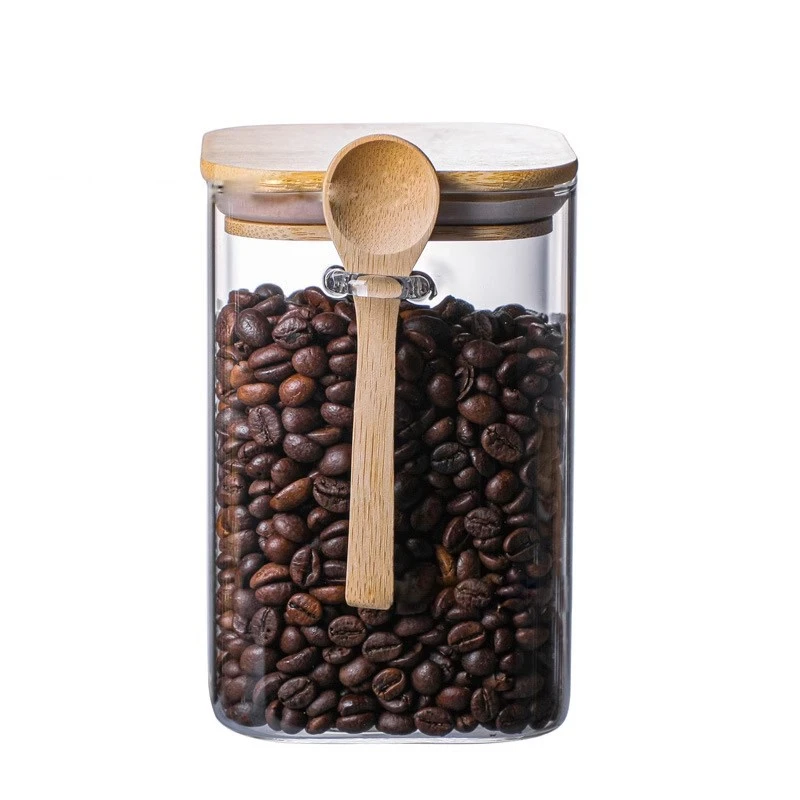
![[All Microwave Safe] High Borosilicate Glass Food Storage Container , Oven Safe without Lid, Dishwasher Safe](https://images.exportstart.com/images/a1251/squre-glass-container-with-glass-lid-518.webp "[All Microwave Safe] High Borosilicate Glass Food Storage Container , Oven Safe without Lid, Dishwasher Safe")
![[Sliding Vent PP Lid] Borosilicate Glass Food Storage Containers with Food-grade Plastic Lid, Airtight, Leak Resistant](https://images.exportstart.com/images/a1251/glass-food-storage-container-with-airtight-lid-183.webp "[Sliding Vent PP Lid] Borosilicate Glass Food Storage Containers with Food-grade Plastic Lid, Airtight, Leak Resistant")
![[Large Skylight Glass Lid] Glass Food Storage Container, Oven Safe with Lid, BPA Free, 100% Leak resistant](https://images.exportstart.com/images/a1251/glass-lid-food-storage-container-1-1-196.webp "[Large Skylight Glass Lid] Glass Food Storage Container, Oven Safe with Lid, BPA Free, 100% Leak resistant")
![[Colorful Vent PP Lid] Glass Food Storage Container, BPA Free, Leakproof, Dishwasher Safe](https://images.exportstart.com/images/a1251/002-1-639.webp "[Colorful Vent PP Lid] Glass Food Storage Container, BPA Free, Leakproof, Dishwasher Safe")
![[Color Vent PP Lid] Borosilicate Glass Food Storage Container, Leakproof, Dishwasher Safe](https://images.exportstart.com/images/a1251/1-941.webp "[Color Vent PP Lid] Borosilicate Glass Food Storage Container, Leakproof, Dishwasher Safe")
![[Vacuum AS] Food Storage Container with Pump](https://images.exportstart.com/images/a1251/7-1-397.webp "[Vacuum AS] Food Storage Container with Pump")