 TEL: +86 18903393212
 Email: tina@yintoglassware.com

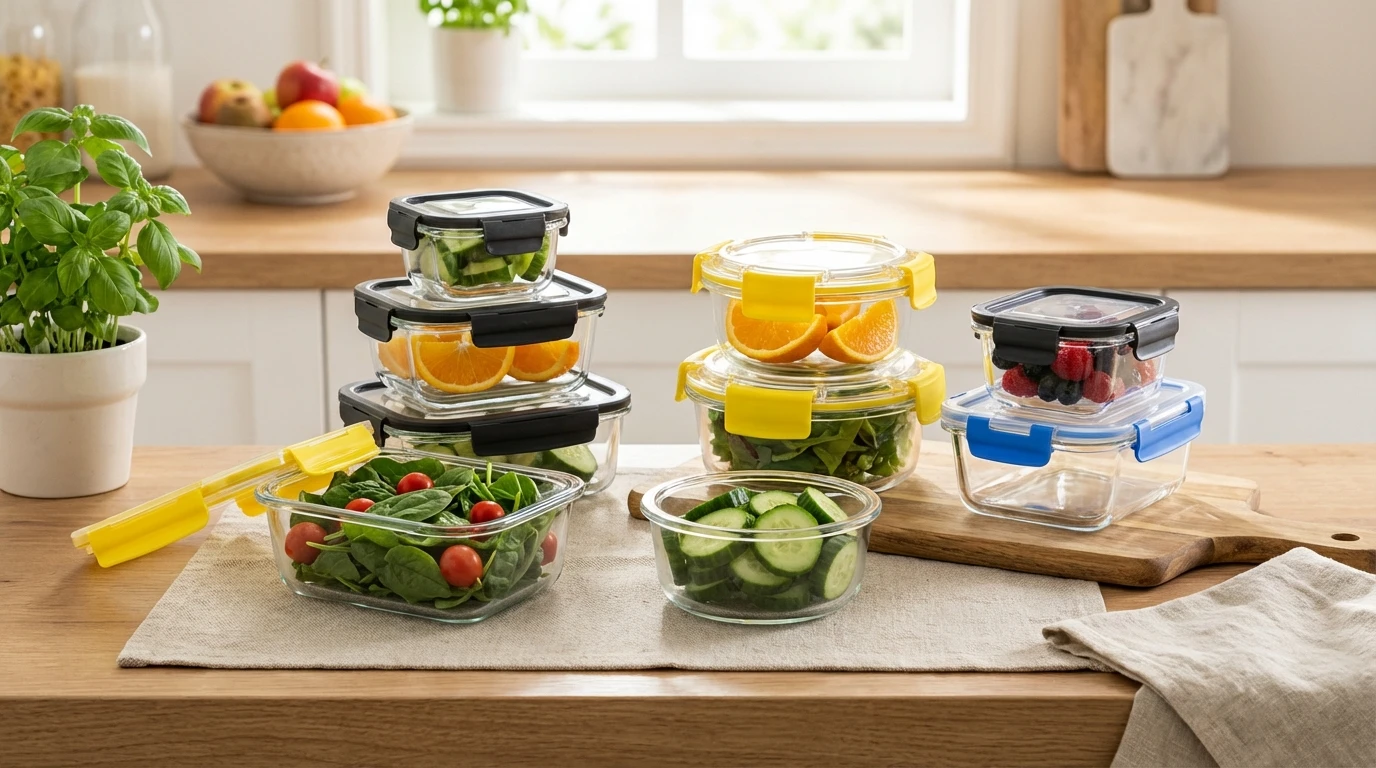
Exploring the Mug Double Wall: Benefits, Uses, and Innovation
Mug Double Wall: The Perfect Blend of Design and Functionality
If you’ve never heard of a mug double wall, don’t worry — it’s probably more familiar than you think. These aren’t just any mugs; they’re designed with a clever dual-layer construction that’s become a staple for anyone longing for the perfect sip experience. But beyond keeping your coffee hot or your iced tea chill, double wall mugs tackle a slew of challenges felt worldwide, from reducing condensation to enhancing durability in busy environments. On a global scale, understanding the benefits of the mug double wall helps consumers and industries alike choose smarter, more sustainable drinkware.
Introduction: The Global Context of Mug Double Wall Innovation
Worldwide, the market for reusable drinkware is steadily climbing. According to a 2023 report by the World Bank on sustainable consumer goods, the shift towards insulated and eco-friendly products is no passing fad — it’s a real response to environmental challenges and lifestyle shifts (1). Concerned about reducing single-use plastics and improving beverage temperature control, manufacturers are innovating the humble mug. However, practical issues like condensation build-up, user comfort, and durability have remained sticking points — this is where the mug double wall comes in, offering elegant solutions for these everyday problems.
What Exactly Is a Mug Double Wall?
Simply put, a mug double wall is a drinking vessel made with two layers of material, usually glass or stainless steel, separated by air or vacuum. This design works as insulation, buffering hot or cold drinks from the outside environment (and your hand). From a humanitarian or industrial perspective, this technology aligns with efforts to provide reliable, user-friendly drinkware that enhances hydration in diverse environments like disaster zones or high-altitude research stations. Think of it as smart engineering applied to small daily joys.
Key Factors Behind the Mug Double Wall
1. Thermal Insulation
The greatest selling point: double walls trap air, an excellent insulator, or sometimes even a vacuum, greatly reducing heat transfer. This means drinks stay hot or cold for much longer — which, frankly, makes mornings on a busy worksite or a relaxed office break infinitely better.
2. Condensation Reduction
Ever had a cold drink leave a puddle on your desk? Double wall mugs prevent condensation on the exterior, keeping hands dry and tables free from rings. This is essential for maintaining cleanliness and comfort in both home and professional settings.
3. Durability and Material Choice
Most double wall mugs come in borosilicate glass or stainless steel. Borosilicate boasts resistance to thermal shocks (think freezing cold to boiling hot), while stainless steel adds ruggedness and longevity, ideal for outdoor or industrial use.
4. Aesthetic and Customization
Because of the air gap, many double wall mugs appear almost “floating” or feature visible bubbles and unique shapes. This makes them popular gifts, promotional merchandise, or company swag—connecting branding with function.
Mini takeaway: The mug double wall cleverly combines insulation, durability, aesthetics, and practical comfort to deliver a superior drinkware experience.
Global Applications & Use Cases
- Office environments: Keeping coffee hot without the usual burnt taste.
- Hospitality industry: Offering premium drink presentations in cafes and restaurants.
- Outdoor enthusiasts: Reliable hydration in hiking, camping, and sports.
- Emergency and relief efforts: Durable, insulated mugs can be invaluable in disaster zones where infrastructure is unstable.
Oddly enough, in places like Scandinavia and Japan, the mug double wall has become a staple not just for homes but in office culture — possibly because cold, long winters mean hot beverages are essential. Meanwhile, NGOs experimenting with durable drinkware in subtropical disaster relief operations have noted double wall mugs reduce water wastage by maintaining temperatures longer (2).
Advantages & Long-Term Value of Mug Double Wall
When you reflect on it, the benefits extend beyond temperature maintenance:
- Cost Efficiency: You spend less on reheating drinks or replacing ruined mugs.
- Environmental Sustainability: Many double wall mugs are reusable, made from recyclable materials, and reduce waste.
- Social Impact: Users feel cared for through improved design — safety and dignity matter, especially in professional or aid contexts.
- Reliability: The sturdy construction resists everyday knocks and thermal stress.
It even has an emotional angle, you know? The cozy warmth on a cold morning, the pride in owning a well-made product, trust in a brand that cares about details — these all count.
Future Trends & Innovations in Double Wall Mug Design
What's next for the mug double wall? Materials science is advancing: bio-based plastics and ceramics are gaining ground as eco-friendly alternatives to glass and steel. Digital integration, like smart temperature sensors that sync with apps, is also on the horizon, turning a simple mug into part of the Internet of Things ecosystem.
Sustainability remains a central theme, with manufacturers exploring closed-loop production and biodegradable insulation layers. Automation and AI-enhanced quality control are improving precision and reducing defects, making these mugs more affordable and accessible worldwide.
Challenges & Solutions
Despite their popularity, double wall mugs aren’t without limitations. Thermal vacuum layers can sometimes fail, leading to condensation and diminished insulation. Borosilicate glass can break under sharp impacts, and stainless steel models may impart slight metallic tastes if poorly finished.
To tackle these, experts suggest:
- Using tougher, chemically strengthened glass variants.
- Applying food-safe interior coatings for taste neutrality.
- Innovating vacuum sealing techniques for longer insulation life.
- Offering modular parts for easy repair and longer useful life.
Product Specification Table
| Feature | Specification | Notes |
|---|---|---|
| Material | Borosilicate Glass or Stainless Steel | Choice impacts durability and insulation |
| Capacity | 250ml - 500ml | Suitable for typical coffee/tea servings |
| Insulation | Vacuum or Air Gap Layer | Ensures temperature retention up to 4-6 hours |
| Weight | Approx. 200g | Light enough for daily use and travel friendly |
| Dishwasher Safe | Yes | Check vendor specifics for hand wash recommendations |
Vendor Comparison: Top Double Wall Mug Providers
| Brand | Material Options | Price Range | Notable Features |
|---|---|---|---|
| Yinto Glassware | Borosilicate Glass | $$ | Crystal clear, custom shapes, eco-friendly packaging |
| ThermTech | Stainless Steel | $$$ | Smart temperature display, rugged build |
| ClearSip | Glass & Plastic Hybrid | $ | Affordable, lightweight, less durable |
FAQ: Frequently Asked Questions About Mug Double Wall
- Q: How long does a mug double wall keep drinks hot or cold?
- A: Typically between 4 to 6 hours depending on material and vacuum quality, with stainless steel generally holding heat longer than glass varieties.
- Q: Are glass double wall mugs fragile?
- A: They use borosilicate glass, known for thermal shock resistance, but like all glass, they can break if dropped hard. Still, it’s surprisingly robust for everyday use.
- Q: Can I use mug double wall products for cold beverages without sweating condensation?
- Yes! One of the main benefits is preventing exterior condensation, keeping surfaces dry and mugs comfortable to hold.
- Q: Are these mugs dishwasher safe?
- Many are, but always check manufacturer guidelines. Glass versions often tolerate dishwashers well, while some stainless steel types benefit from hand washing to maintain finish quality.
- Q: Where can I buy high-quality mug double wall products?
- You can explore specialized vendors like Yinto Glassware for premium, customizable options that balance style and function.
Conclusion
Overall, the mug double wall represents a small but meaningful innovation in everyday life. It not only improves how we enjoy beverages but also aligns with sustainability and durability goals that the world increasingly demands. Whether for home, office, or more challenging environments, these mugs deliver a quiet efficiency and comfort. If you’re considering upgrading your drinkware, I’d definitely check out options from trusted vendors like Yinto Glassware. Make your coffee breaks smarter — your hands, table, and planet will thank you.
Oddly enough, small innovations like these often ripple outward into larger lifestyle changes, showing that sometimes, details really do matter.
References
-
Ultimate Guide to Choosing Big Glass Storage Containers for Every NeedNewsApr.16,2026
-
Small Glass Lunch Containers Guide for Healthy Meal PrepNewsApr.09,2026
-
Comprehensive Guide to Choosing the Best Storage Containers for Dishes and GlassesNewsApr.07,2026
-
Selecting The Optimal 300ml Food Containers For Your Business NeedsNewsApr.04,2026
-
Discover the Benefits of Durable 3 Cup Glass Food Storage ContainersNewsMar.31,2026
-
Comprehensive Guide to Choosing Superior Glass Divided Food ContainersNewsMar.28,2026
![[Extra Large with Handle] Oven Safe Glass Food Storage Container with Airtight Locking Lid & Handle, Oven Safe Dishwasher Safe](https://images.exportstart.com/images/a1251/extra-larger-glass-container-with-snap-locking-lid-164.webp "[Extra Large with Handle] Oven Safe Glass Food Storage Container with Airtight Locking Lid & Handle, Oven Safe Dishwasher Safe")
![[All Microwave Safe] High Borosilicate Glass Food Storage Container , Oven Safe without Lid, Dishwasher Safe](https://images.exportstart.com/images/a1251/squre-glass-container-with-glass-lid-518.webp "[All Microwave Safe] High Borosilicate Glass Food Storage Container , Oven Safe without Lid, Dishwasher Safe")
![[Sliding Vent PP Lid] Borosilicate Glass Food Storage Containers with Food-grade Plastic Lid, Airtight, Leak Resistant](https://images.exportstart.com/images/a1251/glass-food-storage-container-with-airtight-lid-183.webp "[Sliding Vent PP Lid] Borosilicate Glass Food Storage Containers with Food-grade Plastic Lid, Airtight, Leak Resistant")
![[Large Skylight Glass Lid] Glass Food Storage Container, Oven Safe with Lid, BPA Free, 100% Leak resistant](https://images.exportstart.com/images/a1251/glass-lid-food-storage-container-1-1-196.webp "[Large Skylight Glass Lid] Glass Food Storage Container, Oven Safe with Lid, BPA Free, 100% Leak resistant")
![[Colorful Vent PP Lid] Glass Food Storage Container, BPA Free, Leakproof, Dishwasher Safe](https://images.exportstart.com/images/a1251/002-1-639.webp "[Colorful Vent PP Lid] Glass Food Storage Container, BPA Free, Leakproof, Dishwasher Safe")
![[Color Vent PP Lid] Borosilicate Glass Food Storage Container, Leakproof, Dishwasher Safe](https://images.exportstart.com/images/a1251/1-941.webp "[Color Vent PP Lid] Borosilicate Glass Food Storage Container, Leakproof, Dishwasher Safe")
![[Vacuum AS] Food Storage Container with Pump](https://images.exportstart.com/images/a1251/7-1-397.webp "[Vacuum AS] Food Storage Container with Pump")