 TEL: +86 18903393212
 Email: tina@yintoglassware.com

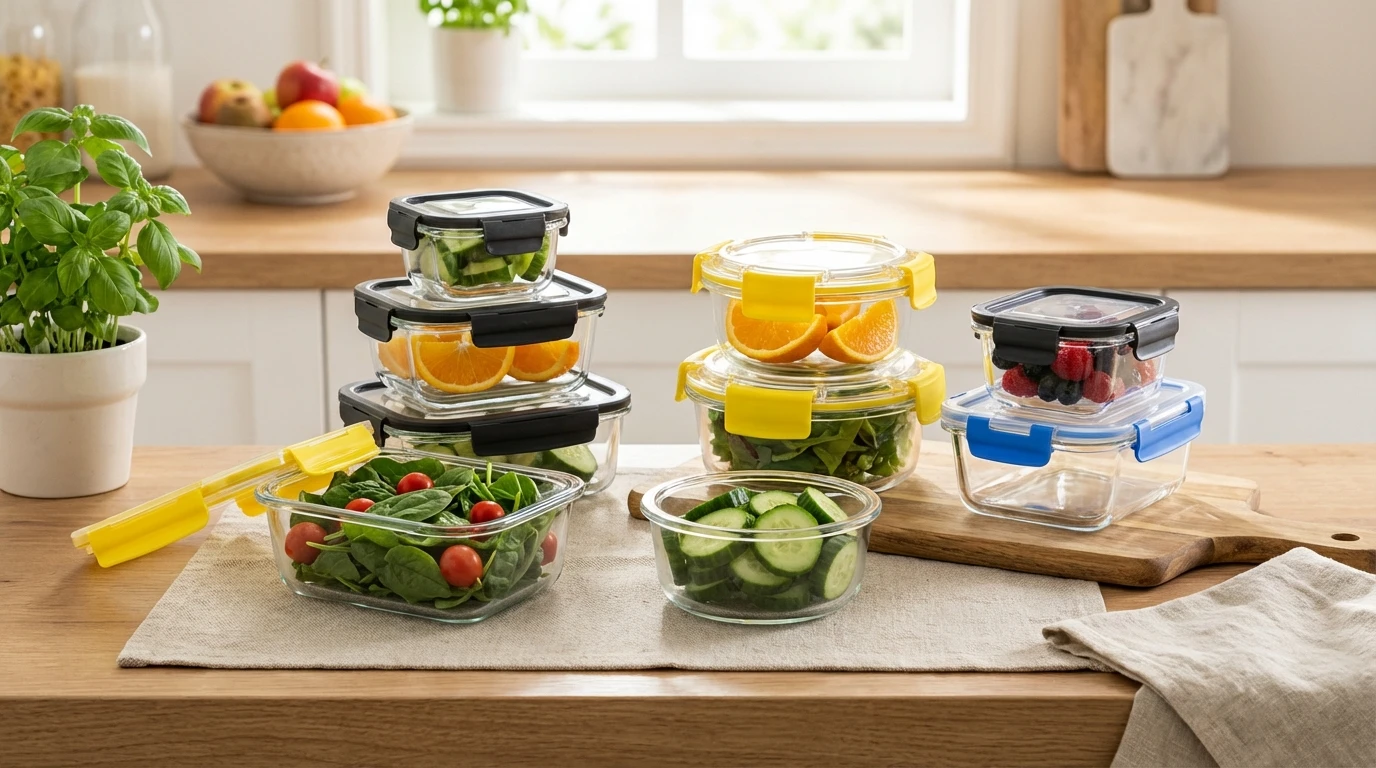
Glass and Bamboo Water Bottle: Sustainable Hydration with Style and Functionality
The Rise of the Glass and Bamboo Water Bottle: Sustainable Hydration for a Changing World
In a world increasingly consumed by concerns over plastic pollution and sustainability, the glass and bamboo water bottle has quietly emerged as a champion of eco-friendly hydration. But why does this blend of natural materials matter globally? Well, globally, we throw away roughly 300 million tons of plastic each year, much of it single-use bottles. The environmental cost is staggering. Herein lies the growing appeal of glass and bamboo water bottles — combining natural durability with a reduced carbon footprint, they offer a tangible alternative that merges style, safety, and sustainability.
Understanding the significance of glass and bamboo water bottles isn't just about swapping out your old plastic for something “green.” It's a deeper shift toward conscious consumption, innovation in packaging, and responsible design. And frankly, who doesn’t want a water bottle that feels as good in the hand as it looks on the shelf?
Global Context: Why Glass and Bamboo Water Bottles Matter Today
Let’s zoom out a bit. According to the United Nations Environmental Programme (UNEP), about 8 million tons of plastic waste end up in the oceans every year, a hell of a lot of which comes from disposable plastic bottles. Meanwhile, industries and consumers alike are waking up to the fact that sustainable choices can align with high performance.
Glass and bamboo water bottles answer a few pressing issues: plastic pollution, resource depletion, and safety concerns surrounding chemicals leaching from plastics. The World Bank estimates that plastic waste management costs developing countries billions annually, costs that sustainable packaging could reduce. Bamboo, being one of the fastest-growing plants, replenishes quickly and absorbs CO2 efficiently. Glass, meanwhile, is inert and infinitely recyclable without quality loss. Together, they address wastage at the root — reducing new plastic manufacture and toxic residues.
But the big struggle comes down to convenience and cost. Glass and bamboo bottles can be more expensive, and their fragility is a practical hurdle. Nonetheless, adoption is climbing steadily, especially among conscious consumers, outdoor enthusiasts, and industries aiming for green credentials.
What Exactly Is a Glass and Bamboo Water Bottle?
Put simply, it’s a reusable drinking container consisting primarily of glass for the body, encased or topped with bamboo components – usually lids or protective sleeves. The bamboo usually comes from sustainable farms, and the glass is often thick borosilicate, known for thermal resistance.
These bottles merge traditional natural materials with modern aesthetics and functionality. The bamboo lid not only offers a natural grip but prevents leaks effectively without synthetic chemicals. The glass offers a clean taste — no plastic aftertaste here — plus it’s resistant to staining and odor retention.
In humanitarian or industrial contexts, these water bottles have started to appear as safer, longer-lasting alternatives where clean water access is critical — providing both reliability and environmental benefits at the point of hydration.
Key Features of Glass and Bamboo Water Bottles
Durability & Safety
While glass may seem fragile, the borosilicate glass used in quality water bottles can withstand thermal shock and impacts better than you might expect — especially when protected by a bamboo sleeve. Bamboo adds a layer of shock absorption and is naturally antimicrobial, lending safety to everyday use.
Sustainability
Bamboo grows rapidly and requires minimal pesticides or fertilizers. Glass is endlessly recyclable, cutting down landfill waste. Together, they minimize environmental damage from production to disposal.
Thermal Performance
Many glass and bamboo bottles are designed to hold cold or hot beverages comfortably. The bamboo exterior provides slight insulation, and double-wall glass variants can extend this further, keeping your tea warm or water cool for hours.
Design & Customization
Unlike plastic bottles, these bottles lend themselves nicely to custom engraving, branding, and varietal finishes. This makes them a favorite for corporate gifting or personalized retail items.
Weight & Portability
They tend to be heavier than plastic but lighter than some stainless steel bottles. For many users, the tradeoff for style and sustainability is worth the few extra ounces.
Global Applications & User Stories
From Silicon Valley startups to yoga studios in Europe, glass and bamboo bottles are increasingly the hydration vessel of choice. But they’re far from a trendy accessory only; their appeal is broad:
- Post-Disaster Relief: Organizations providing clean drinking options in disaster zones have turned to glass and bamboo bottles for their non-toxicity and durability. In places like Southeast Asia, NGOs report that these bottles reduce dependence on single-use plastics, which clog fragile ecosystems post-crisis.
- Educational Campaigns in Africa: Initiatives promoting clean water usage often integrate these bottles, encouraging reusable habits among students.
- Corporate & Lifestyle Markets: Many companies prize them as eco-conscious merchandise, capitalizing on their premium feel to promote sustainable brands.
It’s kind of amazing how a simple thing like a bottle can weave into so many sectors and stories.
Advantages and Long-Term Benefits
The benefits span beyond the obvious green credentials:
- Cost-effectiveness: Though the upfront cost is higher than plastic, long-term reuse and recyclability save money and waste.
- Health & Safety: Glass does not leach chemicals like BPA or phthalates found in some plastics.
- Environmental impact: Using bamboo and glass drastically reduces microplastic pollution and carbon footprints.
- Emotional satisfaction: Many owners report feeling more connected to nature and health-conscious choices, boosting trust and brand loyalty in commercial contexts.
Some scientists link it to a psychological effect — when you carry something beautiful and natural, you tend to care for it more. And, frankly, that helps the planet.
Future Trends and Innovations
Looking forward, the industry for glass and bamboo water bottles is evolving with technology and sustainability hand-in-hand. Some upcoming trends include:
- Biodegradable Bamboo Components: Researchers are developing bamboo composites that degrade faster to reduce waste.
- Smart Integration: Expect bottles equipped with temperature sensors or hydration reminders, cleverly integrated without losing the organic feel.
- Green Manufacturing: Factories powered by renewable energy trimming the overall carbon footprints.
- Automation & Customization: From laser etching to on-demand personalized sleeves — making each bottle one-of-a-kind.
It’s not without challenges, though.
Challenges Facing Glass and Bamboo Water Bottles & Solutions
- Fragility: Despite improved glass formulas and bamboo sleeves, dropping the bottle still risks breakage. Protective silicone sleeves or double-walls are partial answers.
- Cost: The production process is more expensive, limiting accessibility in low-income markets. Scaling manufacturing and raw material sourcing responsibly is ongoing.
- Supply Chain Complexity: Securing ethically harvested bamboo and sustainable glass requires diligent vendor partnerships and certifications.
Experts recommend multi-pronged strategies — from user education to product design — to mitigate these issues. Opting for modular components that can be replaced is an innovative way to lengthen product lifespan.
Product Specification Table
| Feature | Specification | Typical Range |
|---|---|---|
| Material (Body) | Borosilicate Glass | — |
| Material (Cap and Sleeve) | Sustainably Harvested Bamboo | — |
| Capacity | 500 ml – 1000 ml | 350 ml – 1200 ml |
| Weight | ~350 grams (empty) | 300 – 500 grams |
| Thermal Insulation | Single or Double Wall Options | Keeps liquids cold/hot for 4–12 hours |
| Price Range | $25 - $45 | Varies by brand & features |
Vendor Comparison — What to Look for When Choosing Your Bottle
| Vendor | Sustainability Certification | Price Range | Customization Options | Warranty |
|---|---|---|---|---|
| EcoHydrate Co. | FSC Bamboo, ISO 14001 | $30 - $45 | Logo engraving & colors | 2 years |
| PureNature Goods | GOTS Bamboo, Recyclable Glass | $25 - $40 | Custom print & packaging | 1 year |
| GreenSip Solutions | Bamboo Trust Certified | $28 - $42 | Limited edition designs | 3 years |
FAQs on Glass and Bamboo Water Bottles
- Are glass and bamboo water bottles safe for hot beverages?
- Yes, most glass and bamboo bottles are made with borosilicate glass, designed to withstand temperature changes. However, verify if your bottle is double-walled for better heat retention and to protect your hands from burning.
- How durable are bamboo lids compared to plastic?
- Bamboo lids are surprisingly durable and naturally antimicrobial, but they need to be kept dry to avoid mold or warping. Compared to plastic, they offer better sustainability but require care to maintain longevity.
- Can I customize glass and bamboo water bottles for my brand?
- Absolutely! Many vendors offer engraving, special packaging, and color options to tailor bottles to your branding reputation or marketing campaign.
- What’s the environmental impact compared to stainless steel bottles?
- Glass and bamboo tend to have a smaller carbon footprint in production and are easier to recycle or compost at end-of-life compared to stainless steel, which requires energy-intensive mining and refining.
- How to clean and maintain these bottles?
- Hand-wash with mild soap to preserve bamboo and glass. Avoid dishwasher use to protect the bamboo parts. Regular cleaning prevents buildup and prolongs bottle life.
Final Thoughts
The glass and bamboo water bottle is not just a product; it’s a small revolution toward responsible hydration and sustainability. It echoes a yearning for products that respect the planet without sacrificing design or function. If you’re intrigued, curious, or ready to make your switch, browse more options at glass and bamboo water bottle to find something that fits your lifestyle and values.
Changing how we hydrate might seem like a tiny gesture—yet, multiply it by millions, and that's the kind of ripple the world needs right now.
References:
-
Ultimate Guide to Choosing Big Glass Storage Containers for Every NeedNewsApr.16,2026
-
Small Glass Lunch Containers Guide for Healthy Meal PrepNewsApr.09,2026
-
Comprehensive Guide to Choosing the Best Storage Containers for Dishes and GlassesNewsApr.07,2026
-
Selecting The Optimal 300ml Food Containers For Your Business NeedsNewsApr.04,2026
-
Discover the Benefits of Durable 3 Cup Glass Food Storage ContainersNewsMar.31,2026
-
Comprehensive Guide to Choosing Superior Glass Divided Food ContainersNewsMar.28,2026
![[Extra Large with Handle] Oven Safe Glass Food Storage Container with Airtight Locking Lid & Handle, Oven Safe Dishwasher Safe](https://images.exportstart.com/images/a1251/extra-larger-glass-container-with-snap-locking-lid-164.webp "[Extra Large with Handle] Oven Safe Glass Food Storage Container with Airtight Locking Lid & Handle, Oven Safe Dishwasher Safe")
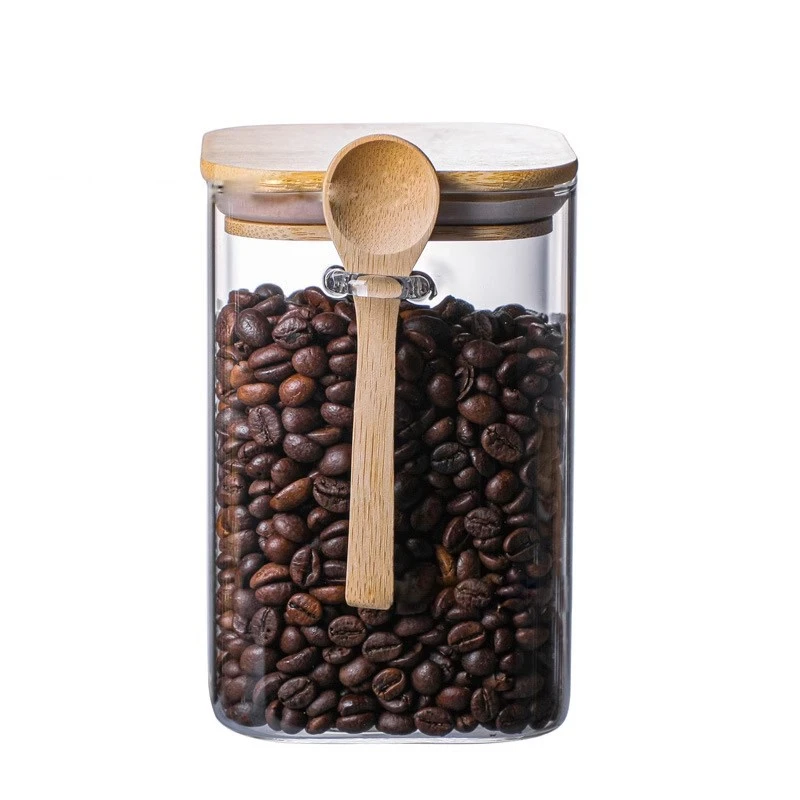
![[All Microwave Safe] High Borosilicate Glass Food Storage Container , Oven Safe without Lid, Dishwasher Safe](https://images.exportstart.com/images/a1251/squre-glass-container-with-glass-lid-518.webp "[All Microwave Safe] High Borosilicate Glass Food Storage Container , Oven Safe without Lid, Dishwasher Safe")
![[Sliding Vent PP Lid] Borosilicate Glass Food Storage Containers with Food-grade Plastic Lid, Airtight, Leak Resistant](https://images.exportstart.com/images/a1251/glass-food-storage-container-with-airtight-lid-183.webp "[Sliding Vent PP Lid] Borosilicate Glass Food Storage Containers with Food-grade Plastic Lid, Airtight, Leak Resistant")
![[Large Skylight Glass Lid] Glass Food Storage Container, Oven Safe with Lid, BPA Free, 100% Leak resistant](https://images.exportstart.com/images/a1251/glass-lid-food-storage-container-1-1-196.webp "[Large Skylight Glass Lid] Glass Food Storage Container, Oven Safe with Lid, BPA Free, 100% Leak resistant")
![[Colorful Vent PP Lid] Glass Food Storage Container, BPA Free, Leakproof, Dishwasher Safe](https://images.exportstart.com/images/a1251/002-1-639.webp "[Colorful Vent PP Lid] Glass Food Storage Container, BPA Free, Leakproof, Dishwasher Safe")
![[Color Vent PP Lid] Borosilicate Glass Food Storage Container, Leakproof, Dishwasher Safe](https://images.exportstart.com/images/a1251/1-941.webp "[Color Vent PP Lid] Borosilicate Glass Food Storage Container, Leakproof, Dishwasher Safe")
![[Vacuum AS] Food Storage Container with Pump](https://images.exportstart.com/images/a1251/7-1-397.webp "[Vacuum AS] Food Storage Container with Pump")