 TEL: +86 18903393212
 Email: tina@yintoglassware.com

Double Walled Glass Mugs: Insulated Glassware for Sustainable and Stylish Drinkware
Double Walled Glass Mugs: Durable Design Meets Everyday Delight
You might not realize it when you pick up your morning coffee, but the humble double walled glass mug is quietly reshaping how we experience hot and cold drinks around the globe. These elegantly engineered cups aren’t just about looks—they carry benefits that ripple through sustainability, user comfort, and even economic value, spanning continents and cultures. The world’s increasing demand for clever, efficient, and eco-conscious kitchenware spots double walled glassware as a quiet superstar in this arena.
Global Context: Why Double Walled Glass Mugs Matter Worldwide
Globally, the kitchenware market is projected to grow significantly, with glassware taking an important slice due to its sustainability and aesthetic appeal. According to the International Organization for Standardization (ISO), consumer preferences are shifting toward products that offer durability combined with health safety—glass fits the bill nicely (ISO 9227:2017).
But there's more: in countries facing energy constraints, double walled glass mugs help maintain beverage temperatures longer, reducing the need for reheating and thereby saving energy. It’s a small but meaningful contribution to reducing carbon footprints on a domestic scale.
Oddly enough, although we often think of glass as fragile, these mugs answer a practical demand for reliable drinkware that stands up to everyday use without compromising style.
What Are Double Walled Glass Mugs?
Double walled glass mugs comprise two layers of borosilicate glass separated by a thin air gap. This design acts as insulation—think of it as a tiny thermos around your coffee or tea. The air pocket reduces heat transfer, keeping your drink hot without burning your fingers, or cold beverages chilled without fogging the outside.
This simple yet clever innovation hits a sweet spot for daily life and even for specialized settings like cafes and offices where temperature control matters. It's also seen growing use in retail as a gift or lifestyle item highlighting design and function.
Key Features of Double Walled Glass Mugs
- Durability: Made mostly from borosilicate glass, which tolerates high temperature swings and lowers breakage risks.
- Insulation Efficiency: The air gap insulates drinks, keeping them hot or cold twice as long as single-wall glasses.
- Lightweight Comfort: Despite their sturdiness, these mugs feel surprisingly light and comfortable to hold.
- Stylish Design: The "floating" effect of the beverage inside showcases colors and textures enticingly, adding to the drinking experience.
- Health & Safety: Glass is non-toxic and chemical-free, unlike some plastic or metal alternatives that may leach substances.
- Easy Maintenance: Most are dishwasher safe, and they resist staining and odor retention.
Each of these factors translates well into real-world applications—we’ll get to that soon—but in essence, they blend science with everyday comfort.
Mini Takeaway:
Double walled glass mugs offer a clever marriage of durability and elegant insulation, enhancing beverage enjoyment while contributing to energy efficiency worldwide.
Product Specifications at a Glance
| Specification | Details |
|---|---|
| Material | Borosilicate Glass (Heat-resistant) |
| Capacity | 250 - 400 ml (8 - 13.5 oz) |
| Temperature Range | -20°C to 150°C (-4°F to 302°F) |
| Insulation Time | Up to 2 hours (varies with drink temperature) |
| Care Instructions | Dishwasher Safe, Hand Wash Recommended |
| Customization | Colors, Logos, Sizes (MOQ may apply) |
Global Applications & Use Cases
In real terms, these mugs have found enthusiastic adoption both in home kitchens and across various sectors. For example:
- Cafes & Hospitality: Premium coffee shops across Europe and North America favor double walled mugs because they preserve taste and temperature, reducing waste and customer complaints.
- Corporate Offices: Many offices in Asia and Australia encourage their employees to use insulated glass mugs to reduce disposable cup use and promote sustainability.
- Retail & Gifts: In the Middle East and parts of Europe, these mugs are popular gift items—especially when personalized—as they combine style with functionality.
- Post-Disaster Relief: In remote or disrupted zones, maintaining beverage temperature for longer contributes to comfort and safety for displaced persons and field workers.
These examples underline a versatile, global footprint that reflects changing consumer priorities where design meets demand for eco-friendly, reliable everyday items.
Mini Takeaway:
From urban cafes to remote relief camps, double walled glass mugs fulfill diverse needs by improving drink experience and supporting sustainable consumption.
Advantages & Long-Term Value
The benefits go beyond just insulation. For one, these mugs can help reduce energy consumption—in a world where every watt counts, that’s no small thing. They also offer emotional comforts: the warmth of a mug that doesn’t burn your hand, the look of a steaming tea seemingly suspended in mid-air… it kind of elevates simple moments.
Cost-wise, while initially more expensive than regular glass or ceramic, their longevity and easy maintenance mean you often get far more value per dollar over time. Bringing in the social scope, environmentally conscious consumers endorse glassware as a step away from plastic reliance.
Future Trends & Innovations
Looking ahead, the industry is experimenting with incorporating recycled glass and bio-based coatings to enhance sustainability further. Smart glass technologies might eventually allow mugs to change opacity or display temperatures digitally. Automation in production is improving quality consistency and reducing carbon footprints.
One exciting frontier is integrating recycled borosilicate materials into production lines—something still emerging but promising in terms of circular economy principles.
Challenges & Solutions
It’s not all rosy, of course. Manufacturing precision is tough, as the double wall must be seamless to avoid cracking. Also, the mugs can be pricier upfront and sometimes feel delicate to less patient users. Shipping requires extra care due to fragility.
Yet innovation helps: shock-resistant coatings and improved packaging techniques mitigate some risks. Additionally, ongoing R&D into alternative insulating liquids or vacuum techniques could redefine insulation performance altogether.
Comparing Leading Vendors
| Brand | Material Quality | Customization | Price Range (USD) | Lead Time |
|---|---|---|---|---|
| Yinto Glassware | Premium Borosilicate | Logo, colors, shapes | $4 - $12 | 2-4 weeks |
| Glasstek Co. | Standard Borosilicate | Limited | $3.50 - $9 | 3-5 weeks |
| EcoGlass Designs | Recycled Borosilicate | Custom eco packaging | $5.50 - $13 | 4-6 weeks |
FAQ: Frequently Asked Questions About Double Walled Glass Mugs
- Q1: How do double walled glass mugs keep my drink hot without burning my hands?
- The secret lies in the design—there are two layers of glass separated by an air gap which acts as insulation. This significantly slows heat transfer, so the outer wall stays cool enough to hold comfortably even if the drink inside is piping hot.
- Q2: Are these mugs safe for dishwasher use?
- Most double walled glass mugs are dishwasher safe, but hand washing is often recommended to prolong their lifespan and prevent any sudden temperature shocks that can stress the glass.
- Q3: Can I customize these mugs with my logo or color scheme?
- Absolutely. Many vendors, including Yinto Glassware, offer customization options like logos, colors, and even different handle shapes, often with minimum order quantities.
- Q4: How long do double walled glass mugs typically last?
- With proper care, these mugs can last many years. The borosilicate glass is highly resistant to thermal shock and everyday wear, but the main risk is accidental dropping, so gentle handling is always best.
- Q5: Are double walled glass mugs environmentally friendly?
- Yes, they’re a good alternative to plastics or disposable cups. Glass is recyclable and inert, and with trends moving toward recycled glass use, the environmental footprint is shrinking further.
Conclusion: Why Double Walled Glass Mugs Are a Smart Choice for the Future
When you consider sustainability, design, and user experience all together, double walled glass mugs stand out as an outstanding innovation—not just a stylish indulgence. They save energy, reduce waste, and invite pause to savor each sip more mindfully. Whether you’re a café owner seeking cooler service solutions or a conscious consumer hunting for environmentally sound drinkware, these mugs are a practical investment with enduring charm.
To explore premium options and customization services, visit Yinto Glassware—a trusted global supplier embracing quality and sustainability.
Oddly enough, a simple mug can tell us a lot about how small design choices shape our daily lives and planet.
Reflection & References
After examining the technology and global footprint of double walled glass mugs, I appreciate how such a modest item bridges innovation and everyday practicality. Industry standards like those from ISO and the growing emphasis on sustainable kitchenware confirm this is more than a passing trend.
-
Ultimate Guide to Choosing Big Glass Storage Containers for Every NeedNewsApr.16,2026
-
Small Glass Lunch Containers Guide for Healthy Meal PrepNewsApr.09,2026
-
Comprehensive Guide to Choosing the Best Storage Containers for Dishes and GlassesNewsApr.07,2026
-
Selecting The Optimal 300ml Food Containers For Your Business NeedsNewsApr.04,2026
-
Discover the Benefits of Durable 3 Cup Glass Food Storage ContainersNewsMar.31,2026
-
Comprehensive Guide to Choosing Superior Glass Divided Food ContainersNewsMar.28,2026
![[Extra Large with Handle] Oven Safe Glass Food Storage Container with Airtight Locking Lid & Handle, Oven Safe Dishwasher Safe](https://images.exportstart.com/images/a1251/extra-larger-glass-container-with-snap-locking-lid-164.webp "[Extra Large with Handle] Oven Safe Glass Food Storage Container with Airtight Locking Lid & Handle, Oven Safe Dishwasher Safe")
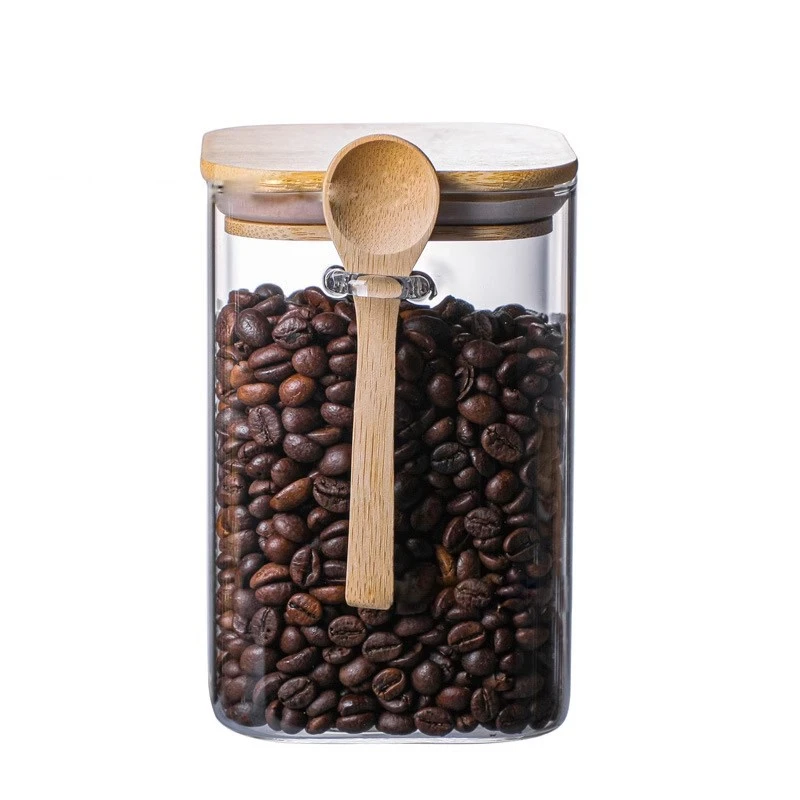
![[All Microwave Safe] High Borosilicate Glass Food Storage Container , Oven Safe without Lid, Dishwasher Safe](https://images.exportstart.com/images/a1251/squre-glass-container-with-glass-lid-518.webp "[All Microwave Safe] High Borosilicate Glass Food Storage Container , Oven Safe without Lid, Dishwasher Safe")
![[Sliding Vent PP Lid] Borosilicate Glass Food Storage Containers with Food-grade Plastic Lid, Airtight, Leak Resistant](https://images.exportstart.com/images/a1251/glass-food-storage-container-with-airtight-lid-183.webp "[Sliding Vent PP Lid] Borosilicate Glass Food Storage Containers with Food-grade Plastic Lid, Airtight, Leak Resistant")
![[Large Skylight Glass Lid] Glass Food Storage Container, Oven Safe with Lid, BPA Free, 100% Leak resistant](https://images.exportstart.com/images/a1251/glass-lid-food-storage-container-1-1-196.webp "[Large Skylight Glass Lid] Glass Food Storage Container, Oven Safe with Lid, BPA Free, 100% Leak resistant")
![[Colorful Vent PP Lid] Glass Food Storage Container, BPA Free, Leakproof, Dishwasher Safe](https://images.exportstart.com/images/a1251/002-1-639.webp "[Colorful Vent PP Lid] Glass Food Storage Container, BPA Free, Leakproof, Dishwasher Safe")
![[Color Vent PP Lid] Borosilicate Glass Food Storage Container, Leakproof, Dishwasher Safe](https://images.exportstart.com/images/a1251/1-941.webp "[Color Vent PP Lid] Borosilicate Glass Food Storage Container, Leakproof, Dishwasher Safe")
![[Vacuum AS] Food Storage Container with Pump](https://images.exportstart.com/images/a1251/7-1-397.webp "[Vacuum AS] Food Storage Container with Pump")