 TEL: +86 18903393212
 Email: tina@yintoglassware.com

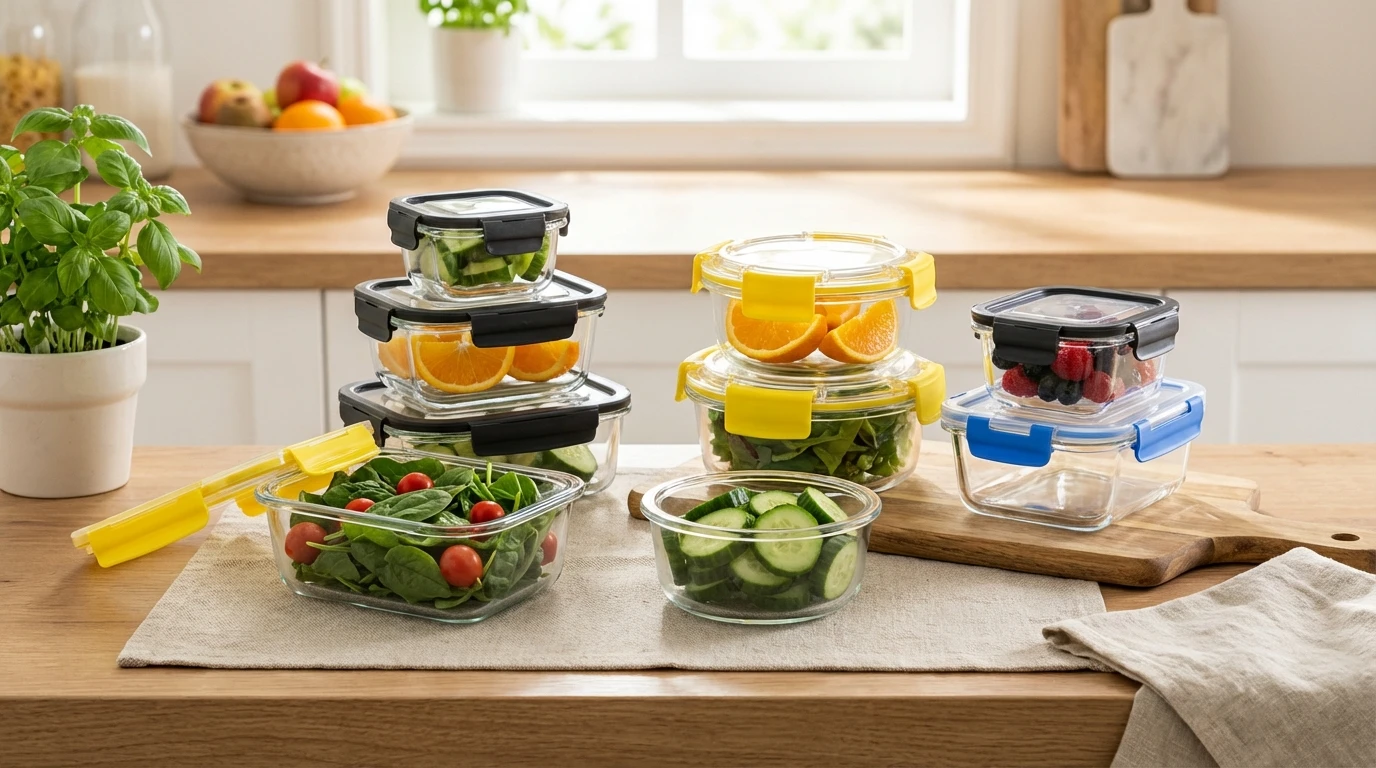
Durable Glass Kitchen Storage Containers for Safe Food Storage | Yinto Glassware
Glass Kitchen Storage Containers: Durable, Practical, and Timeless
Having spent quite a few years dealing with industrial equipment — particularly storage solutions — I can honestly say that glass kitchen storage containers hold a special spot in both professional and home kitchens. It’s sort of an old-school charm meeting modern-day reliability, you know?
When I first encountered these glass containers on the production floor, I wasn’t immediately won over. Most industrial settings favor rugged, impact-resistant plastics or metals. But over time, I noticed how glass containers do something plastics often can’t: maintain clarity, avoid staining, and sustain their integrity even under repeated heating and cooling cycles.
Oddly enough, these containers combine elegant design with serious function. The industry has shifted with increased awareness about sustainability and food safety, pushing glass to the forefront. Unlike plastics, which sometimes raise questions about chemical leaching, glass is inert. It doesn’t react with food, making it a top choice for safe storage.
On top of that, the airtight sealing mechanism on many models — yes, I’m looking at the silicon-lined lids — really helps preserve freshness and keeps pantry pests at bay. One supplier in particular, Yinto Glassware, really invests in the fine details here, ensuring their glass is tempered and their lids fit snugly.
From a design perspective, the thickness of the glass is crucial. Too thin, and it risks shattering; too thick, and it’s heavy and clunky. Most top manufacturers have standardized on borosilicate glass, known for its thermal shock resistance. I remember a customer telling me how after cycling containers between freezer and microwave dozens of times, theirs never showed signs of cracking — quite impressive, frankly.
Typical Product Specifications of Quality Glass Kitchen Storage Containers
| Feature | Detail |
|---|---|
| Material | Borosilicate glass (tempered) |
| Lid Type | Silicone-sealed airtight plastic or glass lids |
| Capacity Range | 250ml to 2 liters |
| Temperature Range | -20°C to 400°C (-4°F to 752°F) |
| Microwave & Oven Safe | Yes (with lid removed in oven) |
| Dishwasher Safe | Yes |
Comparing Top Glass Kitchen Storage Container Vendors
| Vendor | Glass Type | Seal Quality | Range of Sizes | Pricing (approx.) |
|---|---|---|---|---|
| Yinto Glassware | Borosilicate (tempered) | Excellent (silicone gasket, airtight) | 250ml - 2L | $$ (mid-range) |
| Glasslock | Tempered soda-lime glass | Very good (snap lids) | 300ml - 1.9L | $$$ (premium) |
| Anchor Hocking | Tempered soda-lime glass | Good (plastic lids, not always airtight) | 200ml - 1.8L | $ (budget) |
In real terms, if you’re looking at investing in solid, long-lasting kitchen storage, glass really is a brilliant choice. It’s reliable, safe, and frankly looks nice on the shelf — something I didn’t appreciate until I started seeing these containers through a professional’s eye. And that one time a catering client mentioned how switching to glass containers cut down on plastic waste significantly — well, that stuck with me.
And just a heads-up: while glass containers tend to be more fragile than plastic ones, the benefits often outweigh this. Plus, modern packaging and tempered glass tech mean breakage rates are lower than you might expect. Still, some care is necessary, but that applies to pretty much anything worth its salt.
So if you’re debating between plastic and glass, or if your team is considering upgrading storage equipment for quality and sustainability, I’d recommend checking out glass kitchen storage containers. There’s something oddly satisfying about a clean stack of crystal-clear glass containers waiting to organize your kitchen chaos.
And of course — as with all industrial equipment — sourcing from vendors who can guarantee quality and reliability is key. The specs and comparisons above should help a bit if you’re weighing your options. It feels like a small investment that delivers solid peace of mind in the long run.
Cheers to clear storage and fresher kitchens!
References:
1. Borosilicate Glass FAQs – Corning
2. Food Storage Safety & Materials – FDA.gov
3. Yinto Glassware Official Specifications, accessed 2024
-
Ultimate Guide to Choosing Big Glass Storage Containers for Every NeedNewsApr.16,2026
-
Small Glass Lunch Containers Guide for Healthy Meal PrepNewsApr.09,2026
-
Comprehensive Guide to Choosing the Best Storage Containers for Dishes and GlassesNewsApr.07,2026
-
Selecting The Optimal 300ml Food Containers For Your Business NeedsNewsApr.04,2026
-
Discover the Benefits of Durable 3 Cup Glass Food Storage ContainersNewsMar.31,2026
-
Comprehensive Guide to Choosing Superior Glass Divided Food ContainersNewsMar.28,2026
![[Extra Large with Handle] Oven Safe Glass Food Storage Container with Airtight Locking Lid & Handle, Oven Safe Dishwasher Safe](https://images.exportstart.com/images/a1251/extra-larger-glass-container-with-snap-locking-lid-164.webp "[Extra Large with Handle] Oven Safe Glass Food Storage Container with Airtight Locking Lid & Handle, Oven Safe Dishwasher Safe")
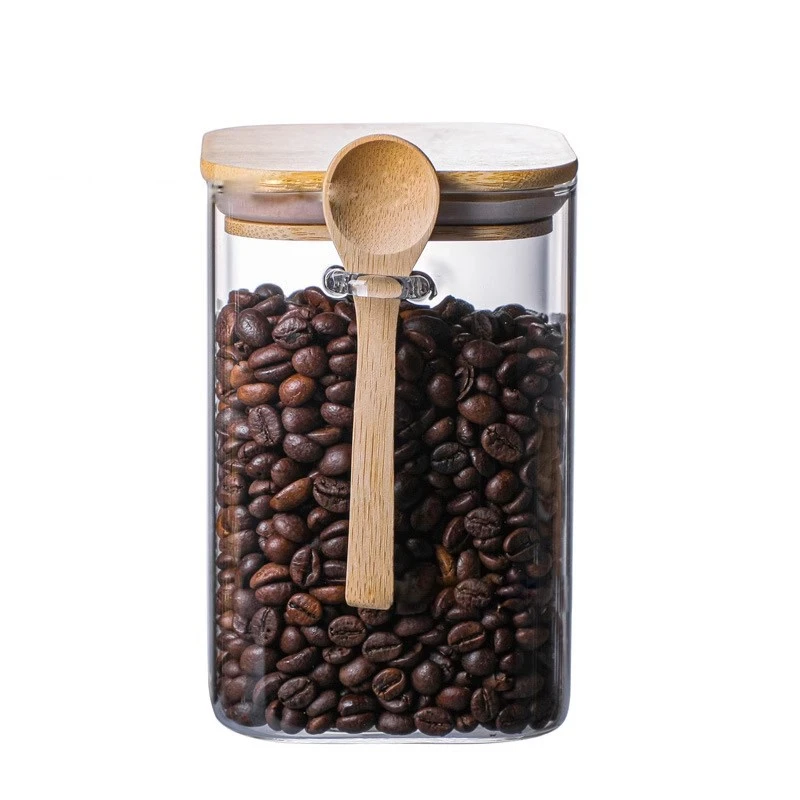
![[All Microwave Safe] High Borosilicate Glass Food Storage Container , Oven Safe without Lid, Dishwasher Safe](https://images.exportstart.com/images/a1251/squre-glass-container-with-glass-lid-518.webp "[All Microwave Safe] High Borosilicate Glass Food Storage Container , Oven Safe without Lid, Dishwasher Safe")
![[Sliding Vent PP Lid] Borosilicate Glass Food Storage Containers with Food-grade Plastic Lid, Airtight, Leak Resistant](https://images.exportstart.com/images/a1251/glass-food-storage-container-with-airtight-lid-183.webp "[Sliding Vent PP Lid] Borosilicate Glass Food Storage Containers with Food-grade Plastic Lid, Airtight, Leak Resistant")
![[Large Skylight Glass Lid] Glass Food Storage Container, Oven Safe with Lid, BPA Free, 100% Leak resistant](https://images.exportstart.com/images/a1251/glass-lid-food-storage-container-1-1-196.webp "[Large Skylight Glass Lid] Glass Food Storage Container, Oven Safe with Lid, BPA Free, 100% Leak resistant")
![[Colorful Vent PP Lid] Glass Food Storage Container, BPA Free, Leakproof, Dishwasher Safe](https://images.exportstart.com/images/a1251/002-1-639.webp "[Colorful Vent PP Lid] Glass Food Storage Container, BPA Free, Leakproof, Dishwasher Safe")
![[Color Vent PP Lid] Borosilicate Glass Food Storage Container, Leakproof, Dishwasher Safe](https://images.exportstart.com/images/a1251/1-941.webp "[Color Vent PP Lid] Borosilicate Glass Food Storage Container, Leakproof, Dishwasher Safe")
![[Vacuum AS] Food Storage Container with Pump](https://images.exportstart.com/images/a1251/7-1-397.webp "[Vacuum AS] Food Storage Container with Pump")