 TEL: +86 18903393212
 Email: tina@yintoglassware.com

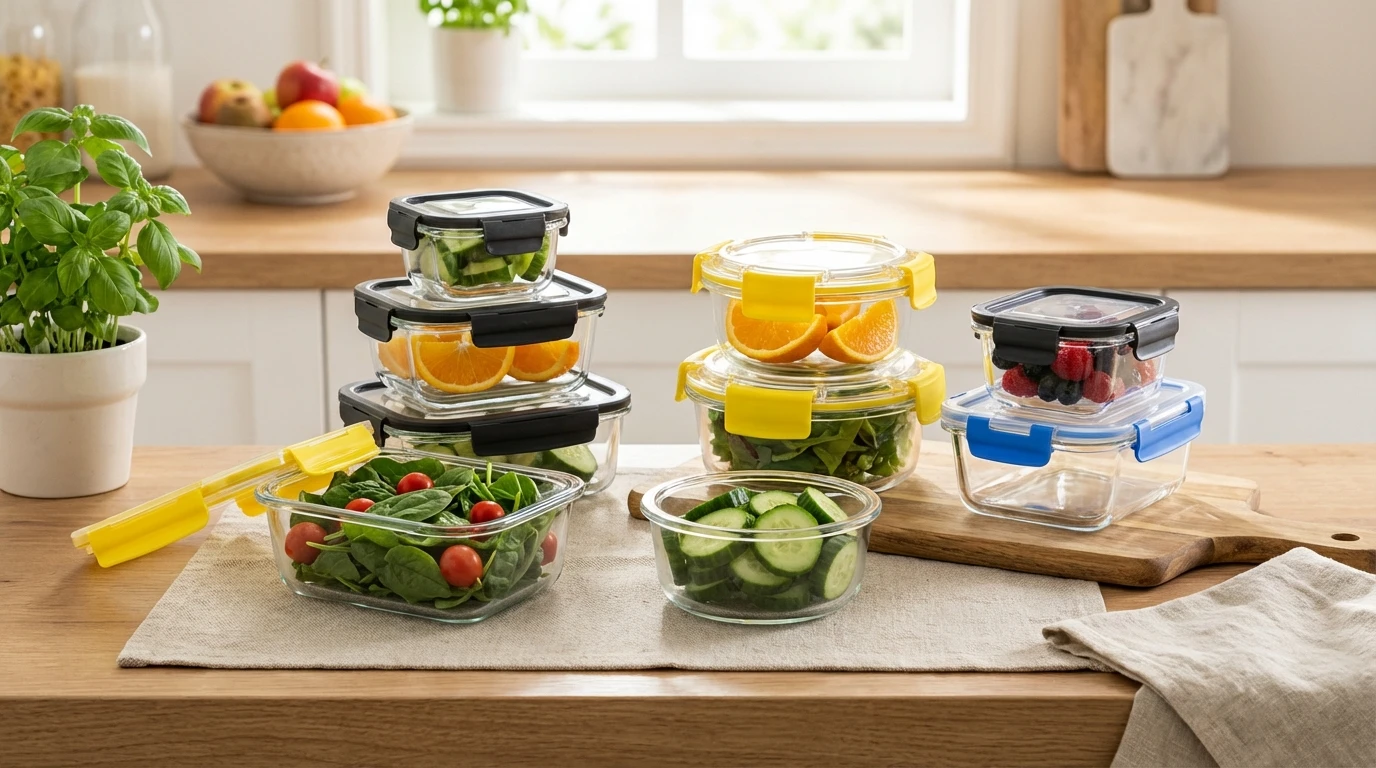
Durable & Eco-Friendly 1 Gallon Glass Water Bottle with Lid – Secure, Sustainable Storage
Understanding the 1 Gallon Glass Water Bottle with Lid: Why It Matters
At first glance, a 1 gallon glass water bottle with lid might just seem like another bulky container on the shelf. Yet, its significance stretches well beyond kitchen counters and gym bags. Globally, the push toward reducing single-use plastics, enhancing sustainable hydration solutions, and ensuring safe water storage has brought this humble container into the spotlight. Whether it’s about health-conscious consumers, industrial uses, or humanitarian aid, understanding the qualities and applications of these bottles reveals why they’re gaining traction worldwide.
Why care, in real terms? The UN estimates nearly 2.2 billion people lack access to safely managed drinking water (1). Packaging and transport solutions that safeguard water quality, reduce plastic waste, and support reusability have never been more critical. The 1 gallon glass water bottle with lid is a practical answer to many of these challenges, fitting industry standards, consumer desires, and sustainability goals.
Global Context: Sustainable Hydration on the Rise
Thanks to increased environmental awareness and fresh data from organizations like the World Bank, plastic pollution and safe water access have become urgent topics. Glass bottles—especially larger formats like this 1 gallon size—are celebrated for their reusability, inertness (meaning they don’t interact with contents), and recyclability. Recent ISO standards even support the use of glass for potable liquids due to its non-porous nature, which better preserves water purity (2).
Yet, there's a challenge here: transporting and handling large glass containers requires care and infrastructure. That’s why industry leaders, ranging from beverage brands to NGOs, are paying more attention to design improvements, including secure, leak-proof lids and reinforced glass manufacturing. This 1 gallon glass water bottle with lid addresses this very need by combining capacity with durability.
So, What Is a 1 Gallon Glass Water Bottle with Lid?
Simply put, it’s a container made primarily of glass capable of holding about 128 fluid ounces (roughly 3.78 liters) of liquid, sealed with a tight-fitting lid designed to prevent spills and contamination. Far from your everyday beverage bottle, this type is often used in contexts where water purity, volume, and environmental considerations intersect.
From an industry perspective, its glass composition ensures no chemical leaching, unlike many plastic alternatives. The secure lid, often silicone or BPA-free plastic, offers airtight closure, which helps prolong freshness and protects against microbes. This makes it ideal for sectors like water bottling, laboratories, and healthcare supplies, as well as household and emergency water storage.
Key Features That Make It Stand Out
1. Durability and Safety
Though glass can feel fragile, the versions used for these bottles are frequently tempered or thickened to withstand daily use and transport bumps. Many manufacturers apply additional coatings or opt for borosilicate glass, which is resistant to thermal shock and breakage.
2. Capacity and Practicality
One gallon is a sweet spot: large enough for meaningful hydration without being unwieldy. The bottle usually fits standard shelving and water dispensers designed for similar volumes, making it highly versatile.
3. Leak-Proof Sealing
Thanks to the well-designed lid—often screw cap with silicone seals—the risk of leaks is minimal. This feature is crucial when these bottles travel or store precious liquids.
4. Eco-Friendly Material
Glass is infinitely recyclable without quality loss, helping reduce landfill. Studies show glass containers can be recycled endlessly, in stark contrast to plastics that degrade after each cycle (3).
5. Chemical Inertness
No odd smells, taste transfers, or health risks from the container itself is a clear plus in beverage and medical sectors.
6. Aesthetic and Customization
Brands and consumers alike enjoy that glass can be elegantly embossed, tinted, or printed, turning utility into a brand statement or home décor object.
| Feature | Specification | Notes |
|---|---|---|
| Capacity | 128 fl oz / 3.78 L | Standard US gallon size |
| Material | Borosilicate or tempered glass | Thermal & impact resistance |
| Lid Type | Screw cap with silicone seal | Leak-proof and airtight |
| Dimensions | Approx. 11" height x 6" diameter | Fits standard water dispensers |
| Weight (empty) | ~2 to 3 lbs (900 to 1400 g) | Varies by manufacturer |
Where Do These Bottles Shine in the Real World?
Surprisingly varied! In disaster relief operations, these 1 gallon glass water bottles with lid securely store and transport purified water, often in environments that require zero contamination and high durability. Organizations like the Red Cross and Médecins Sans Frontières often prefer glass to avoid plastic contamination risks.
On the industrial side, laboratories and chemical plants choose these bottles for reagent or solvent storage because glass's resistance means no unwanted reactions. Meanwhile, eco-conscious consumers use them daily for home-filtered water, juice infusions, or kombucha brewing, appreciating the pure taste and easy cleanability.
In remote industrial zones—say, off-grid mining camps—storing safe drinking water in these bottles ensures workers stay hydrated without worrying about chemical leaching, especially where plastics degrade quickly in extreme temperatures.
Vendor Options: Comparing the Leaders
| Vendor | Material Quality | Lid Type | Custom Options | Price Range |
|---|---|---|---|---|
| Yinto Glassware | Premium Borosilicate | Screw cap with silicone seal | Logo printing, colors | $$$ |
| GlassCo Industries | Tempered Glass | Snap-top plastic lid | Basic engraving | $$ |
| EcoBottle Corp | Recycled Glass Blend | Bamboo lid with silicone seal | Color tints, custom lids | $$$ |
Why Choose a 1 Gallon Glass Water Bottle with Lid? The Advantages
There’s no doubting the emotional satisfaction of using a clean, elegant glass bottle. Customers say it feels pure, trustworthy even — something you can hand off to your children without a second thought. The logic behind it stacks up too:
- Cost efficiency: Despite initial higher costs, longevity and reusability reduce overall waste and replacements.
- Sustainability: Reduced plastic waste, lowered energy costs when recycling glass vs. new plastic production.
- Health benefits: No BPA or microplastics leaching into your water.
- Reliability: Resistant to stains, odors, and chemical degradation.
- Social impact: Many NGOs and environmentally aware groups endorse glass to promote dignity and safety.
Looking Ahead: Innovations in Glass Bottle Technology
Glass bottle design isn’t standing still. Innovations include antimicrobial silver coatings, digital QR labels for tracking water safety or recycling status, and lightweight borosilicate blends that make handling easier. Some companies are even exploring solar-powered sanitizing lids — a neat fusion of green tech and packaging.
Policy-wise, more governments encourage glass packaging under circular economy initiatives, increasing demand and accelerating R&D. The intersection between digital transformation and sustainable packaging is only just opening; exciting times ahead.
Challenges and How the Industry is Overcoming Them
Admittedly, glass is heavier and more fragile than plastic. Handling risks remain a concern, especially in logistics or rough environments. Pricing also tends to be higher, creating barriers for cost-sensitive markets. But clever packaging, shock-absorbing transport crates, and enhanced glass chemistry are mitigating these issues.
Plus, educating end users and distributors about handling, cleaning, and recyclability helps reduce breakage and waste. Sometimes it’s as much about habits as about materials.
Frequently Asked Questions About 1 Gallon Glass Water Bottle with Lid
- Q: Can I use hot liquids in a 1 gallon glass water bottle with lid?
- A: If the bottle is made of borosilicate glass, yes—it’s designed to withstand temperature changes safely. However, avoid sudden thermal shocks (like pouring boiling water into a cold bottle) to prevent breakage.
- Q: How do I clean and maintain the bottle?
- A: Glass bottles are easy to clean with warm soapy water or bottle brushes. The lids with silicone seals can be washed separately. Avoid harsh abrasives that might scratch the surface.
- Q: Are these bottles cost-effective compared to plastic?
- A: Initially more expensive, but they last much longer and don’t degrade chemically. Over time, you save money and help the environment.
- Q: Can I customize my 1 gallon glass water bottle with a company logo?
- A: Definitely. Many vendors offer printing, etching, and color tint options to fit branding needs.
- Q: Are glass water bottles safe for transporting water in remote or disaster areas?
- A: Absolutely. Glass purity means you won’t introduce contaminants, and with secure lids, leaks are rare, ensuring water safety and dignity in difficult conditions.
Final Thoughts: Why This Bottle Might Just Be Your Next Best Investment
To wrap it up, the 1 gallon glass water bottle with lid balances size, safety, and sustainability in a way few containers do. It's not just about holding water—it's about preserving quality, protecting health, and supporting a greener planet. Whether you’re an environmentalist, an industry buyer, or someone curious about smarter hydration, it’s worth paying attention to this simple, effective product.
Want to explore the best options and bring sustainability into your water storage game? Visit Yinto Glassware for a range of thoughtfully engineered bottles designed exactly for those needs.
References:
1. WHO - Drinking Water
2. ISO Standards on Packaging
3. Wikipedia - Glass recycling
-
Ultimate Guide to Choosing Big Glass Storage Containers for Every NeedNewsApr.16,2026
-
Small Glass Lunch Containers Guide for Healthy Meal PrepNewsApr.09,2026
-
Comprehensive Guide to Choosing the Best Storage Containers for Dishes and GlassesNewsApr.07,2026
-
Selecting The Optimal 300ml Food Containers For Your Business NeedsNewsApr.04,2026
-
Discover the Benefits of Durable 3 Cup Glass Food Storage ContainersNewsMar.31,2026
-
Comprehensive Guide to Choosing Superior Glass Divided Food ContainersNewsMar.28,2026
![[Extra Large with Handle] Oven Safe Glass Food Storage Container with Airtight Locking Lid & Handle, Oven Safe Dishwasher Safe](https://images.exportstart.com/images/a1251/extra-larger-glass-container-with-snap-locking-lid-164.webp "[Extra Large with Handle] Oven Safe Glass Food Storage Container with Airtight Locking Lid & Handle, Oven Safe Dishwasher Safe")
![[All Microwave Safe] High Borosilicate Glass Food Storage Container , Oven Safe without Lid, Dishwasher Safe](https://images.exportstart.com/images/a1251/squre-glass-container-with-glass-lid-518.webp "[All Microwave Safe] High Borosilicate Glass Food Storage Container , Oven Safe without Lid, Dishwasher Safe")
![[Sliding Vent PP Lid] Borosilicate Glass Food Storage Containers with Food-grade Plastic Lid, Airtight, Leak Resistant](https://images.exportstart.com/images/a1251/glass-food-storage-container-with-airtight-lid-183.webp "[Sliding Vent PP Lid] Borosilicate Glass Food Storage Containers with Food-grade Plastic Lid, Airtight, Leak Resistant")
![[Large Skylight Glass Lid] Glass Food Storage Container, Oven Safe with Lid, BPA Free, 100% Leak resistant](https://images.exportstart.com/images/a1251/glass-lid-food-storage-container-1-1-196.webp "[Large Skylight Glass Lid] Glass Food Storage Container, Oven Safe with Lid, BPA Free, 100% Leak resistant")
![[Colorful Vent PP Lid] Glass Food Storage Container, BPA Free, Leakproof, Dishwasher Safe](https://images.exportstart.com/images/a1251/002-1-639.webp "[Colorful Vent PP Lid] Glass Food Storage Container, BPA Free, Leakproof, Dishwasher Safe")
![[Color Vent PP Lid] Borosilicate Glass Food Storage Container, Leakproof, Dishwasher Safe](https://images.exportstart.com/images/a1251/1-941.webp "[Color Vent PP Lid] Borosilicate Glass Food Storage Container, Leakproof, Dishwasher Safe")
![[Vacuum AS] Food Storage Container with Pump](https://images.exportstart.com/images/a1251/7-1-397.webp "[Vacuum AS] Food Storage Container with Pump")