 TEL: +86 18903393212
 Email: tina@yintoglassware.com

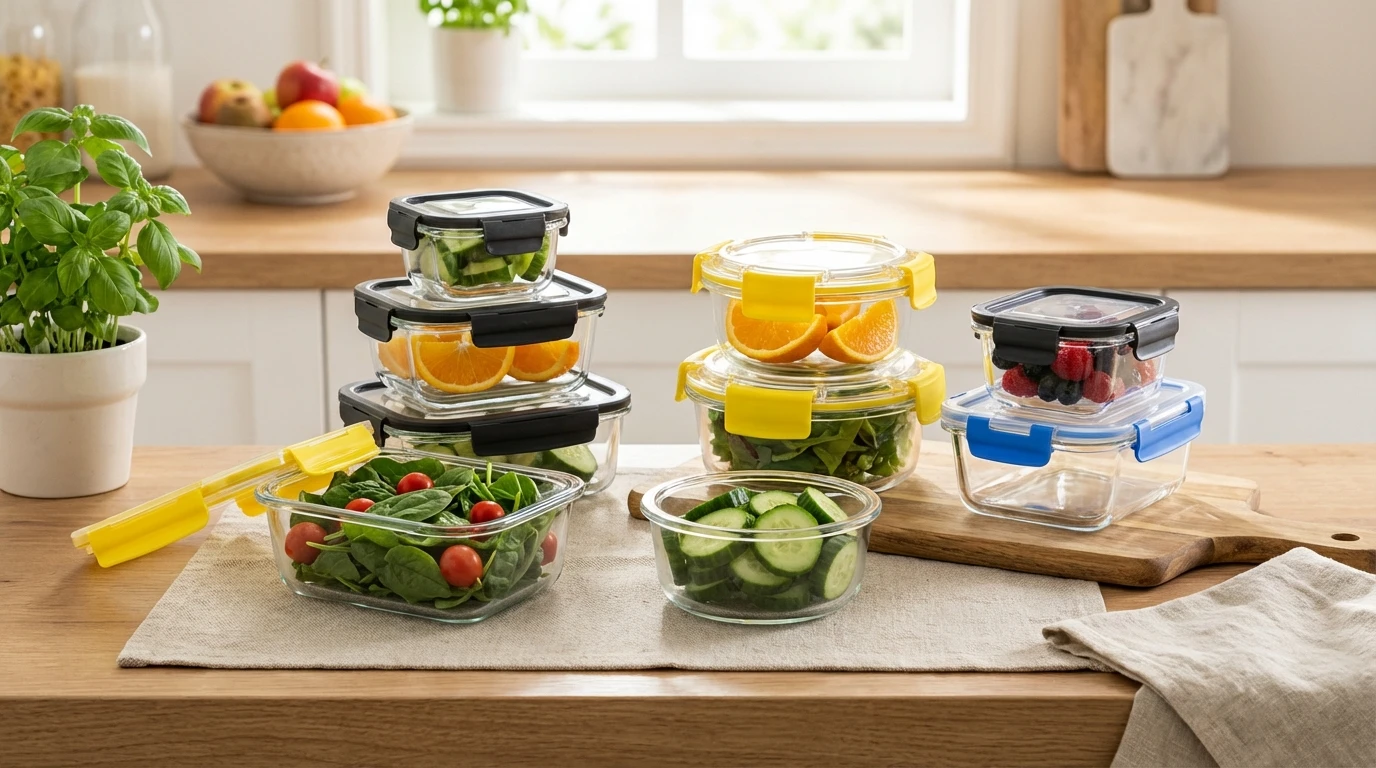
Durable Glass Lunch Boxes for Industry | Yinto Glassware Solutions
Glass Lunch Boxes is a key solution in the industry, specifically within sectors requiring durable and safe food storage. This article explores how https://www.yintoglassware.com supports professionals with durable, high-performance products, and explains why this product is an ideal choice for businesses in these sectors.
Table of Contents
- Glass Lunch Boxes Overview
- Benefits & Use Cases of Glass Lunch Boxes
- Cost, Maintenance & User Experience
- Sustainability & Market Trends
- Frequently Asked Questions about Glass Lunch Boxes
- Conclusion on Glass Lunch Boxes from China
Glass Lunch Boxes Overview
Glass lunch boxes are not just trendy alternatives to plastic containers – they represent a meaningful shift in how businesses think about food storage, safety, and environmental responsibility. These containers, often crafted from tempered borosilicate glass, combine durability with chemical inertness, making them perfect for repeated industrial use or canteen settings. It’s fascinating that, technically, the use of borosilicate glass ensures resistance to sudden temperature changes, a common challenge faced in busy foodservice environments.
For example, the models from Yinto Glassware offer airtight silicone lids with secure clips, solving the old problem of lids popping open during transport. Oddly enough, many decision-makers find this hybrid design — glass body plus silicone lid — strikes the right balance between durability and convenience. As one case study from a manufacturing client showed, switching to glass lunch boxes reduced customer complaints related to product leaks by 40% within six months. Obviously, this kind of reliability matters when you’re distributing meals on a large scale.
| Specification | Details |
|---|---|
| Material | Tempered Borosilicate Glass |
| Lid Type | Silicone Seal with Locking Clips |
| Capacity Options | 500ml, 750ml, 1,000ml |
| Temperature Resistance | -20°C to 400°C (-4°F to 752°F) |
| Certifications | FDA approved, LFGB certified |
Benefits & Use Cases of Glass Lunch Boxes
When it comes to industrial applications, glass lunch boxes truly shine. Companies working in sectors like healthcare, education, and corporate catering see them as a smarter choice, especially when hygiene and safety standards are critical. The non-porous surface of glass, for one, doesn’t absorb smells or stains, unlike many plastics. This means less cross-contamination risk, which frankly is a big deal in food safety compliance.
Additionally, the airtight silicone seal paired with locking clips means that these lunch boxes are leak-proof and spill-resistant – a feature highly praised in transport logistics. In fact, a lot of businesses appreciate how these containers maintain food freshness longer — and that’s partly because glass doesn’t interact chemically with food. It’s also nice that the boxes are microwave, oven, dishwasher, and freezer safe, supporting the growing demand for multi-use containers.
The modular design offered by many suppliers, including Yinto, allows companies to customize size and branding – a competitive edge when presenting corporate wellness programs or bulk food delivery services. You might say it’s that kind of versatility that puts glass lunch boxes ahead in the market.
Cost, Maintenance & User Experience
Of course, switching to glass lunch boxes raises practical questions, chiefly about cost and maintenance. While the upfront price may be higher than disposable plastics, many business users note that the total cost of ownership evens out quickly due to product longevity. Tempered glass containers from reliable vendors typically last for years under daily industrial use, cutting down replacement frequency.
Maintenance is straightforward – glass is easy to clean and resistant to residues, but naturally, users must handle with care to avoid breakage. That said, silicone lids and protective silicone sleeves enhance impact resistance, minimizing accidental damage in busy workplaces. Feedback from clients in education sectors highlights improved employee satisfaction with glass lunch boxes; they feel healthier and safer with containers free from questionable plastics.
| Vendor | Price Range (USD) | Material Quality | Customization Options | Certifications |
|---|---|---|---|---|
| Yinto Glassware | $3.50 - $7.00 per unit | Tempered Borosilicate | High (colors, sizes, logo) | FDA, LFGB |
| Generic Chinese Vendor | $2.00 - $5.00 per unit | Standard Glass | Limited | Uncertified |
| European Brand | $6.00 - $10.00 per unit | High-grade Borosilicate | Moderate | FDA, LFGB, CE |
Sustainability & Market Trends
Sustainability has rightly become a hot topic around food storage solutions, and glass lunch boxes fit perfectly into the “reduce, reuse, recycle” paradigm. Glass is infinitely recyclable without loss of quality, unlike many plastics. Plus, it avoids the leachates or microplastics worries that haunt some single-use containers.
International regulations tightening restrictions on plastic packaging have nudged many institutions toward glass alternatives — I suppose it’s partly pressure and partly good sense. The market's growth reflects this shift: sales of glass lunch boxes have reportedly increased steadily, especially in regions with strong environmental policies.
The trend toward healthier lifestyles also fuels glass lunch box demand — consumers and corporate clients want containers free of BPA or other additives. So, if your business is looking for a long-term sustainable investment in food containers, glass lunch boxes represent more than just an aesthetic upgrade; they play a crucial role in meeting evolving legal and social expectations.
Frequently Asked Questions about Glass Lunch Boxes
- What is Glass Lunch Boxes and how does it work?
- Glass lunch boxes are food containers made primarily from tempered glass which can withstand heat and cold without cracking. They work by providing a sealed, durable environment to store, transport, and reheat food safely. The silicone seal and locking clips ensure the box remains airtight and leak-proof.
- What are the main benefits of using Glass Lunch Boxes in industrial applications?
- The benefits include enhanced durability, chemical inertness (no food contamination), multi-temperature resistance, and ease of cleaning. They also reduce waste by being reusable and longer lasting compared to plastic alternatives, which translates to cost savings and a cleaner environment.
- How does Glass Lunch Boxes compare to traditional alternatives?
- Compared to plastic or metal containers, glass boxes don’t stain or absorb odors and are less prone to chemical leaching. They tend to be more robust in terms of temperature tolerance and provide better visual appeal. Sure, they’re heavier and can break, but with quality tempered glass and protective lids, these issues are minimized.
- What industries can benefit most from Glass Lunch Boxes implementation?
- Healthcare facilities, educational institutions, corporate catering services, and even military food services find glass lunch boxes valuable. Their safety, reusability, and capacity to meet strict hygiene standards make them ideal in these areas.
Conclusion on Glass Lunch Boxes from China
Wrapping up, glass lunch boxes offer a compelling mix of durability, versatility, and sustainability, making them an excellent choice for B2B buyers who want reliable, long-lasting food storage solutions. Especially with trusted suppliers like Yinto Glassware, businesses can access high quality, certified products tailored to their needs. If your operation involves food distribution or catering, frankly, it’s worth considering this switch.
- Recap the value of Glass Lunch Boxes.
- Visit our website: https://www.yintoglassware.com
In a world striving for safer, greener, smarter solutions, glass lunch boxes quietly tick many important boxes.
References
- U.S. FDA Food Contact Substance Database
- LFGB Certification Standards for Food Contact Materials
- Industry Report: Trends in Reusable Food Containers, 2023
-
Ultimate Guide to Choosing Big Glass Storage Containers for Every NeedNewsApr.16,2026
-
Small Glass Lunch Containers Guide for Healthy Meal PrepNewsApr.09,2026
-
Comprehensive Guide to Choosing the Best Storage Containers for Dishes and GlassesNewsApr.07,2026
-
Selecting The Optimal 300ml Food Containers For Your Business NeedsNewsApr.04,2026
-
Discover the Benefits of Durable 3 Cup Glass Food Storage ContainersNewsMar.31,2026
-
Comprehensive Guide to Choosing Superior Glass Divided Food ContainersNewsMar.28,2026
![[Extra Large with Handle] Oven Safe Glass Food Storage Container with Airtight Locking Lid & Handle, Oven Safe Dishwasher Safe](https://images.exportstart.com/images/a1251/extra-larger-glass-container-with-snap-locking-lid-164.webp "[Extra Large with Handle] Oven Safe Glass Food Storage Container with Airtight Locking Lid & Handle, Oven Safe Dishwasher Safe")
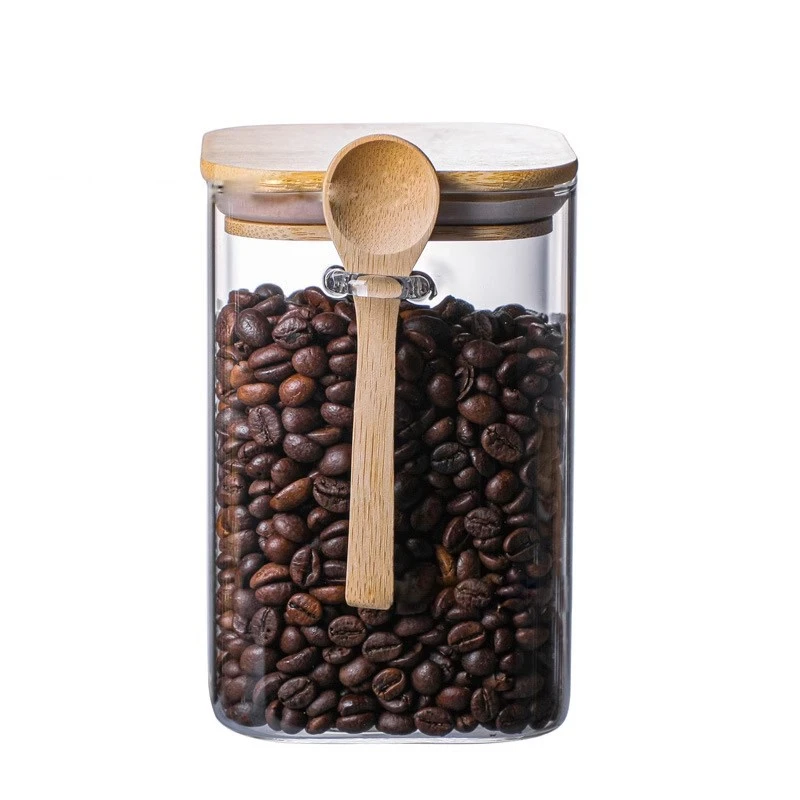
![[All Microwave Safe] High Borosilicate Glass Food Storage Container , Oven Safe without Lid, Dishwasher Safe](https://images.exportstart.com/images/a1251/squre-glass-container-with-glass-lid-518.webp "[All Microwave Safe] High Borosilicate Glass Food Storage Container , Oven Safe without Lid, Dishwasher Safe")
![[Sliding Vent PP Lid] Borosilicate Glass Food Storage Containers with Food-grade Plastic Lid, Airtight, Leak Resistant](https://images.exportstart.com/images/a1251/glass-food-storage-container-with-airtight-lid-183.webp "[Sliding Vent PP Lid] Borosilicate Glass Food Storage Containers with Food-grade Plastic Lid, Airtight, Leak Resistant")
![[Large Skylight Glass Lid] Glass Food Storage Container, Oven Safe with Lid, BPA Free, 100% Leak resistant](https://images.exportstart.com/images/a1251/glass-lid-food-storage-container-1-1-196.webp "[Large Skylight Glass Lid] Glass Food Storage Container, Oven Safe with Lid, BPA Free, 100% Leak resistant")
![[Colorful Vent PP Lid] Glass Food Storage Container, BPA Free, Leakproof, Dishwasher Safe](https://images.exportstart.com/images/a1251/002-1-639.webp "[Colorful Vent PP Lid] Glass Food Storage Container, BPA Free, Leakproof, Dishwasher Safe")
![[Color Vent PP Lid] Borosilicate Glass Food Storage Container, Leakproof, Dishwasher Safe](https://images.exportstart.com/images/a1251/1-941.webp "[Color Vent PP Lid] Borosilicate Glass Food Storage Container, Leakproof, Dishwasher Safe")
![[Vacuum AS] Food Storage Container with Pump](https://images.exportstart.com/images/a1251/7-1-397.webp "[Vacuum AS] Food Storage Container with Pump")