 TEL: +86 18903393212
 Email: tina@yintoglassware.com

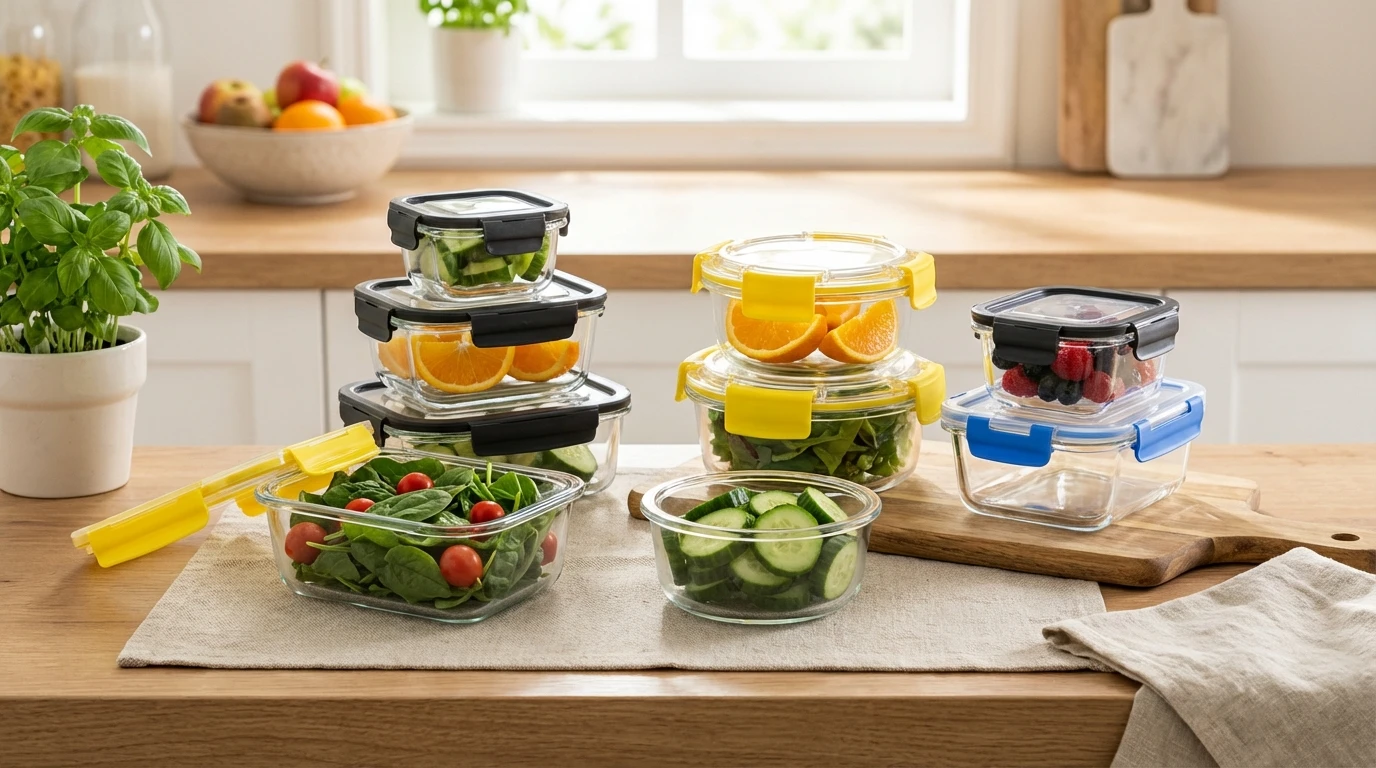
Glass Sandwich Container – Durable & Clear Industrial Storage Solution
Why a glass sandwich container is worth your industrial equipment attention
Having spent quite a few years amidst the hum and clatter of industrial plants — you know, the usual maze of pipes, crate stacks, and the occasional loud clang — I’ve come across many a container solution. But oddly enough, it’s the glass sandwich container that consistently piques my interest. Not just because it’s glass (which I’ll admit sounds fragile at first), but because it’s designed to give you a surprisingly robust, clear view of what’s inside, without the usual trade-offs.
What makes these containers stand out? Well, in real terms, it’s their “sandwich” design — essentially two thick, durable glass panes sealing a product-tight space in between. That design isn’t just aesthetic; it offers impressive chemical resistance, which is a massive deal if you’re handling corrosive or delicate materials. Plus, many engineers I’ve talked with highlight how this transparency pays dividends in easy visual inspection, cutting downtime for opening containers to check contents.
And don’t be fooled. Though glass sounds like a risky bet on an industrial floor, the manufacturing process these days ensures impressive durability and strict adherence to safety standards. Tempered or borosilicate glasses are often used, offering resistance to thermal shock and mechanical impacts.
| Feature | Specification |
|---|---|
| Material | Borosilicate Glass (Tempered optional) |
| Dimensions | Customizable, typically 200-500mm per side |
| Sealing | Silicone gasket or Viton rubber for chemical resistance |
| Temperature Range | -40°C to +250°C |
| Load Capacity | Up to 15kg sealed load |
| Certifications | ISO 9001, FDA compliant for food-grade use |
One thing I’ve noticed — and I’m sure many industrial operators share this sentiment — is that the hidden beauty of these containers lies in their adaptability. Need an ultra-clear view of your chemical samples? They’ve got you. Want to safely store food ingredients where contamination or odor leakage is a concern? Again, glass sandwich options fit well. The chemical inertness means no interaction, no unexpected reactions — the material is as honest as it gets.
Furthermore, customization is readily available. That’s a big plus because, frankly, no two industrial applications run precisely alike. From gasket materials to handle types, thickness, and size, you can tailor the container to match your needs — which, in my experience, is often missing with cheaper plastic or metal boxes.
| Vendor | Material Quality | Customization Options | Lead Time | Price Range |
|---|---|---|---|---|
| Yinto Glassware | High-grade borosilicate, FDA approved | Extensive, including gasket and dimension tweaks | 4-6 weeks | Mid-range |
| GlassCo Industrial | Standard tempered glass | Limited | 3-5 weeks | Lower budget |
| ClearPak Solutions | Borosilicate, not FDA certified | Moderate, mainly size options | 5-7 weeks | Higher-end |
From my field observations, it turns out that many customers coming from sectors like pharmaceuticals or specialized chemicals appreciate the clarity and inertness offered by glass sandwich containers. One client I worked with recently recounted how switching from traditional plastic containers cut down their contamination incidents noticeably — it felt like a small but meaningful leap in their process reliability.
Of course, it’s not all roses. Transportation needs some care — these containers should be well cushioned to prevent knocks. But once on-site, it feels like a straightforward, almost elegant solution that bridges the gap between visibility and durability, a rare find in industrial storage.
So, if you're in the market for a container that feels solid, dependable, and surprisingly versatile, the glass sandwich container is definitely worth a close look. It’s a little like discovering a workhorse that’s also quite the show pony...
References:
- ISO 9001 Standards on Glass Fabrication
- FDA Guidelines on Food-Grade Glass Containers
- Industrial Use Cases for Borosilicate Glass in Chemical Storage
-
Ultimate Guide to Choosing Big Glass Storage Containers for Every NeedNewsApr.16,2026
-
Small Glass Lunch Containers Guide for Healthy Meal PrepNewsApr.09,2026
-
Comprehensive Guide to Choosing the Best Storage Containers for Dishes and GlassesNewsApr.07,2026
-
Selecting The Optimal 300ml Food Containers For Your Business NeedsNewsApr.04,2026
-
Discover the Benefits of Durable 3 Cup Glass Food Storage ContainersNewsMar.31,2026
-
Comprehensive Guide to Choosing Superior Glass Divided Food ContainersNewsMar.28,2026
![[Extra Large with Handle] Oven Safe Glass Food Storage Container with Airtight Locking Lid & Handle, Oven Safe Dishwasher Safe](https://images.exportstart.com/images/a1251/extra-larger-glass-container-with-snap-locking-lid-164.webp "[Extra Large with Handle] Oven Safe Glass Food Storage Container with Airtight Locking Lid & Handle, Oven Safe Dishwasher Safe")
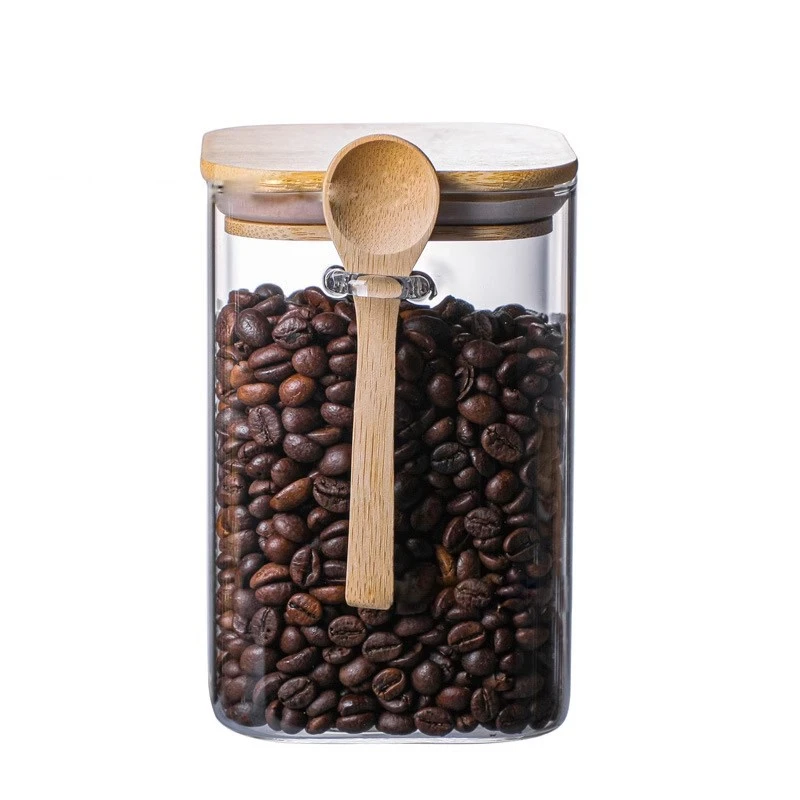
![[All Microwave Safe] High Borosilicate Glass Food Storage Container , Oven Safe without Lid, Dishwasher Safe](https://images.exportstart.com/images/a1251/squre-glass-container-with-glass-lid-518.webp "[All Microwave Safe] High Borosilicate Glass Food Storage Container , Oven Safe without Lid, Dishwasher Safe")
![[Sliding Vent PP Lid] Borosilicate Glass Food Storage Containers with Food-grade Plastic Lid, Airtight, Leak Resistant](https://images.exportstart.com/images/a1251/glass-food-storage-container-with-airtight-lid-183.webp "[Sliding Vent PP Lid] Borosilicate Glass Food Storage Containers with Food-grade Plastic Lid, Airtight, Leak Resistant")
![[Large Skylight Glass Lid] Glass Food Storage Container, Oven Safe with Lid, BPA Free, 100% Leak resistant](https://images.exportstart.com/images/a1251/glass-lid-food-storage-container-1-1-196.webp "[Large Skylight Glass Lid] Glass Food Storage Container, Oven Safe with Lid, BPA Free, 100% Leak resistant")
![[Colorful Vent PP Lid] Glass Food Storage Container, BPA Free, Leakproof, Dishwasher Safe](https://images.exportstart.com/images/a1251/002-1-639.webp "[Colorful Vent PP Lid] Glass Food Storage Container, BPA Free, Leakproof, Dishwasher Safe")
![[Color Vent PP Lid] Borosilicate Glass Food Storage Container, Leakproof, Dishwasher Safe](https://images.exportstart.com/images/a1251/1-941.webp "[Color Vent PP Lid] Borosilicate Glass Food Storage Container, Leakproof, Dishwasher Safe")
![[Vacuum AS] Food Storage Container with Pump](https://images.exportstart.com/images/a1251/7-1-397.webp "[Vacuum AS] Food Storage Container with Pump")