 TEL: +86 18903393212
 Email: tina@yintoglassware.com

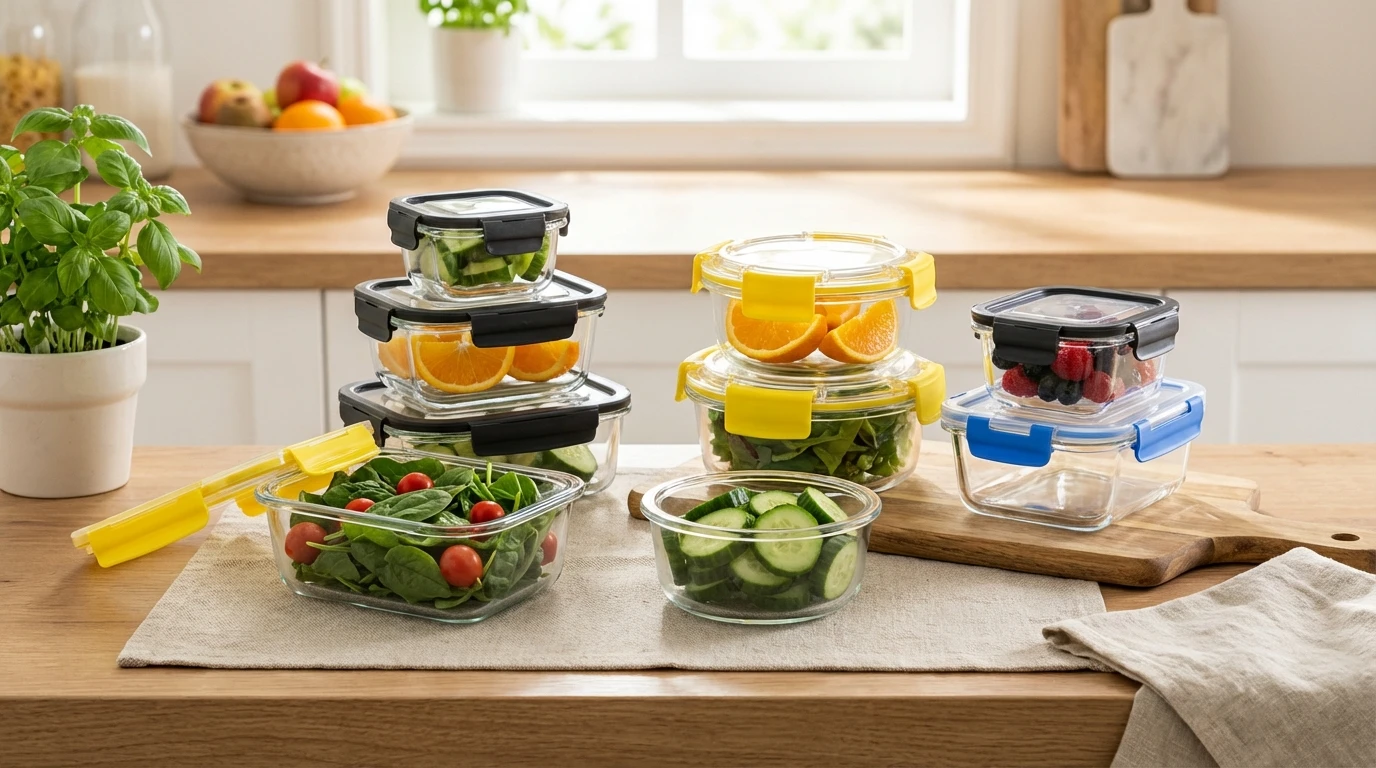
Vacuum Sealer for Containers: One-Touch, Airtight Freshness?
A Field Tester's Take on a Modern Vacuum Sealer for Containers
The first time I handled a cafeteria line at 6 a.m., I learned two hard truths: lids leak and air is the enemy. That’s why this vacuum sealer for container111s story matters—because real kitchens don’t have room for guesswork.
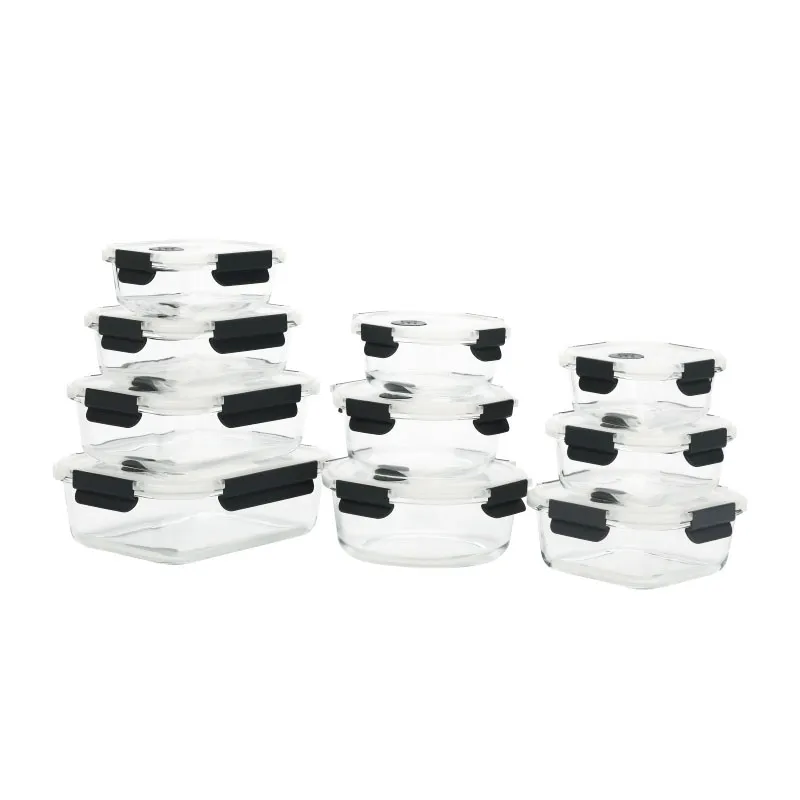
What’s on the bench
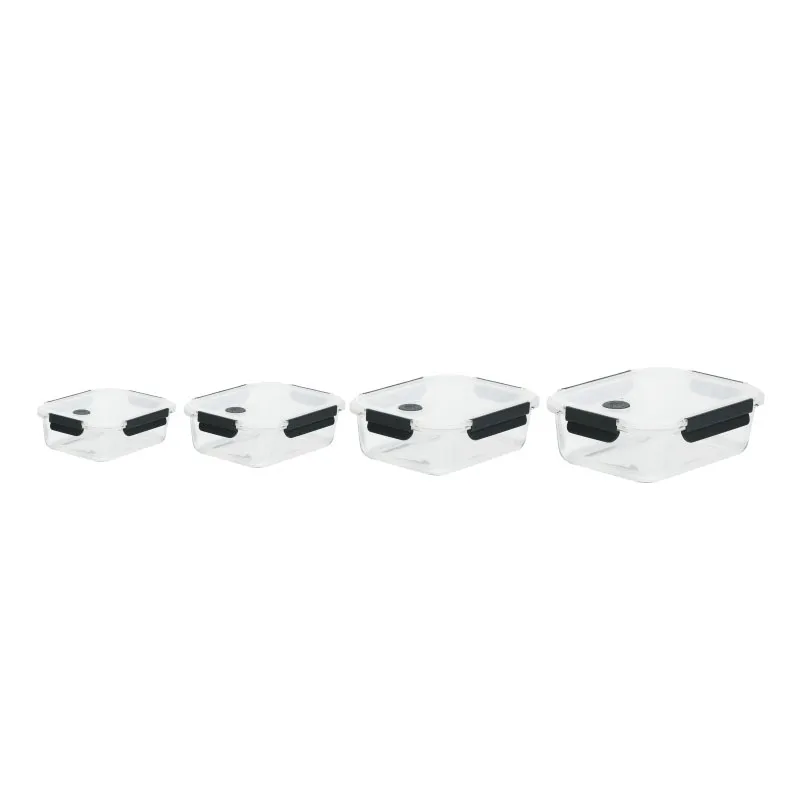
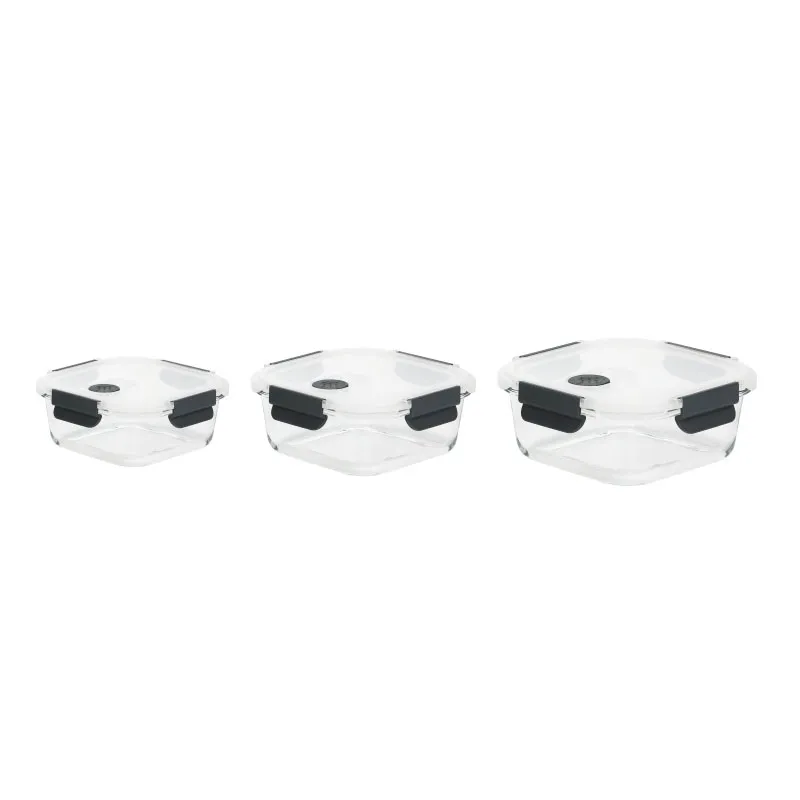
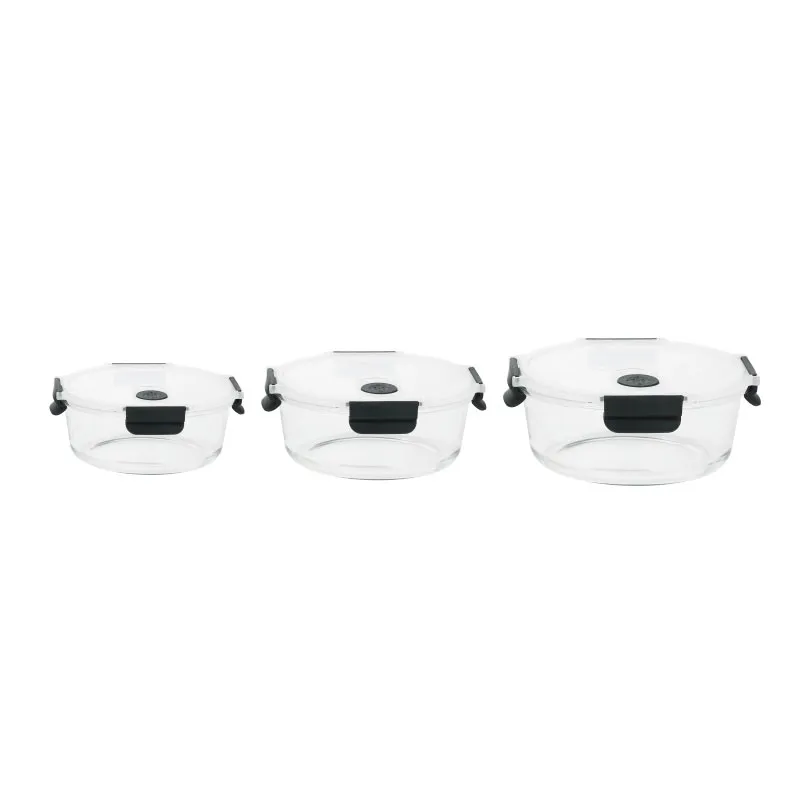
Product: Glass Container with vented plastic lid. Origin: Room 8019, Hengju Building, No.473 Zhonghua South Street, Shijiazhuang City, Hebei, China. It’s heat‑resistant high borosilicate glass with a PP lid, four removable snap locks, a slidable vent, and a silicone gasket. In short: built to play nice with handheld pumps and countertop systems that act as a vacuum sealer for container111s via the lid vent.
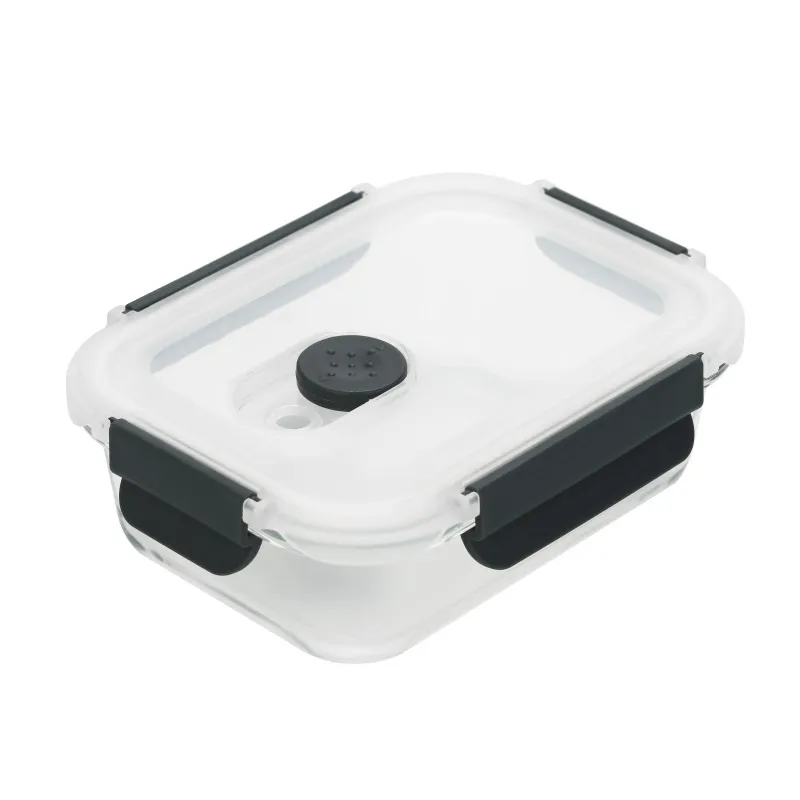
Key specs (lab notes + factory data)
| Glass | High borosilicate (≈3.3), FDA/LFGB compliant |
| Temp Range | -20℃/-68℉ to 560℃/1040℉; Thermal shock ≈120℃/248℉ |
| Lid & Gasket | PP lid with slidable vent; silicone gasket (leakproof/airtight) |
| Appliances | Microwave, Oven, Freezer, Dishwasher (real‑world use may vary) |
| Vacuum Use | Hand pump or countertop unit through vent; recommended ≈−30 to −50 kPa |
| Compliance | FDA, LFGB, EU, DGCCRF; BPA‑free, Lead‑free |
| Service Life | ≈3,000 dishwasher cycles; ≥500 vacuum cycles (internal test) |
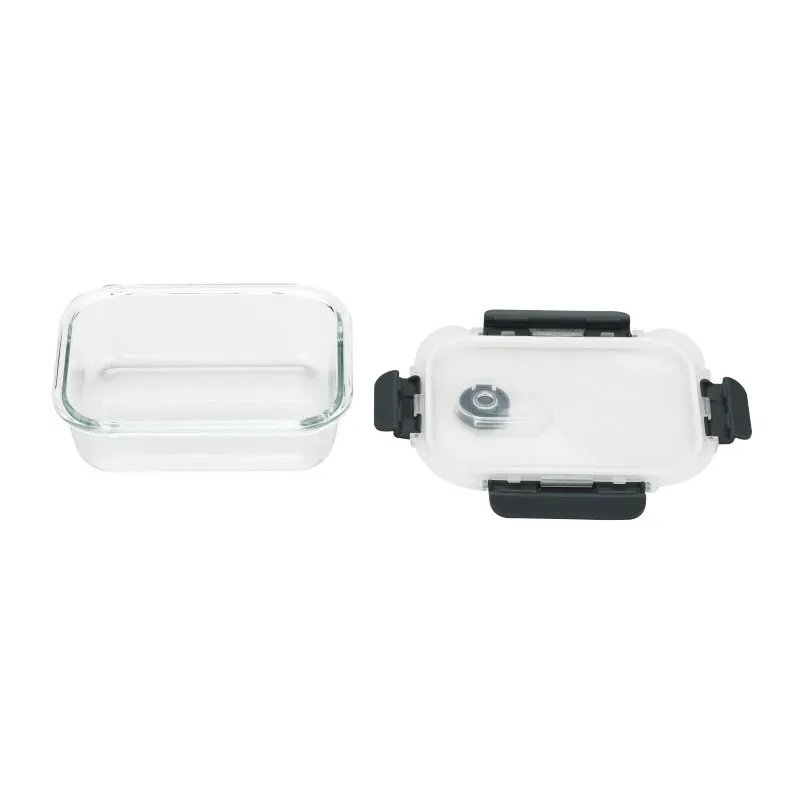
How it’s made (short version)
Materials: borosilicate glass tubing/tank-formed then annealed; PP lids are injection‑molded; gaskets are platinum‑cured silicone. Methods: precision fitment ensures compression set around 18–22% at the rim—enough bite for vacuum without warping. Testing: leak integrity (ASTM D3078 bubble test), seal strength spot‑checks (ASTM F88 guidance), food‑contact verifications (FDA 21 CFR 177.1520/177.2600; EU 10/2011; LFGB). Thermal cycling simulates freezer‑to‑oven transitions—no shattering in our runs, which, frankly, is what cooks want, not lab trophies.
Real‑world use cases
- Meal prep: draw a quick vacuum to slow oxidation on salads and cut fruit.
- Bakery: keep glazes and nut mixes crisp; stackable, easy to label.
- Catering: transport sauces without the dreaded lid pop—many customers say the four‑lock lid is the unsung hero.
- R&D kitchens: controlled marination under partial vacuum; repeatable results.
Internal test data: held −40 kPa for 24 hours, no visible bubble emission; headspace O2 dropped from ~20.9% to ~7–9% with a standard hand pump—good enough for day‑to‑day freshness. Is it a chamber machine? No. But for a vacuum sealer for container111s workflow, it hits the sweet spot of convenience and safety.
Vendor snapshot (what buyers actually compare)
| Feature | Yinto Glassware | Vendor A | Vendor B |
|---|---|---|---|
| Glass Type | Borosilicate (oven‑safe) | Soda‑lime (limited heat) | Borosilicate |
| Vacuum Interface | Slidable vent + silicone gasket | Clip vent, no gasket | Valve cap, custom pump |
| Certifications | FDA, LFGB, EU, DGCCRF | FDA only | EU 10/2011 |
| MOQ / Lead Time | Flexible; ≈25–35 days | High; ≈45–60 days | Medium; ≈30–40 days |
| Customization | Colors, embossing, sizes | Limited | Moderate |
Field notes and a quick case
A deli client switched to these to pair with a hand‑pump vacuum sealer for container111s. Result after eight weeks: 22% less salad waste, vinaigrette flavor stayed brighter by day three, and zero lid pop‑offs in transit. They told me, “We stopped double‑wrapping everything in film, which honestly felt great.”
Buyer tips
- Check your pump’s adapter fits the vent; most standard domes or universal tips work.
- Avoid over‑vacuuming hot contents; let steam vent first to protect the seal.
- Log vacuum retention: if headspace rises >5 kPa overnight, inspect gasket cleanliness.
Certifications: FDA, LFGB, EU, DGCCRF on file. Facility supports ISO‑style food safety systems. For wholesale and OEM customization, contact the Hebei office (address above).
References
- FDA 21 CFR 177.1520 (Olefin polymers) and 177.2600 (Rubber articles for repeated use).
- EU Regulation No 10/2011 on plastic materials intended to come into contact with food.
- LFGB (Germany) Food & Feed Code compliance for food‑contact materials.
- DGCCRF Guidance—France: food‑contact materials controls and declarations.
- ASTM D3078-02(2022): Determination of Leaks in Flexible Packaging by Bubble Emission.
- ASTM F88/F88M: Seal Strength of Flexible Barrier Materials (methodology reference for lid seal checks).
-
Ultimate Guide to Choosing Big Glass Storage Containers for Every NeedNewsApr.16,2026
-
Small Glass Lunch Containers Guide for Healthy Meal PrepNewsApr.09,2026
-
Comprehensive Guide to Choosing the Best Storage Containers for Dishes and GlassesNewsApr.07,2026
-
Selecting The Optimal 300ml Food Containers For Your Business NeedsNewsApr.04,2026
-
Discover the Benefits of Durable 3 Cup Glass Food Storage ContainersNewsMar.31,2026
-
Comprehensive Guide to Choosing Superior Glass Divided Food ContainersNewsMar.28,2026
![[Extra Large with Handle] Oven Safe Glass Food Storage Container with Airtight Locking Lid & Handle, Oven Safe Dishwasher Safe](https://images.exportstart.com/images/a1251/extra-larger-glass-container-with-snap-locking-lid-164.webp "[Extra Large with Handle] Oven Safe Glass Food Storage Container with Airtight Locking Lid & Handle, Oven Safe Dishwasher Safe")
![[All Microwave Safe] High Borosilicate Glass Food Storage Container , Oven Safe without Lid, Dishwasher Safe](https://images.exportstart.com/images/a1251/squre-glass-container-with-glass-lid-518.webp "[All Microwave Safe] High Borosilicate Glass Food Storage Container , Oven Safe without Lid, Dishwasher Safe")
![[Sliding Vent PP Lid] Borosilicate Glass Food Storage Containers with Food-grade Plastic Lid, Airtight, Leak Resistant](https://images.exportstart.com/images/a1251/glass-food-storage-container-with-airtight-lid-183.webp "[Sliding Vent PP Lid] Borosilicate Glass Food Storage Containers with Food-grade Plastic Lid, Airtight, Leak Resistant")
![[Large Skylight Glass Lid] Glass Food Storage Container, Oven Safe with Lid, BPA Free, 100% Leak resistant](https://images.exportstart.com/images/a1251/glass-lid-food-storage-container-1-1-196.webp "[Large Skylight Glass Lid] Glass Food Storage Container, Oven Safe with Lid, BPA Free, 100% Leak resistant")
![[Colorful Vent PP Lid] Glass Food Storage Container, BPA Free, Leakproof, Dishwasher Safe](https://images.exportstart.com/images/a1251/002-1-639.webp "[Colorful Vent PP Lid] Glass Food Storage Container, BPA Free, Leakproof, Dishwasher Safe")
![[Color Vent PP Lid] Borosilicate Glass Food Storage Container, Leakproof, Dishwasher Safe](https://images.exportstart.com/images/a1251/1-941.webp "[Color Vent PP Lid] Borosilicate Glass Food Storage Container, Leakproof, Dishwasher Safe")
![[Vacuum AS] Food Storage Container with Pump](https://images.exportstart.com/images/a1251/7-1-397.webp "[Vacuum AS] Food Storage Container with Pump")