 TEL: +86 18903393212
 Email: tina@yintoglassware.com

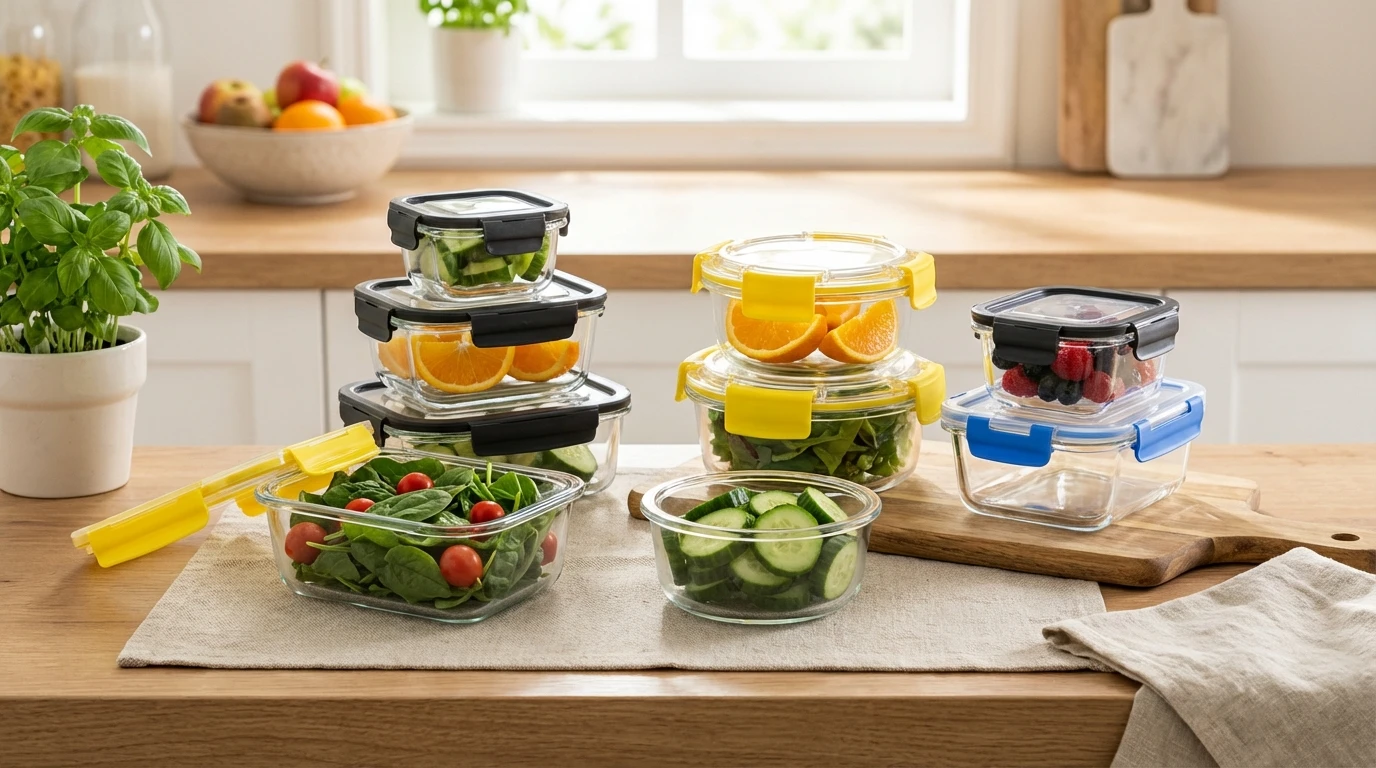
Discover the Benefits of a 22 oz Glass Water Bottle – Durable, Sustainable, and Stylish
Why the 22 oz Glass Water Bottle is Gaining Global Attention
In an age where plastic pollution is choking our planet and consumers are increasingly passionate about sustainability, the humble 22 oz glass water bottle has quietly emerged as a practical hero. Not just a niche eco-friendly item, this bottle size strikes a balance between portability and capacity, meeting the daily hydration needs of millions worldwide while cutting down single-use plastic waste.
Understanding this product matters beyond just “better bottles.” It reflects shifts in manufacturing, international health initiatives, and changing consumer habits that ripple across continents. Let’s unpack why the 22 oz glass water bottle is quickly becoming a pivotal player in both eco-conscious lifestyles and humanitarian contexts.
Global Context: The Rising Need for Sustainable Hydration Solutions
Worldwide, approximately 300 million tons of plastic are produced annually, and a large portion of that consists of single-use plastics like bottled water containers (UN Environment Programme, 2021). The World Bank estimates that plastic waste mismanagement impacts over a billion people in low-income countries, aggravating health and environmental problems.
The 22 oz (about 650 mL) glass water bottle addresses this challenge by offering a reusable, fully recyclable option that’s easier to handle than larger bottles but sustains hydration longer than small ones. Over the last decade, rising urbanization and outdoor lifestyles have created a market where drinkware must be durable, portable, and safe — qualities the glass bottle checks well.
Yet, challenges remain: glass is fragile; it’s heavier than plastic — yet these are being mitigated with innovative designs and manufacturing techniques.
Mini Takeaway:
- The 22 oz glass water bottle offers a sweet spot between size and functionality tailored for modern hydration needs.
- Global pollution stats and urban trends make sustainable drinkware an urgent necessity.
What Exactly Is a 22 oz Glass Water Bottle?
Simply put, a 22 oz glass water bottle is a reusable container made primarily of glass designed to hold approximately 650 milliliters of liquid. Unlike disposable plastic bottles, these are intended for multiple cycles of use, often accompanied by features that improve durability, portability, and safety.
While glass has been a traditional container material for centuries, its marriage with modern industry is fascinating. Today’s glass bottles are often crafted with borosilicate or tempered glass, making them resistant to thermal shock and breakage compared to old-school glassware. They may also sport silicone sleeves or stainless steel caps for enhanced functionality and grip.
From a humanitarian lens, clean water storage in glass means fewer health hazards associated with plastic leachates and contaminants — especially in disaster relief or remote medical facilities.
Mini Takeaway:
- 22 oz glass water bottles combine traditional materials with modern engineering to meet everyday and critical needs.
- They're safer and designed for long-term reuse, fitting sustainability and health goals simultaneously.
Key Components of a Quality 22 oz Glass Water Bottle
1. Durability
Glass bottles need to withstand daily knocks, drops, and temperature fluctuations. The use of borosilicate glass or tempered variants offers resilience, while silicone sleeves absorb impact. Durability ensures longer product life and less frequent replacements, crucial for cost and environmental footprint.
2. Safety and Non-Toxicity
Glass is naturally BPA- and phthalate-free, making it a superior choice for safe hydration. The inert nature of glass means it doesn’t absorb or leach chemicals, preserving water purity over long periods.
3. Portability
The 22 oz volume is roughly perfect for commuters, athletes, or travelers who need a moderate amount of water without the bulk. Lightweight designs, slim profiles, and leak-proof lids help fit this bottle into backpacks and cup holders easily.
4. Sustainability
Glass can be recycled endlessly without quality loss. Moreover, reusable glass bottles reduce reliance on single-use plastic bottles, aligning with circular economy principles that reduce waste and pollution globally.
5. Aesthetic and Customization
From minimalistic clear glass to colorful frosted finishes, these bottles offer branding and personalization options. That matters to retailers and organizations promoting sustainable practices through giveaways or campaigns.
| Specification | Details |
|---|---|
| Capacity | 22 oz (650 ml) |
| Material | Borosilicate or tempered glass |
| Weight | Approx. 350-450 grams (varies by design) |
| Lid Types | Stainless steel, bamboo, or plastic (BPA-free) with silicone seals |
| Dimensions | Approx. 8 inches tall, 2.5 inches diameter |
| Features | Silicone protective sleeve, dishwasher safe, BPA-free |
Mini Takeaway:
- Balancing durability, safety, portability, and eco-friendliness is key to these bottles’ success.
- Designs continue evolving, marrying function with style and sustainability.
Worldwide Use Cases: Where 22 oz Glass Water Bottles Shine
The beauty of 22 oz glass water bottles is their adaptability. In North America and Europe, they’re trending as lifestyle accessories for wellness-focused consumers, office workers, hikers, and students.
In Asia and Africa, NGOs and disaster relief organizations often distribute these bottles during clean water initiatives, especially after natural catastrophes like floods or droughts where plastic waste management is difficult or nonexistent.
Industrial sectors in remote locations — mining camps, construction sites — use them because they tolerate sterilization processes and harsh environments without seepage or contamination.
- Post-disaster relief: Bottles can be filled with treated water and handed out repeatedly.
- Outdoor events and sports: Provide a safe, reusable hydration solution replacing single-use containers.
- Corporate gifting: Companies promoting sustainability often use these bottles for employee wellness programs.
Mini Takeaway:
- From personal use to humanitarian aid, the 22 oz glass water bottle fills many important niches.
- Its design and material meet diverse logistical and environmental challenges globally.
The Long-Term Advantages of Choosing Glass
Most notable is the sustainability factor. Glass's endless recyclability reduces reliance on fossil-fuel-based plastics, cutting carbon footprints. Plus, users often report a fresher taste compared to plastic bottles, enhancing daily water intake — a small but powerful health benefit.
Emotionally, it’s a vote of confidence in a product that blends tradition with innovation. Glass bottles occupy a special place as objects that carry stories — from gym sessions to travel memories — and symbolize a commitment to a cleaner planet.
Practically speaking, the cost might be higher upfront than disposable bottles, but the durability and reusability make it economical over time. They also cut plastic waste management needs, saving municipalities and industries money in the long haul.
Looking Ahead: Innovations and Trends
Expect tighter glass composites, lighter-weight models, and smarter bottle caps integrated with IoT sensors monitoring water intake and reminding hydration with smartphone apps. Environmentally, some brands are experimenting with bio-based silicone sleeves and 100% renewable packaging.
Regulations around single-use plastics — like the EU’s SUP Directive — will only increase demand for glass bottles. Plus, as reusable drinkware becomes mainstream, customizing bottles for mass events or workplaces will surge.
Common Challenges and Expert Solutions
Fragility still looms as the biggest issue. However, combining glass with silicone or silicone-coated cases significantly mitigates breakage risk. Another complaint is weight: attempts to reduce this without sacrificing durability have led to ultra-thin borosilicate glass, which feels surprisingly sturdy.
Price can be a barrier in developing markets. Some manufacturers address this with economy lines, simplified designs, or partnering with NGOs for subsidized distribution.
FAQ: Your Common Questions on 22 oz Glass Water Bottles
Q: How durable is a 22 oz glass water bottle compared to plastic?
A: While glass is inherently more fragile than plastic, advancements like tempered borosilicate glass and silicone sleeves greatly enhance durability. Proper handling and protective accessories can make these bottles last years, often outperforming cheaper plastic alternatives that degrade or crack over time.
Q: Are 22 oz glass water bottles safe for hot liquids?
A: Most high-quality glass bottles made from borosilicate glass can safely hold hot beverages without cracking, though it's best to consult the manufacturer guidelines. Silicone sleeves provide insulation, but handle with care to avoid burns.
Q: Can these glass bottles be recycled easily?
A: Yes — glass is one of the most recyclable materials and can be reprocessed indefinitely without quality loss. However, bottle caps and silicone sleeves should be removed before recycling, as they require separate waste streams.
Q: How heavy is a typical 22 oz glass water bottle?
A: Weight varies by design but is typically between 350-450 grams. Though heavier than plastic, it remains portable enough for daily carry and travel.
Q: Where can I buy quality 22 oz glass water bottles?
A: Numerous vendors offer them, including specialized eco-friendly brands and manufacturers catering to corporate or NGO clients. Visit 22 oz glass water bottle for trusted suppliers and options tailored to your needs.
Comparing Top Vendors in the 22 oz Glass Water Bottle Market
| Vendor | Material & Features | Price Range | Customer Focus |
|---|---|---|---|
| Yinto Glassware | Borosilicate glass, silicone sleeve, stainless steel cap, BPA-free | $15–$25 | Eco-conscious consumers, corporate gifting |
| GlassGenius | Tempered glass, bamboo lid, dishwasher safe | $18–$28 | Outdoor enthusiasts, sporty designs |
| PureSip | Recycled glass, minimalistic design without sleeves | $12–$20 | Budget-conscious buyers, sustainable focus |
Final Thoughts: Why the 22 oz Glass Water Bottle is a Smart Choice
In real terms, choosing a 22 oz glass water bottle is more than a style or convenience decision — it’s an investment in sustainability, health, and global environmental progress. Its size fits the modern pace of life, enabling hydration that’s safe, accessible, and planet-friendly.
So whether you're a committed eco-warrior, an NGO procuring supplies for remote relief efforts, or simply someone who prefers taste and safety over plastic, this bottle offers a reliable solution. Go ahead, sip sustainably and enjoy every drop.
Explore more options and learn about the latest innovations by visiting 22 oz glass water bottle today.
References
-
Ultimate Guide to Choosing Big Glass Storage Containers for Every NeedNewsApr.16,2026
-
Small Glass Lunch Containers Guide for Healthy Meal PrepNewsApr.09,2026
-
Comprehensive Guide to Choosing the Best Storage Containers for Dishes and GlassesNewsApr.07,2026
-
Selecting The Optimal 300ml Food Containers For Your Business NeedsNewsApr.04,2026
-
Discover the Benefits of Durable 3 Cup Glass Food Storage ContainersNewsMar.31,2026
-
Comprehensive Guide to Choosing Superior Glass Divided Food ContainersNewsMar.28,2026
![[Extra Large with Handle] Oven Safe Glass Food Storage Container with Airtight Locking Lid & Handle, Oven Safe Dishwasher Safe](https://images.exportstart.com/images/a1251/extra-larger-glass-container-with-snap-locking-lid-164.webp "[Extra Large with Handle] Oven Safe Glass Food Storage Container with Airtight Locking Lid & Handle, Oven Safe Dishwasher Safe")
![[All Microwave Safe] High Borosilicate Glass Food Storage Container , Oven Safe without Lid, Dishwasher Safe](https://images.exportstart.com/images/a1251/squre-glass-container-with-glass-lid-518.webp "[All Microwave Safe] High Borosilicate Glass Food Storage Container , Oven Safe without Lid, Dishwasher Safe")
![[Sliding Vent PP Lid] Borosilicate Glass Food Storage Containers with Food-grade Plastic Lid, Airtight, Leak Resistant](https://images.exportstart.com/images/a1251/glass-food-storage-container-with-airtight-lid-183.webp "[Sliding Vent PP Lid] Borosilicate Glass Food Storage Containers with Food-grade Plastic Lid, Airtight, Leak Resistant")
![[Large Skylight Glass Lid] Glass Food Storage Container, Oven Safe with Lid, BPA Free, 100% Leak resistant](https://images.exportstart.com/images/a1251/glass-lid-food-storage-container-1-1-196.webp "[Large Skylight Glass Lid] Glass Food Storage Container, Oven Safe with Lid, BPA Free, 100% Leak resistant")
![[Colorful Vent PP Lid] Glass Food Storage Container, BPA Free, Leakproof, Dishwasher Safe](https://images.exportstart.com/images/a1251/002-1-639.webp "[Colorful Vent PP Lid] Glass Food Storage Container, BPA Free, Leakproof, Dishwasher Safe")
![[Color Vent PP Lid] Borosilicate Glass Food Storage Container, Leakproof, Dishwasher Safe](https://images.exportstart.com/images/a1251/1-941.webp "[Color Vent PP Lid] Borosilicate Glass Food Storage Container, Leakproof, Dishwasher Safe")
![[Vacuum AS] Food Storage Container with Pump](https://images.exportstart.com/images/a1251/7-1-397.webp "[Vacuum AS] Food Storage Container with Pump")