 TEL: +86 18903393212
 Email: tina@yintoglassware.com

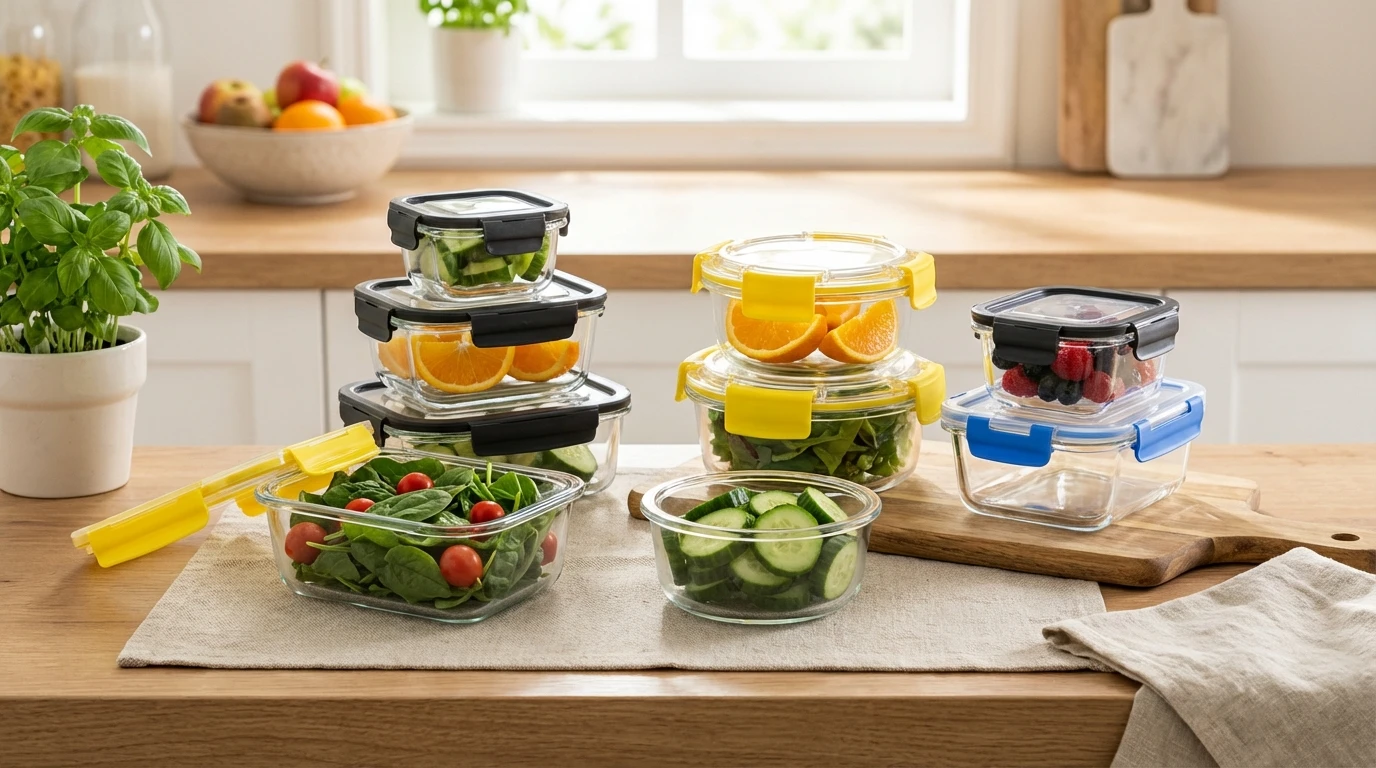
Discover the Benefits of Glass Bamboo Bottles – Sustainable, Stylish & Durable Packaging
Understanding the Glass Bamboo Bottle: A Sustainable Shift in Packaging
At first glance, a glass bamboo bottle might just seem like a clever combo of nature and industry. But its significance goes deeper—globally, as the world pushes toward sustainable packaging to curb plastic waste, innovations like this one have started to matter a lot. These bottles blend ecological sensitivity with practicality, offering a compelling alternative that many industries and consumers are warming up to.
Why is it important? Well, the UN estimates that over 300 million tons of plastic waste are produced yearly—and a huge chunk ends up polluting oceans, harming wildlife, and complicating recycling efforts. Glass bamboo bottles stand out by integrating natural, renewable materials with durable glass, reducing reliance on single-use plastics. Learning about them can teach us not just about packaging trends but also how mindful design can shift entire markets.
Mini takeaway: Glass bamboo bottles symbolize a bridge connecting innovation with environmental responsibility — and in the age of climate urgency, that’s huge.
Global Relevance: Why Glass Bamboo Bottles Are Gaining Ground
From Asia to North America, sustainability isn’t just a buzzword; it’s driving industrial change. According to ISO standards on sustainable design, packaging solutions now need to tick boxes for recyclability, biodegradability, and reduced carbon footprints. Bamboo, fascinatingly, grows rapidly without much resource use, making it one of the planet’s most renewable materials. Combine that with glass — a fully recyclable, inert material — and you get a packaging option that’s as green as they come.
And the numbers back it up. Industry analysts have reported an annual growth rate of 8% in eco-friendly bottle markets, with glass-based products making a sizable leap, partly thanks to the integration of bamboo lids, sleeves, or accents. However, challenges include supply chain consistency and cost competition from plastics.
In humanitarian scenarios, such as post-disaster supply chains, glass bamboo bottles provide safe water transport solutions that don’t leach toxins—a notable problem with some plastics. This adds a health dimension to its growing global appeal.
Mini takeaway: Glass bamboo bottles aren't just niche eco-products; they're increasingly vital in global markets prioritizing sustainability and human safety.
What Exactly Is a Glass Bamboo Bottle?
Simply put, a glass bamboo bottle combines a high-quality glass container with bamboo components — often as lids, sleeves, or decorative accents. This pairing leverages the strength, transparency, and inertness of glass with the natural aesthetics and sustainability of bamboo. The bamboo often undergoes treatment to enhance durability and water resistance without sacrificing the environmental benefit.
This fusion is more than just design. It’s a nod to traditional material use fused with modern environmental standards. Industries employing these bottles include beverage companies, personal care, and even luxury branding, appreciating the blend of function and sustainability.
Core Components and Why They Matter
1. Durability
Glass offers a sturdy, reusable base resistant to chemicals and flavor contamination. Bamboo adds resistance against drops and adds grip when used as an outer sleeve. Together, they form a resilient package that lasts through many uses.
2. Scalability
While glass production is mature and scalable, bamboo farming and processing require more coordinated efforts. Still, many growers worldwide have expanded bamboo cultivation, increasing availability to meet demand.
3. Cost Efficiency
True, glass bamboo bottles cost more upfront than plastic. But the reusability and premium appeal often justify higher prices. Moreover, fewer environmental penalties and incentives in some regions can shift the balance favorably.
4. Aesthetics and Brand Appeal
Many brands use these bottles to convey craftsmanship, eco-consciousness, and luxury — a triple win for marketing teams.
5. Environmental Impact
Glass bamboo bottles minimize landfill burden and microplastic pollution, an urgent factor that industry watchdogs highlight.
Mini takeaway: These bottles don’t just look good; they deliver resilience, environmental benefits, and brand value — all in one package.
Global Applications: Where Are Glass Bamboo Bottles Used?
- Beverage industry: Specialty teas, organic juices, and artisanal sodas often use glass bamboo bottles to appeal to premium, eco-aware customers.
- Cosmetics: Bamboo-capped glass bottles hold natural oils and lotions, ensuring product purity.
- Disaster relief: NGOs supply clean drinking water in glass bamboo bottles, avoiding plastic contamination risks.
- Corporate gifting: Many companies opt for reusable glass bamboo bottles as giveaways, finding them environmentally aligned with CSR goals.
In China and Southeast Asia, bustling bamboo supply chains and glass manufacturers have driven many start-ups to experiment with these hybrid bottles. Europe is also showing increased adoption, especially with stringent EU packaging laws. Even in remote industrial zones, these bottles provide durable water transportation without harmful plastic residues.
Product Specification Table
| Feature | Specification |
|---|---|
| Glass Type | Borosilicate Glass (Heat resistant) |
| Bamboo Component | Natural Moso Bamboo, treated for water and UV resistance |
| Capacity | 350 ml, 500 ml, 750 ml |
| Weight | Approximately 420g (500 ml size) |
| Seal Type | Food-grade silicone inner seal under bamboo lid |
| Recyclability | Fully recyclable glass and biodegradable bamboo |
Comparing Leading Glass Bamboo Bottle Vendors
| Vendor | Production Capacity | Customization Options | Lead Time | Certifications |
|---|---|---|---|---|
| EcoBottle Co. | 50,000 units monthly | Brand logos, colors, custom lids | 3-4 weeks | FDA, ISO 9001 |
| GreenSip Solutions | 30,000 units monthly | Engraving, bamboo shade options | 4-6 weeks | BPA-Free, FSC Bamboo Certification |
| PureNature Bottles | 20,000 units monthly | Bulk orders only, basic colors | 5 weeks | ISO 14001, Vegan Certified |
Benefits: What a Glass Bamboo Bottle Brings to the Table
If sustainability was the headline, the story beneath includes resilience, cost savings over time, and even emotional appeal. These bottles are about doing something good—and feeling it every day. For many, it’s a statement: choosing safer products that don’t leach plastics into beverages, rejecting the disposable culture.
- Cost-wise: Initial costs are higher, but longevity and user satisfaction often translate to reduced total expenditure.
- Sustainability: Biodegradable bamboo parts plus recyclable glass reduce environmental burdens significantly.
- Social impact: Supporting bamboo farming bolsters rural economies in many developing regions.
- Safety & Trust: Glass has zero chemical migration, ensuring product purity.
- Innovation: Consumers love fresh design — and brands get a real edge in environmentally conscious markets.
Mini takeaway: The glass bamboo bottle is as much a lifestyle choice as it is a packaging option.
Looking Forward: Future Trends Shaping Glass Bamboo Bottles
Tech advances like antibacterial bamboo coatings and enhanced tempered glass variants hint at the next generation of hybrids. Digital printing on bamboo for personalization and IoT-enabled bottle caps for hydration tracking are also gaining attention.
On the policy front, stricter bans on single-use plastics in the EU and U.S. will boost demand. Renewable energy usage in manufacturing and circular economy models might soon become industry standards. Oddly enough, the quest for elegance is pushing bamboo design to new sculptural heights too.
Challenges and How Innovators Are Tackling Them
Current constraints include higher initial cost, supply chain vulnerability for bamboo, and fragility of glass under impact. But creativity thrives here:
- Hybrid materials: Composite treatments increasing bamboo lifespan and water resistance without chemicals.
- Strengthened glass: Using borosilicate to withstand thermal shocks.
- Supply chain integration: Partnering directly with bamboo growers to stabilize raw materials.
- Consumer education: Sharing how reuse pays off financially and environmentally.
It feels like a true ecosystem forming—from growth to end-user experience.
FAQ: Your Glass Bamboo Bottle Questions, Answered
Q1: How long does a typical glass bamboo bottle last with daily use?
A: With proper care, many glass bamboo bottles last 2-3 years or more. The glass resists scratches and does not absorb odors, while bamboo sleeves might show wear depending on treatment. Avoid dropping—the main risk is glass breakage.
Q2: Are glass bamboo bottles suitable for hot beverages?
A: Yes, especially those made with borosilicate glass which tolerates temperature changes well. Bamboo lids often have silicone seals, also designed for heat resistance, making them great for tea or coffee on the go.
Q3: Can I customize a glass bamboo bottle for branding?
A: Absolutely. Most vendors offer logo printing, laser engraving, and color options for bamboo parts. Many brands use this for corporate gifts or product lines with an eco-friendly vibe.
Q4: How is the cleanup process? Any special maintenance?
A: Simple handwashing is best to extend bamboo life. Glass parts usually go in high-temp dishwashers, but bamboo lids should be kept dry and wiped gently to avoid cracking.
Q5: Are these bottles really eco-friendly compared to plastic?
A: In lifecycle assessments, glass bamboo bottles generally emit fewer greenhouse gases and avoid microplastic pollution. Bamboo is fast-growing and biodegradable, making these bottles a standout choice for sustainability.
Wrapping Up: The Last Word on Glass Bamboo Bottles
So here we are, looking at something that’s part science, part art, and entirely future-forward. Glass bamboo bottles offer a rare mix of sustainability, elegance, and practical design that’s catching fire across the globe. For companies and consumers ready to step beyond plastic, it’s a refreshing step—literally holding the promise of a better environmental legacy.
You’ll find even more inspiration and product details at glass bamboo bottle suppliers who are shaping this movement.
Takeaway? Life’s better when our choices look good, feel right, and do good for the planet—glass bamboo bottles check all those boxes.
References
-
Ultimate Guide to Choosing Big Glass Storage Containers for Every NeedNewsApr.16,2026
-
Small Glass Lunch Containers Guide for Healthy Meal PrepNewsApr.09,2026
-
Comprehensive Guide to Choosing the Best Storage Containers for Dishes and GlassesNewsApr.07,2026
-
Selecting The Optimal 300ml Food Containers For Your Business NeedsNewsApr.04,2026
-
Discover the Benefits of Durable 3 Cup Glass Food Storage ContainersNewsMar.31,2026
-
Comprehensive Guide to Choosing Superior Glass Divided Food ContainersNewsMar.28,2026
![[Extra Large with Handle] Oven Safe Glass Food Storage Container with Airtight Locking Lid & Handle, Oven Safe Dishwasher Safe](https://images.exportstart.com/images/a1251/extra-larger-glass-container-with-snap-locking-lid-164.webp "[Extra Large with Handle] Oven Safe Glass Food Storage Container with Airtight Locking Lid & Handle, Oven Safe Dishwasher Safe")
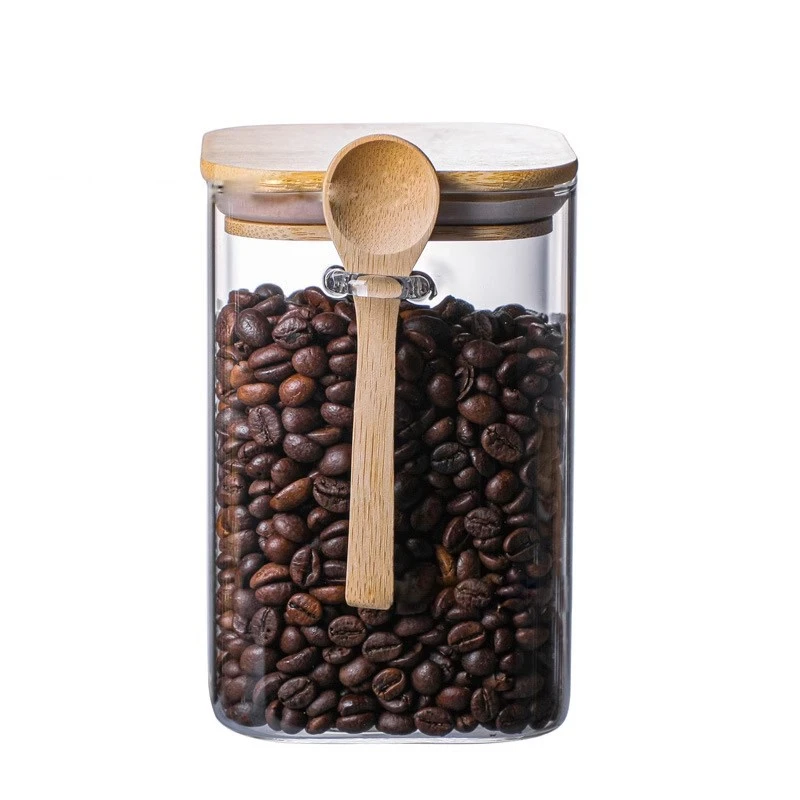
![[All Microwave Safe] High Borosilicate Glass Food Storage Container , Oven Safe without Lid, Dishwasher Safe](https://images.exportstart.com/images/a1251/squre-glass-container-with-glass-lid-518.webp "[All Microwave Safe] High Borosilicate Glass Food Storage Container , Oven Safe without Lid, Dishwasher Safe")
![[Sliding Vent PP Lid] Borosilicate Glass Food Storage Containers with Food-grade Plastic Lid, Airtight, Leak Resistant](https://images.exportstart.com/images/a1251/glass-food-storage-container-with-airtight-lid-183.webp "[Sliding Vent PP Lid] Borosilicate Glass Food Storage Containers with Food-grade Plastic Lid, Airtight, Leak Resistant")
![[Large Skylight Glass Lid] Glass Food Storage Container, Oven Safe with Lid, BPA Free, 100% Leak resistant](https://images.exportstart.com/images/a1251/glass-lid-food-storage-container-1-1-196.webp "[Large Skylight Glass Lid] Glass Food Storage Container, Oven Safe with Lid, BPA Free, 100% Leak resistant")
![[Colorful Vent PP Lid] Glass Food Storage Container, BPA Free, Leakproof, Dishwasher Safe](https://images.exportstart.com/images/a1251/002-1-639.webp "[Colorful Vent PP Lid] Glass Food Storage Container, BPA Free, Leakproof, Dishwasher Safe")
![[Color Vent PP Lid] Borosilicate Glass Food Storage Container, Leakproof, Dishwasher Safe](https://images.exportstart.com/images/a1251/1-941.webp "[Color Vent PP Lid] Borosilicate Glass Food Storage Container, Leakproof, Dishwasher Safe")
![[Vacuum AS] Food Storage Container with Pump](https://images.exportstart.com/images/a1251/7-1-397.webp "[Vacuum AS] Food Storage Container with Pump")