 TEL: +86 18903393212
 Email: tina@yintoglassware.com

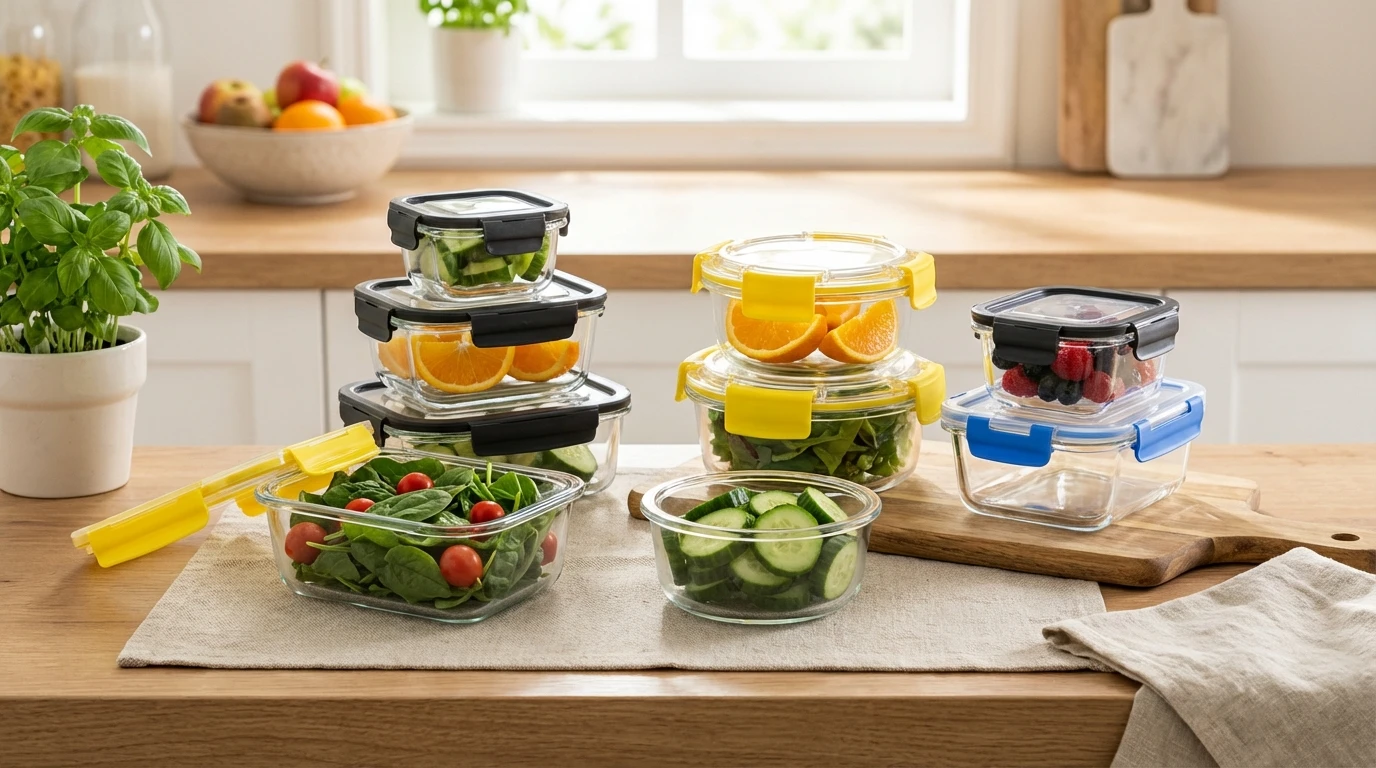
Eco-Friendly Benefits of Bamboo Lid Glass Bottles – Sustainable & Stylish
Why the Bamboo Lid Glass Bottle is More Important Than You Think
So, what’s all the buzz about bamboo lid glass bottles these days? At first glance, it's just a fancy water bottle — glass body with a bamboo lid, right? But here’s the kicker: this combo is quietly reshaping how sustainability and style meet in everyday life. Globally, plastic pollution is a problem that just doesn’t want to quit. According to the UN Environment Programme, around 8 million tons of plastic end up in our oceans every year. Enter the bamboo lid glass bottle — a practical, eco-friendly alternative that not only looks good but also tackles waste and resource use head-on.
Understanding why this product matters is about much more than choosing a water container; it’s about taking a small but meaningful step in reducing plastic dependency worldwide. Plus, recent market insights reveal a rising demand for sustainable packaging, especially in Europe and North America, where consumers demand both performance and conscience in one neat package.
Mini takeaway: Bamboo lid glass bottles are a small but mighty front in the war against plastic waste, combining aesthetics with environmental responsibility.
The Global Context: Why Bamboo Lid Glass Bottles Matter More Than Ever
Let’s zoom out for a sec. The global bottled water market alone reached nearly $300 billion in 2023, and a huge chunk is still wrapped in single-use plastic. Glass bottles have been around for ages, of course, but pairing them with bamboo lids taps into two powerful trends: increasing ecological awareness and the push for natural, biodegradable materials. Bamboo, fast-growing and easily renewable, is lauded by the International Organization for Standardization (ISO) as one of the most sustainable materials in packaging.
However, challenges remain. Plastic lids are cheap and universally compatible, which means shifting supply chains and consumer habits isn’t just about swapping a cap. The durability, sealing effectiveness, and production cost of bamboo lids are current hurdles that manufacturers grapple with daily. Yet, the environmental and social benefits offered by these bottles often far outweigh these obstacles.
Mini takeaway: Bamboo lids paired with glass bottles address a global sustainability challenge but require innovation to overcome production and cost hurdles.
What Exactly Is a Bamboo Lid Glass Bottle?
In simple terms: a bamboo lid glass bottle is a reusable container with two key parts — a glass body and a lid made from bamboo. It’s not just a trend; it’s a deliberate design choice that blends the purity and recyclability of glass with the natural beauty and biodegradability of bamboo. The bamboo lid often undergoes treatments to resist moisture and mold, which is essential because lids come into contact with water vapor and condensation constantly.
This product cuts across industries too. Think wellness brands selling premium infused water, office supplies aiming for zero waste, or even humanitarian agencies using these bottles in water purification programs. The bamboo lid glass bottle fits into the modern ethos of “less plastic, more life.”
Key Features That Make Bamboo Lid Glass Bottles Stand Out
1. Durability
Glass bottles withstand temperature swings without leaching chemicals, unlike some plastics. Bamboo lids, although natural, are surprisingly tough when treated properly. Many users I chatted with say these lids develop a lovely patina over time—an indicator of the material’s life cycle rather than a flaw.
2. Sustainability
Bamboo grows like a weed — up to a meter a day in some species. This rapid regeneration makes it an excellent sustainable raw material. Unlike plastic, bamboo lids decompose naturally and demand less energy-intensive production processes.
3. Aesthetic Appeal
There’s a certain tactile warmth bamboo adds, reminding users of nature. Decorative grain patterns mean no two lids look exactly alike —kind of like fingerprints. This nuance helps brands offer “unique” bottles that connect emotionally with eco-conscious buyers.
4. Safety and Hygiene
When paired with glass, the bottles avoid the chemical migration risks seen in plastics exposed to heat or prolonged use. Some designs include a silicone seal inside the lid to ensure airtight closure and keep water fresh longer.
5. Customizability
Bamboo lids can be laser engraved or varnished with plant-based finishes, allowing for easy branding or personalization — a neat trick that companies use for giveaways or corporate gifts.
| Specification | Typical Value | Notes |
|---|---|---|
| Material Body | Borosilicate Glass | Heat resistant, durable |
| Lid Material | Natural Bamboo | Sustainably harvested and treated |
| Sealing Gasket | Food-grade Silicone | Ensures airtight seal |
| Capacity | 500ml / 750ml | Common market sizes |
| Weight (empty) | 280g - 350g | Depends on size & finish |
Mini takeaway: The bamboo lid glass bottle’s blend of materials and craftsmanship balances elegance with real-world durability and sustainability.
Where Are Bamboo Lid Glass Bottles Making the Biggest Impact?
From bustling European cities to remote parts of Asia, these bottles have found many homes. Brands in California swear by them as part of corporate "green office" agendas, while NGOs distributing clean water choose glass for hygiene and bamboo for environmental messaging.
In colder climates, where tea and hot drinks dominate, glass withstands the heat better than plastic, and bamboo lids add style and function. Post-disaster relief groups, such as those operating in the aftermath of typhoons, have embraced bamboo lid glass bottles packed with water filters. The idea is — sturdy, reusable, and yet biodegradable lids cause less long-term harm if lost.
Even the hospitality industry is jumping aboard, with cafes offering branded bamboo lid glass bottles as merchandise or loyalty gifts. The versatility of this product makes it a darling of different sectors, from outdoor lifestyle enthusiasts to eco-conscious families.
Vendor Comparison: Who’s Leading the Bamboo Lid Glass Bottle Market?
| Vendor | Price Range (USD) | Custom Options | Eco Certifications |
|---|---|---|---|
| YinTo Glassware | $8.50 – $14 | Laser engraving, colors | FSC, ISO 14001 |
| EcoSip Co. | $9 – $16 | Color printing, branding | Fair Trade Certified |
| BambooPure Ltd. | $7 – $13 | Limited customization | Organic Bamboo Certified |
Why Bamboo Lid Glass Bottles Deliver Long-Term Value
You might wonder — is this just another product riding the green wave? Far from it. Bamboo lid glass bottles represent a meaningful convergence of logic and feeling. They’re logical because they reduce plastic waste profoundly and often have longer lifespans than plastic alternatives. Emotionally, they connect consumers with values of care, nature, and personal responsibility.
Socially, they enable brands and organizations to make visible commitments to sustainability in a tangible way. A user sipping from a bamboo-topped bottle feels a subtle but real connection to global sustainability efforts, which is invaluable in promoting wider culture change.
Looking Ahead: Innovations in Bamboo Lid Glass Bottles
The future is bright — or rather, green. We’re seeing research into bamboo-laminated composites that improve moisture resistance without the chemicals used in traditional treatments. Smart technology integration is on the horizon too, with prototypes that embed NFC chips for authentication or recycling info.
On the policy front, governments and standards bodies continue to push for stricter plastic bans and favor renewable packaging, so bamboo lid glass bottles are set for a boost in coming years — especially as supply chain sustainability becomes a purchasing criterion.
Common Challenges—and How They’re Being Solved
Let’s be honest: bamboo lids aren’t perfect. They can warp if exposed to heat or moisture for long periods and may be pricier than plastic. Industrial-scale waterproofing treatments sometimes conflict with the desire for 100% natural finishes.
Manufacturers tackle these issues with bio-based sealants that keep bamboo dry while maintaining biodegradability. Engineers also design lids with inner silicone rings to extend lifespan and improve sealing. As volume grows, cost pressures ease, allowing more competitive pricing.
FAQ: What You’re Really Asking About Bamboo Lid Glass Bottles
- Q: Can bamboo lids withstand dishwasher cleaning?
A: Usually, bamboo lids are better hand-washed to preserve their finish, though some are treated for limited dishwasher exposure. Glass bodies are typically dishwasher-friendly. - Q: How long does a bamboo lid typically last?
A: With proper care, lids can last years, though they may naturally change color or texture. Replacement lids are often available. - Q: Are bamboo lid glass bottles safe for hot beverages?
A: Yes, borosilicate glass handles heat well. Bamboo lids are fine for hot drinks but avoid prolonged exposure to boiling water or steam directly on the lid. - Q: Can I customize the bamboo lid with my logo?
A: Absolutely. Laser engraving is a popular, eco-friendly way to add branding without paints or inks.
Conclusion: Why You Should Give Bamboo Lid Glass Bottles a Closer Look
Bamboo lid glass bottles are more than just pretty containers — they’re a practical response to one of our planet's biggest challenges. Combining natural materials, durability, and style, they beckon us to rethink everyday choices in favor of sustainability. Whether you’re a consumer searching for eco alternatives or a business looking to promote genuine green values, these bottles offer a win-win solution.
Interested? Check out the full range and customization options over at bamboo lid glass bottle suppliers like YinTo Glassware for a hands-on experience with these game-changers.
References:
1. United Nations Environment Programme (UNEP), “Single-use plastics: a roadmap for sustainability,” 2022.
2. International Organization for Standardization (ISO), “Environmental management – Life cycle assessment,” ISO 14040 series.
3. World Bank Data, “Global bottled water consumption trends,” 2023.
-
Ultimate Guide to Choosing Big Glass Storage Containers for Every NeedNewsApr.16,2026
-
Small Glass Lunch Containers Guide for Healthy Meal PrepNewsApr.09,2026
-
Comprehensive Guide to Choosing the Best Storage Containers for Dishes and GlassesNewsApr.07,2026
-
Selecting The Optimal 300ml Food Containers For Your Business NeedsNewsApr.04,2026
-
Discover the Benefits of Durable 3 Cup Glass Food Storage ContainersNewsMar.31,2026
-
Comprehensive Guide to Choosing Superior Glass Divided Food ContainersNewsMar.28,2026
![[Extra Large with Handle] Oven Safe Glass Food Storage Container with Airtight Locking Lid & Handle, Oven Safe Dishwasher Safe](https://images.exportstart.com/images/a1251/extra-larger-glass-container-with-snap-locking-lid-164.webp "[Extra Large with Handle] Oven Safe Glass Food Storage Container with Airtight Locking Lid & Handle, Oven Safe Dishwasher Safe")
![[All Microwave Safe] High Borosilicate Glass Food Storage Container , Oven Safe without Lid, Dishwasher Safe](https://images.exportstart.com/images/a1251/squre-glass-container-with-glass-lid-518.webp "[All Microwave Safe] High Borosilicate Glass Food Storage Container , Oven Safe without Lid, Dishwasher Safe")
![[Sliding Vent PP Lid] Borosilicate Glass Food Storage Containers with Food-grade Plastic Lid, Airtight, Leak Resistant](https://images.exportstart.com/images/a1251/glass-food-storage-container-with-airtight-lid-183.webp "[Sliding Vent PP Lid] Borosilicate Glass Food Storage Containers with Food-grade Plastic Lid, Airtight, Leak Resistant")
![[Large Skylight Glass Lid] Glass Food Storage Container, Oven Safe with Lid, BPA Free, 100% Leak resistant](https://images.exportstart.com/images/a1251/glass-lid-food-storage-container-1-1-196.webp "[Large Skylight Glass Lid] Glass Food Storage Container, Oven Safe with Lid, BPA Free, 100% Leak resistant")
![[Colorful Vent PP Lid] Glass Food Storage Container, BPA Free, Leakproof, Dishwasher Safe](https://images.exportstart.com/images/a1251/002-1-639.webp "[Colorful Vent PP Lid] Glass Food Storage Container, BPA Free, Leakproof, Dishwasher Safe")
![[Color Vent PP Lid] Borosilicate Glass Food Storage Container, Leakproof, Dishwasher Safe](https://images.exportstart.com/images/a1251/1-941.webp "[Color Vent PP Lid] Borosilicate Glass Food Storage Container, Leakproof, Dishwasher Safe")
![[Vacuum AS] Food Storage Container with Pump](https://images.exportstart.com/images/a1251/7-1-397.webp "[Vacuum AS] Food Storage Container with Pump")