 TEL: +86 18903393212
 Email: tina@yintoglassware.com

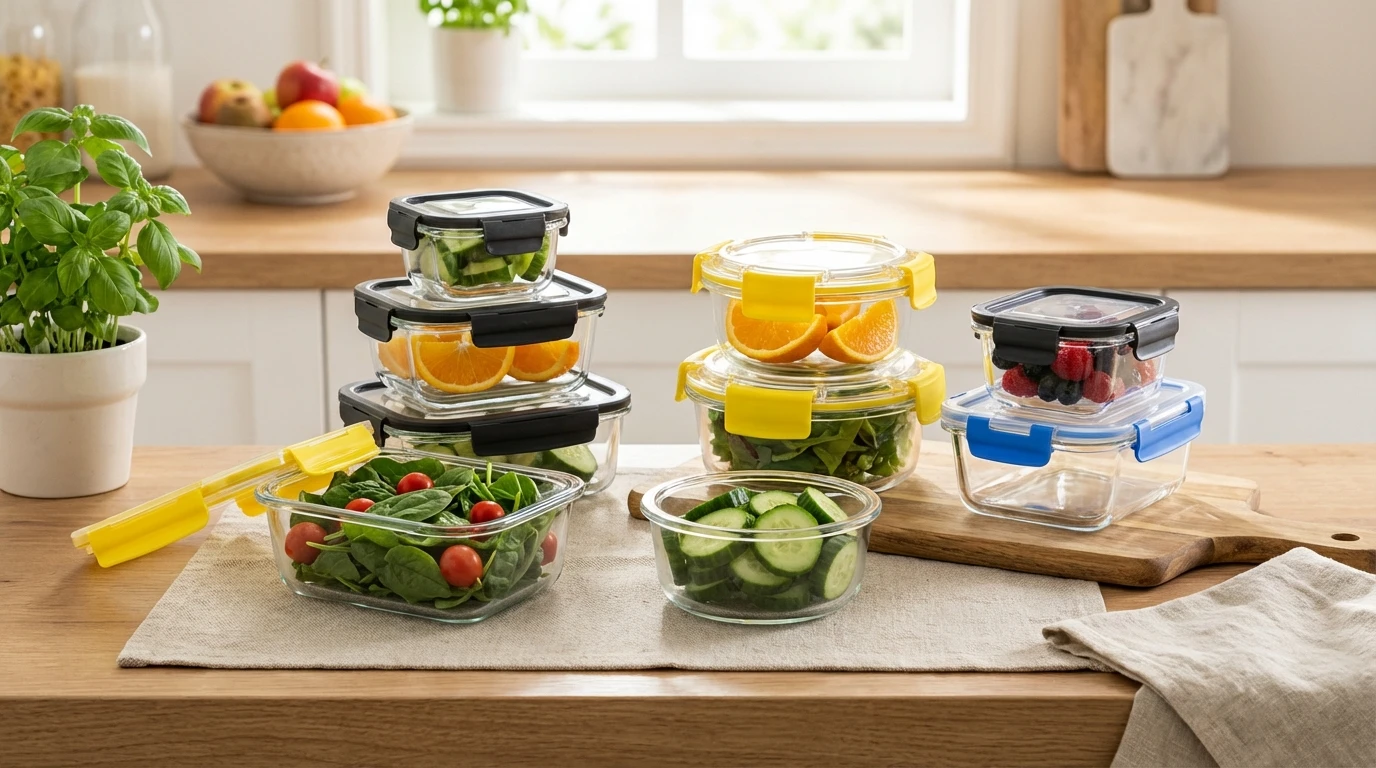
Glass Food Storage Container with Glass Lid | Airtight Seal
Glass Food Storage Container with Glass Lid — what’s really changing in 2025
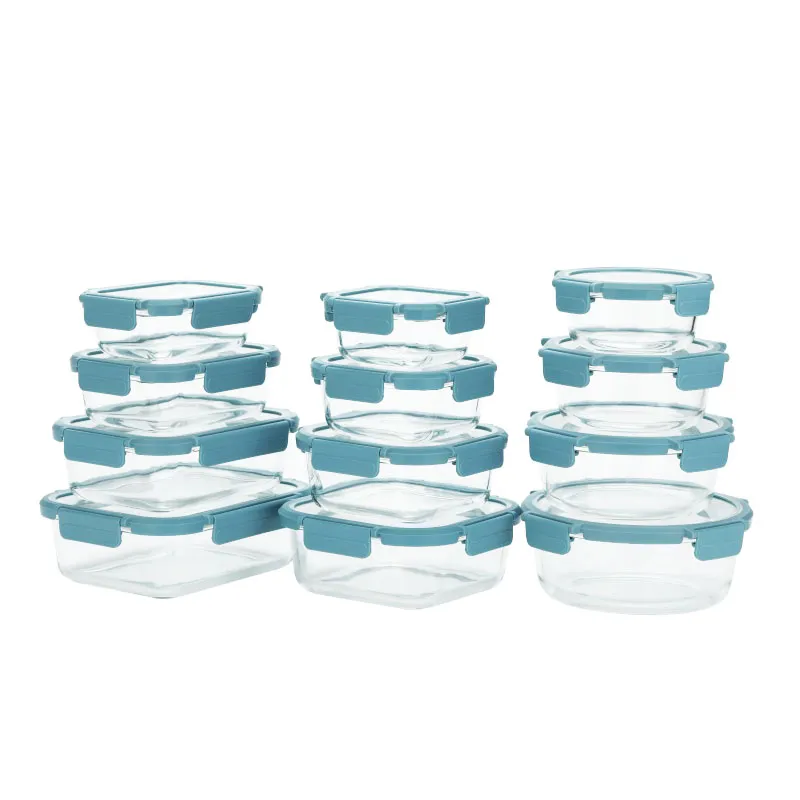
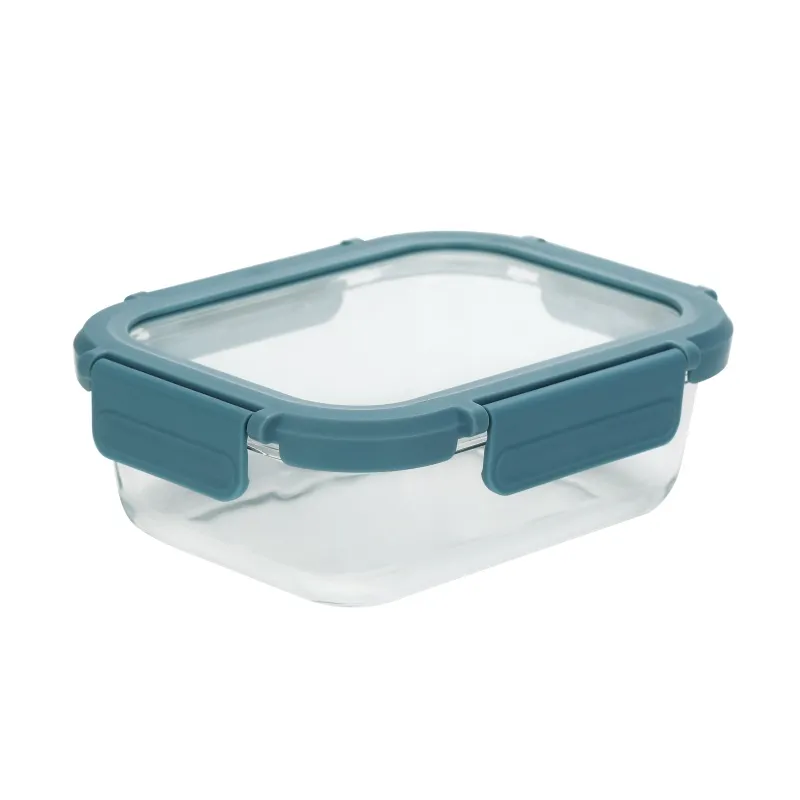
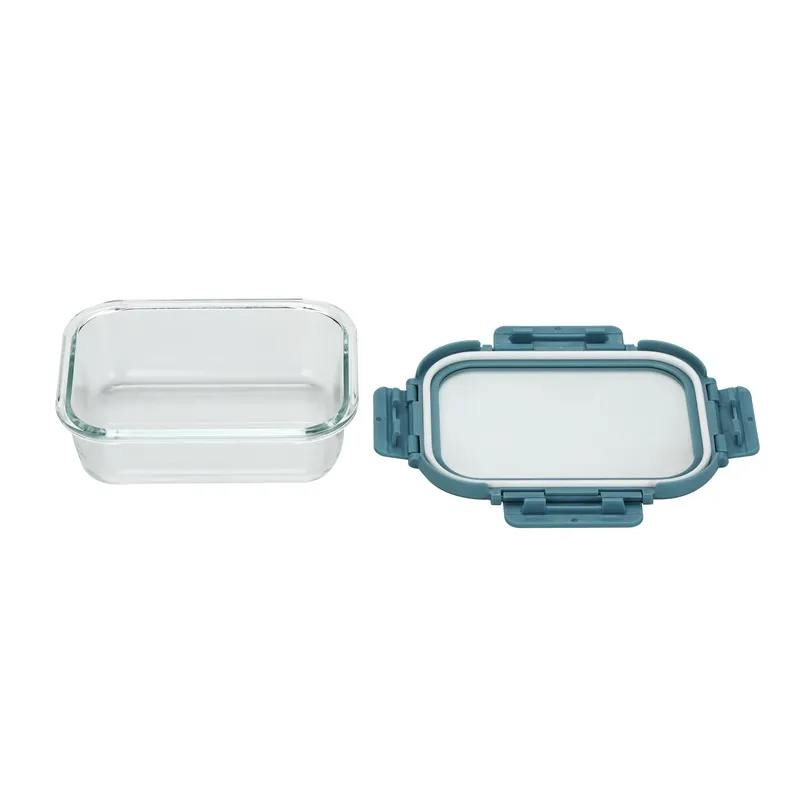
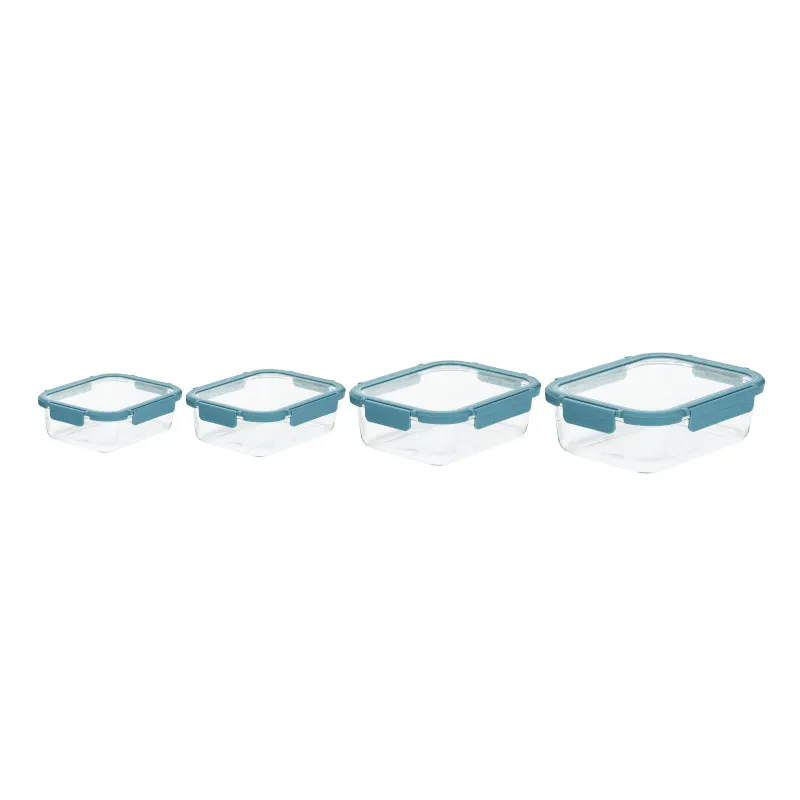
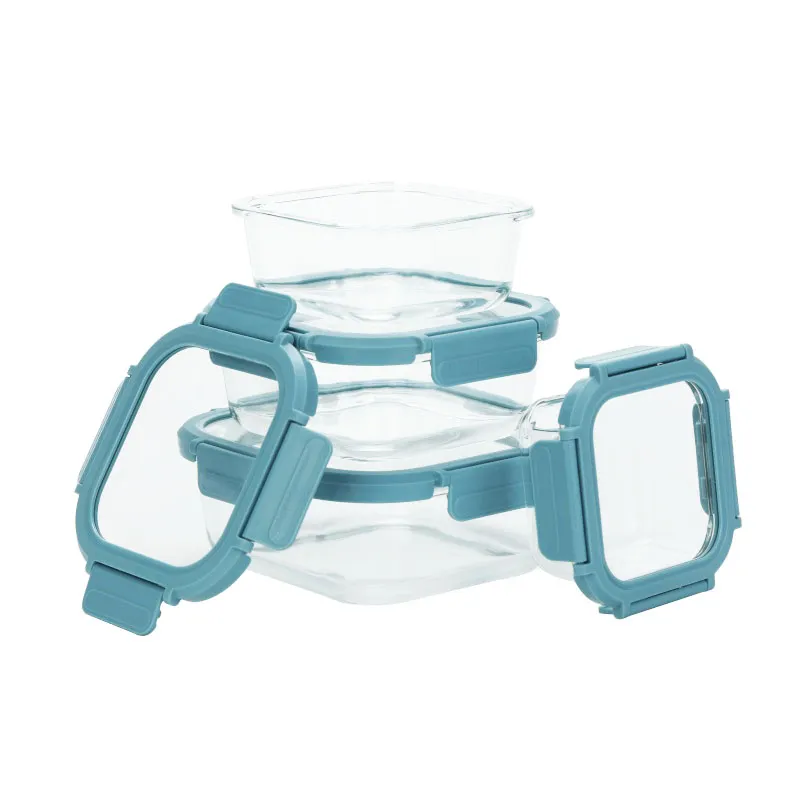
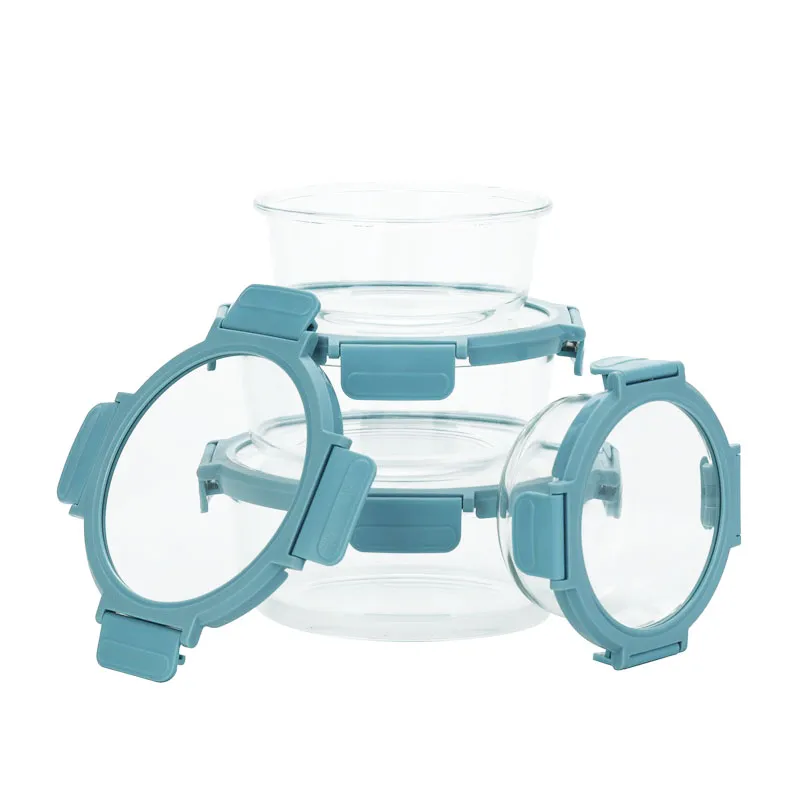
A few years ago, I wouldn’t have predicted the quiet comeback of glass meal-prep boxes. Yet here we are. This glass food storage container with glass lid is a case in point: high borosilicate body, tempered glass lid with a plastic frame, four snap locks, and a silicone gasket that actually seals. To be honest, it’s the freezer-to-oven confidence that won me over.
What’s trending (and why operators care)
- Reusables over single-use: retailers and meal-kit brands are pushing returnable packaging. Glass survives heat-cycles better than most plastics.
- Transparency and safety: BPA-free, lead-free claims are now table stakes; documented testing is the differentiator.
- Oven-to-table aesthetics: restaurants want cookware that doubles as serveware, reducing handling and, frankly, dishes.
Key specs at a glance
| Body material | Heat‑resistant high borosilicate glass (≈3.3 expansion), -20℃ to 560℃ (real-world use may vary) |
| Thermal shock | ΔT ≈ 120℃ |
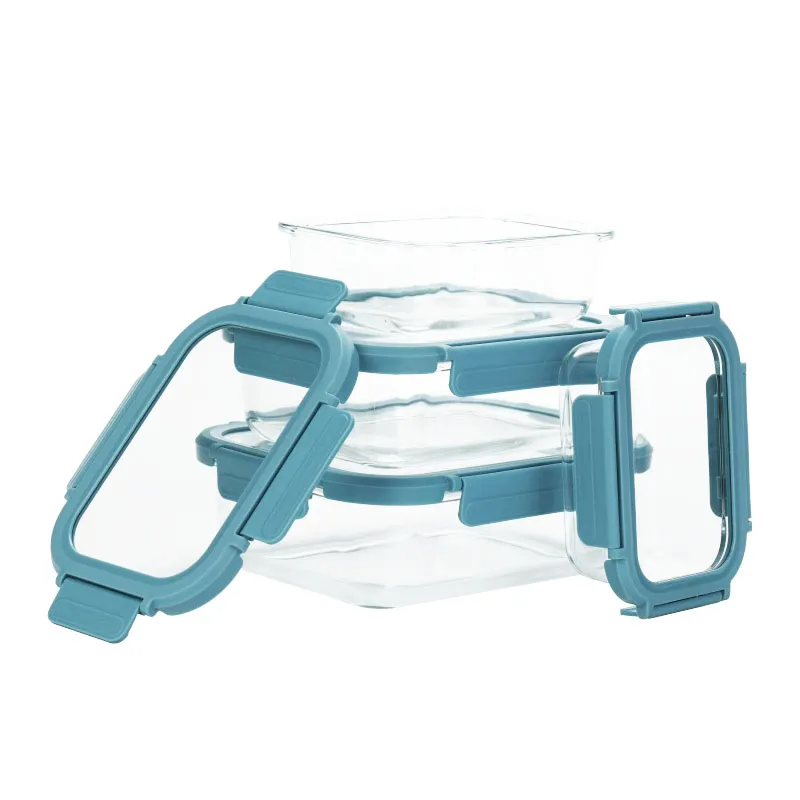
| Lid | Tempered glass + plastic frame, 4 removable snap locks |
| Seal | Food-grade silicone gasket; leakproof & airtight |
| Compatibility | Microwave, oven, freezer, dishwasher; freezer-to-oven safe (no thaw needed) |
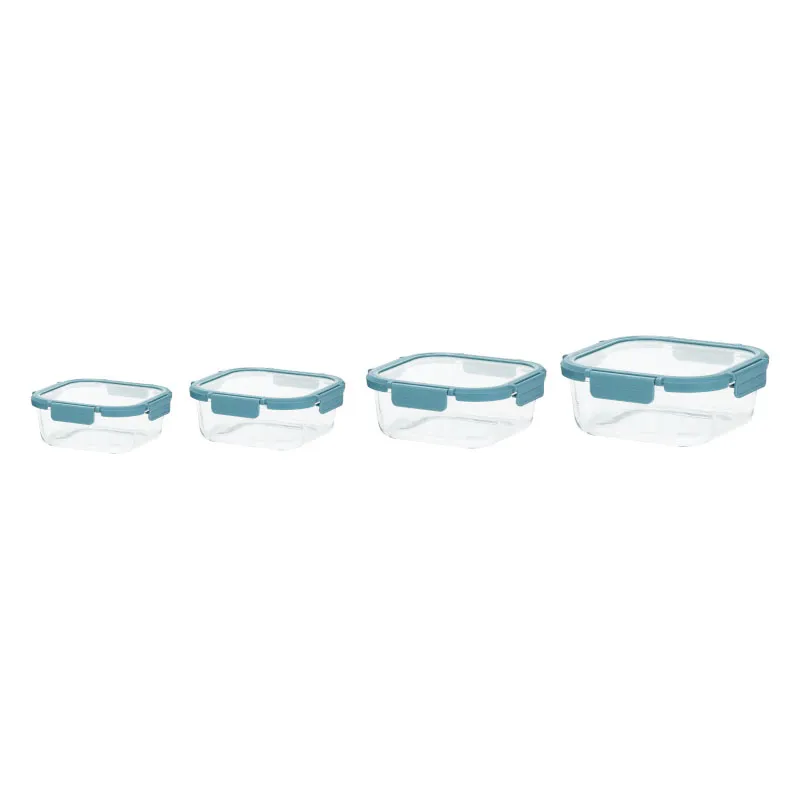
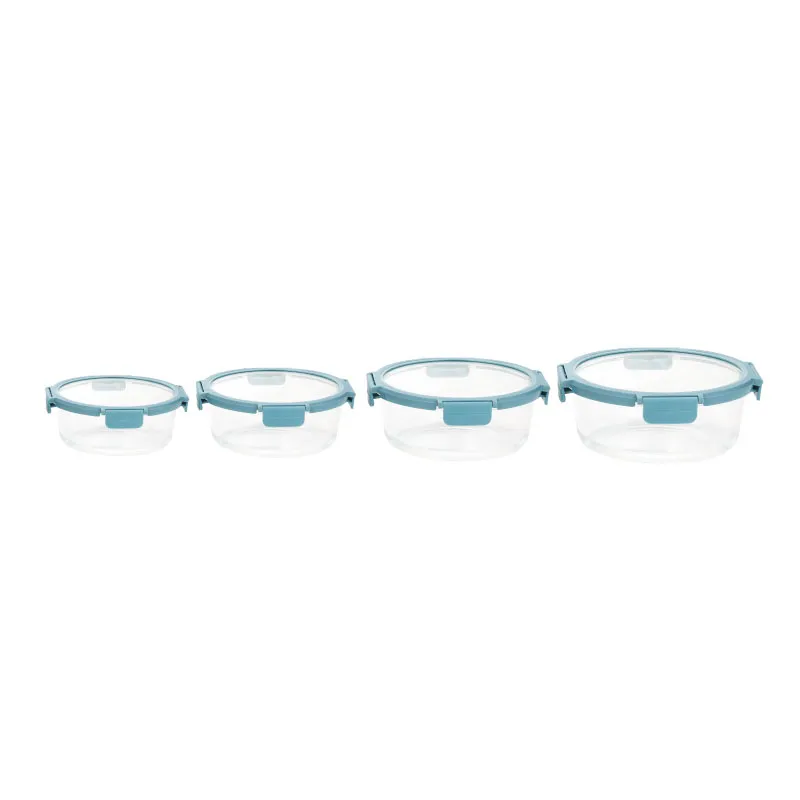
| Common sizes | ≈370 ml, ≈640 ml, ≈1040 ml (other volumes on request) |
| Compliance | FDA, LFGB, EU 1935/2004, DGCCRF |
How it’s made (short version)
- Materials: high borosilicate batch melted, formed, annealed, then precision edge‑polished.
- Lid: flat tempered glass; plastic frame injection-molded; silicone gasket cured and seated.
- Assembly: 4-point snap locks installed for uniform clamping pressure.
- Testing: thermal shock per ISO‑style methods, leak test with 95℃ water, dishwasher cycle endurance, and seal compression set (per FDA 21 CFR 177.2600 guidance for elastomers). Service life: around 5–10 years in normal kitchen duty.
Where it’s used
Home meal prep; cloud kitchens and meal-kit fulfillment; deli and bakery; zero‑waste refilleries; workplace cafeterias; even R&D kitchens needing consistent thermal behavior. Many customers say the locks feel reassuringly solid, and, surprisingly, the gasket stays clear after dozens of dishwasher cycles.
Real-world advantages
- Freezer-to-oven without cracking.
- Neutral taste, no staining; easy sanitation.
- Stackable geometry; fewer damaged meals in transit (one operations lead told me breakage “basically disappeared”).
Vendor snapshot and customization
Origin: Room 8019, Hengju Building, No.473 Zhonghua South Street, Shijiazhuang City, Hebei, China. Custom options typically include sizes, divider layouts, logo etching, lid color accents, and retail box design.
| Vendor | MOQ | Custom | Certs/Reports | Lead Time |
|---|---|---|---|---|
| Yinto Glassware (origin above) | ≈1,000 sets | Logo, color, volumes, packaging | FDA, LFGB, EU, DGCCRF; test data on request | ≈25–35 days |
| Generic importer | ≈2,000+ | Limited | Basic CoC; variable | ≈35–50 days |
| Boutique EU brand | ≈300–600 | Broad, premium priced | Full dossier; strong traceability | ≈20–30 days (stock-based) |
Field notes and mini case studies
- A mid-size APAC meal-kit operator reported ≈32% reduction in packaging waste by switching to returnable glass food storage container with glass lid sets; leak incidents dropped after moving to the 4-lock variant.
- A university café cycled 120 containers through 200+ dishwasher runs; gaskets retained seal integrity (spot checks with 95℃ fill and 30‑second inversion showed no leaks).
Standards and testing cues
Look for borosilicate conformity (ISO 3585), thermal shock validation akin to ISO 718 methods, and food-contact compliance: FDA, EU 1935/2004, LFGB, DGCCRF guidance. Silicone gaskets should align with FDA 21 CFR 177.2600. If specs mention ΔT 120℃ and oven range up to ~560℃, that’s consistent with high-boro glass expectations.
Final thought: if you need one container that goes from freezer to oven to dishwasher and still looks presentable on the table, a glass food storage container with glass lid is, actually, the sensible choice.
Authoritative citations
-
Ultimate Guide to Choosing Big Glass Storage Containers for Every NeedNewsApr.16,2026
-
Small Glass Lunch Containers Guide for Healthy Meal PrepNewsApr.09,2026
-
Comprehensive Guide to Choosing the Best Storage Containers for Dishes and GlassesNewsApr.07,2026
-
Selecting The Optimal 300ml Food Containers For Your Business NeedsNewsApr.04,2026
-
Discover the Benefits of Durable 3 Cup Glass Food Storage ContainersNewsMar.31,2026
-
Comprehensive Guide to Choosing Superior Glass Divided Food ContainersNewsMar.28,2026
![[Extra Large with Handle] Oven Safe Glass Food Storage Container with Airtight Locking Lid & Handle, Oven Safe Dishwasher Safe](https://images.exportstart.com/images/a1251/extra-larger-glass-container-with-snap-locking-lid-164.webp "[Extra Large with Handle] Oven Safe Glass Food Storage Container with Airtight Locking Lid & Handle, Oven Safe Dishwasher Safe")
![[All Microwave Safe] High Borosilicate Glass Food Storage Container , Oven Safe without Lid, Dishwasher Safe](https://images.exportstart.com/images/a1251/squre-glass-container-with-glass-lid-518.webp "[All Microwave Safe] High Borosilicate Glass Food Storage Container , Oven Safe without Lid, Dishwasher Safe")
![[Sliding Vent PP Lid] Borosilicate Glass Food Storage Containers with Food-grade Plastic Lid, Airtight, Leak Resistant](https://images.exportstart.com/images/a1251/glass-food-storage-container-with-airtight-lid-183.webp "[Sliding Vent PP Lid] Borosilicate Glass Food Storage Containers with Food-grade Plastic Lid, Airtight, Leak Resistant")
![[Large Skylight Glass Lid] Glass Food Storage Container, Oven Safe with Lid, BPA Free, 100% Leak resistant](https://images.exportstart.com/images/a1251/glass-lid-food-storage-container-1-1-196.webp "[Large Skylight Glass Lid] Glass Food Storage Container, Oven Safe with Lid, BPA Free, 100% Leak resistant")
![[Colorful Vent PP Lid] Glass Food Storage Container, BPA Free, Leakproof, Dishwasher Safe](https://images.exportstart.com/images/a1251/002-1-639.webp "[Colorful Vent PP Lid] Glass Food Storage Container, BPA Free, Leakproof, Dishwasher Safe")
![[Color Vent PP Lid] Borosilicate Glass Food Storage Container, Leakproof, Dishwasher Safe](https://images.exportstart.com/images/a1251/1-941.webp "[Color Vent PP Lid] Borosilicate Glass Food Storage Container, Leakproof, Dishwasher Safe")
![[Vacuum AS] Food Storage Container with Pump](https://images.exportstart.com/images/a1251/7-1-397.webp "[Vacuum AS] Food Storage Container with Pump")