 TEL: +86 18903393212
 Email: tina@yintoglassware.com

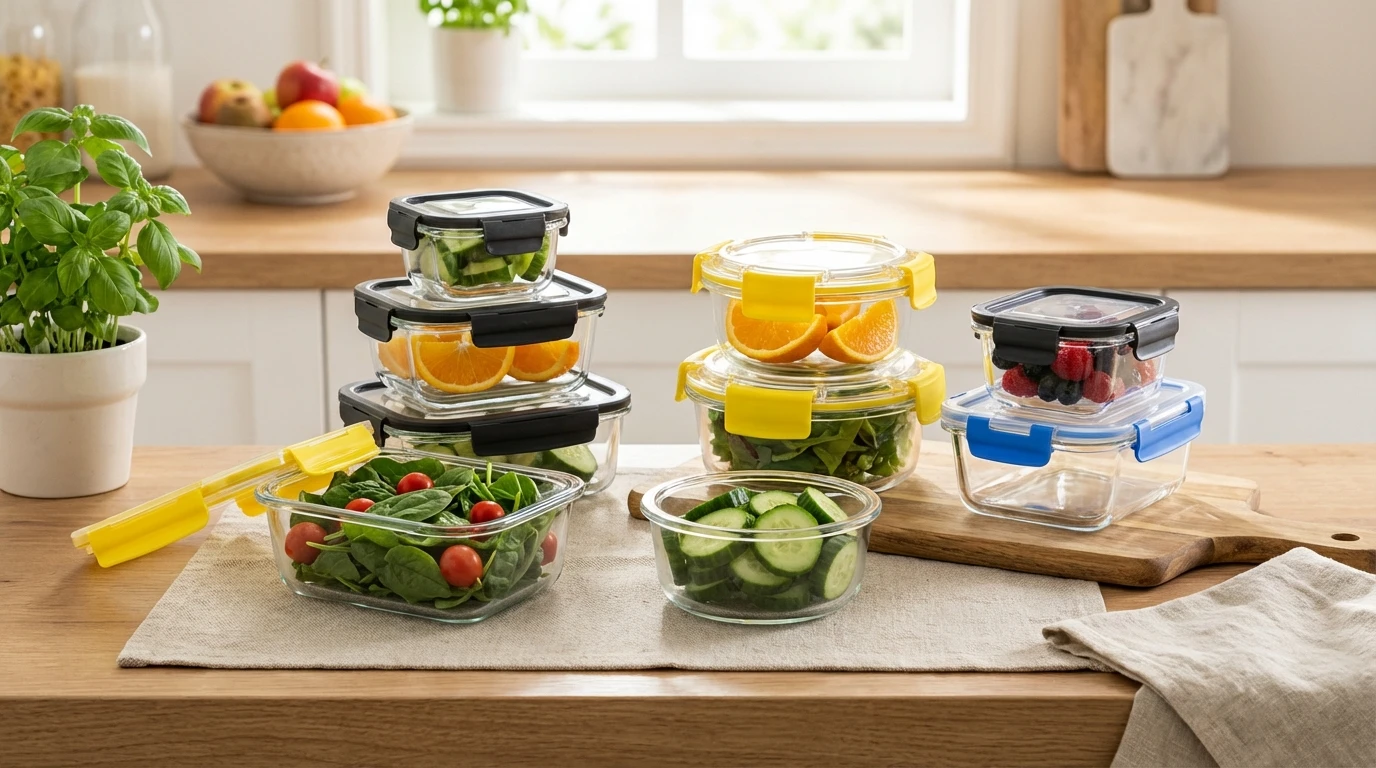
Small Glass Storage Containers | Durable Industrial Glassware Solutions
Small Glass Storage Containers: A Veteran’s Take on Reliable Industrial Warehousing
Having spent over a decade in the industrial equipment sector, I’ve come to appreciate how such a seemingly simple product like small glass storage containers can quietly transform storage and handling standards. Oddly enough, in an industry often dazzled by massive machinery and complex automation, these humble jars and bottles hold their own, especially for tasks demanding precision, safety, and longevity.
You might wonder, why glass containers when plastic seems cheaper and lighter? Well, from the vantage point of chemical resistance, reusability, and maintaining sample purity, glass pretty much rules the roost. Frankly, many engineers and lab technicians I know swear by tempered, borosilicate glass types. They can withstand thermal shock, minimizing breakage risks during rapid temperature changes—a crucial edge during certain industrial processes.
In my years working on storage solutions, I've noticed that manufacturers continually improve these small glass vessels, pushing for thinner walls without sacrificing strength, or introducing better sealing mechanisms to ensure airtightness. The story of a particular client comes to mind: they initially switched from plastic to a specific small glass container for storing volatile liquids. The improved chemical inertness reduced contamination, saving them thousands annually on rejected batches. It’s a small change with a surprisingly big impact.
Here’s a quick look at the general specs of these containers you might want to consider if you’re in the market:
| Specification | Details |
|---|---|
| Material | Borosilicate Glass (Tempered) |
| Capacity Range | 10 ml to 250 ml |
| Closure Types | Screw Caps, Snap Lids, Silicone Sealed |
| Usage | Chemical Storage, Lab Samples, Food-grade Storage |
| Temperature Resistance | -40°C to 400°C |
| Customization | Custom Colors, Sizes, Print Labels Available |
Of course, not all glass containers are created equal. When sifting through vendors, I recommend paying close attention to their quality control processes and after-sales support. Here’s a comparison I put together to highlight some differentiators between popular industrial glassware manufacturers:
| Feature / Vendor | Yinto Glassware | Competitor A | Competitor B |
|---|---|---|---|
| Certification | ISO 9001, FDA Compliant | ISO 9001 | CE Certified |
| Customization Options | Extensive (sizes, colors, logo printing) | Limited | Moderate |
| Lead Time | 2-4 weeks | 4-6 weeks | 3-5 weeks |
| Price Range | $$ | $$$ | $ |
| Customer Support | Dedicated Account Managers | Email Support Only | Phone & Email |
Obviously, these tables only skim the surface of what goes into choosing the right glass containers, but I hope they give a clearer picture. The difference often lies in the details — from the thickness of the glass to the airtightness of the lid seals.
On a more anecdotal note, it always amazes me how these small storage vessels become integral in highly regulated industries. I recall one project where every batch of pharmaceuticals was tracked meticulously using color-coded glass containers. It may seem tiny, but that organizational clarity saved a lot of potential errors. You start to realize it’s not just about storing materials—it’s about preserving integrity.
In real terms, investing in quality small glass storage containers is a win for sustainability too. Glass is infinitely recyclable and doesn’t leach harmful chemicals like some plastics might. So, when you’re weighing options, think not only in terms of performance but also environmental impact.
To wrap up, if you’re after durable, chemically stable, and customizable small glass storage containers, the market offers some excellent options—especially from committed vendors who prioritize quality and innovation. I suppose the takeaway after years working around these tools is that glassware isn’t just a container; it’s often a critical partner in your process reliability.
— Remember: attention to the small things often saves the big headaches.
References:
1. ASTM D2638 - Standards for laboratory glassware safety
2. FDA Guidance on Glass Packaging Materials
3. Industry insights from 12 years in industrial storage solutions
-
Ultimate Guide to Choosing Big Glass Storage Containers for Every NeedNewsApr.16,2026
-
Small Glass Lunch Containers Guide for Healthy Meal PrepNewsApr.09,2026
-
Comprehensive Guide to Choosing the Best Storage Containers for Dishes and GlassesNewsApr.07,2026
-
Selecting The Optimal 300ml Food Containers For Your Business NeedsNewsApr.04,2026
-
Discover the Benefits of Durable 3 Cup Glass Food Storage ContainersNewsMar.31,2026
-
Comprehensive Guide to Choosing Superior Glass Divided Food ContainersNewsMar.28,2026
![[Extra Large with Handle] Oven Safe Glass Food Storage Container with Airtight Locking Lid & Handle, Oven Safe Dishwasher Safe](https://images.exportstart.com/images/a1251/extra-larger-glass-container-with-snap-locking-lid-164.webp "[Extra Large with Handle] Oven Safe Glass Food Storage Container with Airtight Locking Lid & Handle, Oven Safe Dishwasher Safe")
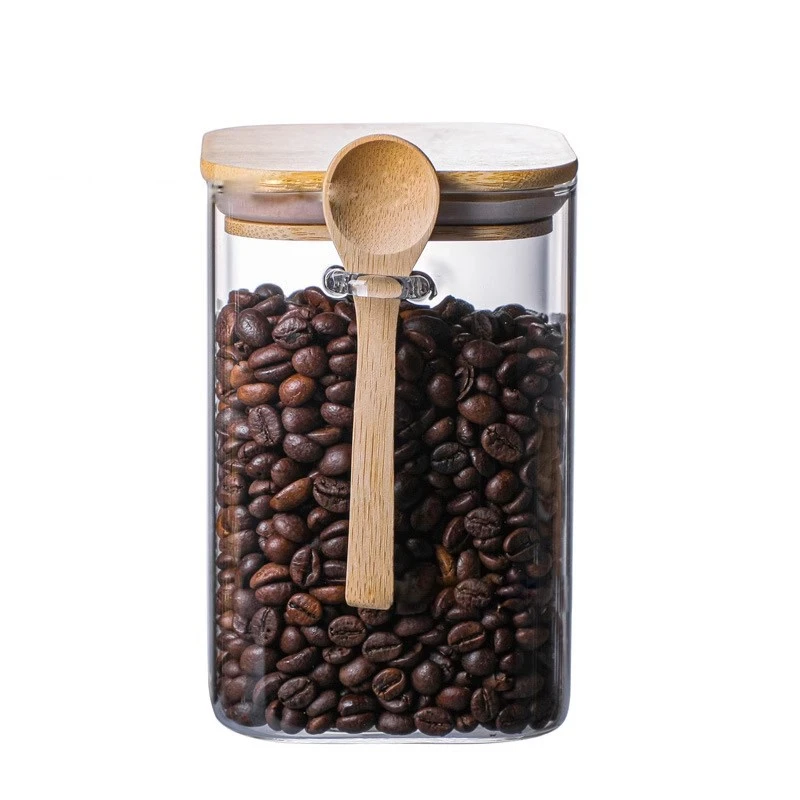
![[All Microwave Safe] High Borosilicate Glass Food Storage Container , Oven Safe without Lid, Dishwasher Safe](https://images.exportstart.com/images/a1251/squre-glass-container-with-glass-lid-518.webp "[All Microwave Safe] High Borosilicate Glass Food Storage Container , Oven Safe without Lid, Dishwasher Safe")
![[Sliding Vent PP Lid] Borosilicate Glass Food Storage Containers with Food-grade Plastic Lid, Airtight, Leak Resistant](https://images.exportstart.com/images/a1251/glass-food-storage-container-with-airtight-lid-183.webp "[Sliding Vent PP Lid] Borosilicate Glass Food Storage Containers with Food-grade Plastic Lid, Airtight, Leak Resistant")
![[Large Skylight Glass Lid] Glass Food Storage Container, Oven Safe with Lid, BPA Free, 100% Leak resistant](https://images.exportstart.com/images/a1251/glass-lid-food-storage-container-1-1-196.webp "[Large Skylight Glass Lid] Glass Food Storage Container, Oven Safe with Lid, BPA Free, 100% Leak resistant")
![[Colorful Vent PP Lid] Glass Food Storage Container, BPA Free, Leakproof, Dishwasher Safe](https://images.exportstart.com/images/a1251/002-1-639.webp "[Colorful Vent PP Lid] Glass Food Storage Container, BPA Free, Leakproof, Dishwasher Safe")
![[Color Vent PP Lid] Borosilicate Glass Food Storage Container, Leakproof, Dishwasher Safe](https://images.exportstart.com/images/a1251/1-941.webp "[Color Vent PP Lid] Borosilicate Glass Food Storage Container, Leakproof, Dishwasher Safe")
![[Vacuum AS] Food Storage Container with Pump](https://images.exportstart.com/images/a1251/7-1-397.webp "[Vacuum AS] Food Storage Container with Pump")