 TEL: +86 18903393212
 Email: tina@yintoglassware.com

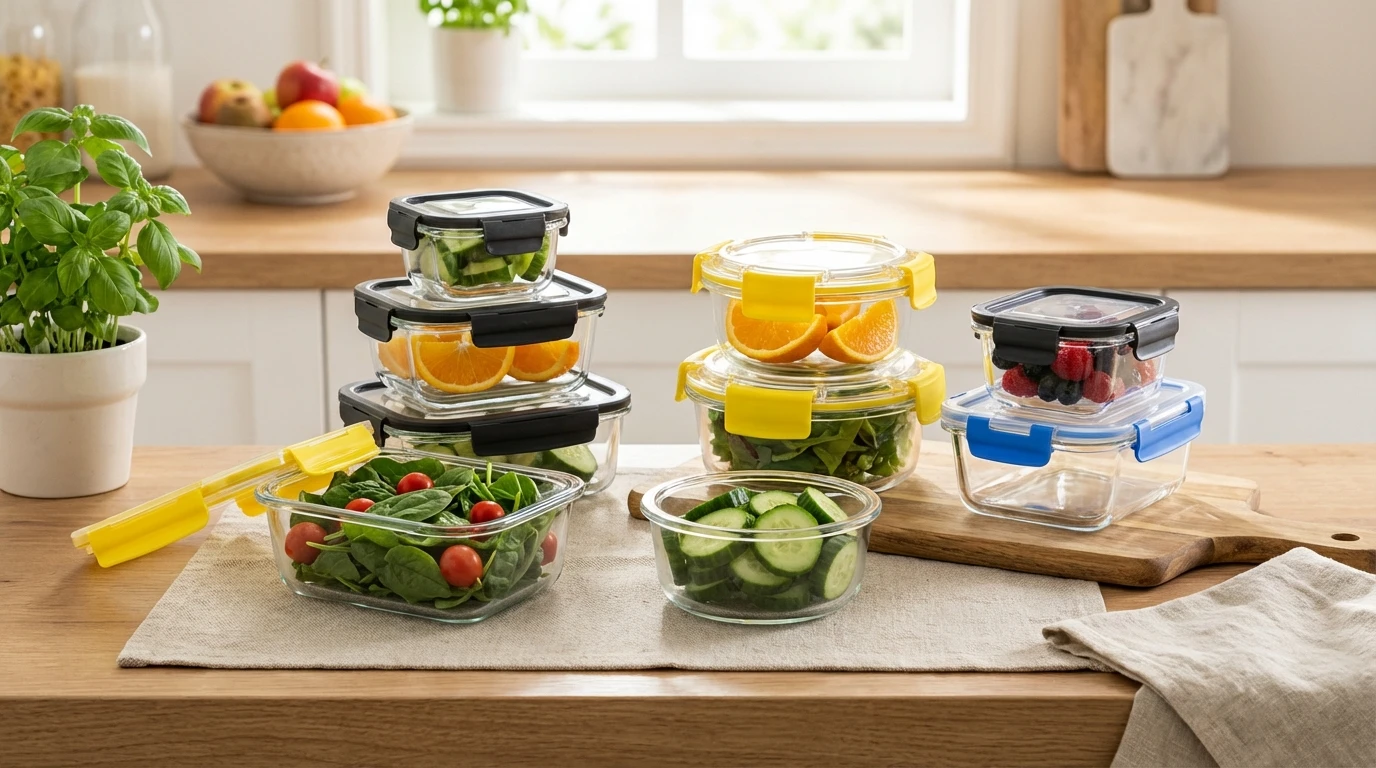
Premium Borosilicate Glass Flask – Durable, Chemical Resistant Labware | Yinto Glassware
The Borosilicate Glass Flask: A Global Staple You Should Know About
If you’ve ever peeked into a chemistry lab, pharmaceutical production line, or clean-room environment, chances are you’ve come across the borosilicate glass flask. This unassuming piece of glassware is actually a fascinating technical marvel with far-reaching significance — from scientific research to sustainable industrial applications. But why does it matter? Globally, these flasks have quietly enabled safer and more reliable experimentation, contributed to innovative manufacturing, and even supported humanitarian efforts that hinge on clean, corrosion-resistant materials.
Understanding the borosilicate glass flask isn’t just geeky glass talk. It’s about appreciating how a smart material choice can ripple into better safety, efficiency, and even eco-friendly practices worldwide.
Setting the Scene: Why Globally Relevant Are Borosilicate Glass Flasks?
Frankly, the world’s reliance on robust, chemically stable vessels is undeniable. Per ISO standards for laboratory glassware, borosilicate glass remains the material of choice for over 90% of controlled chemical experiments worldwide. The United Nations Industrial Development Organization (UNIDO) has even highlighted borosilicate glass for its role in enabling sustainable industrial development, thanks to its durability and reusability.
But here’s the catch: while plastic alternatives grow in popularity due to cost and weight advantages, they often fall short in extreme heat resistance, chemical stability, and lifespan. This makes borosilicate glass flasks irreplaceable in high-stakes settings such as pharmaceutical manufacturing, high-temperature reactions in chemistry, and secure storage of volatile substances.
Operator safety and product integrity demand an industry-standard flask that won’t crater or shatter upon every minor thermal shock or spill. That’s where borosilicate glass shines — literally and figuratively.
Mini takeaway: In a globally diversifying industrial landscape, borosilicate glass flasks anchor quality control and safety across multiple critical fields.
What Exactly Is a Borosilicate Glass Flask?
The answer sounds simple, but it’s layered. Simply put, a borosilicate glass flask is a type of laboratory glassware crafted from borosilicate glass — a specialized glass made by fusing silica and boron trioxide. This blend imparts remarkable resistance to thermal shock, chemical corrosion, and mechanical stress.
These flasks come in various shapes — round-bottom, flat-bottom, volumetric — all designed to suit specific laboratory and industrial needs.
More than just a container, the borosilicate glass flask is a linchpin in modern industries like pharmaceuticals, biotech, and environmental science. Its stability and clarity allow accurate observation of reactions and precise measurements, fulfilling the strict requirements of regulatory bodies such as the FDA and EMA.
Mini takeaway: The borosilicate glass flask is more than glassware — it’s a performance-critical component in globally compliant labs and industries.
Core Components and Key Factors of Borosilicate Glass Flasks
1. Durability & Thermal Resistance
Unlike ordinary glass, borosilicate withstands dramatic temperature swings — roughly 500°C without cracking. It means you can go from hot autoclaves to ice baths without worry. Many industrial processes require this adaptability for cleaning, sterilization, and heating.
2. Chemical Inertness
Most acids, bases, and solvents will not degrade or react with the flask’s surface. This inertness is crucial for maintaining product purity, especially in pharmaceutical and chemical synthesis applications.
3. Transparency and Optical Clarity
Scientists and operators rely on visual cues — color changes, precipitates, phase separation — and the crystal-clear surface allows that without distortion.
4. Customization and Size Range
From tiny 10ml vessels to industrial-scale 5L or 10L flasks, manufacturers cater to diverse needs. Custom joint sizes and flask designs can tailor utility across experimental, pilot, and full-scale production.
5. Ease of Sterilization
Can be sterilized repeatedly using heat, chemicals, or radiation without deteriorating, which is a big advantage over plastics that degrade over time.
Mini takeaway: These factors combine to make borosilicate glass flasks a versatile staple in modern labs and factories.
Examples of Borosilicate Glass Flask Applications Worldwide
- Pharmaceutical Manufacturing: In countries like Germany and Japan, precision drug synthesis hinges on borosilicate glass flasks to ensure active compounds aren’t contaminated.
- Educational Institutions: Universities across the US and UK use them for repeatable experiments requiring exact chemical environments.
- Environmental Labs: In remote monitoring stations in the Arctic and Amazon, these flasks endure harsh climates to collect and analyze samples safely.
- Humanitarian Relief: Post-disaster relief groups sometimes rely on borosilicate flasks for onsite testing of water contamination — where plastic alternatives might not be safe or durable enough.
It’s worth noting that many research organizations prioritize glassware procurement based on ISO standards to ensure consistent results and regulatory compliance.
Mini takeaway: From remote ecosystems to high-tech pharma labs, borosilicate flasks deliver under conditions plastic just can’t handle.
Advantages and Long-Term Value of Borosilicate Glass Flasks
To put it lightly, these flasks are an investment in reliability and safety. Here are some tangible benefits:
- Cost-Effectiveness: While initially pricier than plastics or soft glass, their long service life offsets replacement costs.
- Sustainability: Reusable and fully recyclable, borosilicate glass flasks contribute to circular economy goals.
- Safety and Trust: Their resistance to shattering reduces laboratory accidents, building stronger trust with workers and regulatory inspectors.
- Innovation Enabler: Enables complex experiments that demand heat and chemical resistance, acting as a quiet backbone to scientific progress.
Oddly enough, many end-users don’t realize how pivotal this glass chemistry has been in developing vaccines, pure chemicals, and advanced materials during the past decades.
Product Specification Table: Borosilicate Glass Flask Models
| Model | Volume (ml) | Neck Size (mm) | Thermal Resistance (°C) | Weight (g) |
|---|---|---|---|---|
| BGF-100 | 100 | 24 | 500 | 140 |
| BGF-500 | 500 | 29 | 500 | 410 |
| BGF-1000 | 1000 | 45 | 500 | 720 |
Not All Vendors Are Equal: A Quick Comparison
| Vendor | Price Range (USD) | Customization Options | Lead Time (weeks) | Global Shipping |
|---|---|---|---|---|
| Yinto Glassware | $$$ | Extensive (volumes, neck sizes) | 3-5 | Yes |
| GlassLab Corp. | $$ | Limited (mostly stock items) | 2-4 | Domestic only |
| ChemWare Solutions | $$$$ | Highly specialized | 4-6 | Selective regions |
Emerging Trends and Innovation on the Horizon
Interestingly, manufacturers are now exploring borosilicate glass flasks embedded with coatings to further resist chemical corrosion or enhance durability. Others focus on integrating smart sensors into flasks, tracking temperature and pH in real time.
Sustainability trends also push toward reducing carbon footprints in production and shipping. Lightweight yet robust borosilicate flasks are being favored over bulky alternatives, cutting logistics emissions.
Finally, automation in glassware manufacturing speeds up quality assurance processes, meaning fewer defects and more consistent performance — a game changer for industries where reliability can’t be compromised.
Tackling Challenges: How the Industry Is Evolving
Even the best glass has its quirks. While tough, borosilicate glass flasks can still break under impact — shipping and handling remain critical risks. Fortunately, innovative packaging solutions and robotic inspections now reduce errors and damage during transit.
Another challenge is cost; some labs find initial investments steep. However, ongoing discussions about scaling production and standardizing global glassware standards aim to bring prices down and increase availability worldwide.
Frequently Asked Questions About Borosilicate Glass Flasks
- Q1: What distinguishes a borosilicate glass flask from regular glass flasks?
- A borosilicate glass flask contains boron trioxide, granting it superior thermal and chemical resistance compared to regular soda-lime glass. This means it can safely endure rapid temperature changes and harsh chemicals without cracking or corroding.
- Q2: How long can I expect a borosilicate glass flask to last in a busy lab?
- With proper handling and regular sterilization, these flasks can last several years — often five to ten — making them more economical than frequent plastic replacements prone to degradation.
- Q3: Can I use borosilicate flasks for storing aggressive solvents?
- Yes, their chemical inertness makes them well-suited for most acids, bases, and solvents. Be sure to check specific manufacturer compatibility charts, though, for extremely reactive substances.
- Q4: Are borosilicate glass flasks recyclable?
- Absolutely. Borosilicate glass is fully recyclable, often melted down to make new glassware or other products, supporting sustainable waste management.
Conclusion: Why Borosilicate Glass Flasks Are Worth Considering
Honestly, the borosilicate glass flask is a quiet hero in scientific and industrial communities worldwide. Its unmatched durability, chemical resistance, and clarity make it indispensable today and in the foreseeable future. For anyone looking to invest in quality, sustainability, and trusted performance, exploring options at Yinto Glassware is a solid first step.
And yes, while plastic might be easier on the pocket upfront, nothing quite matches the reliability and long-term value a borosilicate glass flask offers. As industries push toward greener, smarter labs, this glassware's role is only going to grow.
Final thought? Don’t underestimate the power of a well-made glass flask — it’s the vessel that holds discoveries, safety, and progress all at once.
References:
-
Ultimate Guide to Choosing Big Glass Storage Containers for Every NeedNewsApr.16,2026
-
Small Glass Lunch Containers Guide for Healthy Meal PrepNewsApr.09,2026
-
Comprehensive Guide to Choosing the Best Storage Containers for Dishes and GlassesNewsApr.07,2026
-
Selecting The Optimal 300ml Food Containers For Your Business NeedsNewsApr.04,2026
-
Discover the Benefits of Durable 3 Cup Glass Food Storage ContainersNewsMar.31,2026
-
Comprehensive Guide to Choosing Superior Glass Divided Food ContainersNewsMar.28,2026
![[Extra Large with Handle] Oven Safe Glass Food Storage Container with Airtight Locking Lid & Handle, Oven Safe Dishwasher Safe](https://images.exportstart.com/images/a1251/extra-larger-glass-container-with-snap-locking-lid-164.webp "[Extra Large with Handle] Oven Safe Glass Food Storage Container with Airtight Locking Lid & Handle, Oven Safe Dishwasher Safe")
![[All Microwave Safe] High Borosilicate Glass Food Storage Container , Oven Safe without Lid, Dishwasher Safe](https://images.exportstart.com/images/a1251/squre-glass-container-with-glass-lid-518.webp "[All Microwave Safe] High Borosilicate Glass Food Storage Container , Oven Safe without Lid, Dishwasher Safe")
![[Sliding Vent PP Lid] Borosilicate Glass Food Storage Containers with Food-grade Plastic Lid, Airtight, Leak Resistant](https://images.exportstart.com/images/a1251/glass-food-storage-container-with-airtight-lid-183.webp "[Sliding Vent PP Lid] Borosilicate Glass Food Storage Containers with Food-grade Plastic Lid, Airtight, Leak Resistant")
![[Large Skylight Glass Lid] Glass Food Storage Container, Oven Safe with Lid, BPA Free, 100% Leak resistant](https://images.exportstart.com/images/a1251/glass-lid-food-storage-container-1-1-196.webp "[Large Skylight Glass Lid] Glass Food Storage Container, Oven Safe with Lid, BPA Free, 100% Leak resistant")
![[Colorful Vent PP Lid] Glass Food Storage Container, BPA Free, Leakproof, Dishwasher Safe](https://images.exportstart.com/images/a1251/002-1-639.webp "[Colorful Vent PP Lid] Glass Food Storage Container, BPA Free, Leakproof, Dishwasher Safe")
![[Color Vent PP Lid] Borosilicate Glass Food Storage Container, Leakproof, Dishwasher Safe](https://images.exportstart.com/images/a1251/1-941.webp "[Color Vent PP Lid] Borosilicate Glass Food Storage Container, Leakproof, Dishwasher Safe")
![[Vacuum AS] Food Storage Container with Pump](https://images.exportstart.com/images/a1251/7-1-397.webp "[Vacuum AS] Food Storage Container with Pump")