 TEL: +86 18903393212
 Email: tina@yintoglassware.com

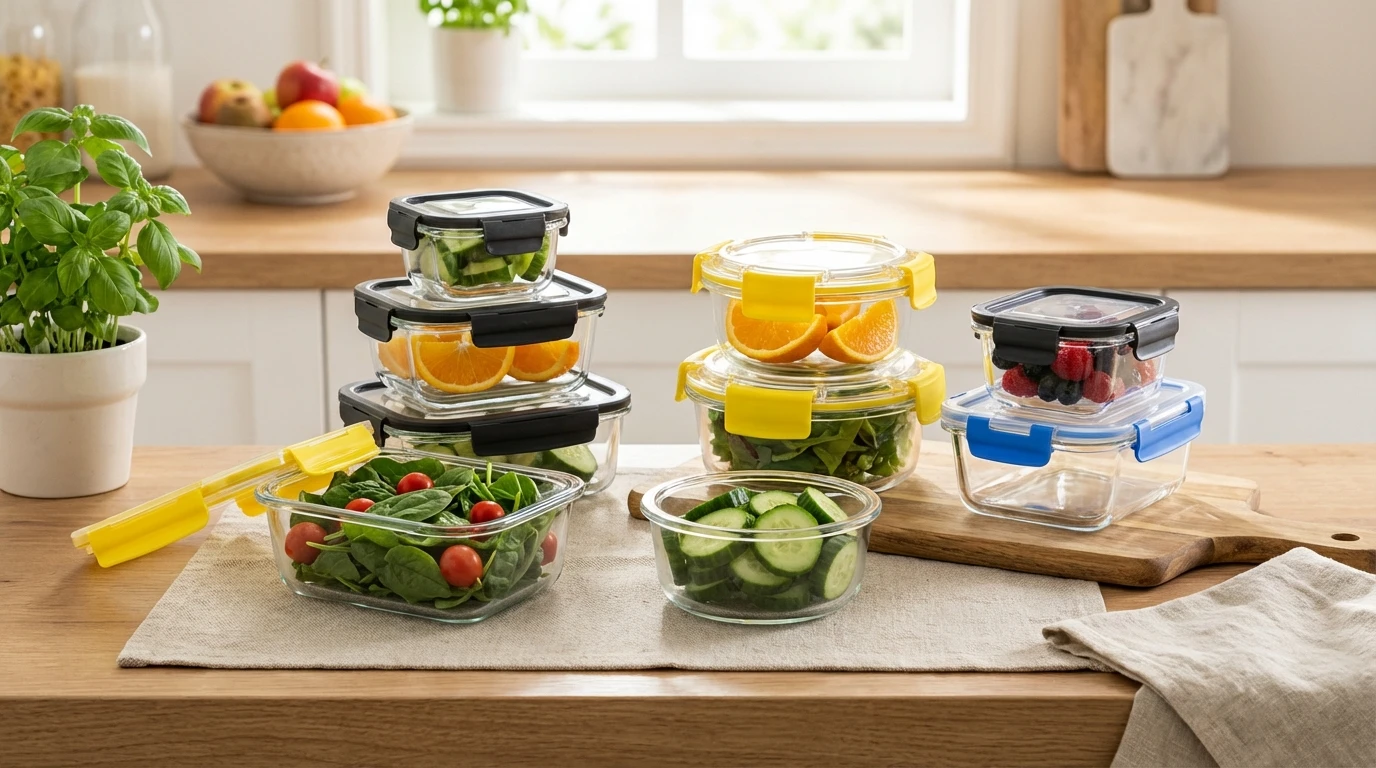
What Is a Double Wall Cup? Insights From Industry Experts
What Is a Double Wall Cup?
Having spent more than a decade in industrial equipment — yes, those gritty manufacturing floors where even a coffee break counts — I came to appreciate the humble yet ingenious design of the double wall cup. You might see these cups in a trendy café or on the desk of engineers who can't stand lukewarm drinks. But, in real terms, what exactly are they, and why are they such a quiet revolution?
Simply put, a double wall cup consists of two layers of material with a small gap in between. This design isn't new—think of a thermos flask on a mini scale—but it’s been fine-tuned for everyday usability, especially in industrial and commercial environments where temperature control and durability matter.
Oddly enough, the concept appeals to engineers and end users alike, though for subtly different reasons. Users love how it keeps coffee hot without burning their hands, while engineers admire the well-balanced thermal insulation and the efficient use of materials.
Material and Design Insights
Most double wall cups you’ll find—from suppliers like Yinto Glassware—use borosilicate glass or stainless steel. Borosilicate is sort of magical in that it handles sudden temperature changes without cracking (that’s because its thermal expansion is minimal). Stainless steel variants, on the other hand, often feature vacuum seals to further cut heat transfer.
From my experience, the key in manufacturing these cups lies in precision bonding between the two walls to ensure that the air pocket (or vacuum, depending on the model) stays intact under stress. Mild shocks, thermal cycling, and dishwasher cycles are common stress tests before any product hits the shelves.
| Specification | Typical Value |
|---|---|
| Material | Borosilicate Glass / Stainless Steel |
| Capacity Range | 150 ml – 450 ml |
| Thermal Insulation | Keeps temperature for 1-2 hours |
| Weight | 150 – 250 grams |
| Microwave Safe | Glass: Yes / Steel: No |
Why Opt For Double Wall Over Single Wall?
I remember noticing in the field (especially in cold environments like warehouses or assembly lines during winter), workers were constantly either reheating drinks or dealing with sweaty condensation rings on their desks. Double wall cups solve this—they keep drinks hot or cold longer, and no condensation means fewer ruined documents or electronics around.
Plus, the insulating layer means the outer surface stays comfortable to hold. Even with boiling coffee inside, your fingers won't feel like they’re on a stove! It sounds basic but it’s a thoughtful design improvement. Frankly, it reduces small frustrations that add up during a busy workday.
Comparing Top Vendors in Double Wall Cups
Not all double wall cups are created equal, though. Here’s a quick comparison of well-known suppliers, based on my experience and industry chatter:
| Vendor | Material Options | Price Range (USD) | Unique Feature | Warranty |
|---|---|---|---|---|
| Yinto Glassware | Borosilicate Glass | 12 – 25 | Custom logo & design options | 1 year |
| ThermoTech Co. | Stainless Steel | 18 – 35 | Vacuum insulated, spill proof lids | 2 years |
| ClearView Cups | Glass & Plastic Composite | 10 – 20 | Stackable design, lighter weight | 6 months |
That said, the choice usually depends on your priorities — is it durability, cost, or a fancy feature like spill resistance? I once had a client in the automotive parts industry request Yinto Glassware cups customized with their logo for their engineering teams. They loved the look and usability, emphasizing that the cups held up to long shifts and repeated washings, which is no small feat.
In summary, the double wall cup is a clever, practical product that quietly enhances daily routines in industrial settings and beyond. It’s a reminder that simple things, when thoughtfully designed, can solve real problems — sometimes those little comforts fuel productivity more than you’d expect.
To a warmer, sturdier cup of coffee (or tea) on your workbench…
References
- "Thermal Properties of Borosilicate Glass," Journal of Materials Science, 2019.
- "Vacuum Insulated Containers: Manufacturing and Usage," Industrial Equipment Review, 2021.
- Personal experience in sourcing and quality testing for industrial products, 2010-2023.
-
Ultimate Guide to Choosing Big Glass Storage Containers for Every NeedNewsApr.16,2026
-
Small Glass Lunch Containers Guide for Healthy Meal PrepNewsApr.09,2026
-
Comprehensive Guide to Choosing the Best Storage Containers for Dishes and GlassesNewsApr.07,2026
-
Selecting The Optimal 300ml Food Containers For Your Business NeedsNewsApr.04,2026
-
Discover the Benefits of Durable 3 Cup Glass Food Storage ContainersNewsMar.31,2026
-
Comprehensive Guide to Choosing Superior Glass Divided Food ContainersNewsMar.28,2026
![[Extra Large with Handle] Oven Safe Glass Food Storage Container with Airtight Locking Lid & Handle, Oven Safe Dishwasher Safe](https://images.exportstart.com/images/a1251/extra-larger-glass-container-with-snap-locking-lid-164.webp "[Extra Large with Handle] Oven Safe Glass Food Storage Container with Airtight Locking Lid & Handle, Oven Safe Dishwasher Safe")
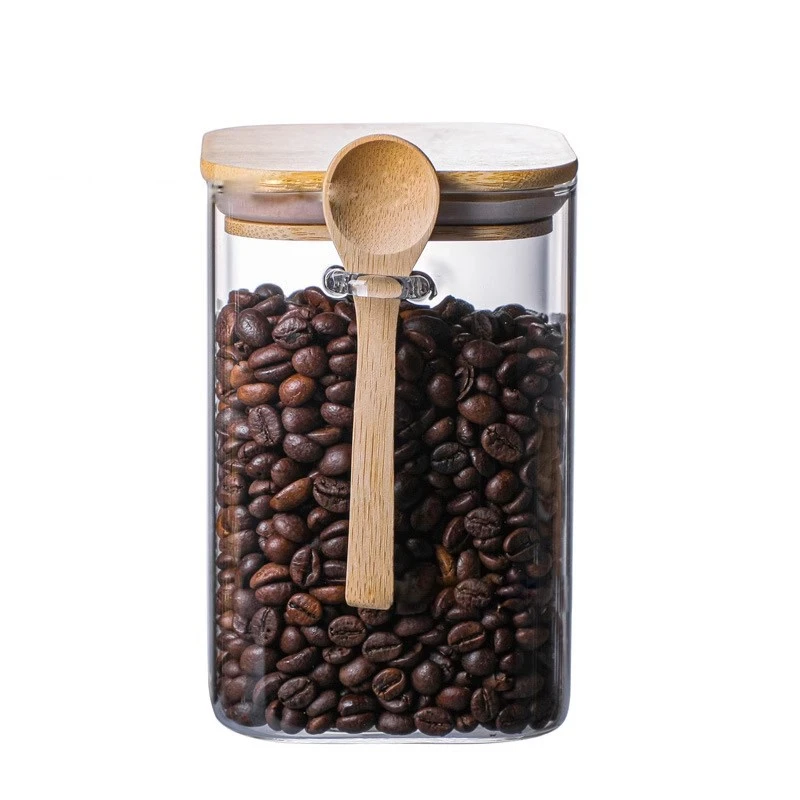
![[All Microwave Safe] High Borosilicate Glass Food Storage Container , Oven Safe without Lid, Dishwasher Safe](https://images.exportstart.com/images/a1251/squre-glass-container-with-glass-lid-518.webp "[All Microwave Safe] High Borosilicate Glass Food Storage Container , Oven Safe without Lid, Dishwasher Safe")
![[Sliding Vent PP Lid] Borosilicate Glass Food Storage Containers with Food-grade Plastic Lid, Airtight, Leak Resistant](https://images.exportstart.com/images/a1251/glass-food-storage-container-with-airtight-lid-183.webp "[Sliding Vent PP Lid] Borosilicate Glass Food Storage Containers with Food-grade Plastic Lid, Airtight, Leak Resistant")
![[Large Skylight Glass Lid] Glass Food Storage Container, Oven Safe with Lid, BPA Free, 100% Leak resistant](https://images.exportstart.com/images/a1251/glass-lid-food-storage-container-1-1-196.webp "[Large Skylight Glass Lid] Glass Food Storage Container, Oven Safe with Lid, BPA Free, 100% Leak resistant")
![[Colorful Vent PP Lid] Glass Food Storage Container, BPA Free, Leakproof, Dishwasher Safe](https://images.exportstart.com/images/a1251/002-1-639.webp "[Colorful Vent PP Lid] Glass Food Storage Container, BPA Free, Leakproof, Dishwasher Safe")
![[Color Vent PP Lid] Borosilicate Glass Food Storage Container, Leakproof, Dishwasher Safe](https://images.exportstart.com/images/a1251/1-941.webp "[Color Vent PP Lid] Borosilicate Glass Food Storage Container, Leakproof, Dishwasher Safe")
![[Vacuum AS] Food Storage Container with Pump](https://images.exportstart.com/images/a1251/7-1-397.webp "[Vacuum AS] Food Storage Container with Pump")