 TEL: +86 18903393212
 Email: tina@yintoglassware.com

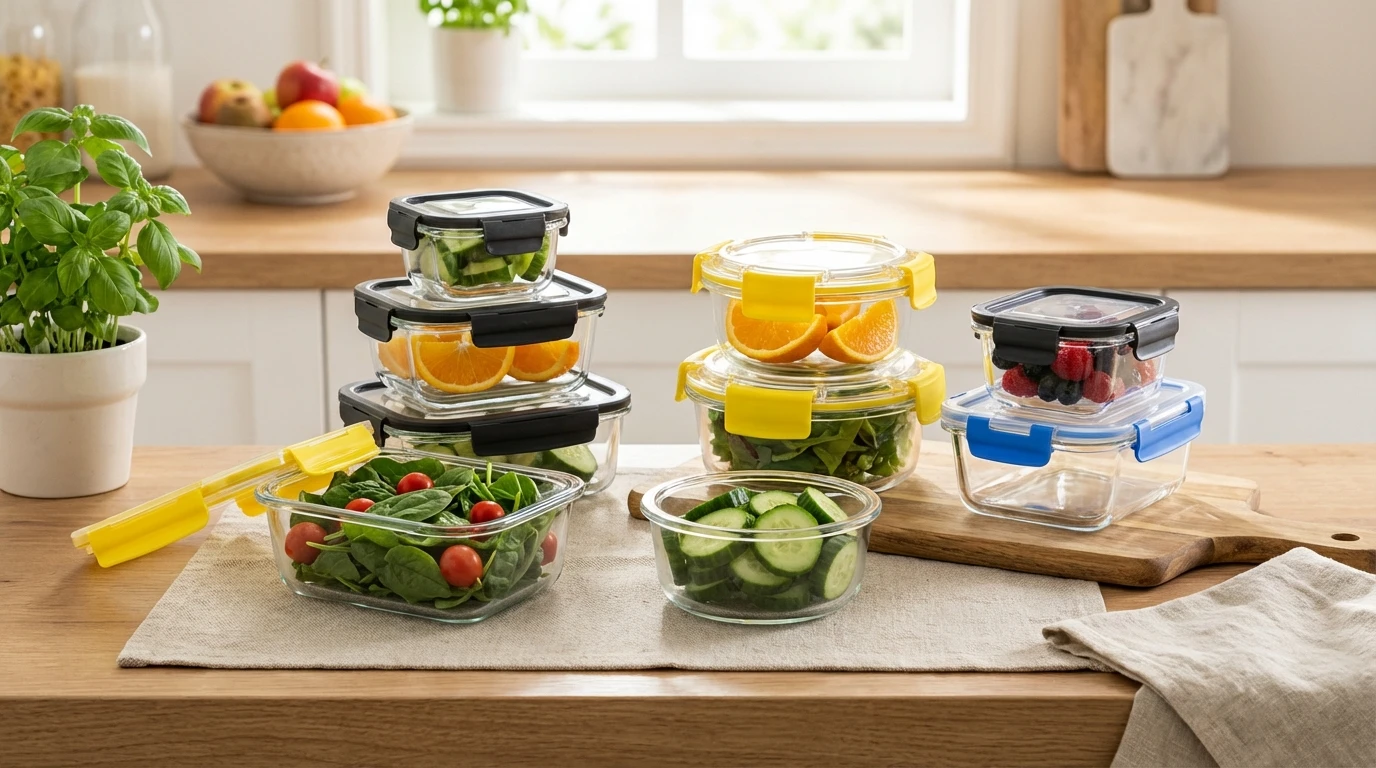
Premium 25oz Frosted Glass Bottles for Sustainable Packaging & Branding
Understanding the 25oz Frosted Glass Bottle: Why It Matters Today
When you first hear "25oz frosted glass bottle," you might just think of a trendy kitchen shelf or a vintage-inspired drink container. But dig a little deeper, and you find it’s actually a surprisingly important element in industries ranging from cosmetics to sustainable packaging. As global consumers and manufacturers grow more environmentally conscious, frosted glass bottles sized around 25 ounces are becoming go-to solutions—combining style, durability, and eco-friendliness in a way that plastic just can’t match anymore.
Understanding this simple container's role helps industries innovate packaging while meeting strict environmental standards set by organizations like the ISO and encouraging more circular economies worldwide.
Global Relevance of the 25oz Frosted Glass Bottle
Glass packaging as a whole is a $70+ billion industry globally, and frosted glass bottles represent a premium segment that's growing at nearly 8% annually according to recent market reports. The 25oz size hits a sweet spot between personal use and professional applications—big enough for body lotions, artisanal beverages, or small-batch sauces, yet still practical for logistics. It’s no surprise many brands in Europe, North America, and parts of East Asia are shifting to frosted bottles to reduce plastic waste, driven by consumer demand and stricter sustainability regulations.
One challenge the industry faces, however, is balancing the aesthetic and tactile benefits of frosting with manufacturing costs and fragility in transport — quite a packaging puzzle.
Mini takeaway: The 25oz frosted glass bottle isn’t just a container, it’s a global player — addressing environmental needs and consumer trends simultaneously.
What Exactly is a 25oz Frosted Glass Bottle?
Simply put, a 25oz frosted glass bottle is a glass container holding approximately 25 fluid ounces, treated with a frosting effect—usually via sandblasting or acid etching—that diffuses light for a matte look and softer grip. This frosted finish is more than decorative. It protects contents from UV rays, improves product visibility by reducing glare, and adds a tactile quality that consumers find appealing.
Industrially, these bottles are used in cosmetics (lotions, serums), gourmet food (sauces, infused oils), beverages (cold-pressed juices, craft drinks), and even pharmaceuticals. Their design balances aesthetic appeal with utility and compliance with global packaging standards.
Key Factors That Make the 25oz Frosted Glass Bottle Stand Out
1. Durability & Protection
These bottles are made from tempered or annealed glass, which offers decent resistance to breakage. The frosted layer adds minimal compromise to strength but improves resistance to fingerprint marks and scratches.
2. Eco-Friendly & Recyclable
Glass is 100% recyclable without losing quality—a huge advantage over common plastics. Many manufacturers emphasize recycled glass content to further reduce carbon footprints.
3. Enhanced Product Preservation
UV protection from frosting limits chemical degradation inside the bottle, preserving sensitive ingredients in cosmetics or foods longer.
4. Versatile Design & Branding
The frosted surface lends itself beautifully to custom prints and labels, making each bottle a canvas for brand storytelling.
5. Cost Efficiency Considerations
While frosted bottles cost more initially, their premium look often allows brands to justify higher price points, offsetting increased production costs.
Mini takeaway: It’s a rare mix — durability, elegance, and eco-consciousness, all in one vessel.
Product Specifications of a Typical 25oz Frosted Glass Bottle
| Specification | Details |
|---|---|
| Capacity | 25 US fluid ounces (approx. 739 ml) |
| Material | Tempered soda-lime glass with frost finish |
| Finish Type | Matte Frosted (sandblasted/acid etched) |
| Weight (Empty) | ~400 grams |
| Neck Size | Standard 28mm |
| Suitable Caps | Screw caps, pump dispensers, cork stoppers |
Where and How Are 25oz Frosted Glass Bottles Used Globally?
From upscale cosmetic brands in France to natural olive oil producers in Italy and craft cold-brew companies in California, these bottles have an impressive range of applications. In East Asia, health supplement producers prefer frosted glass for its UV protection and premium feel. Oddly enough, some NGOs even supply these bottles in disaster zones for potable water distribution, preferring glass for reuse and sterilization benefits over plastic alternatives.
Meanwhile, regulatory trends in the EU and US push manufacturers to adopt sustainable packaging — making frosted glass bottles increasingly central to corporate responsibility goals.
Mini takeaway: Whether in a spa, a farmer’s market, or a disaster relief kit, these bottles quietly deliver style and substance worldwide.
Comparing Leading Vendors for 25oz Frosted Glass Bottles
| Vendor | MOQ | Customization Options | Lead Time | Price per Unit |
|---|---|---|---|---|
| Yinto Glassware | 500 pcs | Frost finish, logo printing, cap styles | 3-4 weeks | $1.85 |
| GlassCo International | 1000 pcs | Selective frosting, embossing | 5-6 weeks | $2.10 |
| EcoBottle Works | 250 pcs | 100% recycled glass, matte frost | 4 weeks | $2.05 |
What Are the Advantages of Choosing a 25oz Frosted Glass Bottle?
- Sustainability: Glass is endlessly recyclable and avoids microplastic pollution.
- Brand Appeal: The frosted look signals quality, boosting consumer trust and perceived value.
- Preservation: UV protection helps keep natural ingredients fresh longer.
- Emotional Connection: Using glass makes customers feel safer, more eco-aware, and connected to artisanal craftsmanship.
All in all, these advantages translate into long-term value for manufacturers and end-users — a rare win-win in modern packaging.
Innovations and Future Directions in Frosted Glass Bottles
With sustainability pushing harder, the future points toward incorporating green production energy, using more post-consumer recycled glass, and even smart packaging tech like NFC tags for supply chain transparency. Automation in frosting techniques is improving precision and consistency, bringing costs down while allowing more design freedom.
Futuristically, imagine a frosted glass bottle that changes opacity or color with temperature — dozens of patents are trending in this space. While these are early days, they underscore how something as simple as a 25oz bottle can evolve dramatically in coming years.
Addressing Challenges: Fragility and Cost
Of course, glass isn’t perfect. Transport breakage rates can be frustrating, and upfront costs still exceed plastics by 30–50%. But clever packaging design, better cushioning, and strategic partnerships help minimize losses. Expert manufacturers advise balancing shipping volume with protective measures and leveraging the bottle’s premium look to command higher price points that offset costs.
FAQ: Your Top Questions on 25oz Frosted Glass Bottles
Q1: Can I customize the frosting texture and opacity?
A: Absolutely. Most vendors offer a range from light matte to full sandblasted frost. Some even let you do partial frosting or embossed designs for unique tactile effects.
Q2: How eco-friendly are frosted glass bottles compared to plastic?
A: Glass is infinitely recyclable without quality loss, unlike plastic. It also doesn’t leach chemicals. If you use recycled glass for production, your carbon footprint drops significantly compared to virgin plastic bottles.
Q3: Are 25oz frosted glass bottles suitable for hot liquids?
A: Typically no. Most are designed for room temperature or chilled products. Glass can handle hot contents, but frosting techniques might reduce thermal shock resistance, so check with your supplier.
Q4: What’s the typical lead time for ordering these bottles in bulk?
A: It varies by supplier but usually ranges between 3-6 weeks depending on customization and order volume.
Q5: How can I ensure packaging safety during shipment?
A: Use proper cushioning materials, double-box fragile items, and choose trusted logistics partners. Some manufacturers offer protective packaging solutions to help reduce breakage.
Wrapping Up: Why the 25oz Frosted Glass Bottle is a Smart Choice
To sum up, the 25oz frosted glass bottle offers a remarkable combination of environmental responsibility, product protection, and premium user experience. Whether you’re launching a new eco-conscious skincare line or a boutique pressed juice brand, these bottles speak volumes about quality and care. The market only grows more competitive, and investing in sustainable, elegant packaging today feels like a smart move for longevity and brand trust.
If you’re interested in exploring options or need a trusted partner, check out the 25oz frosted glass bottle collection by Yinto Glassware — industry experts who’ve been helping brands elevate their packaging game with reliability and style.
Mini takeaway: A simple bottle, when chosen wisely, shapes a brand’s future and protects the planet—a subtle but powerful shift we all can appreciate.
References
-
Ultimate Guide to Choosing Big Glass Storage Containers for Every NeedNewsApr.16,2026
-
Small Glass Lunch Containers Guide for Healthy Meal PrepNewsApr.09,2026
-
Comprehensive Guide to Choosing the Best Storage Containers for Dishes and GlassesNewsApr.07,2026
-
Selecting The Optimal 300ml Food Containers For Your Business NeedsNewsApr.04,2026
-
Discover the Benefits of Durable 3 Cup Glass Food Storage ContainersNewsMar.31,2026
-
Comprehensive Guide to Choosing Superior Glass Divided Food ContainersNewsMar.28,2026
![[Extra Large with Handle] Oven Safe Glass Food Storage Container with Airtight Locking Lid & Handle, Oven Safe Dishwasher Safe](https://images.exportstart.com/images/a1251/extra-larger-glass-container-with-snap-locking-lid-164.webp "[Extra Large with Handle] Oven Safe Glass Food Storage Container with Airtight Locking Lid & Handle, Oven Safe Dishwasher Safe")
![[All Microwave Safe] High Borosilicate Glass Food Storage Container , Oven Safe without Lid, Dishwasher Safe](https://images.exportstart.com/images/a1251/squre-glass-container-with-glass-lid-518.webp "[All Microwave Safe] High Borosilicate Glass Food Storage Container , Oven Safe without Lid, Dishwasher Safe")
![[Sliding Vent PP Lid] Borosilicate Glass Food Storage Containers with Food-grade Plastic Lid, Airtight, Leak Resistant](https://images.exportstart.com/images/a1251/glass-food-storage-container-with-airtight-lid-183.webp "[Sliding Vent PP Lid] Borosilicate Glass Food Storage Containers with Food-grade Plastic Lid, Airtight, Leak Resistant")
![[Large Skylight Glass Lid] Glass Food Storage Container, Oven Safe with Lid, BPA Free, 100% Leak resistant](https://images.exportstart.com/images/a1251/glass-lid-food-storage-container-1-1-196.webp "[Large Skylight Glass Lid] Glass Food Storage Container, Oven Safe with Lid, BPA Free, 100% Leak resistant")
![[Colorful Vent PP Lid] Glass Food Storage Container, BPA Free, Leakproof, Dishwasher Safe](https://images.exportstart.com/images/a1251/002-1-639.webp "[Colorful Vent PP Lid] Glass Food Storage Container, BPA Free, Leakproof, Dishwasher Safe")
![[Color Vent PP Lid] Borosilicate Glass Food Storage Container, Leakproof, Dishwasher Safe](https://images.exportstart.com/images/a1251/1-941.webp "[Color Vent PP Lid] Borosilicate Glass Food Storage Container, Leakproof, Dishwasher Safe")
![[Vacuum AS] Food Storage Container with Pump](https://images.exportstart.com/images/a1251/7-1-397.webp "[Vacuum AS] Food Storage Container with Pump")