 TEL: +86 18903393212
 Email: tina@yintoglassware.com

Bamboo Glass Water Bottle: Sustainable, Stylish & Safe Hydration Solutions
Why the Bamboo Glass Water Bottle Matters: A Global Perspective
Water bottles are more than just containers today—they're statements about sustainability, design, and responsible consumption. Around the world, the bamboo glass water bottle is quietly gaining momentum as a sleek, eco-friendly alternative that's catching the eye of consumers, factories, and humanitarian organizations alike. The intertwining of bamboo and glass isn't just a trend; it’s a smart response to some pressing global issues. For instance, with the United Nations reporting over 2 billion people lacking access to safely managed drinking water (UN-Water, 2023), innovations that promote reusable, safe containers have never been more crucial.
In essence, understanding bamboo glass water bottles opens a window into a future where we marry nature and technology to curb plastic waste, empower local economies, and provide access to clean hydration—whether you’re hiking a mountain, working in an office, or coordinating disaster relief halfway across the globe.
Mini takeaway: The bamboo glass water bottle exemplifies how small product design tweaks can ripple into meaningful social and environmental change worldwide.
Setting the Stage: The Bamboo Glass Water Bottle in the Industry Today
Globally, plastic pollution and health safety concerns are driving demand for smarter, sustainable water bottles. According to a 2022 World Bank report, about 300 million tons of plastic waste are generated annually, with single-use bottles making a significant chunk. Meanwhile, ISO standards on food-safe materials push manufacturers to rethink packaging for daily consumer products.
The bamboo glass water bottle responds to these challenges with a twofold promise: bamboo’s rapid renewability and natural antimicrobial properties combined with the purity and recyclability of glass. Yet, scaling this solution and maintaining durability and cost competitiveness remain obstacles to overcome.
What Exactly Is a Bamboo Glass Water Bottle?
Simply put, a bamboo glass water bottle consists of a borosilicate glass container encased or capped with bamboo elements—often the lid or a protective sleeve. This pairing merges glass’s inertness and clarity with bamboo’s eco-friendly, lightweight, and stylish characteristics.
From an industrial perspective, it aligns with modern consumer goods trends that blend sustainability with lifestyle appeal. It's not just for the environmentally conscious hipster; many aid organizations value the bottle's safety and biodegradability as they distribute water solutions in resource-poor settings.
Core Components That Make the Bamboo Glass Water Bottle Stand Out
1. Durability & Safety
Borosilicate glass used in these bottles resists thermal shocks that would shatter ordinary glass. Bamboo elements serve as shock absorbers or handles, reducing breakage risk. This means you’re less likely to waste a bottle, which is great for long-term usage.
2. Sustainability
Bamboo grows incredibly fast and sequesters carbon efficiently. It’s a low-impact material that replaces plastic components in bottles that often end up in landfills. The glass portion is recyclable and can be sterilized repeatedly.
3. Aesthetic & Ergonomics
The tactile feel of bamboo wrapped around glass offers a warm, natural contrast to cold glass. It’s a subtle design nod that gives an authentic, minimalistic style quite popular in today’s market.
4. Scalability & Manufacturing
Roughly speaking, mixing bamboo with glass requires careful assembly—bamboo parts need to be treated and finished for moisture resistance. While not quite as simple as a standard plastic bottle, production processes are catching up, especially as demand rises.
5. Cost Efficiency
Despite slightly higher upfront costs than plastic, bamboo glass water bottles can offer savings long-term by reducing replacement cycling and improving brand value for eco-conscious consumers.
Mini takeaway: The bamboo glass water bottle balances natural materials and durability, helping brands stand out while meeting practical needs.
How and Where Bamboo Glass Water Bottles Are Making a Difference
These bottles find homes in many niches:
- Outdoor enthusiasts: Lightweight enough for trekking yet resilient enough for daily use.
- Corporate gifting and branding: Sustainable giveaways that resonate with green values.
- NGOs and relief agencies: Safe, reusable containers for water distribution in emergency zones.
- Local crafts markets in Asia and Africa: Bamboo sourcing supports farmers, glass production creates jobs.
Oddly enough, some tech companies in Europe have started providing bamboo glass water bottles as part of employee wellness packages, embracing not just what employees drink, but how they do so responsibly.
Advantages Beyond the Surface
Cost is one angle, but the bamboo glass water bottle offers benefits on several levels:
- Environmental impact: A marked reduction in plastic waste and carbon footprint.
- Health: Glass doesn't leach harmful chemicals; bamboo is naturally antimicrobial.
- Social value: Supports sustainable agriculture and fair trade in bamboo-growing regions.
- Emotional connection: Using a bottle that feels natural can strengthen mindful consumption habits.
Looking Ahead: Innovation and the Future of Bamboo Glass Water Bottles
Developers are exploring enhanced bamboo treatments for water resistance and longer lifespan. Additionally, combining smart tech—like temperature sensors or NFC tags—with bamboo glass offers novel user experiences. Sustainability regulations are also tightening worldwide, giving these bottles a regulatory push.
Common Challenges & How Experts Are Tackling Them
Manufacturers often wrestle with moisture affecting bamboo durability and uniform production at scale. Some are now investing in hydrophobic coatings derived from natural oils, extending life spans without compromising eco-friendliness.
Meanwhile, consumer education about care and handling is crucial—glass still needs gentler treatment than plastic, but the tradeoff is purity and reusability.
FAQ: Quick Answers About Bamboo Glass Water Bottles
- Are bamboo glass water bottles more fragile than plastic ones?
- While borosilicate glass is tougher than regular glass, it can still break if dropped hard. Bamboo sleeves help cushion impacts, but care is recommended.
- How do I clean and maintain these bottles?
- Hand washing is best to preserve the bamboo parts. Avoid soaking the bamboo for long periods; glass insides can be sterilized with boiling water or mild detergent.
- Is bamboo harvesting eco-friendly?
- Yes, bamboo grows quickly without needing pesticides or fertilizers, making it one of the planet’s most sustainable materials.
- Can bamboo glass bottles keep drinks hot or cold?
- Most are single-wall glass, so while you can fill hot or cold beverages, they don’t insulate like a thermos. Some makers are exploring double-wall versions.
- Where can I buy quality bamboo glass water bottles?
- Look for vendors with transparent sourcing and production ethics, like bamboo glass water bottle specialists.
Product Specification Table
| Feature | Details |
|---|---|
| Material | Borosilicate Glass + FSC Certified Bamboo |
| Capacity | 500 ml (standard); options up to 1 liter |
| Weight | Approx. 320 grams |
| Bamboo Finish | Natural, treated with food-safe sealant |
| Temperature Resistance | -20° to 150°C |
| Certifications | FDA, ISO 9001, FSC |
Top Vendor Comparison
| Vendor | Price Range | Origin | Sustainability Credentials | Warranty |
|---|---|---|---|---|
| EcoSip Co. | $18 - $25 | China | FSC, Fair Trade | 1 year |
| GreenFlow Global | $22 - $30 | Vietnam | ISO 9001, Local Bamboo Sourcing | 2 years |
| Yinto Glassware | $20 - $28 | China | FSC, FDA, ISO 9001 | 1 year |
Wrapping It Up: Why Bamboo Glass Water Bottles Are Worth Considering
At the end of the day, choosing a bamboo glass water bottle means endorsing a vision where materials aren’t just practical but purposeful. It's about reducing plastic’s chokehold on our planet, supporting eco-conscious economies, and enjoying a stylish, safe way to drink water.
If this resonates with your values or business needs, take a look at companies specializing in this space—like bamboo glass water bottle manufacturers—and join a small but growing wave of mindful hydration.
After all, how we drink water reflects how we treat the Earth and each other. Not a bad legacy, right?
References
-
Ultimate Guide to Choosing Big Glass Storage Containers for Every NeedNewsApr.16,2026
-
Small Glass Lunch Containers Guide for Healthy Meal PrepNewsApr.09,2026
-
Comprehensive Guide to Choosing the Best Storage Containers for Dishes and GlassesNewsApr.07,2026
-
Selecting The Optimal 300ml Food Containers For Your Business NeedsNewsApr.04,2026
-
Discover the Benefits of Durable 3 Cup Glass Food Storage ContainersNewsMar.31,2026
-
Comprehensive Guide to Choosing Superior Glass Divided Food ContainersNewsMar.28,2026
![[Extra Large with Handle] Oven Safe Glass Food Storage Container with Airtight Locking Lid & Handle, Oven Safe Dishwasher Safe](https://images.exportstart.com/images/a1251/extra-larger-glass-container-with-snap-locking-lid-164.webp "[Extra Large with Handle] Oven Safe Glass Food Storage Container with Airtight Locking Lid & Handle, Oven Safe Dishwasher Safe")
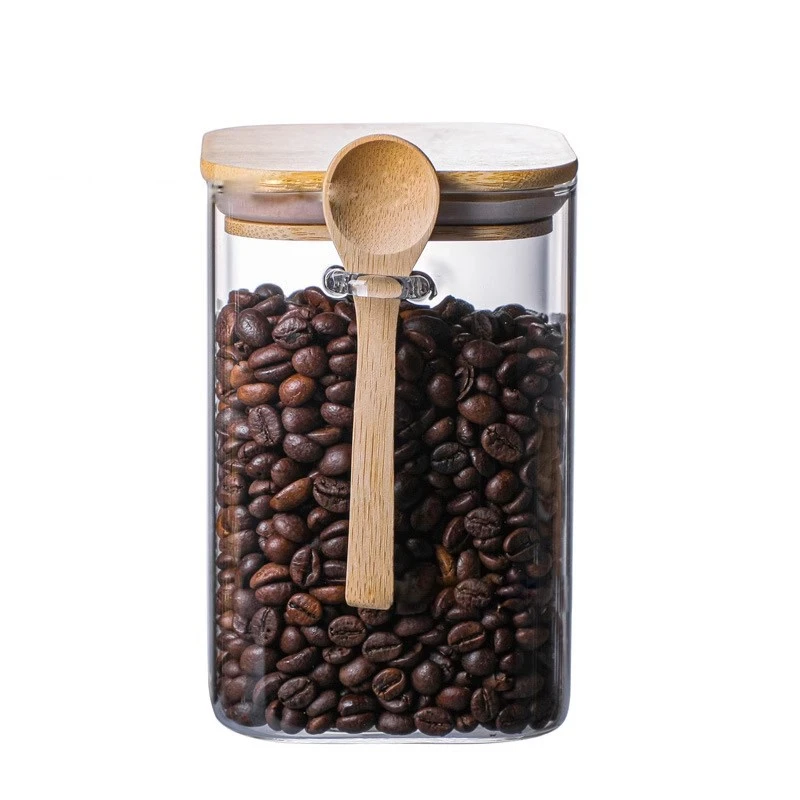
![[All Microwave Safe] High Borosilicate Glass Food Storage Container , Oven Safe without Lid, Dishwasher Safe](https://images.exportstart.com/images/a1251/squre-glass-container-with-glass-lid-518.webp "[All Microwave Safe] High Borosilicate Glass Food Storage Container , Oven Safe without Lid, Dishwasher Safe")
![[Sliding Vent PP Lid] Borosilicate Glass Food Storage Containers with Food-grade Plastic Lid, Airtight, Leak Resistant](https://images.exportstart.com/images/a1251/glass-food-storage-container-with-airtight-lid-183.webp "[Sliding Vent PP Lid] Borosilicate Glass Food Storage Containers with Food-grade Plastic Lid, Airtight, Leak Resistant")
![[Large Skylight Glass Lid] Glass Food Storage Container, Oven Safe with Lid, BPA Free, 100% Leak resistant](https://images.exportstart.com/images/a1251/glass-lid-food-storage-container-1-1-196.webp "[Large Skylight Glass Lid] Glass Food Storage Container, Oven Safe with Lid, BPA Free, 100% Leak resistant")
![[Colorful Vent PP Lid] Glass Food Storage Container, BPA Free, Leakproof, Dishwasher Safe](https://images.exportstart.com/images/a1251/002-1-639.webp "[Colorful Vent PP Lid] Glass Food Storage Container, BPA Free, Leakproof, Dishwasher Safe")
![[Color Vent PP Lid] Borosilicate Glass Food Storage Container, Leakproof, Dishwasher Safe](https://images.exportstart.com/images/a1251/1-941.webp "[Color Vent PP Lid] Borosilicate Glass Food Storage Container, Leakproof, Dishwasher Safe")
![[Vacuum AS] Food Storage Container with Pump](https://images.exportstart.com/images/a1251/7-1-397.webp "[Vacuum AS] Food Storage Container with Pump")