 TEL: +86 18903393212
 Email: tina@yintoglassware.com

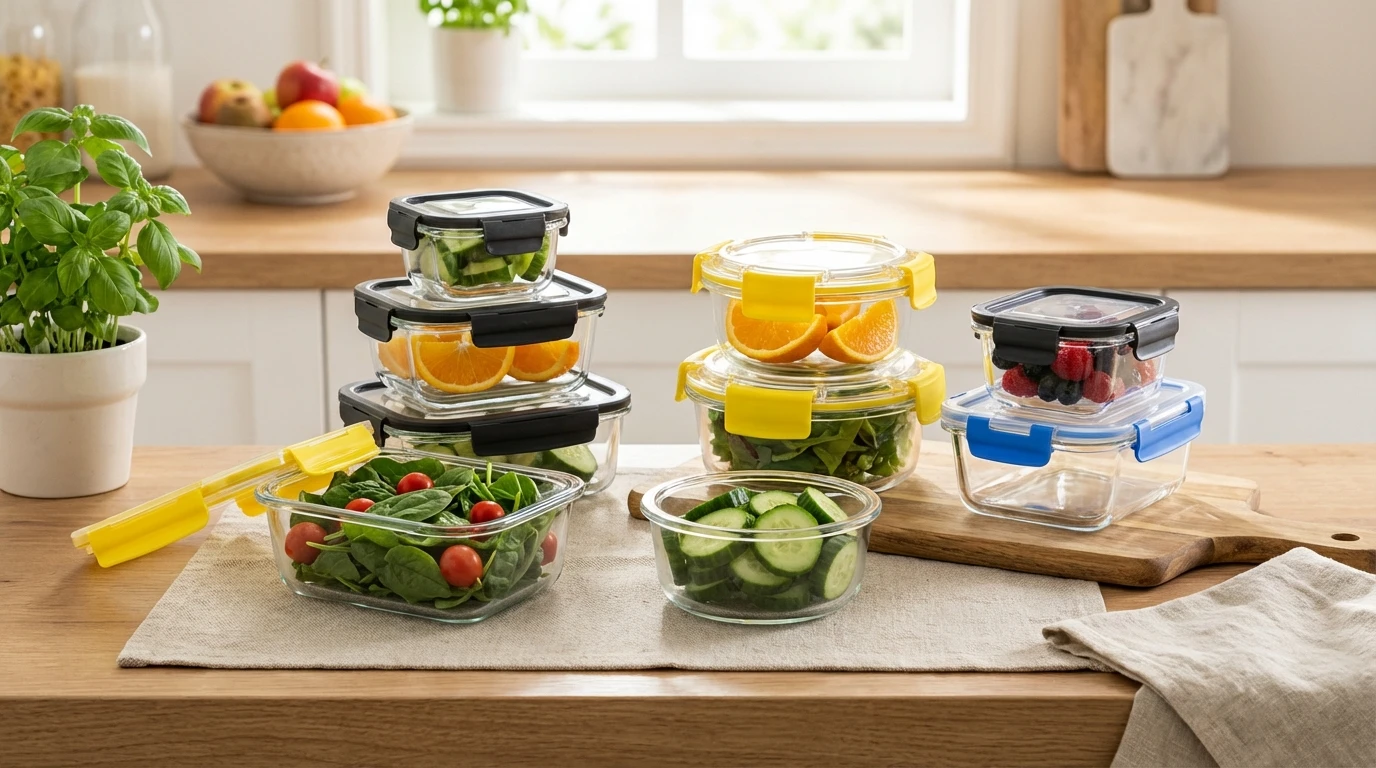
Durable 300ml Glass Water Bottle - Sustainable & Safe Hydration Solutions
Understanding the 300ml Glass Water Bottle: Why It Matters More Than You Think
At first glance, a 300ml glass water bottle might seem like just another reusable container on the market. Yet, beneath its simple silhouette lies a fascinating intersection of environmental consciousness, design innovation, and global sustainability needs. As the world scrambles to replace plastic waste and improve safe water access, understanding the role and benefits of such a bottle is more important than ever.
Globally, fresh water scarcity affects over 2 billion people according to the UN, and the proliferation of single-use plastic bottles is one of the most urgent environmental crises. In this context, the small but mighty 300ml glass water bottle offers a sustainable alternative, balancing portability, safety, and ecological responsibility.
Why the 300ml Glass Water Bottle Holds Global Relevance
The beverage container industry is enormous—ISO estimates suggest billions of bottles produced yearly, most of which are plastic. This creates literal mountains of non-biodegradable waste. Governments and environmental organizations worldwide have pushed for stricter regulations and consumer shifts toward reusable and safer materials.
Meanwhile, development programs and NGOs require dependable, safe drinking solutions for communities affected by natural disasters and water contamination. Enter the 300ml glass water bottle — a perfect size for easy transport and single servings, crafted from inert glass that preserves water purity without chemical leach, unlike some plastics.
Yet, challenges such as fragility, cost, and manufacturing scale mean not every reusable bottle fits every context. It’s these tensions that make the 300ml glass water bottle an intriguing case study in balance and design.
What Exactly Is a 300ml Glass Water Bottle?
Simply put, a 300ml glass water bottle is a reusable container made from tempered or annealed glass, designed to hold approximately 300 milliliters (roughly 10 fluid ounces) of water or other beverages. Its modest volume positions it as an ideal choice for single-serving hydration, rather than bulk storage.
More than just volume, the material choice—glass—connects it to modern health standards and sustainability goals. Glass does not absorb flavors or chemicals, can be recycled indefinitely, and aligns with eco-friendly packaging trends poised to shape beverage and consumer goods industries globally.
Key Properties of the 300ml Glass Water Bottle
- Material Purity: Glass is chemically inert, ensuring no taste alteration or contamination.
- Portability: Compact and lightweight enough for daily use, gym bags, or children’s lunch kits.
- Durability: Carefully tempered glass resists thermal shock and minor impacts better than one might assume.
- Eco-conscious Design: Fully recyclable with a lower carbon footprint compared to plastic alternatives.
- Safety: BPA-free and free from microplastic shedding.
Core Features That Make These Bottles Stand Out
1. Durability and Safety
It might surprise some, but modern glass bottles neaten up the breakage problem through innovative glass treatments. Whereas standard glass shatters dangerously, many 300ml glass bottles use borosilicate glass or are coated to reduce chip risk, blending safety and longevity — a sort of “glass armor.” This balance enables use in schools, offices, and hospitals.
2. Scalability and Manufacturing
Scaling glass bottles for larger markets has historically been costly and energy-intensive. However, advancements in manufacturing automation and smaller batch production mean companies can now offer high-quality 300ml bottles in more customized shapes, colors, and print options while keeping prices competitive.
3. Cost Efficiency Over Time
Glass bottle upfront costs tend to be higher than plastic, but the long-term savings are evident when you factor in reuse potential, reduced environmental taxation, and fewer health concerns—something many consumers and industries appreciate.
4. Sustainability and Social Impact
Glass bottles contribute to a circular economy. According to the Container Recycling Institute, glass can be recycled infinitely without loss in quality, unlike plastic. Social enterprises worldwide place these bottles in water distribution programs to empower safe drinking habits.
Product Specification Table: Typical 300ml Glass Water Bottle
| Specification | Detail |
|---|---|
| Capacity | 300 ml (10 fl oz) |
| Material | Borosilicate or tempered recycled glass |
| Dimensions (approx.) | Height: 17 cm; Diameter: 6 cm |
| Weight (empty) | Approx. 280 grams |
| Closure Type | Silicone seal stopper or screw cap |
| Recyclability | 100% recyclable |
| Customization Options | Color tinting, laser engraving, sleeve inserts |
Global Applications and Use Cases
This compact glass bottle finds a number of handy uses worldwide, from upscale cafes embracing sustainability to grassroots NGOs distributing safe water. Regions with heavy single-use plastic pollution, like parts of Southeast Asia, have launched campaigns promoting these bottles to cut plastic waste.
On the industrial side, sectors such as pharmaceuticals and cosmetics favor these bottles for safe, contamination-free packaging. Relief organizations include them in post-disaster kits where fragile supply chains demand hygienic, reliable containers.
Oddly enough, schools internationally are swapping cheap plastic bottles for 300ml glass bottles, teaching kids hydration and sustainability simultaneously — a nice synergy of education and product design.
Advantages and Long-Term Value of 300ml Glass Water Bottles
- Environmental Impact: Using glass reduces dependency on plastic, cutting down oceanic microplastic pollution.
- Health Benefits: Glass avoids chemical leaching, making it a safer choice for children and sensitive users.
- Durability: With proper handling, these bottles last years, lowering demand for replacements.
- Social Equality: They support dignity and choice in aid programs, moving away from disposable, inferior bottles.
Vendor Comparison: Popular 300ml Glass Water Bottle Providers
| Vendor | Material Quality | Price/Unit | Customization | Lead Time |
|---|---|---|---|---|
| Yinto Glassware | Premium recycled borosilicate | $2.80 | Laser engraving, color tinting | 2-3 weeks |
| ClearVessels | Standard tempered glass | $2.10 | Print decals only | 4 weeks |
| EcoHydrate Co. | Recycled glass with silicone sleeve | $3.20 | Limited colors, sleeves | 3 weeks |
Looking Ahead: Trends and Innovations Impacting Glass Water Bottles
Sustainability is reshaping how glass bottles are made and marketed. Innovations like smart caps with hydration sensors, antimicrobial coatings, and integration with app ecosystems are arriving. Plus, energy-efficient glass production methods are cutting carbon footprints, and the rise of circular economy policies globally makes these bottles a more attractive option year by year.
The shift toward local manufacturing hubs also means shorter supply chains — fewer emissions, faster deliveries, and more customization. Frankly, it feels like this classic yet evolved product category is quietly gearing up for a renaissance in the next decade.
Challenges & Solutions in the Current Market
Of course, glass bottles are still more fragile than metal or plastic alternatives, making transport and handling a concern. Also, initial costs can deter bulk buyers, especially in developing regions. But continual material R&D is addressing these limitations — flexible glass composites or protective silicone sleeves reduce breakage risk. Plus, innovative leasing or refill schemes lower upfront investment.
Increasing education about the environmental costs of plastics also shifts consumer preferences in favor of glass — demand drives improvements in cost and durability. It's a slow juggle but definitely heading where it needs to.
FAQ: Common Questions About 300ml Glass Water Bottles
Q1. How durable are 300ml glass water bottles for everyday use?
A: While glass is traditionally fragile, many modern 300ml glass water bottles use toughened or borosilicate glass, which resists thermal shock and minor bumps. Using protective sleeves or carrying cases can further reduce risk, making them practical for daily activities like commuting or gym use.
Q2. Are glass bottles truly better for the environment than plastic?
A: Yes, glass is fully recyclable without quality loss, whereas plastic degrades and often ends up as microplastics. Although glass production is energy-intensive, the reusability and recyclability generally offer a much lower environmental impact over the product’s life cycle.
Q3. Can these bottles be customized for branding or gifts?
A: Absolutely. Many manufacturers offer options such as laser engraving, colored glass tints, printed decals, or silicone sleeves, making 300ml glass water bottles popular corporate gifts or event merchandise.
Q4. Is the 300ml volume practical for hydration on the go?
A: It depends on the user. For quick sips, children’s lunches, or supplementing a larger bottle, 300ml is perfect. However, for extended outdoor activities, larger bottles might be preferred. Still, the compact size encourages more frequent hydration habits.
Q5. How do organizations handle shipping and breakage for bulk orders?
A: Proper packaging including molded foam trays and reinforced cartons drastically reduces damage. Some vendors also offer coated glass surfaces that minimize chips. Coordination with logistics partners familiar with fragile goods helps too.
Wrapping Up: Why the 300ml Glass Water Bottle Deserves Attention
Downplaying the impact of a well-designed 300ml glass water bottle would be short-sighted. It’s a small but meaningful step toward tackling massive environmental challenges, redefining hydration culture, and providing safer, dignified water access worldwide.
For anyone curious about safe, sustainable everyday bottles — or for organizations seeking reliable hydration solutions — it’s worth exploring more. Interested? Check out 300ml glass water bottle options today and see how this humble bottle can make a big difference.
Key Takeaways:
- 300ml glass water bottles perfectly balance sustainability, portability, and safety.
- They serve diverse applications worldwide — from schools to disaster relief.
- Advances in glass tech and circular policies will fuel future growth and innovation.
- Despite challenges, smart design and education are driving wide adoption.
References
-
Ultimate Guide to Choosing Big Glass Storage Containers for Every NeedNewsApr.16,2026
-
Small Glass Lunch Containers Guide for Healthy Meal PrepNewsApr.09,2026
-
Comprehensive Guide to Choosing the Best Storage Containers for Dishes and GlassesNewsApr.07,2026
-
Selecting The Optimal 300ml Food Containers For Your Business NeedsNewsApr.04,2026
-
Discover the Benefits of Durable 3 Cup Glass Food Storage ContainersNewsMar.31,2026
-
Comprehensive Guide to Choosing Superior Glass Divided Food ContainersNewsMar.28,2026
![[Extra Large with Handle] Oven Safe Glass Food Storage Container with Airtight Locking Lid & Handle, Oven Safe Dishwasher Safe](https://images.exportstart.com/images/a1251/extra-larger-glass-container-with-snap-locking-lid-164.webp "[Extra Large with Handle] Oven Safe Glass Food Storage Container with Airtight Locking Lid & Handle, Oven Safe Dishwasher Safe")
![[All Microwave Safe] High Borosilicate Glass Food Storage Container , Oven Safe without Lid, Dishwasher Safe](https://images.exportstart.com/images/a1251/squre-glass-container-with-glass-lid-518.webp "[All Microwave Safe] High Borosilicate Glass Food Storage Container , Oven Safe without Lid, Dishwasher Safe")
![[Sliding Vent PP Lid] Borosilicate Glass Food Storage Containers with Food-grade Plastic Lid, Airtight, Leak Resistant](https://images.exportstart.com/images/a1251/glass-food-storage-container-with-airtight-lid-183.webp "[Sliding Vent PP Lid] Borosilicate Glass Food Storage Containers with Food-grade Plastic Lid, Airtight, Leak Resistant")
![[Large Skylight Glass Lid] Glass Food Storage Container, Oven Safe with Lid, BPA Free, 100% Leak resistant](https://images.exportstart.com/images/a1251/glass-lid-food-storage-container-1-1-196.webp "[Large Skylight Glass Lid] Glass Food Storage Container, Oven Safe with Lid, BPA Free, 100% Leak resistant")
![[Colorful Vent PP Lid] Glass Food Storage Container, BPA Free, Leakproof, Dishwasher Safe](https://images.exportstart.com/images/a1251/002-1-639.webp "[Colorful Vent PP Lid] Glass Food Storage Container, BPA Free, Leakproof, Dishwasher Safe")
![[Color Vent PP Lid] Borosilicate Glass Food Storage Container, Leakproof, Dishwasher Safe](https://images.exportstart.com/images/a1251/1-941.webp "[Color Vent PP Lid] Borosilicate Glass Food Storage Container, Leakproof, Dishwasher Safe")
![[Vacuum AS] Food Storage Container with Pump](https://images.exportstart.com/images/a1251/7-1-397.webp "[Vacuum AS] Food Storage Container with Pump")